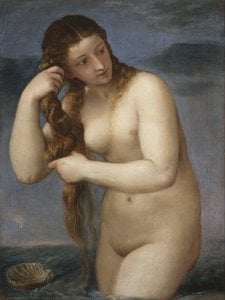
Rankiniu būdu tapytas aliejus ant droblio jūsų pageidaujamame dydį ir rėmuose – mūsų menininkų darbas pagal užsakymą. ( Pirkti spaudinį Pirkti vaizdą)





























Pasirinkite iš mūsų nustatytų dydžių, atitinkančių originalaus meno kūrinio proporcijas.

Galite įvesti savo matmenis, kad jie atitiktų konkretų rėmą ar erdvę. Jei pasirinktas dydis neatitinka originalaus paveikslėlio proporcijų, mes arba apkropsime meno kūrinį, arba papildysime tapybą rankomis dažytい elementais. Prieš pradėdami gamybą, jūsų patvirtinimui atsiųsime skaitmeninį maketą.
Atkreipkite dėmesį, kad ekrane rodomas vaizdas neatspindi tikrojo apkarpymo ar papildymo. Tik maketas tiksliai parodys galutinę kompoziciją.
Nors galima rinktis ir individualius dydžius, rekomenduojame pasirinkti matmenis iš nustatytos sąrašo, kad būtų išlaikytos originalios proporcijos.
Pristatymas visame pasaulyje () per 3–4 savaites, o ne įprastai – per 5 savaites. (6 rugsėjis). Kokybė lieka nepakeičiama.


The Annunciation
Reprodukcijos matmenys
Titian Ramsay Peale II's "The Annunciation," painted in 1857, isn’t merely a depiction of a biblical scene; it’s a poignant dialogue between the artistic traditions of Venice and the burgeoning identity of 19th-century America. Born into a family deeply intertwined with the early American art world – his father, Charles Willson Peale, was a celebrated naturalist and founder of the first museum in the United States – Titian Ramsay Peale II inherited a legacy of observation and a profound respect for classical forms. Yet, he wasn’t simply echoing his father's work; instead, he meticulously cultivated an aesthetic sensibility deeply rooted in the High Renaissance, specifically drawing inspiration from the luminous color palettes and meticulous detail characteristic of Venetian masters like Titian himself. This painting stands as a testament to that influence – a carefully constructed tableau where light, composition, and subject matter converge to evoke a sense of serene reverence.
The scene captures the pivotal moment when the Archangel Gabriel appears before Mary, announcing her divine conception. The arrangement is deliberately balanced, drawing the eye towards the central figures of Mary and Gabriel. Mary, kneeling in humble adoration, occupies the lower portion of the canvas, rendered with a delicate grace that emphasizes her vulnerability and receptivity. Gabriel stands to her left, his gesture conveying both solemnity and assurance. Notice the careful positioning – he’s not towering over her, but rather presenting himself as a messenger of divine will. Beyond these central figures, the painting subtly expands its narrative. The presence of several secondary figures—two men observing from the right, and another partially obscured in the background on the left—adds layers of context, suggesting a community gathered to witness this momentous event. These figures aren’t mere decorative elements; they contribute to the sense of a shared faith and communal experience.
Peale II's technical skill is immediately apparent in his masterful use of color and light. He employs a rich, warm palette—deep reds, golds, and browns—evoking the warmth and luminosity often associated with Venetian painting. The application of paint is remarkably detailed, demonstrating a meticulous attention to texture and form. Observe how he renders the folds of Mary’s garments, the delicate feathers on Gabriel's wings, and the subtle gradations of light across their faces. The use of *sfumato*, a technique perfected by Leonardo da Vinci and embraced by Venetian artists, is particularly evident in the softening of edges and the creation of atmospheric depth. This creates a sense of ethereal beauty, lending the scene an almost otherworldly quality.
Beyond its visual appeal, “The Annunciation” is rich with symbolic meaning. The setting—a simple room with a column—suggests a space of contemplation and reverence. The light streaming through the window symbolizes divine grace illuminating Mary’s life. Gabriel's trumpet, often associated with heraldry and announcements, underscores the importance of this revelation. The act of kneeling represents humility and submission before God. More broadly, the painting speaks to themes of faith, obedience, and the transformative power of divine intervention—concepts deeply resonant within both Christian theology and the evolving American spirit.
WahooArt offers a meticulously crafted hand-painted reproduction of Titian Ramsay Peale II’s "The Annunciation," capturing the essence of this remarkable artwork with unparalleled fidelity. This isn't simply a print; it’s an authentic artistic recreation, imbued with the same attention to detail and emotional depth as the original. Whether you seek to enrich your home décor, create a contemplative space, or connect with the enduring legacy of American art, our reproduction provides a beautiful and meaningful addition to any collection.


1799 - 1885 , JAV

Explore the profound beauty of Angel Gabriel in art history. From Renaissance masterpieces to Baroque splendor, our expert guide delves into the sacred iconography and timeless techniques of these divine messengers for the discerning art enthusiast.

Explore the luminous mastery of Titian. Discover how the Venetian master revolutionized color and light through breathtaking Renaissance techniques, from Venus Anadyomene to profound allegories, and learn to bring this timeless brilliance into your private collection.

Explore the profound power of religious symbolism in art history. From Renaissance masterpieces to sacred iconography, uncover the hidden meanings behind divine details in a deep dive into classical art excellence.

Explore the profound beauty of Marian iconography through an art historian's lens. Discover iconic masterpieces by Raphael and Renaissance masters, celebrating the divine grace and timeless elegance of the Virgin Mary in classical fine art.

Embark on a profound journey through art history with our exploration of the most iconic depictions of the Virgin Mary. Discover the divine grace, symbolism, and masterful techniques found in Renaissance masterpieces and sacred iconography.

 Peržiūrėti realybėje
 Pasidalinti
 Dalintis
 Išsamiau

 Atsisiųsti
 Panašūs eksponatai
 Rentgeno nuotrauka
 Automatinė diorama


 Skaityti daugiau







 Stiklo variantas prieinamas tik pasirinkus dydį iki 110 cm