Peržiūrėti realaus dydžio版 Peržiūrėti AR realybėje Perjungti į spausdinimą Perejti prie skaitmeninių vaizdų Siųsti
Išsamiau Vadovas Pridėti į mėgstamiausius Atsisiųsti Panašūs eksponatai Rentgeno spindulių nuotrauka Diaporama Statistika

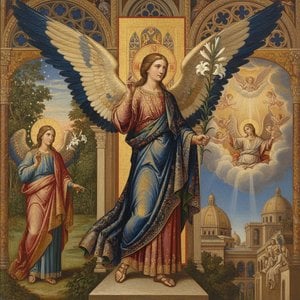
The Annunciation

Discover Titian’s "The Annunciation" (1557), a Baroque masterpiece! Explore its dramatic lighting, dynamic composition & rich colors of this Venetian painting.

Titian Ramsay Peale II (1799-1885) – amerikiečių dailininkas ir gamtininkas, jungiantis Renesanso meistriškumą su moksliniu požiūriu. Jo kūriniuose – „Pabuota pinigų“, sakralinės scenos ir nuostabi natūros atvaizdavimas.

Rankų darbo aliejinės reprodukcijos

Rankiniu būdu tapytas aliejus ant droblio jūsų pageidaujamame dydį ir rėmuose – mūsų menininkų darbas pagal užsakymą. ( Perjungti į spausdinimą Perejti prie skaitmeninių vaizdų)

Corner sample of the P118B picture frame: lieto polistirolo, 5 cm wide and 3 cm thick
P118B €10
Corner sample of the P118H picture frame: lieto polistirolo, 5 cm wide and 3 cm thick
P118H €10
Corner sample of the P118W picture frame: lieto polistirolo, 5 cm wide and 3 cm thick
P118W €10
Corner sample of the P438Z picture frame: lieto polistirolo, 5.5 cm wide and 3.5 cm thick
P438Z €10
Corner sample of the P508JH picture frame: lieto polistirolo, 7 cm wide and 3.5 cm thick
P508JH €12
Corner sample of the P508YH picture frame: lieto polistirolo, 7 cm wide and 3.5 cm thick
P508YH €12
Corner sample of the P805H picture frame: lieto polistirolo, 5 cm wide and 3.5 cm thick
P805H €10
Corner sample of the P805Z picture frame: lieto polistirolo, 5 cm wide and 3.5 cm thick
P805Z €10
Corner sample of the P919BZ picture frame: lieto polistirolo, 7 cm wide and 3.5 cm thick
P919BZ €10
Corner sample of the P919G picture frame: lieto polistirolo, 7 cm wide and 3.5 cm thick
P919G €10
Corner sample of the P919XJ picture frame: lieto polistirolo, 7 cm wide and 3.5 cm thick
P919XJ €10
Corner sample of the P959ZH picture frame: lieto polistirolo, 5 cm wide and 3 cm thick
P959ZH €10
Corner sample of the P968JZ picture frame: lieto polistirolo, 6 cm wide and 4 cm thick
P968JZ €12
Corner sample of the W106C picture frame: solidus medžio, 5 cm wide and 3 cm thick
W106C €8
Corner sample of the W218G picture frame: solidus medžio, 5 cm wide and 3 cm thick
W218G €10
Corner sample of the W218JH picture frame: solidus medžio, 5 cm wide and 3 cm thick
W218JH €8
Corner sample of the W218Y picture frame: solidus medžio, 5 cm wide and 3 cm thick
W218Y €10
Corner sample of the W307PJ picture frame: solidus medžio, 6 cm wide and 3 cm thick
W307PJ €10
Corner sample of the W316G picture frame: solidus medžio, 6 cm wide and 3 cm thick
W316G €10
Corner sample of the W316PJ picture frame: solidus medžio, 6 cm wide and 3 cm thick
W316PJ €8
Corner sample of the W316Y picture frame: solidus medžio, 6 cm wide and 3 cm thick
W316Y €10
Corner sample of the W398PJ picture frame: solidus medžio, 5 cm wide and 3 cm thick
W398PJ €8
Corner sample of the W4111J picture frame: solidus medžio, 6.5 cm wide and 3.5 cm thick
W4111J €10
Corner sample of the W500HY picture frame: solidus medžio, 7 cm wide and 5 cm thick
W500HY €15
Corner sample of the W500JH picture frame: solidus medžio, 7 cm wide and 5 cm thick
W500JH €15
Corner sample of the W692G picture frame: solidus medžio, 8 cm wide and 4 cm thick
W692G €12
Corner sample of the W849H picture frame: solidus medžio, 5 cm wide and 3 cm thick
W849H €8
Corner sample of the W940BG picture frame: solidus medžio, 7.5 cm wide and 4.5 cm thick
W940BG €15
Corner sample of the W953PJ picture frame: solidus medžio, 6 cm wide and 3.5 cm thick
W953PJ €8

Standartinis
individualaus dydžio
CM
INCH

Pasirinkite iš mūsų nustatytų dydžių, atitinkančių originalaus meno kūrinio proporcijas.

plotis
aukštis

Įveskite jums reikiamą plotį ir aukštį, kad paveikslas atitiktų jūsų rėmą ar sieną. Kadangi šis darbas yra rankinio darbo, siekiant išgauti kitokio formos dydį, paveikslas gali būti šiek tiek didesnis (nuo kraštų bus palikta daugiau erdvės) arba mažesnis – pasirinkite jums patogiausią variantą. Prieš pradedant tapyti, atsiųsime jums skaitmeninį maketą patvirtinimui. Šioje puslapio nuotraukoje matomas vaizdas nėra galutinis rezultatas – jį parodys tik sukurtas maketas.

Ką galima pakeisti (pavyzdžiai): Pakeisti veidą į kliento nuotrauką; Pridėti augintinį (pvz., pakeisti katę šunimi); Įtraukti paslėptą žinutę fone; Pakeisti fono kraštovaizdį ar elementus.
Gavus užsakymą, WahooArt.com komanda susisieks su klientu el. paštu dėl instrukcijų ir pateiks maketo pavyzdį

Pristatymas visame pasaulyje () per 3–4 savaites, o ne įprastai – per 5 savaites. (23 spalis). Kokybė lieka nepakeičiama.

Nemokamas greitasis pristatymas visame pasaulyje
Aukštos kokybės lininis drobė
Pilnas siuntimo draudimas
Muitinės mokesčių grąžinimo garantija
Tikro spalvų atitikimo garantija
100 dienų grąžinimo politika (tik esant įtaigoms)
100% pinigų grąžinimo garantija
Nuolaida dideliems užsakymams

Bendroji kaina

€ 261

The Annunciation

Reprodukcijos technika

Reprodukcijos dydis

-

Visų pasirinktų variantų kaina

€ 261

Pagrindinė informacija

  • Dimensions: 280 x 21 cm
  • Notable elements: Pyramidal comp.
  • Medium: Oil on Canvas
  • Location: Palace of Capodimonte
  • Influences: Renaissance
  • Year: 1557

Karo viktorina

Kiekviename klausime yra tik vienas teisingas atsakymas.

Klausimas 1:
What artistic movement is most closely associated with ‘The Annunciation’?
Klausimas 2:
The composition of 'The Annunciation' primarily utilizes which structural element?
Klausimas 3:
What is the dominant color palette used in ‘The Annunciation’?
Klausimas 4:
Which of the following best describes the lighting technique employed in ‘The Annunciation’?
Klausimas 5:
Considering Titian Ramsay Peale II’s background and artistic influences, what is a key characteristic of his work evident in ‘The Annunciation’?

The Annunciation: A Baroque Dialogue of Grace and Revelation

Titian Ramsay Peale II’s “The Annunciation,” painted in 1557, is more than just a depiction of a pivotal biblical moment; it's a carefully constructed tableau brimming with the emotional intensity and dramatic lighting characteristic of late Renaissance – specifically, Baroque – art. This masterful work transports us to a space both sacred and subtly unsettling, inviting contemplation on themes of divine grace, human humility, and the profound mystery at the heart of faith. Peale’s interpretation diverges from purely literal representation, opting instead for a heightened emotionalism that resonates powerfully with viewers centuries later.

The scene unfolds within an undefined, almost dreamlike space – a dark void punctuated by subtle architectural elements suggesting a modest dwelling. The focus immediately draws the eye to the kneeling woman, Mary, rendered in exquisite detail. Her posture conveys both vulnerability and profound absorption; her hands clasped together, her gaze fixed upward with an expression of awe and gentle surprise. This isn’t merely a passive recipient of divine news but a figure actively engaged in a momentous encounter. The artist skillfully uses light to sculpt her form, highlighting the delicate contours of her face and emphasizing the weight of this revelation.

A Symphony of Color and Movement

Peale's palette is dominated by rich browns, deep golds, and muted reds – colors that evoke a sense of solemnity and reverence. These warm tones are juxtaposed with cooler blues and purples in the swirling clouds above, creating a dynamic interplay between earthly humility and celestial splendor. The drapery, particularly the voluminous robes of the angel, is rendered with meticulous attention to detail, utilizing layered impasto – thick applications of paint that create a tactile, almost sculptural effect. This technique not only adds depth and texture but also contributes to the overall sense of drama and movement within the composition.

The use of curved lines—particularly in the flowing drapery and the wings of the angel—is paramount to the painting’s dynamic feel. These lines guide the viewer's eye through the scene, creating a sense of continuous motion and upward aspiration. The positioning of the ascending cherubs further reinforces this feeling of ascension, symbolizing the divine presence reaching down to earth. The pyramidal composition, anchored by Mary’s kneeling form and culminating in the angel and celestial elements, provides stability while simultaneously directing the eye upwards towards the heavens.

Symbolism and Artistic Echoes

“The Annunciation” is rich in symbolic meaning. The angel, rendered with powerful wings and a commanding presence, represents divine grace and the messenger of God’s will. Mary's posture embodies humility and receptivity – she is not demanding answers but humbly accepting the extraordinary news. The architectural details, though subtly suggested, hint at the familiar setting of Nazareth, grounding the miraculous event in a tangible reality. The painting draws heavily on the artistic traditions of the High Renaissance, particularly the works of Raphael and Leonardo da Vinci, yet Peale imbues it with a distinctly Baroque sensibility – a heightened emotionalism, dramatic lighting, and an emphasis on movement and dynamism.

Furthermore, it’s important to consider Peale's lineage. As the son of Charles Willson Peale, a pivotal figure in early American art and founder of the first museum, Titian Ramsay Peale II inherited a legacy of scientific observation and artistic exploration. This influence is evident in his meticulous detail and his commitment to capturing both the beauty and the complexity of the natural world – as seen in his extensive wildlife paintings. “The Annunciation” thus represents a fascinating synthesis of High Renaissance ideals with New World sensibilities, creating an artwork that is both timelessly beautiful and deeply rooted in its historical context. It’s a powerful testament to the enduring appeal of religious iconography and the artist's ability to translate profound spiritual themes into visually arresting form.

问答 (or more naturally for a website heading): Klausimai ir atsakymai

Kaip judėjimas ir epocha susitinka kūryboje „The Annunciation“, autorius – Titiano Remzi Pilo Ii?

„The Annunciation“ priklauso Baroque krypčiai, o jo kūrėjas dirbo XIX amžius laikotarpiu.

Ar „The Annunciation“, autorius – Titiano Remzi Pilo Ii spalvos yra ryškios ar išblukusios?

Kūrinys „The Annunciation“, autorius – Titiano Remzi Pilo Ii užfiksuotas su Subtle Color nasyginimu ir Monochromatic intensyvumu.

Ar „The Annunciation“ yra būdingas tam, ką Titiano Remzi Pilo Ii paprastai kūrė?

Tarp užfiksuotų Titiano Remzi Pilo Ii temų – titian's venetian mastery, divine grace and humility, counter-reformation piety, symbolic celestial vision, iconic annunciation depiction, key work in artist's output, emphasis on color & emotion – kūrinys „The Annunciation“ akcentuoja annunciation, angel, virgin mary, divine revelation, religious art, baroque painting, spiritual encounter, celestial.


Autoriaus biografija

Ticianas Ramsajaus Peale II: Atgimimo Echos Naujame Pasaulyje

Ticianas Ramsajaus Peale II užima įdomią, dažnai pamirštamą vietą XIX amžiaus amerikiečių meno landšafte. Gimė Filadelfijoje 1799 metais, jis buvo panardintas meninės palikimybės – jauniausias Čarlo Vilsono Peale sūnus, reikšmingas ankstyvojo amerikiečių portretų dailininko ir pirmosios šalies muziejaus įkūrėjo. Nors jo tėvo paveldas buvo didelis, Ticianas sukūrė savo kelią, giliai įsišaknijusią Aukštojo Renesanso estetinėse idealuose, ypač iš Venecijos sklindančiuose. Jis ne tik kopijavo stilius; jis kanalizavo gilų meninį pojūtį, į jo drobeles įdėdamas atidžius detalumus ir ryškų spalvų paletę, kurie skyrė jį nuo daugelio savo amžininkų. Jo gyvenimas susidarė prieš besivystančios amerikiečių tapatybės fone, tačiau jo meninis širdis visada buvo prisirišęs prie klasikos meistrų, sukuriantį įtampą tarp Senojo Pasaulio garbinimo ir Naujo Pasaulio išraiškos.

Natura Listo Užrašu ir Dailininko Drobe

Peale ankstyvieji metai buvo pažymėti dvigubu susidomėjimu menu ir gamtos istorija – derinys, skatintas jo tėvo daugybės užsiėmimų. Jis lydėjo ekspedicijas, ypač Stiveno Harimano Longo kelionę į Rokio kalnus 1819–20 metais, dokumentuodamas florą ir fauną vis labiau tobulėjant meniniam žvilgsniui. Šis laikotarpis nebuvo tik stebėjimų registravimu; tai buvo apie *supratimą* formos, šviesos ir tekstūros – įgūdžių, kurie pasirodys nepaprastai svarbūs, kai jis visas dėmesys bus atkreiptas į tapybą. Jo gamtos istoriko darbas informavo jo meną, suteikdamas mokslinį tikslumą jo natūralaus pasaulio vaizdams, bet taip pat juos įliejant emocinį garsumą, pranokstantį tiesioginį dokumentavimą. Jis ne tik rodė mums, kaip daiktai atrodo; jis atskleidė jų vidinę grožę ir dvasinę reikšmę. Šis atsisakymas abiejoms disciplinomis yra akivaizdus tokiuose darbuose kaip „Mokesčių mokėjimas“, dramatiškas vaizdavimas, kuriame pasižymi meistriška šviesa ir šešėliu.

Venecijos Įtaka ir Šventos Vizijos

Venecijos kolorizmo – pabrėžiant turtingas, žygiuojančias spalvas ir atmosferinius efektus, kuriuos propaguoja tokie dailininkai kaip Ticianas (iš kurio jis paėmė savo pirmąjį vardą) – įtaka yra neatsiejama nuo Peale kūrinių. Jis ne tik kopijavo šiuos meistrus; jis internalizavo jų principus ir pritaikė juos savo meninei vizijai. Tai ypač akivaizdu jo religiniuose darbuose, tokiuose kaip „Altoriaus Šventųjų Šventyklėlė“ ir „Pats Dievo Garbinimas“. Šie paveikslai nėra tik biblinių scenų vaizdavimai; tai imersiniai patyrimai, kviečiantys žiūrovą į dvasinę kontempliaciją per kruopščiai suderintas kompozicijas ir spalvų naudojimą, kad sukeltų emocijas. Dėmesingumas detalėms šiuose darbuose rodo ne tik jo techninį meistriškumą, bet ir gilią pagarbą savo temai. „Grožis“ toliau demonstruoja jo gebėjimą užfiksuoti žmogaus formą ir charakterį su elegancija ir rafinavimu.

Peratrūkimai ir Nuolatinė Reikšmė

Daugelio XX amžiaus metų Ticianas Ramsajaus Peale II liko didžiuliu masteliu nepastebėtas meno istorijos pasakojimų kampelyje. Jo darbai netilpo į esamus tendencijas, o jo atsisakymas klasika atrodė anachronistinis greitai besikeičiančiame meniniame kraštovaizdyje. Tačiau pastaraisiais metais vis didesnis dėmesys skiriamas jo indėliui. Tyrėjai ir kolekcionieriai pripažįsta unikalų amerikietiškos nuotaikos ir Europos tradicijų derinį, kuris apibūdina jo paveikslus. Jo darbo atradimas yra ne tik spragų užpildymas meno istorijoje; tai yra apie gilesnės kultūrinio poveikio supratimą, kuris formavo XIX amžiaus Ameriką. Peale atstovauja tiltui tarp pasaulių, liudijimui apie klasikos idealų nuolatinę galią ir priminimui, kad meninė inovacija dažnai kyla iš netikėtų įtakų kombinacijų. Jo paveikslai, dabar randami tokiose kolekcijose kaip WahooArt, Uffizi galerijoje ir Palazzo Pitti, siūlo įtikinamą žvilgsnį į pamirštamą amerikiečių meno istorijos kampelį – kampelį apšviestą Renesanso spindesio.
Titiano Remzi Pilo Ii

Titiano Remzi Pilo Ii

1799 - 1885 , JAV

Trumpa informacija apie kūrėją

  • Artistic Movement Or Style: Aukštasis Renesansas
  • Artists Who Influenced This Artist:
    • Ticianas
    • Venecijos meistrai
  • Date Of Birth: 1799 m.
  • Date Of Death: 1885 m.
  • Full Name: Titian Ramsay Peale II
  • Nationality: Amerikietis
  • Notable Artworks:
    • Altar Shrine with Four Saints
    • Adoration of the Shepherds
    • The Beauty
    • Tribute Money
    • Holy Family w/ Shepherd
Tyrinėkite meno kūrinius, suskirstytus pagal temas, stilius ir savybes.