Oil On CanvasWallArtPost-Impressionism
 1939
1939 80.0 x 60.0 cm
Muziejų lygio „giclée“ arba drobos spausdinimas: greita gamyba ir lankstios apdailos parinktys. ( Pirkti rankomis tapytą paveikslą Pirkti vaizdą)





























Pasirinkite iš mūsų nustatytų dydžių, atitinkančių originalaus meno kūrinio proporcijas.

Galite nurodyti savo matmenis, kad vaizdas atitiktų konkretų rėmą ar erdvę. Jei pasirinktas dydis nesutaps su originalaus paveikslėlio proporcijomis, mes arba apkirpsime kūrinį, arba išplėsime vaizdą naudojant veideliu atspindėtą arba vientisą šoną. Skaitmeninis maketas bus išsiųstas jums patvirtinti prieš pradedant gamybą.
Atkreipkite dėmesį, kad ekrane matomas vaizdinys neatspindi tikrojo apkirpimo ar išplėtimo. Tik maketas tiksliai parodytų galutinę kompoziciją.
Nors galima rinktis ir individualius dydžius, rekomenduojame pasirinkti vieną iš išanksti nustatytų matmenų, kad būtų išlaikytos originalios proporcijos.
Pristatymas visame pasaulyje () per 2 weeks, o ne įprastas 4/5 savaičių laikotarpis. (7 rugsėjis)


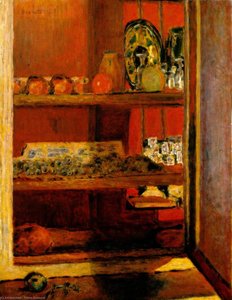
Le placard rouge (The Red Cupboard),
Reprodukcijos matmenys
To gaze upon Pierre Bonnard's Le placard rouge (The Red Cupboard) is to step directly into a moment suspended in time—a warm, intimate glimpse into the heart of a French kitchen from the early decades of the twentieth century. This painting transcends a mere depiction of household objects; it is an immersion into color, light, and the quiet poetry of domestic life. The overwhelming presence of the red walls and wooden cabinetry does more than simply set the scene; it bathes every bottle, bowl, and apple in a passionate, enveloping glow. Bonnard masterfully transforms the mundane—the everyday clutter of a working kitchen shelf—into a vibrant tableau worthy of contemplation.
Bonnard’s technique here exemplifies his lifelong fascination with capturing the ephemeral quality of light. While rooted in the traditions of Post-Impressionism, his handling of paint is intensely personal and subjective. Notice how the edges are often softened, how colors bleed into one another, suggesting not a harsh reality, but a memory of that reality—a feeling rather than a photograph. The interplay between the deep reds, the warm browns of the wood, and the occasional cool highlight on a piece of porcelain speaks to his unparalleled ability to use color as an emotional conduit. It is a technique that invites the viewer to look closely, yet simultaneously encourages them to let their gaze wander, allowing the light itself to guide the eye across the surface.
The arrangement on the shelf—the clustered apples, the varied collection of cups, the bottles standing sentinel—is rich with subtle symbolism. These objects are not merely decorative; they carry the weight of daily ritual and human connection. The kitchen itself has historically been a nexus of family life, a place where sustenance is prepared and stories are shared. By focusing on these familiar items, Bonnard elevates them to symbols of comfort, continuity, and domestic bliss. The abundance suggests plenty, while the careful placement hints at an ordered, yet lived-in, harmony.
For those who find inspiration in art that speaks directly to the soul of a room, Le placard rouge offers profound resonance. It is more than just wall decor; it is an atmospheric anchor. Imagine this piece gracing a dining nook or a sunlit breakfast area. Its warmth acts as a counterpoint to stark modernism, injecting a necessary dose of human touch and vibrant color theory into any space. Owning a reproduction allows one to bring Bonnard’s captured light—that golden, enveloping glow—into the contemporary home, transforming a simple wall into a portal to an era of rich, sensory beauty.


1867 - 1947 , Prancūzija
Atraskite 25 Pierre'Auguste Renoir šedevrus! Impresionizmo meistro paveikslai, kupini šviesos ir grožio. Meno istorija, technikos paslaptys ir įkvėpimas jūsų interjerui. Aukštos kokybės reprodukcijos – WahooArt.com

Explore the rich symbolism of the red dress in art history! From ancient power displays to iconic portraits like Cézanne’s 'Madame Cezanne', discover the cultural and artistic significance behind this captivating color. Expert analysis & insights.
Atraskite 25 Georges Seurat šedevrus! Išsami analizė, istorijos ir įkvėpimas interjero dizainui. Pointilizmo meistras, impresionizmas ir chromoluminarizmas – viskas WahooArt.com. Explore the full collection online!
Atraskite 25 įspūdingiausius Henri Matisse šedevrus! Sužinokite apie Fauvizmą, spalvų magiją ir prancūzų dailininko kūrybos istorijas. Meno reprodukcijos jūsų interjerui – WahooArt.com
Explore the life & work of Maurice Denis, pivotal French painter bridging Impressionism to modern art. Discover his Nabis symbolism, theories on 'ideation,' and profound commitment to sacred art. A deep dive for art enthusiasts.

 Peržiūrėti realybėje
 Pasidalinti
 Dalintis
 Išsamiau

 Atsisiųsti
 Panašūs eksponatai
 Rentgeno nuotrauka
 Automatinė diorama
 Skaityti daugiau







 Stiklo variantas prieinamas tik pasirinkus dydį iki 110 cm