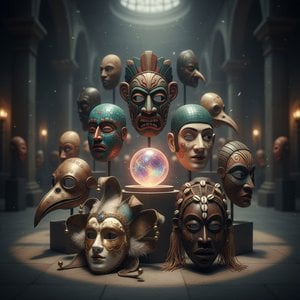
Gyvenimas pasikraustęs kaukėse ir šešuliuose: Jameso Ensoro pasaulis
1860 m. Ostende, Belgijoje, gimęs James Sidney Edouard Ensor iškrato iš įtraukiančio kultūrų susiliejimo – jo tėvas buvo anglas, o motina – belgė. Ši dviseklė kilmė galbūt iš anksto numatė visą gyvenimą šį menininką lydėsiantį susižavėjimą kaukėmis ir pasirodymais – temomis, kurios vėliau dominuotų jo nerūpestingame, tačiau įtraukiančiame kūrybos veikalme. Augdamas po skambaus pietaukos kurorto energija, jaunasis James buvo giliai paveiktas karnavalių ir keivybės atmosferos. Jo tėvai valdė suvenyrų parduotuvę, pilną rakhčių, karnavalinių masek ir keistų daiktų – tai buvo tikras stebuklų kabinetas, kuris įžvėgė jo vaizdotę ir suteikė turtingą vizualinį žodyną būsimai menui. Nors iš pradžių jis nesugebėjo susidompėti tradiciniais akademiniais siekiais, Ensor galiausiai įstojo į Briuselio Karališkąją dailės akademiją, tačiau jos griežta struktūra jam atrodė dusinanti jo augančiai meninei vizijai. Jis greitai suprato, kad turi iškovoti savo kelią – kelią, kuris išvestų jį daleko už konvencinių ribų.
Nuo tamsių realizmo iki groteskiškų vizijų
Ensoro ankstyvieji paveikslai atspindėjo labiau tradicinį požiūrį, vaizduodami kasdienio gyvenimo escenas tamsiais tonais. Tokie darbai kaip „Rusų muzika“ (1881) ir „Girtukai“ (1883) atskleidžia pradinį talentą, kovojantį su realizmu, tačiau net ir šiose ankstyvose kūrybos dalyse jau juntamos būsimos nerūpestingos vaizduotės užuominos. Lemtingas lūžis įvyko tada, kai Ensoro paletė linksmingėjo, o tematikos turinys tapo vis keistingesnis. Jis pradėjo savo plėslus klesti karnavalais, skeletais, lėmėmis ir alegoriškomis figūrinėmis – pasauliu, prisigėrusiu fantazija ir dažnai besiribojančiu su grotesku. Tai nebuvo tik stiliaus pokytis; tai buvo tyčia atliktas tamsiųs žmogaus egzistencijos sričių tyrimas, visuomenės normų atmetimas ir moksliškos racionalybės atsisakymas. Jo stilius tapo akimirksniu atpažįstamas dėl drąsių traukų, ryškių spalvų ir teatralumo – tai buvo unikalus jo pats vizualinis kalbos būdas. Vaizdos vaikystės aplinkos įtaka yra neabejotina: tos karnavalinės kaukės nebuvo tiesiog dekoratyviniai elementai; jos buvo paslėptų tapatybių, socialinės kritikos ir išorės trapumo simboliai.
Nerimo šedevrai: pagrindiniai kūriniai ir pasikartojančios temos
Visos savo karjeros metu Ensoras sukūrė darbų seriją, kuri šiandien vis dar šokiruoja ir žavinti auditoriją. „Skandalizuotos kaukės“ (1au83) yra ankstyvas įrodymas jo susižavėjimo pasirodymų galia ir jų gebėjimu atskleisti slaptas emocijas. Galbūt jo kontroversiškiausias darbas, „Kristaus įžangė į Briuselį“ (1888–1889), išlieka galinga religinės hipokrizės ir visuomenės abtaiściumo satire – paveikslas, kuris iš pradžių sulaukė griežtos kritikos, o dabar yra švęčiamas kaip šedevras. Nerūpestingas Kristaus vaizdas, įžengiantis į miestą, pilną groteskiškų kaukėtų figūrų, yra stiprus komentaras apie atotrūkį tarp dvasinių idealų ir žmogaus elgsenos. „Skeletai, kovojantys dėl paklaustaus žmogaus“ (1891) siūlo griežtą meditaciją apie mirtį, nykštį ir gyvenimo absurdiškumą, o „Šv. Antano kančios“ (1887) gilina sudėtingas alegorines temas apie pagundą, nuodėmę ir dvasinę kovą. Visame jo kūrybos darbe pasikartoja mirties tyrimai, socialinė kritika, religinė satire ir begalinė vaizduotės galia – temos, kurios išlaiko amžiną aktualumą.
Modernizmo pionierius: įtaka ir palikimas
Nors Ensoras atsisakė lengvo įdiegimo į kategorijas, jo meninė kilmė yra sudėtinga ir įtraukianti. Jis pripažino tokių meistrų kaip Pieteris Bruegelis Didysis, kurio persitempusių scenų ir moralizuojančių naratyvų istorijos rezonavo su jo pačiu viziniu, taip pat Francisco Goya, kurio juodasis humoras ir neatsitraukiančios žmogaus kančios aprašymai paliko neištrinčiam įspūdį. James Abbott McNeill Whistlerio pabrėžimas esteticizmui taip pat pritarė Ensoro meniniams pojūčiams. Tačiau Ensoras nebuvo tik imitatorius; jis sujungė šias įtakas į kažką visiškai naujo ir originalaus. Šiuolaikiniu laiku jis plačiai pripažįstamas kaip svarbi figūra pereinamajame etape nuo XIX amvio simbolizmo prie ankstyvojo XX amžiaus ekspresionizmo ir surrealizmo – tikras moderniojo meno pionierius. Jo drąsus priešaumą padavęs požiami tyrimas, groteskiškų vaizdų priėmimas ir akademinių konvencijų atmetimas atvėrė kelią būsimoms menininkų kartoms, kurios išdrįso iššūkį kelti meninei normai. Nepaisant pradinės priešmaršų, Ensoras savo vėlesniaisiais metais galiausiai sulaukė pripažinimo: 1929 m. karališkasis Albertas I pavadino jį baronu, o 1933 m. jam suteikta Légion d'honneur garbė. Jis mirė Ostende 1949 m., palikdamas kūrybos turtą, kuris ir toliau sužavina, sukrėtė ir įkvepia. Jo palikimas išlieka įrodymu apie meno galią susidurti su nemalgiomis tiesomis ir tyrinėti žmogaus būties gilumas.