Peržiūrėti realybėjePeržiūrėti realybėje Peržiūrėti ARPeržiūrėti AR Perejti prie spausdinimo Perejti prie spausdinimoPirkti rankomis tapytą paveikslą Pirkti rankomis tapytą paveikslą PasidalintiPasidalinti
IšsamiauIšsamiau Pridėti į mėgstamiausius Pridėti į mėgstamiausius AtsisiųstiAtsisiųsti Panašūs eksponataiPanašūs eksponatai Rentgeno nuotraukaRentgeno nuotrauka Automatinė dioramaAutomatinė diorama StatistikaStatistika

The Last Rose

A poignant oil painting by Joan Baker capturing an elderly woman lost in thought amidst vibrant colors and symbolic roses, offering a timeless reflection on memory that you can bring into your own collection.

Discover Joan Baker (1922-2017), a Welsh painter known for evocative landscapes & intimate portraits. Explore her work, influenced by Wales' beauty and social life.

Įsigykite aukštos skiriamosios raiškos, patobulintą skaitmeninį vaizdą, gerokai pranašesnį už internetinę peržiūrą.

Kiekvieną failą mūsų specialistai kruopščiai paruošia naudojant pažangias technologijas ir profesionalų rankinį retušavimą. Užtikriname, kad kiekvienas vaizdas pasižymėtų išskirtiniu aiškumu, tikslia spalvų atspalviu ir smulkiomis detalėmis.

Baigiamas failas el. paštu pristatomas per 72 valandas; jis optimizuotas nedelsiant naudojimui profesionalioje, redakcinėje ir spausdinimo aplinkoje. Tai ta pati kokybė, kuria pasitiki aukščiausios klasės dizaino studijos, leidyklos ir galerijos.

Skaitmeninis vaizdas

Atsisiųskite didelės raiškos failą asmeniniam naudojimui, spausdinimui ir kūrybiniams projektams. (Perejti prie spausdinimo Perejti prie spausdinimoPirkti rankomis tapytą paveikslą Pirkti rankomis tapytą paveikslą)

Visų sumos kaina

$ 24,90

Kiekvieną skaitinio vaizdo užsakymą papildė

Profesionalus skaitmeninis pristatymas, garantuotas

Pasirinkę WahooArt.com, jūs ne tik gaunate paveikslėlį – jūs gaunate profesionaliai patobudintą skaitmeninį kūrinį, sukurtą itin tikniai ir užtikrinantį pasitenkinimą. Štai viską, kas automatiškai pritékia jūsų užsakymui:

shipping_icon
Greitas siuntimas el. paštu

Jūsų aukštos raiškos skaitmeninis vaizdo failas bus išsiųstas jums el. paštu per 72 valaudas nuo užsakymo – paruoštas naudojimui be jokių papildomų veiksmų.

canvas_icon
Skaitmeninis failas su dirbtiniu intelektu

Jūsų meno kūrinys profesionaliai optimizuojamas naudojant pažangius dirbtinio intelekto įrankius ir rankinį redagavimą, užtikrinant maksimalią detalę, aiškumą ir spalvų tikslumą.

insurance_icon
Nemokamas visam laikui pakartotinis siuntimas

Atsitiktinai ištrytikote ar praradote savo failą? Nebijokite – bet kuriuo metu atsiųsime jį jums vėl nemokamai.

tax_icon
Jokio importo mokesčio – niekada

Mėgaukitės savo meno kūriniu akimirka – skaitiniai failai visada yra neapmokestinami, todėl nereikės mokėti muitinės, mokesčių ar pristatymo mokesčių.

color_icon
Spalvų tikslumo garantija

Naudodami profesionalią įrangą ir spalvų valdymo sistemas, užtikriname, kad jūsų skaitmeninis vaizdas kuo tiksliau atspindėtų originalias spalvas.

return_icon
100 dienų patikimumo garantija

Jei nebuvosite patenkinti savo skaitmeniniu vaizdu, mes jį peržiūrėsime arba grąžinsime 100% sumą per 100 dienų – be jokių klausimų.

guarantee_icon
100% pinigų grąžinimo garantija

Nesitenkinate? Gaukite visą sumokėtą sumą per 100 dienų nuo skaitmeninio failo gavimo – be jokių papildomų klausimų.

discount_icon
Nuolaidos dideliems užsakymams

Pirkti 3 nuotraukas – pasiūla 10% - Pirkti 5 – pasiūla 15% - Pirkti 10 ir daugiau – pasiūla 20%. Puikiai tinka kūrybiniams projektams, galerijoms bei agentūroms.

Trumpos informacija

  • Subject or theme: Aging, memory, and the passage of time
  • Dimensions: 61 x 51 cm
  • Location: University of South Wales Art Collection
  • Artistic style: Realism with hints of abstraction
  • Title: The Last Rose
  • Year: 1997

A Poignant Reflection on Time and Memory

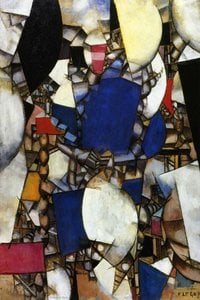
In the quietude of Joan Baker’s 1997 masterpiece, The Last Rose, viewers are invited into a sanctuary of contemplation where the boundaries between reality and reflection blur. This evocative oil-on-canvas work serves as a profound meditation on the passage of time and the delicate nature of human experience. At its heart, the painting presents an intimate domestic scene: an elderly woman seated at her desk, her presence captured not just in her physical form but through a subtle, haunting reflection in the mirror behind her. This dual perspective creates a dreamlike atmosphere, suggesting that while the body may age, the essence of the soul remains caught in a continuous loop of memory and thought.

The composition is masterfully orchestrated to guide the eye through a narrative of beauty and decay. A vibrant blue armchair, adorned with a yellow floral pillow, anchors the foreground, offering a striking contrast to the soft peach hues of the surrounding walls. Resting upon the seat of this chair is a single white rose—the titular subject that lends the piece its melancholic weight. This solitary bloom, paired with a potted plant that breathes life into the left side of the frame, acts as a powerful symbol of vitality amidst the inevitable approach of finality. The interplay of light and shadow across the green carpet and the textured fabrics creates a sense of depth that makes the room feel both tangible and ethereal.

The Mastery of Technique and Symbolism

Joan Baker, a formidable figure in Welsh art education, brings her meticulous technical skill to the forefront of this work. Her use of oil on canvas allows for a rich, tactile quality, where every brushstroke is deliberate, contributing to the painting's layered emotional resonance. The artist achieves a remarkable balance between realism and a soft abstraction, particularly in how she renders the light reflecting off the mirror’s surface and the subtle textures of the domestic setting. This technique does more than just replicate a scene; it elevates a simple moment of study or work into a universal allegory for the fleeting nature of youth and the enduring strength of memory.

For the discerning collector or interior designer, The Last Rose offers much more than mere decoration. It is a piece that commands attention through its emotional depth and sophisticated color palette. The bold contrast between the cool blues and warm peaches provides a dynamic energy suitable for a variety of high-end interiors, while the painting's underlying themes of nostalgia and grace offer a conversational centerpiece. To possess a reproduction of this work is to bring a sense of historical significance and quiet, contemplative beauty into a living space, making it an ideal acquisition for those who value art that speaks to the profound complexities of the human condition.


Autoriaus biografija

A Quiet Vision: The Life and Legacy of Joan Baker

Joan Elizabeth Baker (1922–2017) was a painter whose brushstrokes whispered of the profound beauty found in the overlooked corners of the world. Born in Cardiff, Wales, her artistic soul was deeply rooted in the textures of her homeland—from the bustling energy of the Cardiff docks to the serene, verdant expanses of the Welsh countryside. While she remained a remarkably private figure, choosing to let her prolific body of work—exceeding 3,000 paintings—serve as her true autobiography, her influence on the Welsh art scene was nothing short of monumental. Her life was a delicate balance between the disciplined rigor of a master educator and the sensitive observation of a poet, capturing both the grand scale of nature and the intimate stillness of domesticity.

Her artistic journey began in earnest at the Cardiff School of Art during the pivotal years of 1939 to 1944. Under the mentorship of luminaries such as Evan Charlton and Ceri Richards, Baker was introduced to the burgeoning currents of modernism. This education provided her with more than just technical proficiency; it instilled a lifelong fascination with the interplay of light, color, and form. These early influences allowed her to develop a style that could oscillate between a faithful representation of reality and a dreamlike, impressionistic abstraction. Whether she was working on large-scale mural commissions for institutions like the Cardiff Overseas Club or painting a solitary flower, her work always maintained a signature sense of atmospheric depth.

The Art of Observation: Landscapes and Domesticity

Baker’s oeuvre is characterized by an extraordinary ability to transform the familiar into the extraordinary. Her landscapes, particularly those focusing on gardens and woodlands, are not merely topographical records but emotional sanctuaries. In works such as her Wenallt Woods triptych, she invites the viewer into a realm where reality and memory blur. Through an unconventional use of color—such as ethereal blue tones woven into foliage—she imbant her landscapes with a mythic, almost supernatural quality. Her mastery of the oil medium allowed her to create tactile surfaces where light seems to filter through a canopy or rest upon a damp forest floor, making the viewer feel the very humidity and stillness of the Welsh wilderness.

Parallel to her explorations of the wild, Baker possessed a tender eye for the domestic sphere. Her paintings of interior scenes often serve as meditations on time, memory, and the passage of life. In her 1997 masterpiece, The Last Rose, she utilizes a dual perspective—incorporating reflections in mirrors—to explore the ephemeral nature of existence. By placing a single white rose against a backdrop of vibrant blues and soft peaches, she creates a poignant dialogue between vitality and decay. These intimate portraits of everyday life are imbued with a sense of quietude, turning a simple room or a seated figure into a profound stage for human reflection.

A Legacy of Mentorship and Artistic Autonomy

Beyond the canvas, Joan Baker’s historical significance is inextricably linked to her role as a pioneer in art education. For nearly four decades, from 1945 until 1983, she taught at the Cardiff College of Art, eventually becoming the first woman to lead a major art department in Wales. Her pedagogical philosophy was revolutionary in its simplicity: she championed individual expression over rigid imitation. Baker did not seek to create clones of herself; rather, she nurtured the unique voices of her students, famously supporting the early ambitions of artists like Peter Prendergast. This commitment to fostering autonomy ensured that her influence would ripple through generations of British painters.

The true measure of Baker’s contribution to art lies in this duality of achievement:

  • Technical Mastery: Her command over oil and watercolor, characterized by deliberate yet fluid brushwork and a sophisticated understanding of light.
  • Cultural Impact: Her role as a trailblazing female educator in the Welsh academic landscape.
  • Thematic Depth: Her ability to bridge the gap between the external natural world and the internal psychological landscape.
  • Enduring Presence: A vast, prolific output that continues to offer a window into the soul of 20th-century Wales.
Through her quiet vision, Joan Baker ensured that the subtle nuances of light, the textures of the earth, and the fleeting moments of human life would be preserved in a timeless, painterly embrace.

joan baker

joan baker

1922 - 2017

Trumpai apie šį kūrėją

  • Artistic Movement Or Style: Landscape Painting
  • Artists Who Influenced This Artist:
    • Evan Charlton
    • Ceri Richards
  • Date Of Birth: 1922
  • Date Of Death: 2017
  • Full Name: Joan Elizabeth Baker
  • Nationality: British
  • Notable Artworks:
    • A Cold Spell
    • Wenallt Woods
    • The Last Rose
  • Place Of Birth: Cardiff, Wales