NEMOKAMA MENO KONSULTACIJA

x
Pirkti atspaudą Pirkti atspaudąPirkti skaitmeninį paveikslą Pirkti skaitmeninį paveikslą PasidalintiPasidalinti
IšsamiauIšsamiau Pridėti į mėgstamiausius Pridėti į mėgstamiausius AtsisiųstiAtsisiųsti Panašūs eksponataiPanašūs eksponatai RentgenogramąRentgenogramą Automatinė dioramaAutomatinė diorama

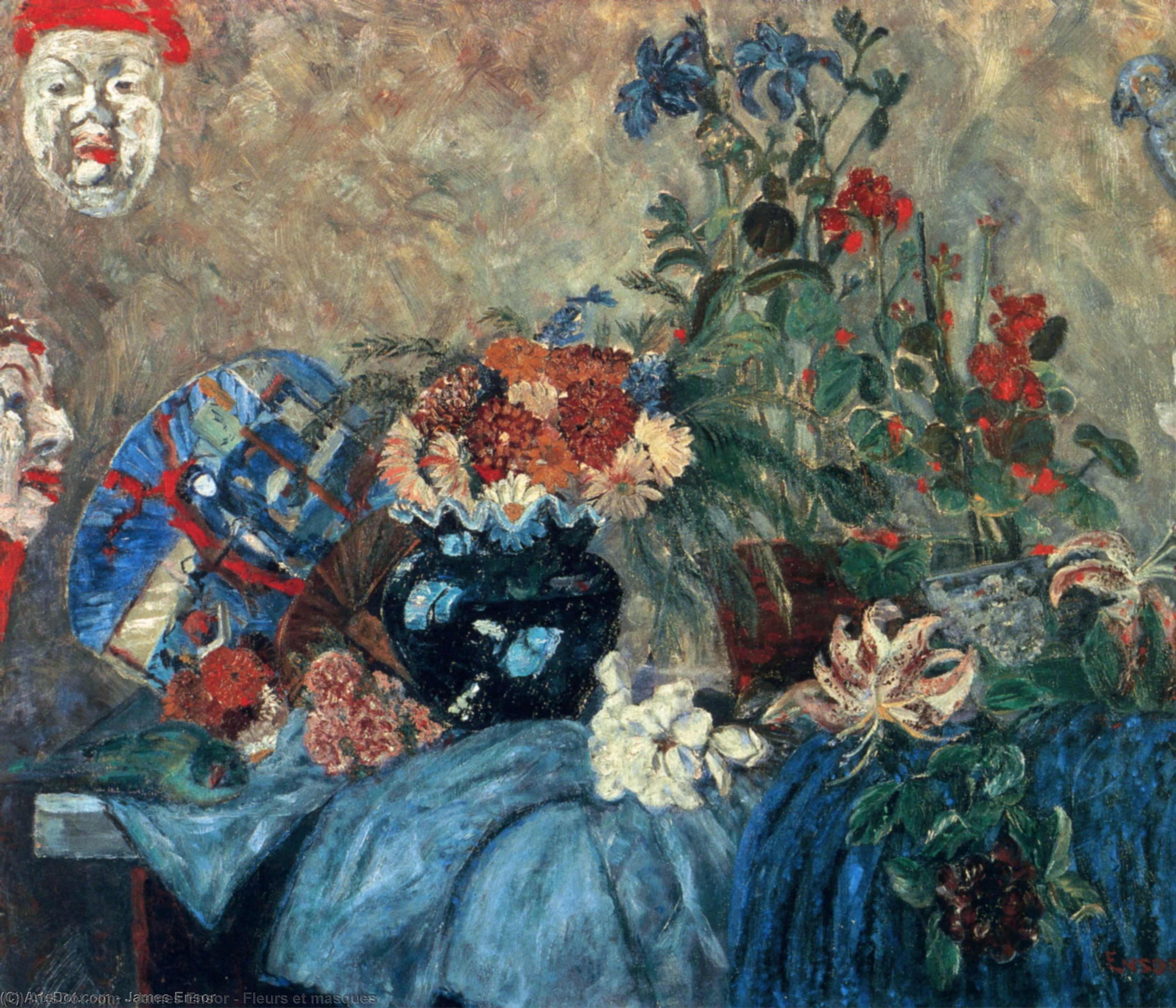
Fleurs et masques

"James Ensoras (1860–1949 m.) – vienas reikšmingiausių XIX a. pabaigos Belgijos avangardinių dailininkų. Garsiausiu jo paveikslu minimas „Kristaus įžengimas į Briuselį 1889 metais“, kuriame jis parodytas groteskiškai išraiškiantis žvilkus į žiūrovą ir naudojamas spalvingai išraiškingi dažai, simbolizuojantys gyvenimo energiją. Jo kūriniai yra įvykdyti įvykdyti įvykdyti įvykdyti įvykdyti įvykdyti į

Rankų darbo aliejinės reprodukcijos

Rankiniu būdu tapytas aliejus ant droblio jūsų pageidaujamame dydį ir rėmuose – mūsų menininkų darbas pagal užsakymą.

P118B $10
P118H $10
P118W $10
P438Z $10
P508JH $12
P508YH $12
P805H $10
P805Z $10
P919BZ $10
P919G $10
P919XJ $10
P959ZH $10
P968JZ $12
W106C $8
W218G $10
W218JH $8
W218Y $10
W307PJ $10
W316G $10
W316PJ $8
W316Y $10
W398PJ $8
W4111J $10
W500HY $15
W500JH $15
W692G $12
W849H $8
W940BG $15
W953PJ $8

Standard
custom
CM
INCH

Pasirinkite iš mūsų nustatytų dydžių, atitinkančių originalaus meno kūrinio proporcijas.

plotis
aukštis

Galite įvesti savo matmenis, kad jie atitiktų konkretų rėmą ar erdvę. Jei pasirinktas dydis neatitinka originalaus paveikslėlio proporcijų, mes arba apkropsime meno kūrinį, arba papildysime tapybą rankomis dažytい elementais. Prieš pradėdami gamybą, jūsų patvirtinimui atsiųsime skaitmeninį maketą.
Atkreipkite dėmesį, kad ekrane rodomas vaizdas neatspindi tikrojo apkarpymo ar papildymo. Tik maketas tiksliai parodys galutinę kompoziciją.
Nors galima rinktis ir individualius dydžius, rekomenduojame pasirinkti matmenis iš nustatytos sąrašo, kad būtų išlaikytos originalios proporcijos.

Ką galima pakeisti (pavyzdžiai): Pakeisti veidą į kliento nuotrauką; Pridėti augintinį (pvz., pakeisti katę šunimi); Įtraukti paslėptą žinutę fone; Pakeisti fono kraštovaizdį ar elementus.
Gavus užsakymą, WahooArt.com komanda susisieks su klientu el. paštu dėl instrukcijų ir pateiks maketo pavyzdį.

Pristatymas visame pasaulyje () per 3–4 savaites, o ne įprastai – per 5 savaites. (2 liepa). Kokybė lieka nepakeičiama.

why_choose_icon
Nemokamas greitasis pristatymas visame pasaulyje
why_choose_icon
Aukštos kokybės lininis drobė
why_choose_icon
Pilnas siuntimo draudimas
why_choose_icon
Muitinės mokesčių grąžinimo garantija
why_choose_icon
Tikro spalvų atitikimo garantija
why_choose_icon
60 dienų grąžinimo politika (tik esant gamyklinėms defektams)
why_choose_icon
100% pinigų grąžinimo garantija
why_choose_icon
Nuolaida už kelias reprodukcijas

Visų darbų kaina

-

reproduction

Fleurs et masques

Reprodukcijos technika

Reprodukcijos matmenys

-

Galutinė kaina

-

Trumpos informacija

  • Notable elements or techniques: Bold brushwork, vibrant colors
  • Movement: Expressionism
  • Subject or theme: Carnival, Masks
  • Title: Fleurs et masques
  • Artistic style: Surrealist
  • Location: Private Collection

Karo viktorina

Kiekviename klausime yra tik vienas teisingas atsakymas.

Klausimas 1:
What is the predominant color scheme of Fleurs et masques?
Klausimas 2:
James Ensor's artistic style is best described as:
Klausimas 3:
The painting depicts a scene featuring what prominent element?
Klausimas 4:
What is Ensor known for exploring in his artwork?
Klausimas 5:
James Ensor's use of bold brushwork and vibrant colors contributes to what characteristic of his paintings?

Kūrinio aprašymas

James Ensor’s “Fleurs et Masques”: A Symphony of Surrealism and Social Critique

James Ensor's "Fleurs et Masques," painted around 1891, stands as a cornerstone of Expressionist art and a testament to the artist’s unwavering fascination with confronting societal hypocrisy through unsettling imagery. More than just a beautiful depiction of flowers and masks—though undeniably captivating in their arrangement—the painting embodies Ensor's profound engagement with psychological complexity and his rebellious spirit against artistic conventions prevalent during his time.
  • Subject Matter: The scene unfolds within a bedroom interior, meticulously rendered with a palette dominated by calming blues. However, this tranquility is disrupted by an abundance of flowers—ranging from delicate blossoms to larger specimens—scattered throughout the room. These floral elements are juxtaposed with masks of various sizes and styles, creating a dynamic interplay between beauty and concealment.
  • Style: Ensor’s distinctive Expressionist style is immediately recognizable through its bold brushstrokes, vibrant colors, and theatrical quality. He eschewed academic realism in favor of conveying emotion and psychological states—a deliberate rejection of the prevailing artistic trends of the Belle Époque. The painting's composition feels deliberately staged, mirroring the theatrical conventions of the era.
  • Technique: Ensor employed oil paint on canvas with meticulous attention to detail. His brushwork is loose yet controlled, capturing both texture and luminosity—essential elements in conveying the emotional intensity of his vision. The artist’s masterful use of color contributes significantly to the painting's atmosphere, enhancing its unsettling beauty.
  • Historical Context: Created during a period marked by social upheaval and intellectual ferment, “Fleurs et Masques” reflects Ensor’s broader critique of bourgeois morality and religious dogma. He drew inspiration from his childhood surroundings—the souvenir shops filled with carnival masks—to fuel his artistic imagination and explore themes of identity, disguise, and the anxieties inherent in modern life.
  • Symbolism: The flowers symbolize fragility and beauty amidst decay, mirroring Ensor’s preoccupation with mortality. Simultaneously, the masks represent hidden identities and social facades—a deliberate provocation against societal norms. Their placement throughout the room underscores Ensor's desire to expose the contradictions underlying appearances.

A Reflection of Ensor’s Artistic Vision: Influences and Innovations

Ensor’s artistic lineage is complex, drawing inspiration from masters like Pieter Bruegel the Elder—whose crowded scenes and moralizing narratives resonated with Ensor's own exploration of social commentary—and Francisco Goya—whose dark humor challenged conventional aesthetic ideals. He actively resisted academic formalism, prioritizing emotional expression over technical precision. This commitment to conveying psychological states distinguishes him as a pioneer of Expressionism and establishes “Fleurs et Masques” as an emblem of his groundbreaking artistic innovations.

Emotional Impact: Confronting Darkness with Beauty

Despite its serene color scheme, "Fleurs et Masques" possesses a palpable tension—a disconcerting beauty born from confronting uncomfortable truths. Ensor’s masterful manipulation of light and shadow amplifies the painting's emotional impact, inviting viewers to contemplate themes of vulnerability, deception, and the inescapable realities of human existence. The unsettling juxtaposition of flowers and masks compels contemplation on the duality inherent in life itself – a duality that Ensor brilliantly captures through his distinctive artistic style.

WahooArt’s Reproduction: Bringing Ensor's Vision Home

At WahooArt, we offer exceptional reproductions of “Fleurs et Masques” crafted with meticulous attention to detail and archival quality. Choose from a selection of sizes that faithfully preserve the original proportions of this iconic artwork—a perfect addition to any discerning collection or interior design scheme. Explore our premium offerings today!

panašūs kūriniai


Autoriaus biografija

James Ensor

James Sidney Edouard, Baron Ensor was born April 13, 1860 in Ostend, Belgium. He was a Flemish-Belgian painter and printmaker, an important influence on expressionism and surrealism who lived in Ostend for almost his entire life. He was associated with the artistic group Les XX. Ensor's father, James Frederic Ensor, born in Brussels of English parents, was a cultivated man who studied engineering in England and Germany. Ensor's mother, Maria Catherina Haegheman, was Belgian. Ensor himself lacked interest in academic study and left school at the age of fifteen to begin his artistic training with two local painters. From 1877 to 1880, he attended the Académie Royale des Beaux-Arts in Brussels, where one of his fellow students was Fernand Khnopff. Ensor first exhibited his work in 1881. From 1880 until 1917, he had his studio in the attic of his parents' house. His only travels were three brief trips to Paris, London, and Holland. During the late 19th century much of Ensor’s work was rejected as scandalous, particularly his painting Christ’s Entry Into Brussels (1888–89), but his paintings continued to be exhibited, and he gradually won acceptance and acclaim. In 1895 his painting The Lamp Boy (1880) was acquired by the Royal Museums of Fine Arts of Belgium in Brussels, and he had his first solo exhibition in Brussels. By 1920 he was the subject of major exhibitions; in 1929 he was named a Baron by King Albert, and was the subject of the Belgian composer Flor Alpaerts’s “James Ensor Suite”; and in 1933 he was awarded the Légion d'honneur. Alfred H. Barr, Jr., the founding director of the Museum of Modern Art in New York, after considering Ensor’s 1887 painting Tribulations of Saint Anthony (now in MoMA’s collection), declared Ensor the boldest painter working at that time. ## Early Influences and Artistic Training Ensor's formative years were marked by exposure to both Flemish and English artistic traditions. His father, James Frederic Ensor, instilled in him a love for intellectual pursuits and fostered an appreciation for scientific observation—values that would inform his artistic vision throughout his life. Simultaneously, Ensor’s mother, Maria Catherina Haegheman, nurtured his sensitivity to beauty and encouraged him to explore the expressive potential of color and form. Recognizing the limitations of traditional academic training, Ensor deliberately distanced himself from established conventions and sought inspiration in unconventional sources—a decision that would ultimately propel him toward artistic innovation. His initial artistic endeavors focused on capturing the atmosphere of Ostend’s seaside resort town, where his family operated a souvenir shop brimming with curiosities and carnival paraphernalia. These early paintings reflect a fascination with realism tempered by an awareness of psychological complexity—traits that would characterize Ensor's distinctive style for decades to come. ## The Emergence of Expressionism: A Radical Departure Ensor’s artistic trajectory took a decisive turn in the late 1880s as he embraced the burgeoning movement of Expressionism, rejecting the pursuit of objective representation in favor of subjective emotional experience. Influenced by artists such as Edvard Munch and Vincent van Gogh—whose canvases pulsed with raw emotion and distorted forms—Ensor sought to convey inner turmoil and psychological anxieties through bold brushwork and jarring color palettes. He rejected the conventions of Impressionism, which prioritized capturing fleeting impressions of light and atmosphere, arguing that art should confront uncomfortable truths and explore the depths of human consciousness. This rejection of aesthetic ideals fueled his artistic critique and solidified his commitment to a radically innovative style—a stylistic hallmark that would define Ensor’s oeuvre for years to come. ## Recurring Themes and Artistic Symbolism Throughout his prolific career, Ensor consistently explored themes of mortality, decay, social satire, and religious hypocrisy—subjects that resonated with a timeless relevance. His artistic symbolism was deliberately unsettling, rejecting traditional iconography in favor of grotesque imagery and enigmatic compositions designed to provoke contemplation and challenge viewers’ assumptions. He drew inspiration from diverse sources—including Flemish folklore, biblical narratives, and contemporary theatrical productions—weaving together disparate elements into cohesive visual statements. Ensor's fascination with masks—particularly those worn during the Ostend Carnival—served as a recurring motif in his paintings, reflecting his belief that appearances conceal hidden identities and social anxieties. The artist’s masterful manipulation of color and form—characterized by bold brushstrokes and vibrant hues—created canvases imbued with dramatic intensity and psychological depth. ## Legacy and Recognition: A Pioneer of Modern Art James Ensor's artistic legacy extends far beyond the confines of his lifetime, establishing him as a pivotal figure in the history of modern art. His uncompromising rejection of academic conventions paved the way for subsequent generations of artists who dared to challenge artistic norms and explore uncharted territories—a courageous stance that cemented his place among the most influential innovators of his era. Despite facing initial resistance from critics and fellow artists—who deemed his work scandalous and subversive—Ensor gradually gained acceptance and acclaim, culminating in his appointment as a Baron by King Albert I in 1929 and the bestowal of the Légion d'honneur in 1933. His enduring influence can be seen in the works of countless artists who followed him—a testament to the transformative power of artistic vision and unwavering conviction. Ensor’s contribution to art history remains unparalleled, securing his place as one of the most celebrated figures of the avant-garde movement.
Džeimsas Ensoras

Džeimsas Ensoras

1860 - 1949 , Belgija

Trumpa informacija

  • Artistic Movement Or Style: Expressionism, Surrealism
  • Artists Who Influenced This Artist:
    • Bruegel the Elder
    • Francisco Goya
    • Whistler
  • Date Of Birth: April 13, 1860
  • Date Of Death: November 19, 1949
  • Full Name: James Sidney Edouard Ensor
  • Nationality: Belgian
  • Notable Artworks:
    • The Scandalized Masks
    • Skeletons Fighting...
    • Christ's Entry into Brussels
  • Place Of Birth: Ostend, Belgium
Tyrinėkite meno kūrinius, suskirstytus pagal temas, stilius ir savybes.