

Muziejų lygio „giclée“ arba drobos spausdinimas: greita gamyba ir lankstios apdailos parinktys. ( Pirkti rankų darbo tapybą Perejti prie skaitmeninių vaizdų)
Pasirinkite iš mūsų nustatytų dydžių, atitinkančių originalaus meno kūrinio proporcijas.

Įveskite jums reikiamą plotį ir aukštį, kad atvaizdas derėtų prie jūsų rėmo ar sienos. Spausdiną galima tik sumažinti, bet nepadidinti virš originalaus paveikslėlio dydžio, todėl keičiant proporcijas, dalis vaizdo prarandama. Prieš spausdinimą atsiųsime jums skaitmeninį maketą patvirtinimui. Šioje puslapio nuotraukoje matomas pjūvis nėra tikslus – jį rodo tik maketas.
Pristatymas visame pasaulyje () per 2 weeks, o ne įprastas 4/5 savaičių laikotarpis. (18 lapkritis)
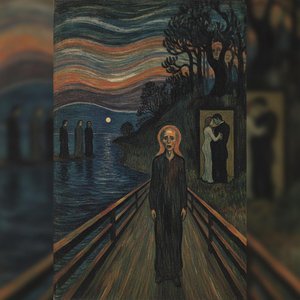
Ensor at his Easel
Reprodukcijos matmenys
James Ensor (1860–1949), a Belgian painter who irrevocably altered the course of Expressionism, remains an artist whose work continues to provoke contemplation and fascination. “Ensor at His Easel,” completed in 1886, exemplifies his distinctive approach—a masterful blend of observation and psychological insight—that distinguishes him from many of his contemporaries.
The painting depicts Ensor himself seated before an easel, illuminated by a warm afternoon sun, alongside a canvas bearing the unmistakable imprint of his artistic endeavors. This seemingly simple composition belies a profound depth of meaning, reflecting Ensor’s preoccupation with themes of mortality and artistic creation—themes that permeate much of his oeuvre.
Ensor's style is undeniably Expressionist, prioritizing emotional intensity over realistic representation. Thick brushstrokes dominate the canvas, conveying a palpable sense of movement and energy. The artist employs bold colors—primarily reds, yellows, and oranges—to heighten the dramatic effect, mirroring the turbulent inner landscape he sought to capture.
Technically proficient, Ensor utilized oil paints on canvas with meticulous attention to detail. However, his primary aim wasn’t merely accurate depiction; it was to communicate feeling directly to the viewer. The layering of paint creates a textured surface that contributes to the painting's unsettling atmosphere—a deliberate choice designed to unsettle and provoke.
Created during the late 1880s, “Ensor at His Easel” aligns perfectly with the burgeoning Expressionist movement. Artists like Edvard Munch and Vincent van Gogh were similarly driven by a desire to express inner turmoil and confront existential anxieties—a reaction against the prevailing optimism of Impressionism.
Furthermore, Ensor’s work echoes the influence of Paul Cézanne, who championed “art for art’s sake,” rejecting academic conventions in favor of pursuing artistic truth through innovative formal experimentation. Like Cézanne, Ensor prioritized conveying emotion over adhering to traditional aesthetic standards.
The painting is laden with symbolic significance. The artist’s gaze—direct yet melancholic—suggests a confrontation with his own mortality. Alongside the easel and canvas, Ensor included a book, symbolizing knowledge and contemplation—elements that underscore the importance of artistic introspection.
As seen in other portraits by Ensor, such as “Ensor with Masks,” he frequently depicted himself wearing masks—a recurring motif reflecting his fascination with concealment and illusion. This visual language reinforces the painting’s overarching theme: a portrayal of an artist grappling with the anxieties inherent in confronting existence itself.
James Ensor’s artistic vision continues to resonate today, inspiring artists and collectors alike. His unflinching exploration of psychological complexity—coupled with his masterful technique—solidifies his position as one of the most influential figures in Belgian art history.
Kūrinį „Ensor at his Easel“ sukūrė James Ensor. Darbas katalogizuojamas James Ensor vardu.
„Ensor at his Easel“ – James Ensor temos apima artist, portrait, carnival, masks, painting, belgium, expressionism. Kartu jie apibendrina šio kūrinio tematiką.
„Ensor at his Easel“ linksta į Golden Yellow Range atspalvį.

James Ensoras gimė 1860 m. balandžio 13 d. Ostende, Belgijoje. Jo tapatybę lemė ypatingas kultūrų susiliejimas: jo tėvas, James Frederic Ensor, gimė Briuselyje angliškos šeimos, o motina, Maria Catherina Haegheman, buvo belgė. Ši dviseklė kilmė suteikė pagrindą požiūriui, kuris dažnai išsivykdavo už siaurų vietinės tradicijos ribų. Augdamas, menininkas gyveno Ostende, tėvų valdomiame suvenyrų parduotuvėje. Ši aplinka buvo ne tik gyvenamoji erdvė, bet ir keistų bei dekoratyvinių daiktų saugla. Parduotuvė buvo pilna rakhčių, karnavalinių masek ir keistų daiktų, kurie suteikė vizualinį žodyną jo vėliavesniam kūrybos veiklui.
Jo oficialus meninis išsilavinimas buvo bandymų ir klaidų procesas. Prieš įstojęs į griežtą akademijos aplinką, jis pradėjo savo meninę mokslą mokantis dirbdamas su dviem vietiniais dailininkais. Šis ankstyvasis mokymas suteikė techninį pagrindą, kurį jis vėliau pradėjo manipuliuoti ir iškraipyti. 1877–1880 m. jis studijavo Briuselio Karališkoje dailės akademijoje. Net ir šių akademinių sienų viduje jo interesai išliko skirtingi griežtoms institucijos reikalavimams. Jis nebuvo status quo šalininkas; jis buvo aplinkinių daiktų, kurie jį lydėjo Ostende, mokinys.
Ankstyvoje kūrybos darbuose James Ensoras dar nesidavė tuo psichologiniu šiurkšniu įtampu, kuris apibūdina jo brandų kūrybos etapą. Tokiuose paveiksluose kaip Rusų muzika (1881) ir Girtukai (1883), jis kūrė remdamasis tamsiu, realizmu pasižyminčiu rėminiu. Šios kompozicijos gryniausia remtasi pristabdintais tonais ir tradiciniu kasdienybės vaizdavimu. Jos atskleidžia menininką, kuris dar buvo glaudžiai susiamatęs su realizmo gravitacija, kol jo vizualinė kalba nepasiekė radikalaus lūžio. Galiausiai jis atsisakė šios savireguliacijos ir pasirinko paletę, kuri tapo pastebimai ryškia, o tema – vis keistesnė ir keivesnė.
Pokytis link groteskos buvo lemtytas specifikos, sklandžios nei maskos, meilės. Jį traukė plastiškos formos ir intensyvios spalvos, kurias jis stebėjo šeimos suvenyrų parduotuvėje rasti karnavalinių masekų pavyzdžiai. Šie objektai nebuvo tik paprasti reikmenės; jie tapo jo estetiškos vizijos šerdimi. Ensoras įterpė jas į savo stillius, kad suteiktų scenoms teatralumo ir sutrikdytų kasdienio buities ramybę. Šis žingsmas link irracionalumo leido jam išlipti už paprasto vaizdavimo ribų ir įstiepti į psichologinės įtampos erdvę.
James Ensoras susidomėjimas kaukėmis ir grotesku suteikia tiesiogią ryšį su moderniosios erdos psichologinėmis įtampomis. Skandalizuotos kaukės (1883) kūryboje jis išreiškė ankstyvą susižavėjimą paslėpties galia, pasinaudodamas karnavališku motyvu, kad nuplenčiau socialinius iš মুখোjimus. Šis susižavėjimas teatrališkumu ir neramumu nebuvo tik stiliaus pasirinkimas, o metodas tyrinėti tapatybę. Jo 1882 m. darbas Osterių valgytoja (angl. The Oyster Eater) demonstruoja kitokią jo gebėjimą dirbti su šviesa ir spalvomis, vaizduodamas jo seserį Mitche scenoje, kuri iššantausi konservatyvias Antverpio salonų jautrumas. Šio paveikslio atmetimas iš oficialių institucijų pabrėžia šiurkštų trintį tarp jo vizijos ir griežtų to laiko normų.
Dailininko kreipimasis link agresyvesnių, ekspresyvesnių formų labiausiai pasireiškia jo monumentalųose kompozicijose. Kristaus įžengimas į Briuselį (1888-1889) veikia kaip XX a. ekspresionizmo priešduofė, pasinaudodama chaotišku, ryškiai spalvintu groteskiškų figūrų procesiju, kad parodizuotų modernųją visuomenę. Esminės kovos pojūdis dar labiau išsiskveria Veržčių žmogui (angl. The Man of Sorrows) (1891) aliejuje, kuriame Kristaus kančia susipina su sukrėbiančia japonų Noh teatro kaukės vaizdinyste. Tokie darbai atskleidžia žmogų, naudojantį religinius ir alegoriškus motyvus, kad išreiktų gilią frustraciją dėl žmonių elgesio ir visuomenės abjaivumo.
Mirtis ir egzistencijos absurdas išlieka jo kūrybos pagrindais. Skeletai, besipeilkančijie dėl paklaudoto žmogaus (1891) naudoja skeletines figūras, kad žiūrovą sužvelgtų į lūžį ir mirties realybę. Šios nuolatos pasikartojančios griekimo, pagavos ir išorės trapumo temos užtikrina, kad jo kūryba išlieka galingu studijų objektu. Gebėjimas sintezuoti šias tamsias, dažnai nepatogias tiesas į vientisą vizualinę kalbą yra tai, kas apibrėžia jo indėlį į perėjimą link modernizmo.
James Ensoras buvimas svarbiausiuose tarptautiniuose kolekcijose patvirtina jo neištrinkinamą įtaką modernizmo vystymui. Antverpije, Karališkasis gražiausioji dailės muziejus, saugo du jo reikšmingus šedevrus: „Sielos skausmai“ bei „Oyzterio valgytoja“. Šie darbai demonstruoja technikinį platoškumą menininko, kuris gebėjo sklandžiai perbėgti nuo religinės įtampos iki kasdienių, buitinių scenų. Jo įtampa persikeičia per Atlantą, kur Niujorko Modernos dailės muziejus saugo Šventojo Antano kankybių paveikslą. Šis kūrinys išlieka pagrindiniu jo stiliaus pokyčio į keistumą ir psichologinę gylį pavyzdžiu.
Jo vaizdinė menė yra globalaus masto. Los Andželyane, Getty Center pristato Kristaus įžengimą į Briuselį – milžinišką kompoziciją, kurioje įamžinta jo aštriiausia socialinė kritika. Tuo tarpu Fort Worth, Kimbell meno muziejus, saugo Šešulių saviškas šildymą. Šios išsklaidusios vietos užtikrina, kad jo vizualinė kalba, apibrėžta atmetimu akademinėms normoms, išlieka prieinama įvairiai mokslininkų ir meno stebėtojų auditorijai.

1860 - 1949 , Belgija

Explore the profound psychological depth of Expressionist portraiture. From Munch to Schiele, discover how distorted forms and visceral brushstrokes unmask raw human emotion in this definitive guide for art enthusiasts and collectors.

Immerse yourself in the profound emotion of Rogier van der Weyden. Explore 25 iconic Early Netherlandish masterpieces, from intricate textures to divine pathos. Find inspiration for museum-quality art reproductions and decor. Discover all masterpieces on WahooArt.com.
Journey through the raw emotion of Expressionism with our curated guide to Edvard Munch's top 25 masterpieces. Explore the stories behind his most iconic works and find museum-quality art reproductions for your collection. Discover all masterpieces on WahooArt.com.
 Peržiūrėti realaus dydžio版
 Pasidalinti
 Dalintis
 Išsamiau
 Vadovas

 Atsisiųsti
 Panašūs eksponatai
 Rentgeno spindulių nuotrauka
 Automatinė diorama
 问答
问答
 Statistika

 Skaityti daugiau






































 Stiklo variantas prieinamas tik pasirinkus dydį iki 110 cm


