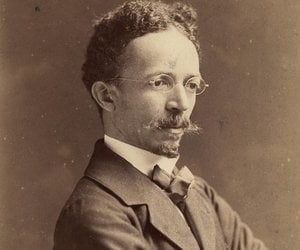
Gyvenimo Pradžia ir Šeimos Įtaka
Henry Ossawa Tanner gimė 1859 metų birželio 21 dieną Pitsburge, Pensilvanijoje, šeimoje, giliai įsitvirtinusioje tikėjime ir aktyvizme. Jo tėvas, reverendas Benjaminas Takeris, buvo žymus Afrikos metodistų episkopalinės bažnyčios veikėjas, o motina, Sara Elizabeta Tanner, saugojo pasakojimus apie pabėgimą nuo vergijos per požeminį geležinkelį. Ši palikimas įskiepijo jaunajam Henrį gilų identiteto ir tikslo jausmą, kuris persiskyrė visoje jo meninėje vizijoje. Nuo ankstyvos jaunystės jis parodė didelį susidomėjimą menu, puoselėjamą vietinių tapytojų stebėjimo ir skatinimą, nepaisant to meto Afrikų Amerikiečių menininkams keliamų visuomenės barjerų. Šeimos persikėlimas į Filadelfiją buvo lemtingas – jis atvėrė duris gyvybingam kultūriniam kraštovaizdžiui ir padėjo pagrindą formaliam mokymui Pensilvanijos meno akademijoje 1879 metais. Ten, po Tomo Eikinso globojimais – revoliucinės figūros, propaguojančios realizmą ir anatomijos studijas – Tanneras tobulino savo techninius įgūdžius ir ugdė tvirtą įsipareigojimą užfiksuoti tiesą ant drobės. Tačiau net akademijos sienose jis susidūrė su išankstine nuostata, nuolatinis priminimas apie ateityje laukiančius iššūkius.
Paryžiaus Atsivertimas: Rado Balsą ir Pripažinimą
Lūžio momentas įvyko 1891 metais, kai Tanneris leidosi kelione į Paryžių, iš pradžių planuodamas jį kaip trampliną tolesnėms studijoms Romoje. Tačiau Prancūzijos sostinės žavesys pasirodė nenuslankomas. Jis įstojo į Académie Julian, panardindamasis į miesto klestinčią meno bendruomenę ir įsisavinant prancūziškojo akademinio meno bei besiformuojančio impresionizmo įtakas. Būtent Paryžiuje Tanneris išties rado savo balsą, išlaisvindamas save nuo kai kurių rasinės diskriminacijos apribojimų namuose. Jo darbai ėmė rezonuoti su Europos publika, žymimi savito realizmo, praturtinto dvasiniu gylumu. Priimimas
Danieliaus Liūtų Urve į prestižinę 1896 metų Saloną buvo vandens ženklas – skambus patvirtinimas jo talento ir proveržis Afrikų Amerikiečių menininkui tarptautinėje scenoje. Ši sėkmė atvėrė duris tolesnėms parodoms ir užsakymams, įtvirtindama Tannerį gerbiamu Paryžiaus meno ratuose. Jis ne tik išgyveno; jis klestėjo, keldamas lūkesčius ir ruošdamas kelią ateities kartoms.
Tikėjimo ir Žmogiškumo Temos: Unikali Meninė Vizija
Tannerio kūryboje pasižymi įtraukus realizmo, religinės simbolikos ir intimaus žmogiškojo patyrimo sąveika. Nors ankstyvieji darbai, tokie kaip
Banjo Pamoka (1893), siūlė orius Afrikų Amerikiečių gyvenimo vaizdus – ryškus kontrastas su to meto vyraujančiomis karikatūromis – jis vis dažniau kreipdavosi į biblinius pasakojimus kaip priemonę tyrinėti universalias tikėjimo, kančios ir atpirkimo temas. Paveikslai, tokie kaip
Kristus Einantis Vandeniu,
Lazarės Prisikėlimas ir
Geras Ganytojas yra ne tik šventraščio iliustracijos; tai gilūs apmąstymai apie dvasingumą, perteikti meistrišku šviesos, kompozicijos ir emocinio niuanso valdymu. Jis dažnai įkvėpdavo savo religines scenas ramybės kontempliacija, vaizduodamas Kristų kaip giliai žmogišką figūrą, o ne atitolusį dievybę. Šis požiūris rezonavo su publika, ieškančia paguodos ir prasmės greitai besikeičiančiame pasaulyje. Be biblinių temų, Tanneris tyrė kraštovaizdžius ir panoramines perspektyvas – pavyzdžiui, apimantį
Versalio rūmų ir sodų panoramą – pademonstruodamas savo universalumą ir techninį meistriškumą.
Palikimas ir Tvarus Poveikis: Sutrupindamas Barjerus ir Įkvėpdamas Kartas
Henry Ossawa Tanner stovi kaip monumentali figūra Amerikos meno istorijoje, ne tik dėl savo meninių pasiekimų, bet ir dėl pionieriaus vaidmens griovant rasinius barjerus. Jis buvo pirmasis Afrikų Amerikiečių tapytojas, sulaukęs plataus tarptautinio pripažinimo, keldamas stereotipus ir atverdamas duris daugybei po jo sekusių menininkų. Jo sėkmė paneigė lūkesčius ir įrodė, kad talentui nėra spalvos. Tannerio įtaka apima meno sritį; jis tapo vilties ir atsparumo simboliu Afrikų Amerikiečių bendruomenei, įrodydamas, kad puikumas gali nugalėti priešiškumą. 1923 metais Prancūzijos vyriausybė pagerbė jį Garbės legiono riterio ordinu, o 1927 metais jis tapo Nacionalinės meno dizaino akademijos pilnateisiu nariu – tolesni jo meninio statuso įrodymai. Nors didžiąją karjeros dalį jis liko emigrantas, Tanneris niekada nepamiršo savo šaknų, tęsė agitaciją už lygybę ir įkvėpė pokyčius per savo meną. Jis mirė Paryžiuje 1937 metais, palikęs palikimą, kuris ir šiandien apšviečia ir suteikia galių menininkams. Jo darbai išlieka galinga priminimas apie transformuojančią meno galią ir nesibaigiantį žmogiškąjį dvasią.
Žymiausi Darbai
- Banjo Pamoka (1893): Jautrus Afrikų Amerikiečių gyvenimo vaizdas, demonstruojantis orumą ir įgūdžius.
- Danieliaus Liūtų Urve (1896): Paveikslas, kuris pakėlė Tannerį į tarptautinį pripažinimą.
- Lazarės Prisikėlimas (1897): Meistriškas tikėjimo ir atpirkimo tyrinėjimas, garsėjantis dramatiška šviesa.
- Apsireiškimas (1898): Unikalus biblinės scenos interpretavimas, įkvėptas ramybės kontempliacijos.
- Kristus Einantis Vandeniu (apie 1910): Galingas ir jaudinantis svarbaus krikščioniškų šventraščių momento vaizdas.



 Peržiūrėti realaus dydžio版
 Perjungti į spausdinimą
 Siųsti
 Dalintis
 Išsamiau
 Gidas
Gidas

 Atsisiųsti
 Panašūs eksponatai
 Rentgeno spindulių nuotrauka
 Diaporama
 Statistika

 Rodyti daugiau






































 Stiklo variantas prieinamas tik pasirinkus dydį iki 110 cm