Peržiūrėti realaus dydžio版 Peržiūrėti AR realybėje Pirkti rankomis tapytą reprodukciją Perejti prie skaitmeninių vaizdų Siųsti
Išsamiau Vadovas Pridėti į mėgstamiausius Atsisiųsti Panašūs eksponatai Rentgeno spindulių nuotrauka Diaporama Statistika

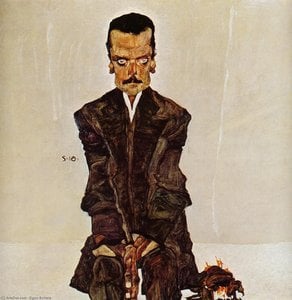
untitled (3554)

Egon Šylė – Austrių ekspresionizmo dailininkas. Žiūrėkite į jo reikšmę Vienoje ir pasaulyje! Ekspresionistinio meno srovės atstovas, žinomas dėl savo psichologinės gilumo ir išraiškos.

Giclée / Meno spausdinimas

Muziejų lygio „giclée“ arba drobos spausdinimas: greita gamyba ir lankstios apdailos parinktys. ( Pirkti rankomis tapytą reprodukciją Perejti prie skaitmeninių vaizdų)

Corner sample of the P118B picture frame: lieto polistirolo, 5 cm wide and 3 cm thick
P118B €10
Corner sample of the P118H picture frame: lieto polistirolo, 5 cm wide and 3 cm thick
P118H €10
Corner sample of the P118W picture frame: lieto polistirolo, 5 cm wide and 3 cm thick
P118W €10
Corner sample of the P438Z picture frame: lieto polistirolo, 5.5 cm wide and 3.5 cm thick
P438Z €10
Corner sample of the P508JH picture frame: lieto polistirolo, 7 cm wide and 3.5 cm thick
P508JH €12
Corner sample of the P508YH picture frame: lieto polistirolo, 7 cm wide and 3.5 cm thick
P508YH €12
Corner sample of the P805H picture frame: lieto polistirolo, 5 cm wide and 3.5 cm thick
P805H €10
Corner sample of the P805Z picture frame: lieto polistirolo, 5 cm wide and 3.5 cm thick
P805Z €10
Corner sample of the P919BZ picture frame: lieto polistirolo, 7 cm wide and 3.5 cm thick
P919BZ €10
Corner sample of the P919G picture frame: lieto polistirolo, 7 cm wide and 3.5 cm thick
P919G €10
Corner sample of the P919XJ picture frame: lieto polistirolo, 7 cm wide and 3.5 cm thick
P919XJ €10
Corner sample of the P959ZH picture frame: lieto polistirolo, 5 cm wide and 3 cm thick
P959ZH €10
Corner sample of the P968JZ picture frame: lieto polistirolo, 6 cm wide and 4 cm thick
P968JZ €12
Corner sample of the W106C picture frame: solidus medžio, 5 cm wide and 3 cm thick
W106C €8
Corner sample of the W218G picture frame: solidus medžio, 5 cm wide and 3 cm thick
W218G €10
Corner sample of the W218JH picture frame: solidus medžio, 5 cm wide and 3 cm thick
W218JH €8
Corner sample of the W218Y picture frame: solidus medžio, 5 cm wide and 3 cm thick
W218Y €10
Corner sample of the W307PJ picture frame: solidus medžio, 6 cm wide and 3 cm thick
W307PJ €10
Corner sample of the W316G picture frame: solidus medžio, 6 cm wide and 3 cm thick
W316G €10
Corner sample of the W316PJ picture frame: solidus medžio, 6 cm wide and 3 cm thick
W316PJ €8
Corner sample of the W316Y picture frame: solidus medžio, 6 cm wide and 3 cm thick
W316Y €10
Corner sample of the W398PJ picture frame: solidus medžio, 5 cm wide and 3 cm thick
W398PJ €8
Corner sample of the W4111J picture frame: solidus medžio, 6.5 cm wide and 3.5 cm thick
W4111J €10
Corner sample of the W500HY picture frame: solidus medžio, 7 cm wide and 5 cm thick
W500HY €15
Corner sample of the W500JH picture frame: solidus medžio, 7 cm wide and 5 cm thick
W500JH €15
Corner sample of the W692G picture frame: solidus medžio, 8 cm wide and 4 cm thick
W692G €12
Corner sample of the W849H picture frame: solidus medžio, 5 cm wide and 3 cm thick
W849H €8
Corner sample of the W940BG picture frame: solidus medžio, 7.5 cm wide and 4.5 cm thick
W940BG €15
Corner sample of the W953PJ picture frame: solidus medžio, 6 cm wide and 3.5 cm thick
W953PJ €8

Standartinis
individualaus dydžio
CM
INCH

Pasirinkite iš mūsų nustatytų dydžių, atitinkančių originalaus meno kūrinio proporcijas.

plotis
aukštis

Įveskite jums reikiamą plotį ir aukštį, kad atvaizdas derėtų prie jūsų rėmo ar sienos. Spausdiną galima tik sumažinti, bet nepadidinti virš originalaus paveikslėlio dydžio, todėl keičiant proporcijas, dalis vaizdo prarandama. Prieš spausdinimą atsiųsime jums skaitmeninį maketą patvirtinimui. Šioje puslapio nuotraukoje matomas pjūvis nėra tikslus – jį rodo tik maketas.

Pristatymas visame pasaulyje () per 2 weeks, o ne įprastas 4/5 savaičių laikotarpis. (26 spalis)

Nemokamas greitasis pristatymas visame pasaulyje
Aukštos kokybės lininis drobė
Pilnas siuntimo draudimas
Muitinės mokesčių grąžinimo garantija
Tikro spalvų atitikimo garantija
100 dienų grąžinimo politika (tik esant įtaigoms)
100% pinigų grąžinimo garantija
Nuolaida dideliems užsakymams

Bendroji kaina

€ 60

untitled (3554)

Giclée / Meno spausdinimas

Reprodukcijos dydis

-

Visų pasirinktų variantų kaina

€ 60

Pagrindinė informacija

  • Artistic style: Psychological Expressionism
  • Medium: Oil on canvas
  • Movement: Expressionism
  • Artist: Egon Schiele

A Portrait of Vulnerability: Decoding Egon Schiele’s Untitled (3554)

Egon Schiele's "Untitled (3554)" stands as a haunting testament to the anxieties and passions simmering beneath the surface of early 20th-century Expressionism. Painted in 1916, during the tumultuous period of World War I, this striking nude portrait transcends mere depiction; it delves into the psychological complexities of human experience—a preoccupation that would define Schiele’s oeuvre throughout his tragically short life. The artwork's raw immediacy and unsettling beauty continue to captivate audiences today, prompting contemplation on themes of mortality, desire, and the precariousness of existence.

Subject Matter & Composition

The central figure is a woman posed in an almost fetal position, her arms outstretched upwards as if embracing the heavens or attempting to ward off impending doom. Her body is rendered in bold reds and blues—a deliberate chromatic choice that amplifies the emotional intensity of the scene. Above her head hover two umbrellas, positioned symmetrically on either side of the canvas. These seemingly simple objects serve as a powerful visual device, symbolizing protection against external forces while simultaneously emphasizing the woman’s vulnerability. The composition is deliberately unbalanced, mirroring the instability and uncertainty prevalent during wartime—a characteristic stylistic element of Schiele's work.

Stylistic Characteristics & Technique

Schiele’s signature style is instantly recognizable through his distinctive use of line – thick, agitated strokes that convey movement and emotion rather than precise anatomical representation. This technique aligns perfectly with Expressionist principles, prioritizing subjective feeling over objective observation. The artist employs a masterful blend of hatching and cross-hatching to sculpt the woman's form, creating an illusion of depth and texture that enhances the artwork’s dramatic impact. Schiele’s meticulous attention to detail—particularly in capturing the subtle nuances of skin tone—contrasts sharply with his disregard for idealized beauty, reflecting a rejection of academic conventions and embracing instead a visceral engagement with human anatomy.

Historical Context & Symbolism

“Untitled (3554)” emerged from a period marked by profound social upheaval and psychological distress. Schiele’s personal life was fraught with hardship—his father succumbed to syphilis shortly after his birth, leaving him under the care of an uncle who disapproved of his artistic pursuits. The pervasive fear of death during the war undoubtedly influenced Schiele's artistic vision, as evidenced in numerous other works exploring themes of mortality and decay. The woman’s outstretched arms can be interpreted as a gesture of defiance against fate—a yearning for transcendence amidst suffering—while the umbrellas represent both protection and confinement.

Emotional Impact & Legacy

Schiele’s “Untitled (3554)” is undeniably unsettling, yet profoundly compelling. It confronts viewers with unflinching honesty about human vulnerability and desire, refusing to sanitize or romanticize experience. The artwork's expressive line and bold color palette evoke a palpable sense of anxiety and yearning—a reflection of Schiele’s own psychological struggles. More than just a portrait, it is an exploration of the human condition itself, cementing Schiele’s place as one of the most influential figures in Expressionist art and ensuring that “Untitled (3554)” continues to resonate with audiences worldwide. Its reproductions offer a window into Schiele's artistic genius and invite contemplation on timeless themes of beauty, fear, and resilience.

问答 (or more naturally for a website heading): Klausimai ir atsakymai

Ar studentams skirtas informacinis lapelis apie „untitled (3554)“, autorius – Egon Šylė yra prieinamas?

Dėl „untitled (3554)“, autorius – Egon Šylė yra prieinama Gidas puslapio: spausdinamas informacinis lapelis apie kūrinį, skirtas studentams ir mokomajamiam procesui klasėje.

Ar Egon Šylė kūrinys „untitled (3554)“ yra viešosios nuoslegos, ir kodėl?

„untitled (3554)“, autorius – Egon Šylė yra pripa принадле belongs to the public domain – jo autorinė teisė pasibaigusi. Autorinės teisės galioja nuo mirties metų, kai šis kūrėjas mirė 1918 m.

Kokia paletė ir pagrindinė spalva apibrėžė „untitled (3554)“?

„untitled (3554)“, autorius – Egon Šylė spalvų identitetas: Neutrals paletė, kurioje dominuoja Rosy Brown (#c5aa83).


Autoriaus biografija

Egon Schiele

Austrijos pozicija dviejų pasaulinio karo horizonte buvo labai abejojanti: vienu metu ji buvo šiek tiek iš Šiaurės į rytus, lengvai įsitikinusi veiksmų vyrai. Mažėjęs šalis po 1918 m., beveik visiškai neišplitusi tarptautiniu pasauliu buvo lengvai įvykdinta Hitlerio Reichui 1938 m.; meno srityje tai reiškė kad modernizmo istorija buvo išvykstanti nuo Šiaurės iki pietų, su pagrindiniu dėmesiu į formą. Vokelių šiek tiek pripažino ekspresionizmą kaip svarbų meno srovę; jis buvo vienas iš žymiausius austrių artistas XX amžiaus pradžioje – kartu su Gustavu Klimtu ir Oskar Kokoschka išvykę į Vieną buvo laikomas vienu iš Žyduvo šimtmečio svarbiausių vizualinių menininkų.

Gyvenimas

Egonas Šylė gimė 1890 m. vasario 3 d. Tulne, Austrijoje. Jo tėvas Adolfas Šylė buvo Tulno geležinkelio stoties direktorius ir gimė 1851 m. Vienoje Adolfo Šyly tevai turėjo tris jaunesnes seseris: Elvirą, Melaniją ir Gertrūdą. Elvira mirė vaikyste dėl gimtinių sifiliso. Jo tėvas buvo užsikrėtęs sifiliu įsimėlynėje savo jaunystės metais po vienos jo naujosios žmonos išėjimo iš kambario.

Meno vystymasis

Šylė mokytojo Christian Griepenkerl įtaką išgyveno Vienoje 1907 m. ir G. Klimtas tapo jo svarbiu rėmėju. Šylė paliko akademiją 1906 m., nes jos mokymo metodai buvo labai konservatyvus, ir įkūrė Naują austrių dailės grupę 1909 m. Grupėje vyravo ekspresionistinė estetika, kuri iššūkiant šiuolaikinėms kultūros normas.

Žymūs kūriniai

Šylė buvo vienas iš žymiausius austrių artistas XX amžiaus pradžioje – kartu su Gustavu Klimtu ir Oskar Kokoschka išvykę į Vieną buvo laikomas vienu iš Žyduvo šimtmečio svarbiausių vizualinių menininkų. Šylė buvo ekspresionizmo meno srovės atstovas.

Žymūs veiksniai

Šylė buvo žinomas dėl savo iššūkiantį įžiūrą į pasaulio problemas ir šiuolaikinę estetika, kuri iššūkiant šiuolaikinėms kultūros normas. Šylė buvo ekspresionizmo meno srovės atstovas.

Egon Šylė

Egon Šylė

1890 - 1918 , Austrija

Trumpa informacija apie kūrėją

  • Artistic Movement Or Style: Ekspresionizmas
  • Artists Who Influenced This Artist: ['Gustavas Klimtas']
  • Date Of Birth: 1890 m.
  • Date Of Death: 1918 m.
  • Full Name: Egon Schiele
  • Nationality: Austras
  • Notable Artworks:
    • Savęs portretas su fizižalis
    • Porą įemčianti
    • Žemės apėjimų kraštovaizdis
  • Place Of Birth: Tulnas, Austrija
Tyrinėkite meno kūrinius, suskirstytus pagal temas, stilius ir savybes.