Peržiūrėti realaus dydžio版 Peržiūrėti AR realybėje Perjungti į spausdinimą Perejti prie skaitmeninių vaizdų Siųsti
Išsamiau Vadovas Pridėti į mėgstamiausius Atsisiųsti Panašūs eksponatai Rentgeno spindulių nuotrauka Diaporama Statistika

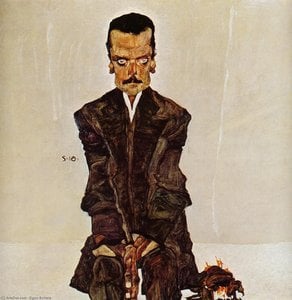
Man Bending Down Deeply

Egon Šylė – Austrių ekspresionizmo dailininkas. Žiūrėkite į jo reikšmę Vienoje ir pasaulyje! Ekspresionistinio meno srovės atstovas, žinomas dėl savo psichologinės gilumo ir išraiškos.

Rankų darbo aliejinės reprodukcijos

Rankiniu būdu tapytas aliejus ant droblio jūsų pageidaujamame dydį ir rėmuose – mūsų menininkų darbas pagal užsakymą. ( Perjungti į spausdinimą Perejti prie skaitmeninių vaizdų)

Corner sample of the P118B picture frame: lieto polistirolo, 5 cm wide and 3 cm thick
P118B €10
Corner sample of the P118H picture frame: lieto polistirolo, 5 cm wide and 3 cm thick
P118H €10
Corner sample of the P118W picture frame: lieto polistirolo, 5 cm wide and 3 cm thick
P118W €10
Corner sample of the P438Z picture frame: lieto polistirolo, 5.5 cm wide and 3.5 cm thick
P438Z €10
Corner sample of the P508JH picture frame: lieto polistirolo, 7 cm wide and 3.5 cm thick
P508JH €12
Corner sample of the P508YH picture frame: lieto polistirolo, 7 cm wide and 3.5 cm thick
P508YH €12
Corner sample of the P805H picture frame: lieto polistirolo, 5 cm wide and 3.5 cm thick
P805H €10
Corner sample of the P805Z picture frame: lieto polistirolo, 5 cm wide and 3.5 cm thick
P805Z €10
Corner sample of the P919BZ picture frame: lieto polistirolo, 7 cm wide and 3.5 cm thick
P919BZ €10
Corner sample of the P919G picture frame: lieto polistirolo, 7 cm wide and 3.5 cm thick
P919G €10
Corner sample of the P919XJ picture frame: lieto polistirolo, 7 cm wide and 3.5 cm thick
P919XJ €10
Corner sample of the P959ZH picture frame: lieto polistirolo, 5 cm wide and 3 cm thick
P959ZH €10
Corner sample of the P968JZ picture frame: lieto polistirolo, 6 cm wide and 4 cm thick
P968JZ €12
Corner sample of the W106C picture frame: solidus medžio, 5 cm wide and 3 cm thick
W106C €8
Corner sample of the W218G picture frame: solidus medžio, 5 cm wide and 3 cm thick
W218G €10
Corner sample of the W218JH picture frame: solidus medžio, 5 cm wide and 3 cm thick
W218JH €8
Corner sample of the W218Y picture frame: solidus medžio, 5 cm wide and 3 cm thick
W218Y €10
Corner sample of the W307PJ picture frame: solidus medžio, 6 cm wide and 3 cm thick
W307PJ €10
Corner sample of the W316G picture frame: solidus medžio, 6 cm wide and 3 cm thick
W316G €10
Corner sample of the W316PJ picture frame: solidus medžio, 6 cm wide and 3 cm thick
W316PJ €8
Corner sample of the W316Y picture frame: solidus medžio, 6 cm wide and 3 cm thick
W316Y €10
Corner sample of the W398PJ picture frame: solidus medžio, 5 cm wide and 3 cm thick
W398PJ €8
Corner sample of the W4111J picture frame: solidus medžio, 6.5 cm wide and 3.5 cm thick
W4111J €10
Corner sample of the W500HY picture frame: solidus medžio, 7 cm wide and 5 cm thick
W500HY €15
Corner sample of the W500JH picture frame: solidus medžio, 7 cm wide and 5 cm thick
W500JH €15
Corner sample of the W692G picture frame: solidus medžio, 8 cm wide and 4 cm thick
W692G €12
Corner sample of the W849H picture frame: solidus medžio, 5 cm wide and 3 cm thick
W849H €8
Corner sample of the W940BG picture frame: solidus medžio, 7.5 cm wide and 4.5 cm thick
W940BG €15
Corner sample of the W953PJ picture frame: solidus medžio, 6 cm wide and 3.5 cm thick
W953PJ €8

Standartinis
individualaus dydžio
CM
INCH

Pasirinkite iš mūsų nustatytų dydžių, atitinkančių originalaus meno kūrinio proporcijas.

plotis
aukštis

Įveskite jums reikiamą plotį ir aukštį, kad paveikslas atitiktų jūsų rėmą ar sieną. Kadangi šis darbas yra rankinio darbo, siekiant išgauti kitokio formos dydį, paveikslas gali būti šiek tiek didesnis (nuo kraštų bus palikta daugiau erdvės) arba mažesnis – pasirinkite jums patogiausią variantą. Prieš pradedant tapyti, atsiųsime jums skaitmeninį maketą patvirtinimui. Šioje puslapio nuotraukoje matomas vaizdas nėra galutinis rezultatas – jį parodys tik sukurtas maketas.

Ką galima pakeisti (pavyzdžiai): Pakeisti veidą į kliento nuotrauką; Pridėti augintinį (pvz., pakeisti katę šunimi); Įtraukti paslėptą žinutę fone; Pakeisti fono kraštovaizdį ar elementus.
Gavus užsakymą, WahooArt.com komanda susisieks su klientu el. paštu dėl instrukcijų ir pateiks maketo pavyzdį

Pristatymas visame pasaulyje () per 3–4 savaites, o ne įprastai – per 5 savaites. (22 spalis). Kokybė lieka nepakeičiama.

Nemokamas greitasis pristatymas visame pasaulyje
Aukštos kokybės lininis drobė
Pilnas siuntimo draudimas
Muitinės mokesčių grąžinimo garantija
Tikro spalvų atitikimo garantija
100 dienų grąžinimo politika (tik esant įtaigoms)
100% pinigų grąžinimo garantija
Nuolaida dideliems užsakymams

Bendroji kaina

€ 239

Man Bending Down Deeply

Reprodukcijos technika

Reprodukcijos dydis

-

Visų pasirinktų variantų kaina

€ 239

Pagrindinė informacija

  • Artistic style: Psychological Expressionism
  • Subject or theme: Human Emotion; Vulnerability
  • Title: Man Bending Down Deeply
  • Influences: Gustav Klimt
  • Location: Private Collection

Man Bending Down Deeply: An Exploration of Expressionist Angst

Egon Schiele’s “Man Bending Down Deeply,” created in 1916, stands as a haunting testament to the anxieties simmering beneath the surface of early 20th-century European consciousness. More than just a depiction of posture, it's a visceral portrayal of psychological torment—a cornerstone of Schiele’s signature Expressionist style and a poignant reflection on mortality.

The painting immediately draws the viewer into a claustrophobic space dominated by the figure of a man. He is positioned centrally against a muted backdrop, his body contorted in an agonizing bend as he presses his hands against his face—a gesture simultaneously defensive and profoundly vulnerable. Schiele’s meticulous attention to detail captures every nuance of muscle tension and skin texture, conveying an overwhelming sense of physical discomfort that transcends mere physicality.

  • Style: Expressionism – Schiele’s work embodies the movement's rejection of academic conventions in favor of subjective emotion and distorted form. He prioritized conveying inner turmoil over objective representation.
  • Technique: Employing oil paint on canvas, Schiele utilized thick impasto—heavy layering of pigment—to sculpt the surface of the painting, creating palpable texture that amplifies the emotional intensity. Lines are jagged and restless, mirroring the artist’s own agitated state of mind.
  • Historical Context: Produced during World War I, “Man Bending Down Deeply” reflects the pervasive fear and disillusionment experienced by artists grappling with the horrors of conflict and the crumbling foundations of societal values. Schiele's preoccupation with death—a recurring motif in his oeuvre—underscores this broader cultural preoccupation.

Symbolically, the man’s posture speaks volumes about existential dread. The downward bend represents a surrender to despair, while the pressed hands symbolize an attempt to shield oneself from overwhelming emotion – fear, grief, perhaps even self-awareness. Schiele deliberately eschews idealized beauty, opting instead for unflinching honesty in portraying human vulnerability.

Beyond its formal qualities, “Man Bending Down Deeply” resonates with a profound emotional impact. It compels the viewer to confront uncomfortable truths about human suffering and the inescapable awareness of our own mortality. Schiele’s masterful execution ensures that this unsettling contemplation remains powerfully present long after viewing the artwork. Reproductions offer an opportunity to experience this arresting vision, capturing the essence of Expressionist art at its most emotionally resonant.

Consider commissioning a high-quality reproduction from WahooArt.com to bring Schiele’s evocative depiction into your home or studio – allowing you to appreciate the artist's genius and contemplate the enduring themes explored within this unforgettable masterpiece.

问答 (or more naturally for a website heading): Klausimai ir atsakymai

Kaip kūrinys „Man Bending Down Deeply“ dera su Egon Šylė temomis ir stiliumi?

„Man Bending Down Deeply“ priklauso Egon Šylė Expressionism kūrybai, kurios įrašytoms temoms priskiriamas vienna expressionism, mortality anxiety, psychological portraiture, human vulnerability, schiele legacy.

Kiek intensyvios yra spalvos kūryboje „Man Bending Down Deeply“, autorius – Egon Šylė?

Šiame paveikslėlyje „„Man Bending Down Deeply“, autorius – Egon Šylė“ spalvų intensyvumas yra Balanced.

Ar galiu peržiūrėti „Man Bending Down Deeply“, autorius – Egon Šylė prieš užsakant?

Prežiūrėti „Man Bending Down Deeply“, autorius – Egon Šylė galima puslapio Peržiūra kūrinio peržiūros puslapyje.


Autoriaus biografija

Egon Schiele

Austrijos pozicija dviejų pasaulinio karo horizonte buvo labai abejojanti: vienu metu ji buvo šiek tiek iš Šiaurės į rytus, lengvai įsitikinusi veiksmų vyrai. Mažėjęs šalis po 1918 m., beveik visiškai neišplitusi tarptautiniu pasauliu buvo lengvai įvykdinta Hitlerio Reichui 1938 m.; meno srityje tai reiškė kad modernizmo istorija buvo išvykstanti nuo Šiaurės iki pietų, su pagrindiniu dėmesiu į formą. Vokelių šiek tiek pripažino ekspresionizmą kaip svarbų meno srovę; jis buvo vienas iš žymiausius austrių artistas XX amžiaus pradžioje – kartu su Gustavu Klimtu ir Oskar Kokoschka išvykę į Vieną buvo laikomas vienu iš Žyduvo šimtmečio svarbiausių vizualinių menininkų.

Gyvenimas

Egonas Šylė gimė 1890 m. vasario 3 d. Tulne, Austrijoje. Jo tėvas Adolfas Šylė buvo Tulno geležinkelio stoties direktorius ir gimė 1851 m. Vienoje Adolfo Šyly tevai turėjo tris jaunesnes seseris: Elvirą, Melaniją ir Gertrūdą. Elvira mirė vaikyste dėl gimtinių sifiliso. Jo tėvas buvo užsikrėtęs sifiliu įsimėlynėje savo jaunystės metais po vienos jo naujosios žmonos išėjimo iš kambario.

Meno vystymasis

Šylė mokytojo Christian Griepenkerl įtaką išgyveno Vienoje 1907 m. ir G. Klimtas tapo jo svarbiu rėmėju. Šylė paliko akademiją 1906 m., nes jos mokymo metodai buvo labai konservatyvus, ir įkūrė Naują austrių dailės grupę 1909 m. Grupėje vyravo ekspresionistinė estetika, kuri iššūkiant šiuolaikinėms kultūros normas.

Žymūs kūriniai

Šylė buvo vienas iš žymiausius austrių artistas XX amžiaus pradžioje – kartu su Gustavu Klimtu ir Oskar Kokoschka išvykę į Vieną buvo laikomas vienu iš Žyduvo šimtmečio svarbiausių vizualinių menininkų. Šylė buvo ekspresionizmo meno srovės atstovas.

Žymūs veiksniai

Šylė buvo žinomas dėl savo iššūkiantį įžiūrą į pasaulio problemas ir šiuolaikinę estetika, kuri iššūkiant šiuolaikinėms kultūros normas. Šylė buvo ekspresionizmo meno srovės atstovas.

Egon Šylė

Egon Šylė

1890 - 1918 , Austrija

Trumpa informacija apie kūrėją

  • Artistic Movement Or Style: Ekspresionizmas
  • Artists Who Influenced This Artist: ['Gustavas Klimtas']
  • Date Of Birth: 1890 m.
  • Date Of Death: 1918 m.
  • Full Name: Egon Schiele
  • Nationality: Austras
  • Notable Artworks:
    • Savęs portretas su fizižalis
    • Porą įemčianti
    • Žemės apėjimų kraštovaizdis
  • Place Of Birth: Tulnas, Austrija
Tyrinėkite meno kūrinius, suskirstytus pagal temas, stilius ir savybes.