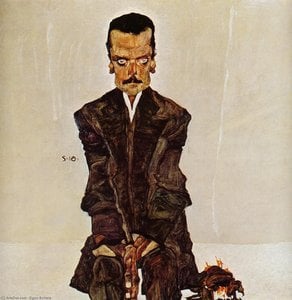
Muziejų lygio „giclée“ arba drobos spausdinimas: greita gamyba ir lankstios apdailos parinktys. ( Pirkti rankomis tapytą paveikslą Pirkti vaizdą)





























Pasirinkite iš mūsų nustatytų dydžių, atitinkančių originalaus meno kūrinio proporcijas.

Galite nurodyti savo matmenis, kad vaizdas atitiktų konkretų rėmą ar erdvę. Jei pasirinktas dydis nesutaps su originalaus paveikslėlio proporcijomis, mes arba apkirpsime kūrinį, arba išplėsime vaizdą naudojant veideliu atspindėtą arba vientisą šoną. Skaitmeninis maketas bus išsiųstas jums patvirtinti prieš pradedant gamybą.
Atkreipkite dėmesį, kad ekrane matomas vaizdinys neatspindi tikrojo apkirpimo ar išplėtimo. Tik maketas tiksliai parodytų galutinę kompoziciją.
Nors galima rinktis ir individualius dydžius, rekomenduojame pasirinkti vieną iš išanksti nustatytų matmenų, kad būtų išlaikytos originalios proporcijos.
Pristatymas visame pasaulyje () per 2 weeks, o ne įprastas 4/5 savaičių laikotarpis. (7 rugsėjis)


Trieste Fishing Boat
Reprodukcijos matmenys
In the vast landscape of early twentieth-century modernism, few works capture the delicate tension between external reality and internal turmoil as poignantly as Egon Schiele’s 1912 masterpiece, Trieste Fishing Boat. As a titan of Austrian Expressionism, Schiele possessed an unparalleled ability to peer beneath the surface of the visible world to reveal the raw, often unsettling psychological truths beneath. In this particular work, we encounter a scene that, at first glance, appears to be a quiet moment of maritime life, yet it is deeply imbued with the artist's signature preoccupation with vulnerability and the fleeting nature of existence.
The painting presents a weathered fishing boat adrift upon the water, its wooden structure bearing the marks of time and salt. However, Schiele transcends mere maritime portraiture by populating the vessel with an unexpected collection of domestic artifacts. Scattered chairs, a dining table laden with bottles, and dimly lit interiors create a surreal juxtaposition—a floating room disconnected from the stability of land. This composition serves as a profound metaphor for the human condition; the boat becomes a sanctuary of quiet contemplation, yet its very isolation on the open water evokes a sense of profound loneliness and the relentless passage of time.
To behold Trieste Fishing Boat is to experience the visceral power of Schiele’s technical mastery. Moving away from the decorative elegance of the Art Nouveau period that defined his mentor, Gustav Klimt, Schiele embraced a more rugged and emotive approach. The canvas is alive with thick, impasto brushstrokes that lend a palpable, tactile quality to the boat's aged timber and the undulating surface of the sea. This heavy texture does not merely represent form; it embodies the physical struggle and the weight of the emotions being depicted.
Schiele’s use of color is equally strategic in its emotional delivery. He employs a sophisticated tonal palette where vibrant, piercing hues of reds and oranges are used to punctuate the scene, heightening the viewer's sensory engagement. These warm, energetic tones are masterfully juxtaposed against muted, somber browns and deep blues, creating a chromatic tension that mirrors the painting's underlying melancholy. The interplay of light and shadow within the boat’s interior further enhances this atmosphere, casting much of the scene in a state of twilight introspection.
For the discerning art lover or collector, Trieste Fishing Boat offers more than just aesthetic beauty; it offers a window into the soul of Expressionism. The painting’s ability to communicate unease, nostalgia, and a quiet, dignified strength makes it a profound addition to any curated collection. It is a piece that demands slow observation, rewarding the viewer with new layers of symbolic meaning upon every encounter.
For interior designers and those seeking to curate sophisticated living spaces, this work provides an unparalleled focal point. Its complex emotional narrative and rich, textured aesthetic allow it to anchor a room with both historical gravity and modern relevance. Whether placed in a minimalist contemporary setting to provide a striking contrast or within a classic, richly appointed study to complement its moody atmosphere, a high-quality reproduction of this Schiele masterpiece brings an air of intellectual depth and timeless elegance to any environment. It is not merely a decoration, but an invitation to engage with the beautiful, turbulent essence of life itself.

Austrijos pozicija dviejų pasaulinio karo horizonte buvo labai abejojanti: vienu metu ji buvo šiek tiek iš Šiaurės į rytus, lengvai įsitikinusi veiksmų vyrai. Mažėjęs šalis po 1918 m., beveik visiškai neišplitusi tarptautiniu pasauliu buvo lengvai įvykdinta Hitlerio Reichui 1938 m.; meno srityje tai reiškė kad modernizmo istorija buvo išvykstanti nuo Šiaurės iki pietų, su pagrindiniu dėmesiu į formą. Vokelių šiek tiek pripažino ekspresionizmą kaip svarbų meno srovę; jis buvo vienas iš žymiausius austrių artistas XX amžiaus pradžioje – kartu su Gustavu Klimtu ir Oskar Kokoschka išvykę į Vieną buvo laikomas vienu iš Žyduvo šimtmečio svarbiausių vizualinių menininkų.
Egonas Šylė gimė 1890 m. vasario 3 d. Tulne, Austrijoje. Jo tėvas Adolfas Šylė buvo Tulno geležinkelio stoties direktorius ir gimė 1851 m. Vienoje Adolfo Šyly tevai turėjo tris jaunesnes seseris: Elvirą, Melaniją ir Gertrūdą. Elvira mirė vaikyste dėl gimtinių sifiliso. Jo tėvas buvo užsikrėtęs sifiliu įsimėlynėje savo jaunystės metais po vienos jo naujosios žmonos išėjimo iš kambario.
Šylė mokytojo Christian Griepenkerl įtaką išgyveno Vienoje 1907 m. ir G. Klimtas tapo jo svarbiu rėmėju. Šylė paliko akademiją 1906 m., nes jos mokymo metodai buvo labai konservatyvus, ir įkūrė Naują austrių dailės grupę 1909 m. Grupėje vyravo ekspresionistinė estetika, kuri iššūkiant šiuolaikinėms kultūros normas.
Šylė buvo vienas iš žymiausius austrių artistas XX amžiaus pradžioje – kartu su Gustavu Klimtu ir Oskar Kokoschka išvykę į Vieną buvo laikomas vienu iš Žyduvo šimtmečio svarbiausių vizualinių menininkų. Šylė buvo ekspresionizmo meno srovės atstovas.
Šylė buvo žinomas dėl savo iššūkiantį įžiūrą į pasaulio problemas ir šiuolaikinę estetika, kuri iššūkiant šiuolaikinėms kultūros normas. Šylė buvo ekspresionizmo meno srovės atstovas.

1890 - 1918 , Austrija

Embark on a sophisticated journey through the splendor of Austrian art. From Gustav Klimt’s golden masterpieces to the elegance of the Viennese Secession, discover the history and symbolism behind Europe's most iconic works for the discerning collector.
Embark on a sophisticated journey through Austrian art history. Explore the golden brilliance of Gustav Klimt and the elegance of the Vienna Secession through an expert lens, celebrating the enduring soul of Central European masterpieces.

Discover the exquisite world of Art Nouveau. Explore the elegant fusion of nature and design through architectural masterpieces, organic forms, and the legendary masters of the Belle Époque. Immerse yourself in a journey of timeless sophistication and ornamental beauty.

 Peržiūrėti realybėje
 Pasidalinti
 Dalintis
 Išsamiau

 Atsisiųsti
 Panašūs eksponatai
 Rentgeno nuotrauka
 Automatinė diorama

 Skaityti daugiau







 Stiklo variantas prieinamas tik pasirinkus dydį iki 110 cm