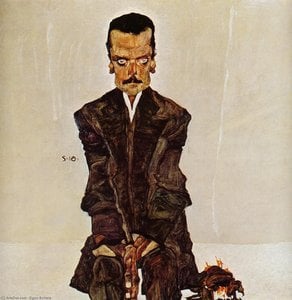
Rankiniu būdu tapytas aliejus ant droblio jūsų pageidaujamame dydį ir rėmuose – mūsų menininkų darbas pagal užsakymą. ( Pirkti spaudinį Pirkti vaizdą)





























Pasirinkite iš mūsų nustatytų dydžių, atitinkančių originalaus meno kūrinio proporcijas.

Galite įvesti savo matmenis, kad jie atitiktų konkretų rėmą ar erdvę. Jei pasirinktas dydis neatitinka originalaus paveikslėlio proporcijų, mes arba apkropsime meno kūrinį, arba papildysime tapybą rankomis dažytい elementais. Prieš pradėdami gamybą, jūsų patvirtinimui atsiųsime skaitmeninį maketą.
Atkreipkite dėmesį, kad ekrane rodomas vaizdas neatspindi tikrojo apkarpymo ar papildymo. Tik maketas tiksliai parodys galutinę kompoziciją.
Nors galima rinktis ir individualius dydžius, rekomenduojame pasirinkti matmenis iš nustatytos sąrašo, kad būtų išlaikytos originalios proporcijos.
Pristatymas visame pasaulyje () per 3–4 savaites, o ne įprastai – per 5 savaites. (7 rugsėjis). Kokybė lieka nepakeičiama.


Sailing Ship with Dinghy
Reprodukcijos matmenys
Egon Schiele's "Sailing Ship with Dinghy," painted in 1908, stands as a poignant emblem of early 20th-century artistic fervor and a profound meditation on the human experience. More than just a maritime depiction, this canvas embodies Schiele’s distinctive Expressionist style—a bold fusion of realism and emotional intensity that continues to captivate audiences today. The painting presents a large sailboat with a striking black hull, its presence anchored by a bird perched atop the mast, adding a fleeting sense of life and movement to an otherwise contemplative scene. As one gazes upon the work, the interplay between the dark vessel and the expansive sky invites us into a world where form serves as a vessel for deep-seated feeling.
The composition is subtly populated by two figures, positioned near the left and right sides of the boat, their presence lending a sense of scale and quiet companionship to the vastness of the sea. A small dinghy, attached to the main ship, rests near the bottom of the frame, grounding the piece with a touch of maritime realism. This careful arrangement creates a tension between the stability of the ship and the unpredictable nature of the elements, a theme that resonates deeply with Schiele’s broader artistic preoccupations.
Schiele masterfully employed oil paint to achieve remarkable textural depth and a luminous color palette. The artist meticulously layered pigments, creating a surface that pulsates with subtle variations in tone—a technique characteristic of Expressionism's desire to convey emotion directly rather than merely representing reality. Notice the deliberate brushstrokes capturing the movement of the wind against the sail, mirroring Schiele’s own restless spirit. The dark hue of the sailboat hull contrasts sharply with the expansive sky, emphasizing a sense of isolation and highlighting the vulnerability of the subjects within the frame.
For collectors and interior designers, this piece offers a sophisticated balance of tonal depth and visual drama. The way the light interacts with the layered oils provides a dynamic quality that changes depending on the room's lighting, making it an exquisite centerpiece for a curated gallery wall or a focal point in a modern, minimalist study. It is a work that does not merely decorate a space but breathes life into it, offering a conversation piece that bridges the gap between historical significance and contemporary aesthetic appeal.
To understand this artwork, one must look toward the turbulent personal landscape of its creator. Schiele's artistic output was inextricably linked to his life of hardship; diagnosed with tuberculosis at a young age and losing his father to illness, he lived with an unwavering preoccupation with mortality. These experiences instilled in him a fascination with the fragility of existence, themes that permeate throughout his oeuvre. In "Sailing Ship with Dinghy," we see Schiele grappling with anxieties about existence while simultaneously striving for transcendence.
The painting serves as a reflection of an inner world caught between the weight of reality and the hope of escape. The ship, navigating the waters, becomes a metaphor for the soul traversing the unpredictable currents of life. For those seeking to bring a piece of art history into their homes, this reproduction offers more than just visual beauty; it provides a profound connection to the raw, visceral energy of Austrian Modernism, making it an invaluable acquisition for any serious lover of Expressionist masterworks.

Austrijos pozicija dviejų pasaulinio karo horizonte buvo labai abejojanti: vienu metu ji buvo šiek tiek iš Šiaurės į rytus, lengvai įsitikinusi veiksmų vyrai. Mažėjęs šalis po 1918 m., beveik visiškai neišplitusi tarptautiniu pasauliu buvo lengvai įvykdinta Hitlerio Reichui 1938 m.; meno srityje tai reiškė kad modernizmo istorija buvo išvykstanti nuo Šiaurės iki pietų, su pagrindiniu dėmesiu į formą. Vokelių šiek tiek pripažino ekspresionizmą kaip svarbų meno srovę; jis buvo vienas iš žymiausius austrių artistas XX amžiaus pradžioje – kartu su Gustavu Klimtu ir Oskar Kokoschka išvykę į Vieną buvo laikomas vienu iš Žyduvo šimtmečio svarbiausių vizualinių menininkų.
Egonas Šylė gimė 1890 m. vasario 3 d. Tulne, Austrijoje. Jo tėvas Adolfas Šylė buvo Tulno geležinkelio stoties direktorius ir gimė 1851 m. Vienoje Adolfo Šyly tevai turėjo tris jaunesnes seseris: Elvirą, Melaniją ir Gertrūdą. Elvira mirė vaikyste dėl gimtinių sifiliso. Jo tėvas buvo užsikrėtęs sifiliu įsimėlynėje savo jaunystės metais po vienos jo naujosios žmonos išėjimo iš kambario.
Šylė mokytojo Christian Griepenkerl įtaką išgyveno Vienoje 1907 m. ir G. Klimtas tapo jo svarbiu rėmėju. Šylė paliko akademiją 1906 m., nes jos mokymo metodai buvo labai konservatyvus, ir įkūrė Naują austrių dailės grupę 1909 m. Grupėje vyravo ekspresionistinė estetika, kuri iššūkiant šiuolaikinėms kultūros normas.
Šylė buvo vienas iš žymiausius austrių artistas XX amžiaus pradžioje – kartu su Gustavu Klimtu ir Oskar Kokoschka išvykę į Vieną buvo laikomas vienu iš Žyduvo šimtmečio svarbiausių vizualinių menininkų. Šylė buvo ekspresionizmo meno srovės atstovas.
Šylė buvo žinomas dėl savo iššūkiantį įžiūrą į pasaulio problemas ir šiuolaikinę estetika, kuri iššūkiant šiuolaikinėms kultūros normas. Šylė buvo ekspresionizmo meno srovės atstovas.

1890 - 1918 , Austrija

Elevate your collection with the tactile elegance of hand-painted oil masterpieces. From bespoke reproductions to custom portraits from photography, discover museum-quality artistry crafted by academy-trained experts for discerning collectors and designers worldwide.

Elevate your estate with WahooArt’s ready-to-ship hand-painted oil reproductions. Discover museum-quality masterpieces, bespoke commissions, and expert art consultation designed for the discerning collector seeking timeless elegance and a lasting personal legacy.

Discover the profound allure of oil on canvas. Explore the mastery of impasto textures, the science of pigment longevity, and expert guides to selecting museum-quality reproductions that elevate your collection with timeless elegance and tactile depth.

 Peržiūrėti realybėje
 Pasidalinti
 Dalintis
 Išsamiau

 Atsisiųsti
 Panašūs eksponatai
 Rentgeno nuotrauka
 Automatinė diorama

 Skaityti daugiau







 Stiklo variantas prieinamas tik pasirinkus dydį iki 110 cm