


Muziejų lygio „giclée“ arba drobos spausdinimas: greita gamyba ir lankstios apdailos parinktys. ( Pirkti rankų darbo tapybą Perejti prie skaitmeninių vaizdų)





























Pasirinkite iš mūsų nustatytų dydžių, atitinkančių originalaus meno kūrinio proporcijas.

Įveskite jums reikiamą plotį ir aukštį, kad atvaizdas derėtų prie jūsų rėmo ar sienos. Spausdiną galima tik sumažinti, bet nepadidinti virš originalaus paveikslėlio dydžio, todėl keičiant proporcijas, dalis vaizdo prarandama. Prieš spausdinimą atsiųsime jums skaitmeninį maketą patvirtinimui. Šioje puslapio nuotraukoje matomas pjūvis nėra tikslus – jį rodo tik maketas.
Pristatymas visame pasaulyje () per 2 weeks, o ne įprastas 4/5 savaičių laikotarpis. (19 lapkritis)
Puberty
Reprodukcijos matmenys
In the quiet, unsettling depths of Edvard Munch’s 1894 masterpiece, Puberty, we encounter more than a mere depiction of a transitional life stage; we are invited into a visceral landscape of psychological vulnerability. The painting centers on a young girl lying supine upon a bed, her limbs crossed in a posture that suggests both repose and a profound, unspoken tension. Munch eschews the traditional eroticism often associated with the female nude, choosing instead to use nakedness as a symbol of exposure—a raw, defenseless state against the encroaching shadows of adulthood. As the viewer gazes upon her, there is an inescapable sense of existential dread, as if the very air around her is heavy with the weight of burgeoning self-awareness and the terrifying realization of one's own mortality.
The atmosphere of the piece is masterfully constructed through Munch’s signature Expressionist style. Rejecting the polished realism of his contemporaries, Munch utilized bold, swirling brushstrokes and a rhythmic, almost turbulent line work to mirror the internal chaos of the human psyche. The color palette is dominated by melancholic blues and ethereal, muted tones, applied through thin, translucent washes of oil paint. This layering technique creates a luminous yet somber quality, where light seems to struggle against an encroaching gloom. For the discerning collector or interior designer, this painting offers a profound emotional anchor, bringing a sense of historical depth and intellectual gravity to any curated space.
To understand Puberty, one must look into the shadows that dance at the periphery of the frame. Beside the central figure, shadowy, indistinct forms emerge from the darkness—figures that seem to haunt the edges of her consciousness. These silhouettes add a claustrophobic dimension to the composition, suggesting that the transition into maturity is not a solitary journey but one shadowed by the presence of others, society, and the inescapable ghosts of the past. This sense of being watched or pursued is deeply rooted in Munch’s own biography; his life was a tapestry woven with threads of tragedy, marked by the early loss of his mother and sister to tuberculosis.
These personal traumas infused his work with a preoccupation with sickness, decay, and the fragility of life. In Puberty, the physical transition of the body is inextricably linked to a spiritual and psychological upheaval. The painting serves as a powerful metaphor for the fin de siècle era—a time of great scientific advancement clashing with old religious certainties, leaving the individual suspended in a state of profound uncertainty. For those seeking to decorate a space with art that provokes thought and conversation, this work stands as a testament to the enduring power of the human spirit to confront its darkest anxieties through the medium of color and form.
Owning a reproduction of such an iconic work allows one to bring the profound emotional resonance of Expressionism into the modern home. Puberty is not merely a decorative object; it is a window into the soul of one of history's most influential artists. Its ability to evoke empathy, reflection, and even a touch of productive melancholy makes it an ideal centerpiece for a study, a gallery, or a sophisticated living area. Whether you are an art historian captivated by its technical execution or an interior designer looking for a piece that commands emotional attention, Munch’s Puberty offers an unparalleled opportunity to possess a fragment of the modern era's most hauntingly beautiful legacy.
„Puberty“ – Edvardas Munchas nuotaika apibūdinama kaip Dramatic. Ši klasifikacija gali padėti priderinti kūrinį prie aplinkos.
„Puberty“ vaizduoja female figure, melancholy mood, bed scene, symbolism, psychological art, nakedness, emotional depth, o jo perteikiama nuotaika yra Dramatic.
„Puberty“ – Edvardas Munchas klasifikuojamas kaip WallArt. Ši kategorija aprašo originalo kūrinio tipą.

Edvardas Munchas buvo norvegų dailininkas, kurio gyvenimas buvo glaudžiai susijęs su jo šalies kraštovaizdio skliausliu ir sunkia atmosfera. Gimęs 1863 m. gruodžio 12 d., jis praleido didelį savo egzistencijos dalį nagrinėdamas žmogaus psichikos subtilybes per savo šerpus ir grafikos įrankius. Jo kūriniai dažnai atrodė kaip tiesioginė jo pačio vidinių kovų tęs tinė, paversdami asmeninę emociją kažkuo matomu ir bendru. Jis išliko aktyvia figūra meno pasaulyje iki savo mirties 1944 m. sausio 23 d.
Jo gebėjimas įamžinti žmogaus egzistencijos svirtis pasiekė aukštumas 1893 m., su sukuriu „Šauksmu“. Šis kūrinys tapo vienu iš pripažintiniausių Vakarų meno vaizdinių, pasaulyje žinomas dėl savo egzistencinio nerimo vaizdavimo. Kol daugelis menininkų siekė atkartoti fizikinį pasaulį, Munchas domėjosi dalymais, kurių negalima pamatyti – tokiems kaip nerimas ir vienatvės našta. Jis panaudojo spalvą ir formą, kad suteiktų formą neįprastoms jėgoms, kurios traukia žmogaus dvasią.
Per savo ilgą karjerą jis sukūrė milžinišką kūrybos korpusą, apimanantį daugybę skirtingų medijų. Jo kūrybos rinkinį papildė tokie darbai kaip:
Edvardas Munchas gimė 1863 metais skliaustų tarp su starkių Norvegijos kraštovaizdžių. Jo vaikystę formavo šeima, kurioje ligos stebėsis buvo neatsiejama kasdienybės palydovė. 1868 metais jo motina mirė nuo tuberkuliozės – tai praradimimas, kuris paliko neištrinamas žaros jauno chłopų širdyje. Šis trapumo jausmas dar labiau sustiprino 1877 metais, kai jo sesuo, Johanne Sophie, taip pat pasidavė tuberkuliozės kovai būdama vos 15 metų. Šios ankstyvosios gėla ir praradimimai reiškė, kad mirties šešėliai buvo įsiliedžiami į jo kasdienybės audinį.
Jo tėvas, Christianas Munchas, dirbo gydytoju ir medicinos pareigūnu. Christianas buvo intensyviai religingas žmogus, tačiau kartu kova su nervingu ir obsesiškai religingu temperamentu nebuvo lengva. Namų aplinkos dažnai persidavdavo baimės ir nuogos jausmu. Augdamas tokioje aplinkoje, Edvardas dažnai piešdavo, kad užimėtų laiko ilgomis žiemomis, kai ligos neleidavo lankyti mokyklos. Šios ankstyvosios gėlos ir baimės patirtys vėliau persikraupins į jo plėtniajus.
Mokslams mokytis jis rinkosi Kristianijos Karališkąjį meno ir dizaino institutą. Būtent čia jis pradėjo lavinti techninius įgūdžius, kurie vėliau tapo pagrindu jo meninei kelionei per žmogaus psichikos gelmes. Šis mokslas suteikė tvirtą pagrindą karjerai, skirtai vidinės agonijos paverto vizualine forma.
Kristianios gatvėse, dabartiniame Oslo, Edvardas Munchas rado bendruomenę, kuri sudavino viską, ko jis buvo išmokęs. Jis sukūrimas į into_{AIG_LINK_N__}bohemiškus miesto ratus – žmonių grupę, gyvenančią pagal laiko taisyklių neegzistavimo principą. Tarp jų buvo natūralistų paveikslavėjas Christian Krohg, priklausęs šiam progresyviam ratui. Šie susitikimai nebuvo tik socialiniai renginiai; tai buvo erdvės, kuriose gimė ir buvo išgyvenamos naujos pasauliamo suvokimo būdų idėjos.
Justai per nihilisto Hanso Jægerio įtaką Edvardas Munchas pradėjo keisti savo meno kelią. Jægeris skatino jį atsisakyti mandagių, akademinių tradicijų, vyravusių tuo metu. Jis paskatino menininką žvelgčiui į vidų ir tapyti savo emocinės bei psichologinės būsenos liudytoju. Tai buvo radikali mintis. Užuot bandęs užfiksuoti pasaulį, kietai matomą iš šalies, Munchas pradėjo naudoti savo płatną, kad išreikštų vidinius savo mintų audras.
Lankydomasis pagrindinių Europos meno centrų, Edvardas Munchas galėjo pamatyti savo vidinius impulsus atspindimus kitų kūryboje. Paryžiuje jis susidūrė su tokių menininkų technikos kaip Paul Gauguin ir Vincent van Gogh. Jis daug iš jų išmokė, įsisavindamas tai, kaip jie naudoja spalvą ir formą, kad peržengtų paprasto vaizdavimo ribas. Laikas Paryžiuje taip pat suteikė jam galimybę susipažinti su Henri de Toulouse-Lautrec. Šie susidūrimai padėjo jam tobulinti žiūros būdą, kuri prioriteto teikė viduliškiam, o ne išmatiniam.
Berno lankymas nukreipė jo dėmesį į gilesnius, nerimą keliančius žmogaus psichikos sluoksnius. Juste būtent ten jis susitiko su švedų dramaturgu August Strindberg. Ryšiai su tokiais šaliūnais kaip Strindberg dar labiau paskubino jo tyrimus psichologinėmis temomis. Jis pradėjo naudoti savo meną, kad tyrinėtų žmogaus egzistencijos drebuos, nuolydamas nuo natūralistinių vaizdavimų link stiliaus, gebančio perteikti sunkų baimės ir nerimo svorį.
Edvardas Munchas neaimojo tik atkartoti fizikinio pasaulio, toksio, kokio jį matė akis. Vietoj to jis siekė išvestiniam išreikšti savo vidinę būseną – metodą, kurį jis vadino „sielos tapyba“. Naudodamas iškraipytas formas ir ritmines linijas, jis siekė perteikti žmogaus egzistencijos drebunį, paversdamas psichologinį skausmą matoma, lytėja įtangia forma. Jo brushas dažnai atspindėdavo jo paties proto turbulencijas; jis rinkosi spalvas ir formas ne tam, kad atkartintų tai, ką matė, o tam, kad išverstų tai, ką jautė.
Šis orientavimasis į vidinę sielą paskubino jį totingai eksperimentuoti su įvairiomis medžiagomis. Jis buvo itin aktyvus grafikos menininkas, naudojęs litografiją, medžiozdriuotę ir etsą, kad išplaučiantį savo kūrybos įtaką. Jo techninis repertuaras buvo itin platus, apimantis tokias gilias spaudimo technikas kaip akvatinta, sušalinta adata ir graviūra ant kop。, leidžiančias kurti tekstūras ir linijas, kurios tiksliai atspindėdavo žmogaus emocijų sudėtingumą.
Edvardas Munchas siekė įamžinti amžinius žmogaus egzistencijos ciklus per kūrinių seriją, kurią pavadė „Gyvenimo frizas“. Ši kolekcija sukauptė sūpuliuojančius, neišvengiamus tokius temas kaip meilė, baimė, mirtis ir nerimas. Jis neaimojo tiesiogiai vaizduoti gyvenimo iš taurės, o labiau tyrinėti tuos vidinius audras, kurios formuoja mūsų būtį. Jo paveikslai dažnai tapdavo būdu, kaip jis per to perėjo skausmą ir psichologinius sukrėtimus, kurie neatsiejami lydėjo jį nuo pačios jaunystės.
Daugiausia jo atpažįstamų vaizdinių įkvėpimo gavo būtent iš šių asmeninių kovų. „Šauksmą“ jis sukūrė būdamas Kristianijoje, pasitelkęjęi spiralius, ugninius kraštovažius, kad perteiktų egzistencinio siaubo jausmą. Kitose kūrybose jo žvilgsnis nukreipėsi į žmogaus santykių sudėtingumą ir gyvenimo trapumą. „Madona“ tyrinėja seksualumo ir mirtingumo sankraipos, o „Liemas“ išlieka skausmingu priminimu apie sesers Sofijos praradimą. Šie darbai atspindi žmogų, bandantį suprasti šešėlius, kurie nuolatos sekė jo širdį.
Vėlyvoji Edvardas Munchas gyvenimo etapa pasižymėjo esminiu jo asmeninių į adatų ir kūrybinės aplinkos pokyčiu. Po 1908 metų psichikos sveikatos krizės jis podieka apsisprendė atsisakyti didelio alkoholio kiekio. Šis pokyčių laikotarpis nuvedė jį nuo turbulentinių socialinių scenų, kur jis dalyvavo jaunystėje. Vietoj to, likusį gyvenimą jis praleido dirbdamas ramybėje ir privatumoje, rado tylų erelį, leidiantį tęsti savo meninę praktiką.
Jo kūrybos darbai buvo nuoseklūs iki pat paskutinių akimirkvės. Išėjus 1944 metais, jis paliko milžinišką 1006 paveikslalų kolekciją. Kol aplinkinis pasaulis susidūrė su didžiuliais Antrojo pasaulinio karo iššūkiais, didžioji dalis jo kūrinių išgyveno šį konfliktą, užtikrinant, kad jo vizualinė kalba liktų prieinama būsimoms kartoms studijųkoms ir suvokimui.
Edvardas Munchas gebėjo drąsiai susidurti su tamsiausiais žmogaus būtinybės aspektais, taip padarydamas pagrindinį taką vėlesniam vokiškajam ekspresionizmui. Jis buvo ekspresionizmo pionierius, atsisakęs griežtų akademinės menas taisyklių, kad rastų būdą parodyti vidinius minties audras. Paverto pavojingą psichologinį skausmą į vizualinę formą, jis iš esmės pakeitė tai, kaip menininkai žiūri į tuščią płatiną. Jo kūryba tapo modernizmo judėjimo pamatu, perskirstančiu dėmės dėmę iš to, ką mato akis, į tai, ką patiria siela.
Jo buvimas giliai išgražų Norvegijos meno istorijoje. Per savo tyrimus universalių žmogaus patirčių srities, jis padėjo apibrėžti nacionalinę identitetą. Tai, kaip jis kūryboje panaudojo spalvas ir iškreiptas linijas, kad perteiktų egzistencijos drebuos, paliko žaros, kurią vėliau siejo daugybė menininkų. Jo įtaka išsipletė pusės nei Norvegijos, palikdama neištrinkiamą pėdomis tai, kaip modernus pasaulis suvokia nerimą ir izolaciją.
Norėdami pajusti visą jo gyvenimo kūrybos platumą, turite keliauti į Oslą, Norvegiją. Muncho muziejus yra pagrindinis jo palikimo saugotojas, kurio kambariuose saugoma milžiniška kolekcija, apimanti visą meninę kūrybos spektrą. Tai vieta, kurioje tampa akiai ačios jo kūrybos apimtis, siūlanti gilią pažinsčią su temomis, kurias jis tyrinėjo per ilgus tapybos ir grafikos darbus.
Kiti svarbūs šedevrai saugomi kitose didžiosiose miesto institucijose. Oslos Nacionalinėje galerijoje saugoma 1893 metų tempera ir kredka ant kartono Šauksmo versija. Šis konkretus darbas pasižymi kitokia tekstūra ir pojūčiu nei kitos versijos. Be to, Norvegijos Nacionaliniame muziejuje eksponuojama Madona versija, leidžianti lankytojams pamatyti, kaip menininkas šią pačią temą interpretavo per skirtingus meninius akmenis.

1863 - 1944 , Švedija
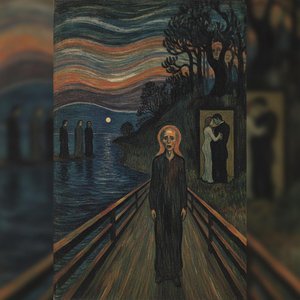
Journey through the raw emotion of Expressionism with our curated guide to Edvard Munch's top 25 masterpieces. Explore the stories behind his most iconic works and find museum-quality art reproductions for your collection. Discover all masterpieces on WahooArt.com.

Explore iconic Expressionist works by Munch and Kandinsky. Discover the power of emotion on WahooArt.com.

Journey through the raw emotion of Expressionism. Explore 10 iconic masterpieces, from Munch to Kandinsky, revealing the stories behind their bold colors and brushwork. Find museum-quality art reproductions for your decor. Discover all masterpieces on WahooArt.com.
 Peržiūrėti realaus dydžio版
 Pasidalinti
 Dalintis
 Išsamiau
 Vadovas

 Atsisiųsti
 Panašūs eksponatai
 Rentgeno spindulių nuotrauka
 Automatinė diorama
 问答
问答
 Statistika


 Skaityti daugiau









 Stiklo variantas prieinamas tik pasirinkus dydį iki 110 cm


