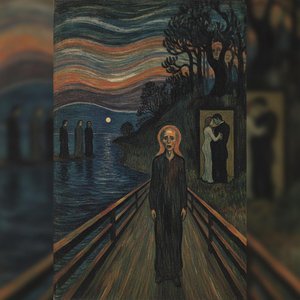
Edvardas Munchas: Gyvenimas ir savastis
Edvardas Munchas buvo norvegų dailininkas, kurio gyvenimas buvo glaudžiai susijęs su jo šalies kraštovaizdio skliausliu ir sunkia atmosfera. Gimęs 1863 m. gruodžio 12 d., jis praleido didelį savo egzistencijos dalį nagrinėdamas žmogaus psichikos subtilybes per savo šerpus ir grafikos įrankius. Jo kūriniai dažnai atrodė kaip tiesioginė jo pačio vidinių kovų tęs tinė, paversdami asmeninę emociją kažkuo matomu ir bendru. Jis išliko aktyvia figūra meno pasaulyje iki savo mirties 1944 m. sausio 23 d.
Jo gebėjimas įamžinti žmogaus egzistencijos svirtis pasiekė aukštumas 1893 m., su sukuriu „Šauksmu“. Šis kūrinys tapo vienu iš pripažintiniausių Vakarų meno vaizdinių, pasaulyje žinomas dėl savo egzistencinio nerimo vaizdavimo. Kol daugelis menininkų siekė atkartoti fizikinį pasaulį, Munchas domėjosi dalymais, kurių negalima pamatyti – tokiems kaip nerimas ir vienatvės našta. Jis panaudojo spalvą ir formą, kad suteiktų formą neįprastoms jėgoms, kurios traukia žmogaus dvasią.
Per savo ilgą karjerą jis sukūrė milžinišką kūrybos korpusą, apimanantį daugybę skirtingų medijų. Jo kūrybos rinkinį papildė tokie darbai kaip:
Pradinis gyvenimas, šeima ir mokslai
Edvardas Munchas gimė 1863 metais skliaustų tarp su starkių Norvegijos kraštovaizdžių. Jo vaikystę formavo šeima, kurioje ligos stebėsis buvo neatsiejama kasdienybės palydovė. 1868 metais jo motina mirė nuo tuberkuliozės – tai praradimimas, kuris paliko neištrinamas žaros jauno chłopų širdyje. Šis trapumo jausmas dar labiau sustiprino 1877 metais, kai jo sesuo, Johanne Sophie, taip pat pasidavė tuberkuliozės kovai būdama vos 15 metų. Šios ankstyvosios gėla ir praradimimai reiškė, kad mirties šešėliai buvo įsiliedžiami į jo kasdienybės audinį.
Jo tėvas, Christianas Munchas, dirbo gydytoju ir medicinos pareigūnu. Christianas buvo intensyviai religingas žmogus, tačiau kartu kova su nervingu ir obsesiškai religingu temperamentu nebuvo lengva. Namų aplinkos dažnai persidavdavo baimės ir nuogos jausmu. Augdamas tokioje aplinkoje, Edvardas dažnai piešdavo, kad užimėtų laiko ilgomis žiemomis, kai ligos neleidavo lankyti mokyklos. Šios ankstyvosios gėlos ir baimės patirtys vėliau persikraupins į jo plėtniajus.
Mokslams mokytis jis rinkosi Kristianijos Karališkąjį meno ir dizaino institutą. Būtent čia jis pradėjo lavinti techninius įgūdžius, kurie vėliau tapo pagrindu jo meninei kelionei per žmogaus psichikos gelmes. Šis mokslas suteikė tvirtą pagrindą karjerai, skirtai vidinės agonijos paverto vizualine forma.
Kristianios bohemiškieji ratasai
Kristianios gatvėse, dabartiniame Oslo, Edvardas Munchas rado bendruomenę, kuri sudavino viską, ko jis buvo išmokęs. Jis sukūrimas į into_{AIG_LINK_N__}bohemiškus miesto ratus – žmonių grupę, gyvenančią pagal laiko taisyklių neegzistavimo principą. Tarp jų buvo natūralistų paveikslavėjas Christian Krohg, priklausęs šiam progresyviam ratui. Šie susitikimai nebuvo tik socialiniai renginiai; tai buvo erdvės, kuriose gimė ir buvo išgyvenamos naujos pasauliamo suvokimo būdų idėjos.
Justai per nihilisto Hanso Jægerio įtaką Edvardas Munchas pradėjo keisti savo meno kelią. Jægeris skatino jį atsisakyti mandagių, akademinių tradicijų, vyravusių tuo metu. Jis paskatino menininką žvelgčiui į vidų ir tapyti savo emocinės bei psichologinės būsenos liudytoju. Tai buvo radikali mintis. Užuot bandęs užfiksuoti pasaulį, kietai matomą iš šalies, Munchas pradėjo naudoti savo płatną, kad išreikštų vidinius savo mintų audras.
Kelionės ir įtaka Paryžiuje bei Berlyne
Lankydomasis pagrindinių Europos meno centrų, Edvardas Munchas galėjo pamatyti savo vidinius impulsus atspindimus kitų kūryboje. Paryžiuje jis susidūrė su tokių menininkų technikos kaip Paul Gauguin ir Vincent van Gogh. Jis daug iš jų išmokė, įsisavindamas tai, kaip jie naudoja spalvą ir formą, kad peržengtų paprasto vaizdavimo ribas. Laikas Paryžiuje taip pat suteikė jam galimybę susipažinti su Henri de Toulouse-Lautrec. Šie susidūrimai padėjo jam tobulinti žiūros būdą, kuri prioriteto teikė viduliškiam, o ne išmatiniam.
Berno lankymas nukreipė jo dėmesį į gilesnius, nerimą keliančius žmogaus psichikos sluoksnius. Juste būtent ten jis susitiko su švedų dramaturgu August Strindberg. Ryšiai su tokiais šaliūnais kaip Strindberg dar labiau paskubino jo tyrimus psichologinėmis temomis. Jis pradėjo naudoti savo meną, kad tyrinėtų žmogaus egzistencijos drebuos, nuolydamas nuo natūralistinių vaizdavimų link stiliaus, gebančio perteikti sunkų baimės ir nerimo svorį.
Technika ir „sielos tapybos“ stilius
Edvardas Munchas neaimojo tik atkartoti fizikinio pasaulio, toksio, kokio jį matė akis. Vietoj to jis siekė išvestiniam išreikšti savo vidinę būseną – metodą, kurį jis vadino „sielos tapyba“. Naudodamas iškraipytas formas ir ritmines linijas, jis siekė perteikti žmogaus egzistencijos drebunį, paversdamas psichologinį skausmą matoma, lytėja įtangia forma. Jo brushas dažnai atspindėdavo jo paties proto turbulencijas; jis rinkosi spalvas ir formas ne tam, kad atkartintų tai, ką matė, o tam, kad išverstų tai, ką jautė.
Šis orientavimasis į vidinę sielą paskubino jį totingai eksperimentuoti su įvairiomis medžiagomis. Jis buvo itin aktyvus grafikos menininkas, naudojęs litografiją, medžiozdriuotę ir etsą, kad išplaučiantį savo kūrybos įtaką. Jo techninis repertuaras buvo itin platus, apimantis tokias gilias spaudimo technikas kaip akvatinta, sušalinta adata ir graviūra ant kop。, leidžiančias kurti tekstūras ir linijas, kurios tiksliai atspindėdavo žmogaus emocijų sudėtingumą.
- Šauksmas (1893)
- Madona (1894)
- Sergantis vaikas (apie 1926 m.)
Gyvenimo frizas ir pagrindiniai darbai
Edvardas Munchas siekė įamžinti amžinius žmogaus egzistencijos ciklus per kūrinių seriją, kurią pavadė „Gyvenimo frizas“. Ši kolekcija sukauptė sūpuliuojančius, neišvengiamus tokius temas kaip meilė, baimė, mirtis ir nerimas. Jis neaimojo tiesiogiai vaizduoti gyvenimo iš taurės, o labiau tyrinėti tuos vidinius audras, kurios formuoja mūsų būtį. Jo paveikslai dažnai tapdavo būdu, kaip jis per to perėjo skausmą ir psichologinius sukrėtimus, kurie neatsiejami lydėjo jį nuo pačios jaunystės.
Daugiausia jo atpažįstamų vaizdinių įkvėpimo gavo būtent iš šių asmeninių kovų. „Šauksmą“ jis sukūrė būdamas Kristianijoje, pasitelkęjęi spiralius, ugninius kraštovažius, kad perteiktų egzistencinio siaubo jausmą. Kitose kūrybose jo žvilgsnis nukreipėsi į žmogaus santykių sudėtingumą ir gyvenimo trapumą. „Madona“ tyrinėja seksualumo ir mirtingumo sankraipos, o „Liemas“ išlieka skausmingu priminimu apie sesers Sofijos praradimą. Šie darbai atspindi žmogų, bandantį suprasti šešėlius, kurie nuolatos sekė jo širdį.
- „Šauksmas“ (1893)
- „Madona“ (1894)
- „Liemas“ (apie 1926 m.)
- „Paauglystė“ (1894–95 m.)
Vėlyvoji gyvenimo etapa ir mirtis
Vėlyvoji Edvardas Munchas gyvenimo etapa pasižymėjo esminiu jo asmeninių į adatų ir kūrybinės aplinkos pokyčiu. Po 1908 metų psichikos sveikatos krizės jis podieka apsisprendė atsisakyti didelio alkoholio kiekio. Šis pokyčių laikotarpis nuvedė jį nuo turbulentinių socialinių scenų, kur jis dalyvavo jaunystėje. Vietoj to, likusį gyvenimą jis praleido dirbdamas ramybėje ir privatumoje, rado tylų erelį, leidiantį tęsti savo meninę praktiką.
Jo kūrybos darbai buvo nuoseklūs iki pat paskutinių akimirkvės. Išėjus 1944 metais, jis paliko milžinišką 1006 paveikslalų kolekciją. Kol aplinkinis pasaulis susidūrė su didžiuliais Antrojo pasaulinio karo iššūkiais, didžioji dalis jo kūrinių išgyveno šį konfliktą, užtikrinant, kad jo vizualinė kalba liktų prieinama būsimoms kartoms studijųkoms ir suvokimui.
Ilgalaikė paliktis ir įtaka
Edvardas Munchas gebėjo drąsiai susidurti su tamsiausiais žmogaus būtinybės aspektais, taip padarydamas pagrindinį taką vėlesniam vokiškajam ekspresionizmui. Jis buvo ekspresionizmo pionierius, atsisakęs griežtų akademinės menas taisyklių, kad rastų būdą parodyti vidinius minties audras. Paverto pavojingą psichologinį skausmą į vizualinę formą, jis iš esmės pakeitė tai, kaip menininkai žiūri į tuščią płatiną. Jo kūryba tapo modernizmo judėjimo pamatu, perskirstančiu dėmės dėmę iš to, ką mato akis, į tai, ką patiria siela.
Jo buvimas giliai išgražų Norvegijos meno istorijoje. Per savo tyrimus universalių žmogaus patirčių srities, jis padėjo apibrėžti nacionalinę identitetą. Tai, kaip jis kūryboje panaudojo spalvas ir iškreiptas linijas, kad perteiktų egzistencijos drebuos, paliko žaros, kurią vėliau siejo daugybė menininkų. Jo įtaka išsipletė pusės nei Norvegijos, palikdama neištrinkiamą pėdomis tai, kaip modernus pasaulis suvokia nerimą ir izolaciją.
- Šauksmas (1893)
- Madona (1894)
- Sergantis vaikas (apie 1926)
Kur galima pamatyti jo kūrinius šiandien
Norėdami pajusti visą jo gyvenimo kūrybos platumą, turite keliauti į Oslą, Norvegiją. Muncho muziejus yra pagrindinis jo palikimo saugotojas, kurio kambariuose saugoma milžiniška kolekcija, apimanti visą meninę kūrybos spektrą. Tai vieta, kurioje tampa akiai ačios jo kūrybos apimtis, siūlanti gilią pažinsčią su temomis, kurias jis tyrinėjo per ilgus tapybos ir grafikos darbus.
Kiti svarbūs šedevrai saugomi kitose didžiosiose miesto institucijose. Oslos Nacionalinėje galerijoje saugoma 1893 metų tempera ir kredka ant kartono Šauksmo versija. Šis konkretus darbas pasižymi kitokia tekstūra ir pojūčiu nei kitos versijos. Be to, Norvegijos Nacionaliniame muziejuje eksponuojama Madona versija, leidžianti lankytojams pamatyti, kaip menininkas šią pačią temą interpretavo per skirtingus meninius akmenis.
- Šauksmas (1893) – Nacionalinė galerija, Oslo
- Madona – Norvegijos Nacionalinis muziejus


 Peržiūrėti realaus dydžio版
 Pasidalinti
 Dalintis
 Išsamiau
 Vadovas

 Atsisiųsti
 Panašūs eksponatai
 Rentgeno spindulių nuotrauka
 Automatinė diorama
 问答
问答
 Statistika


 Skaityti daugiau
 Perjungti į spausdinamus版作品





































 Stiklo variantas prieinamas tik pasirinkus dydį iki 110 cm