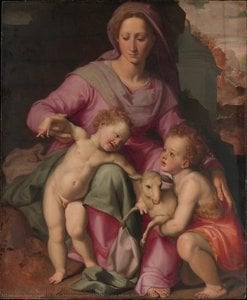
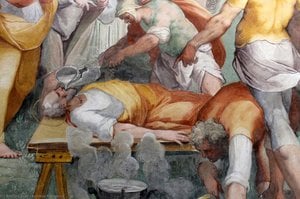
1of 71
ელ გრეკო 1541–1614
ბერძენი-ესპანელი Born in ჰერაკლიონი მანერიზმი, ბაროკო Wikipedia in 31/32 languages

Notable works include: The Burial of the Count of Orgaz (1586-1588).

Mannerist მესმენები, ranked
The most famous Mannerist მხატვარი is ელ გრეკო (1541–1614), known for ელ ესპოლიო და ორგაზის საგრავრაკუნი. Next come ტინტორეტო, ჯუზეპე არჩიმბოლდო, ანგელო ბრონზინო და სოფონისბა ანგისოლა. This ranking of the 71 most famous Mannerist მესმენები runs from ამიკო ასპერტინი (born 1475) to კრისტოფანო ალორი (born 1577), across 14 countries.
How this list is ranked. Artists whose works our catalogue files under Mannerist, in the order of our fame ranking of artists. Artists without a Wikidata identifier born after 1955 are left out until verified. The Wikipedia figure next to each name is the number of our 32 languages in which Wikipedia has an article on the artist.
The essentials
Ranked, with their masterpieces
1of 71
ბერძენი-ესპანელი Born in ჰერაკლიონი მანერიზმი, ბაროკო Wikipedia in 31/32 languages
Notable works include: The Burial of the Count of Orgaz (1586-1588).
2of 71
იტალიელი Born in ვენეცია რენესანსი, მანერიზმი Wikipedia in 31/32 languages

In his large-scale religious works, such as the Crucifixion at the Scuola Grande di San Rocco, the light does not merely fall upon the subjects but seems to collide with them, emphasizing the spiritual and physical weight of the moment. The Origin of the Milky Way (Scuola Grande di San Rocco, Venice). His approach to composition and psychological intensity left a mark on several major figures of later movements, including El Greco, Caravaggio, Rembrandt, and Delacroix.
Where to see The Scuola Grande di San Rocco remains the most concentrated repository of his output, housing over sixty canvases that transform the building's halls into a cinematic experience of biblical narratives.
Key works · The 100 most famous works
 The Last Supper
artworks_database
/en/art/jacopo-tintoretto-the-last-supper-8Y3K2M-en/
/media/artworks/images/thumbnails/25/02/2502bd1970854e5ba0ea3fbc3890950e.jpg
Jacopo Tintoretto
A Venetian Master of Drama and Light
Jacopo Tintoretto, born Jacopo
 ჯაკობო ტინტორეტოს "საქramentoჲ წმ. მარკისა მცხელისა მბოროხისა"
 Venus, Mars, and Vulcan
3of 71
იტალიელი Born in მილანი მანერიზმი, სურიალიზმი Wikipedia in 30/32 languages

These works were often viewed as curiosities, yet they required a sophisticated understanding of how to merge the organic with the artificial to create a recognizable human form. His technical precision allowed him to transform the mundane into the anatomical. Painters such as Salvador Dalí and Pablo Picasso found a kindred spirit in his ability to manipulate perception, drawing from his habit of assembling disparate objects into a singular, recognizable identity.
Where to see The physical remnants of Arcimboldo’s imagination are scattered across Europe, preserved within the halls of institutions that once served the very courts he once entertained.
5of 71
იტალიელი Born in კრემონა რენესანსი, მანერიზმი Wikipedia in 29/32 languages

8of 71
Italian Born in არეცო Mannerism Wikipedia in 31/32 languages

Teacher of Jacopo Zucchi #54, Federico Zuccari #41
11of 71
იტალიური Born in ვენეცია მაღალი რენესანსიო, მანერიზმი Wikipedia in 23/32 languages

12of 71
ჰოლანდიელი Born in Bracht ჩრდილოეთური მანერიზმი და ბაროკოს гравюра Wikipedia in 19/32 languages

13of 71
იტალიელი Born in Castelnuovo Berardenga მანერიზმი, რენესანსი Wikipedia in 21/32 languages

14of 71
ჰოლანდიელი Born in ამსტერდამი ჩრდილოეთ მანერიზმი Wikipedia in 28/32 languages

15of 71
Flemish Born in ანტვერპენი Northern Mannerism Wikipedia in 18/32 languages

His paintings are distinguished by their smooth modeling, meticulous detail, and a subtle use of color. He skillfully blended Netherlandish realism with Italian mannerist influences, particularly the Roman tradition of depicting classical mythology. Crucially, his travels extended into Italy, where he spent eight months in Milan and three months in Parma, assisting Bernardino Gatti on the ambitious fresco project for the dome of Santa Maria della Steccata.
16of 71
იტალიელი Born in ბოლონია მანერიზმი, ბაროკო Wikipedia in 26/32 languages

17of 71
იტალიელი Born in ურბინო რენესანსი, ბაროკო Wikipedia in 24/32 languages

“კომპოზიციის შესწავლა” (“გაცხედავრებისთვის”, პარიზი, ლუვრის მუზეუმი) – აშუქებს მის უნარს კომპოზიციისა და ემოციების დაბალანსებაში.
Key works · The 100 most famous works
18of 71
გერმანელი Born in კიოლნი მანიერიზმის მხატვრობა Wikipedia in 26/32 languages

19of 71
Italian Born in ფლორენცია Mannerism Wikipedia in 23/32 languages

In the twilight of the Renaissance, as the balanced harmonies of the previous century gave way to the restless energy of Mannerism, Cristofano Allori emerged as a vital voice in the Florentine school. Born in 1577 into a city steeped in artistic prestige, Allori was destined for the brush.
21of 71
იტალიელი Born in მოდენა მანერიზმი Wikipedia in 25/32 languages

His landscapes are not simply scenic backgrounds; they are meticulously crafted environments imbued with a sense of depth, atmosphere, and psychological resonance. These landscapes frequently served as the setting for dramatic scenes featuring figures from classical mythology – tales of Orpheus and Eurydice, Proserpine’s abduction, and the Judgment of Paris. Dell’Abbate’s work at Fontainebleau also contributed significantly to the development of French Mannerism, introducing Italian Renaissance principles to the French court and shaping the artistic tastes of a nation.
24of 71
იტალიელი Born in ფლორენცია მანიერიზმი Wikipedia in 17/32 languages

フランチェスコ・サルヴィアティ、セッキーノ・デル・サルヴィアティやフランチェスコ・ロッシとしばしば関連付けられるこの名は、16世紀イタリア美術の鮮やかなタペストリーにおける極めて重要な人物として輝いています。1510年頃フィレンツェで生まれ、悲劇的な最期をローマで迎えた彼の生涯は、芸術的徒弟制度、パトロンからの支援、そして最終的にはマニエリスムのドラマチックな複雑さへの習熟という旅路でした。サルヴィアティは単なる画家以上の存在であり、動き、心理的な強烈さ、そして深い演劇性の感覚に満ちた場面を丹念に作り上げる視覚体験の建築家でした。これらの資質こそが、彼をその時代の最も革新的な芸術家の一人として確固たるレガシーを築き上げたのです。 初期の影響と訓練: サルヴィアティの芸術的基盤は、数名の著名なフィレンツェの巨匠たちの指導のもとで始まりました。彼は当初、ジュリアーノ・ブジャルディーニ、バッキオ・バンディネッリ、アンドレア・デル・ブレスキアニーノの下で徒弟をこなし、それぞれから技術や様式的なニュアンスを吸収しました。しかし、特に形成的な影響を与えたのはアンドレア・デル・サルトとの時期であり、彼に古典的な原則と写実的な表現に関する確固たる基礎を提供しました。決定的に重要なことに、ローマ滞在中にはミケランジェロとラファエロの台頭する影響にも触れることができ、これらの経験が彼の後の芸術的ビジョンを深く形作ることとなりました。. ローマ:革新のるつぼ: 1531年のサルヴィアティのローマ移住は転換点となり、彼を有望なフィレンツェの徒弟から、この都市の活気ある芸術シーンにおけるダイナミックな参加者へと変貌させました。ここでは、彼はマニエリスム様式に没頭し、その特徴的な引き伸ばされた人物像、歪んだ遠近法、そして高められた感情主義を吸収しました。彼の初期の作品、特にサン・ジョヴァンニ・バッティスタ・デコラートのオラトリオにある『訪問』のフレスコ画(1537-38年)は、この影響を鮮やかに示しています。そこには、渦巻くドレーパリー、誇張されたジェスチャー、そしてほとんど息苦しいほどのドラマの感覚に満ちた複雑な構図が広がっています。. サルヴィアティのキャリアは、フィレンツェにおけるコジモ1世・デ・メディチ公爵のもとでの長きにわたる宮廷画家としての在職中に頂点に達しました。この時代には、彼の最も野心的で称賛される作品群が生まれ、クライマックスとしてパッラッツォ・ヴェッキオのウディエンツァの間を飾る壮麗な『カミルス凱旋』フレスコ画(1543-1545年)が完成しました。この記念碑的な事業は、サルヴィアティが複雑な構図を管理し、単一の空間内に無数の人物と物語をオーケストレーションする比類なき技術を披露しました。このフレスコ画は単なる歴史的描写ではありません。それは象徴性に満ち、メディチ家の権力と権威のイメージを投影するために慎重に構築された舞台装置なのです。『カミルス凱旋』の純粋な規模と精巧な細部は、サルヴィアティを同時代の主要な装飾家として確立し、彼のドラマチックな才能と技術的な熟練さという評判を確固たるものにしました。 タペストリーのデザイン: フレスコ画の制作を超えて、サルヴィアティの才能はタペストリーデザインにも及びました。彼はメディチのアラッツェリアのためにカートゥーンを作成し、『エケ・ホモ』、『復活』、そして『ヨセフがファラオの夢を説明する』といった象徴的なイメージを生み出しました。これらのタペストリーは、複雑な物語を視覚的に魅惑的な形態に翻訳する彼の能力をさらに証明し、色彩、構図、装飾的細部における彼の熟練さを示しています。. サルヴィアティの芸術様式は、デル・サルトの写実性、ミケランジェロのダイナミズム、そしてラファエロのエレガンスという影響が独特なブレンドを形成しており、これらすべてがマニエリスムというレンズを通して濾過されています。彼の人物像はしばしば引き伸ばされ、ねじ曲げられており、そのポーズにはほとんど演劇的な強烈さが宿っています。彼はドラマの感覚を高め、心理的な緊張の触れるような雰囲気を生み出すために、劇的な照明効果を用いました。サルヴィアティの色使いも同様に印象的です。豊かで彩度の高い色調が抑えられたトーンと並置され、構図内の主要な要素に注意を引きます。彼の構図はしばしば人物で混雑し、彼が伝えようとした感情的な動揺を映し出す視覚的な密度の感覚を生み出しています。 肖像画: 主にフレスコ画と装飾作品で知られていますが、サルヴィアティは肖像画家としても傑出していました。彼の肖像画はしばしば被写体を強烈な感情や劇的な行動の瞬間に捉えており、彼のより広範な芸術的関心を反映しています。. フランチェスコ・サルヴィアティがイタリアのマニエリスムの発展に与えた影響は否定できません。彼は伝統的な絵画技法の限界を押し広げ、歪みや誇張を受け入れることで、視覚的に魅惑的でありながら心理的にも深遠な作品を生み出しました。彼の影響は、ジュリオ・ロマーノやポントルモを含む後世の芸術家たちの作品に見ることができます。彼のフレスコ画は、そのドラマチックな強さと熟練した実行力によって今なお鑑賞者を魅了し続け、16世紀イタリアの動乱で変革的な時代への窓を提供しています。彼は、感情を呼び起こし、慣習に挑戦し、歴史に対する我々の理解を形作る芸術の力についての証なのです。
26of 71
Flemish Born in მულებეკი Northern Mannerism Wikipedia in 20/32 languages

The biographical sketch mentions him as the "discoverer of caves," possibly referring to the catacombs. This experience exposed him further to Mannerist influences. Influence on Dutch Art: He significantly influenced artists in Haarlem and beyond, shaping the artistic landscape of the Dutch Republic.
27of 71
იტალიელი Born in ვოლტერა მანერიზმი Wikipedia in 17/32 languages

29of 71
Italian Born in Bologna Late Renaissance & Mannerism Wikipedia in 18/32 languages

Beyond the Adoration, Fontana's contributions are visible in the frescoes at the Palazzo Vecchio in Florence (1563-65), where he skillfully integrated architectural elements into his paintings. Fontana’s legacy endures through his surviving works, which are housed in prestigious collections such as the Pinacoteca di Vicenza and the La collezione Bonello (Malta).
30of 71
ნიდერლანდელი Born in უტტრეხტი მანერიზმი Wikipedia in 14/32 languages

A pivotal period arrived when he embarked on travels through Italy and France starting in 1586. Yet, despite these influences, Wtewael possessed a unique internal compass.
31of 71
Italian Born in ბოლონია Mannerism Wikipedia in 22/32 languages

Whether through the delicate line work of a chalk drawing like Ceres or the monumental scale of fresco fragments such as Ulysses Winning the Archery Contest in the Presence of Penelope, Primaticcio’s oeuvre remains a testament to an artist who could navigate the complexities of myth, majesty, and the human psyche with unparalleled grace.
32of 71
ფლამენდიელი Born in ლეიდენი მანერიზმი Wikipedia in 15/32 languages

Pupil of Federico Zuccari #41
33of 71
იტალიური Born in მონეგლია ჟენოის სკოლა, მანერიზმი Wikipedia in 15/32 languages

35of 71
იტალიელი Born in ბასანო-დელ-გრაპა ვენეციური რენესანსი Wikipedia in 12/32 languages

Within the bustling, cosmopolitan atmosphere of the Venetian Republic, he ascended rapidly through the ranks of the city's elite artistic circles. He was not merely a painter but a vital administrator of the family’s legacy, taking on significant responsibilities for the Bassano branch in Venice. This collaborative environment, guided by the meticulous instruction of his father, Jacopo Bassano, allowed him to absorb the nuances of Venetian Mannerism and the burgeoning influences of the Baroque style.
36of 71
Flemish Late Mannerism

Brussels Court Painter: In 1594, De Clerck ascended to the prestigious role of court painter to Archduke Ernest I of Habsburg Austria, securing patronage that afforded him considerable freedom and resources. The Iconoclastic Crisis & Altarpiece Commissions: The Protestant iconoclasm of 1566 profoundly impacted the religious landscape of Flanders, prompting a dramatic shift towards more restrained artistic expression. Collaborations with Jan Brueghel the Elder on landscapes such as “ Paradise ” further cemented De Clerck’s reputation as a visionary artist who skillfully blended tradition and innovation.
37of 71
იტალიელი Born in ბასანო-დელ-გრაპა მანიერიზმი Wikipedia in 13/32 languages

38of 71
Italian Born in Florence Mannerist Painting Wikipedia in 15/32 languages

Beyond the walls of Rome, Perino’s influence stretched into the maritime strength of Genoa and the historic centers of Pistoia.
39of 71
Flemish Born in Bruges Renaissance, 16th Century Painting Wikipedia in 15/32 languages

His arrival coincided with a period of immense artistic patronage and experimentation within the court, orchestrated by Grand Duke Cosimo I de’ Medici and his advisor, Giorgio Vasari. The Metropolitan Museum of Art’s collection features a significant drawing by Stradanus – “ Allegory of America” – offering valuable insight into his artistic vision and providing a tangible connection to this remarkable Florentine master.
Teacher of Antonio Tempesta #56
40of 71
იტალიური Born in ფრიული-ვიზენცა რენესანსის მხატვრობა Wikipedia in 16/32 languages

41of 71
Italian Born in Sant'Angelo in Vado Mannerism Wikipedia in 18/32 languages

One cannot discuss the brilliance of Federico Zuccaro without acknowledging the profound influence of his brother, Taddeo Zuccaro. While Taddeo’s mastery of sculpture provided a structural strength to their shared visions, Federico’s painting prowess brought them to life with ethereal light and movement. Their collaborative spirit yielded masterpieces such as “The Holy Family ” in Palazzo Vecchio, a work that serves as a testament to their unified artistic language.
43of 71
Dutch Born in Gouda Mannerism Wikipedia in 13/32 languages

He spent time in Paris with Jean de la Hame, a glass-painter serving King Charles IX, before securing a position at Fontainebleau during the twilight years of the School of Fontainebleau.
44of 71
Flemish Born in Hulst Mannerism, Renaissance Wikipedia in 8/32 languages

His artistic style was deeply rooted in the Mannerist aesthetic, characterized by a naturalistic portrayal of nature alongside carefully constructed compositions. The influence of Hieronymus Bosch is also readily apparent in Mostaert’s oeuvre, particularly in compositions derived from tapestries based on Bosch's fantastical creations. Gillis Mostaert died in Antwerp in 1598, reportedly burdened by debt, which led to the dispersal of his workshop’s contents among creditors following his death.
45of 71
Italian Born in ფლორენცია Florentine Mannerism Wikipedia in 11/32 languages

Unlike the balanced compositions favored by his contemporaries, Bacchiacca often employed asymmetrical arrangements, creating a feeling of instability and tension. He was particularly adept at portraying women, imbuing them with a captivating blend of vulnerability and strength. John the Baptist,” now housed in Berlin, and “Ghismonda with Heart of Guiscardo,” a dramatic portrayal of a tragic love story displayed at the Lowe Art Museum in Miami.
46of 71
Born in გაეტა Wikipedia in 11/32 languages

He developed a refined and detailed approach, characterized by precise rendering and a focus on naturalism. He skillfully balanced Renaissance ideals with emerging Baroque sensibilities.
47of 71
Italian Born in Florence Proto-Baroque & Counter-Maniera Wikipedia in 14/32 languages

His prolific output, including monumental altarpieces such as The Resurrection for Santa Croce, demonstrated that art could be both profoundly beautiful and deeply communicative.
48of 71
იტალიელი Born in კარავাজিო მანერიზმი Wikipedia in 10/32 languages

Partnering with Maturino, he pioneered a technique known as sgraffito, where layers of contrasting plaster were scratched away to reveal underlying designs—a method that allowed for large-scale narrative scenes and architectural motifs directly onto building exteriors. These weren’t merely decorative embellishments; they were public displays of art, accessible to all who traversed the streets of Rome. Though many of his Roman frescoes are lost to time, Polidoro da Caravaggio remains an important and compelling figure in Italian Renaissance history—a testament to the power of artistic innovation and the enduring impact of personal experience on creative expression.
49of 71
იტალიელი Born in კრემონა ფლამენდური სტილი / ლომბარდიული ნატურალიზმი Wikipedia in 13/32 languages

50of 71
Italian Born in Zadar Baroque Sculpture; Mannerism Wikipedia in 14/32 languages

The career of Andrea Schiavone was one of prolific achievement, leaving behind a body of work that includes everything from intimate etchings to monumental religious narratives.
51of 71
იტალიელი Born in ვერონა უ поздნური რენესანსი და მანერიზმი Wikipedia in 11/32 languages

52of 71
Italian Born in Bologna Mannerism Wikipedia in 10/32 languages

His later works, influenced by Tuscan models such as Giorgio Vasari and Prospero Fontana, demonstrate a continuous evolution and an enduring curiosity about the changing tides of aesthetic taste.
53of 71
Italian Born in Vicenza Late Renaissance/Mannerist Wikipedia in 5/32 languages

Through his work, the halls of the palace—including the Sala del Senato and Sala dello Scrutinio—were transformed into theatrical stages where history and myth converged.
54of 71
Italian Born in Florence Mannerist Painting Wikipedia in 11/32 languages

His works often serve as windows into the complex allegories of the 16th century: Religious Devotion: In pieces such as Allegory of the Creation, Zucchi captures profound moments of divine connection, utilizing dramatic lighting and celestial figures to evoke a sense of awe and religious fervor.
55of 71
იტალიელი Born in ვენეცია მანერიზმი Wikipedia in 9/32 languages

The historical significance of Domenico Robusti lies in his role as a bridge between the high drama of the late Renaissance and the more refined, poised sensibilities of the following era. His work remains a vital testament to the enduring legacy of the Robusti name and the intricate layers of influence that shaped the artistic identity of Venice. In the golden, sun-drenched era of the Venetian Renaissance, names often echoed through the marble halls of history with a thunderous intensity.
56of 71
Italian Born in Florence Mannerism Wikipedia in 11/32 languages

As a fresco painter, he contributed significantly to some of the most celebrated decorative programs of the age, including works for Villa Lante and Palazzo Farnese. Narrative Allegories: Utilizing complex symbolism to communicate religious and political themes, such as in his evocative work The Expulsion of Heliodorus from the Temple. While his roots remained firmly planted in the disciplined Mannerism of Florence, his work anticipated the emotional intensity and theatricality of the Baroque.
Pupil of Stradanus #39
58of 71
German Born in Vienna Northern Mannerism

This rigorous training instilled in him a profound understanding of goldsmithing techniques—a craft that demanded precision, artistry, and meticulous attention to detail. Notably, he studied alongside Euclid's Elements and Plato’s Timaeus, texts considered foundational for geometric reasoning and philosophical contemplation – influences that would profoundly shape his later artistic pursuits. Born in Vienna, Italy, Wenzel was the son of Hans Jamnitzer the Elder, a goldsmith who established a tradition of excellence that would continue through subsequent generations.
59of 71
Italian Born in Vicenza

His monumental two-volume treatise, L'idea dell'architettura universale, published in Venice in 1615, stands as one of the final great works of the Renaissance.
60of 71
Italian Born in Melide Late Renaissance

He honed his skills in Rome before the death of Michelangelo, immersing himself in the architectural principles of the past while simultaneously embracing new approaches. His initial commissions were modest – designing villas for wealthy patrons like Cardinal Montalto – but these early projects laid the groundwork for a career defined by ambition and technical mastery. The Fontana dell'Acqua Felice (Fountain of Moses), built for Pope Sixtus V, stands as a prime example.
61of 71
Born in Antwerp Antwerp Mannerism Wikipedia in 9/32 languages

He was a contemporary of other great figures like Quentin Matsys and may have even collaborated with landscape innovators such as Joachim Patinir.
62of 71
Italian Born in Mazzo di Valtellina Mannerist Wikipedia in 10/32 languages

His most celebrated achievement remains the scaled oil copy of the Last Judgment, commissioned by Cardinal Alessandro Farnese.
63of 71
French Born in Paris Second School Fontainebleau; Mannerism; Italian Art Influence Wikipedia in 8/32 languages

He found endless inspiration in the epic tales of Homer, the poetic explorations of Pierre de Rationale, and the dramatic narratives of Torquato Tasso. Born in Paris around 1561, Dubreuil emerged during a transformative era when the French court sought to mirror the sophisticated aesthetics of the Italian masters.
65of 71
Italian Born in Florence Mannerist Wikipedia in 10/32 languages

Beyond his fresco cycles, Conte also produced a series of individual portraits, most notably his portrait of Michelangelo (c. 1540). The portrait is characterized by its dramatic lighting, intense gaze, and subtle gestures—elements that reflect Conte's growing mastery of chiaroscuro and his increasing interest in psychological realism. Conte's career took a significant turn in 1547-48 when he joined forces with Siciolante da Sermoneta on the ambitious fresco decoration of the chapel of San Remigio in San Luigi dei Francesi.
66of 71
Flemish Born in Antwerp Landscape with mythological and allegorical Wikipedia in 8/32 languages

In 1580, Fiammingo was tasked with creating extensive series of paintings to adorn Castle Kirchheim in Württemberg.
67of 71
French Born in Bassigny Northern Mannerism Wikipedia in 9/32 languages

Though his life was cut short in 1616, Bellange’s influence endured far beyond the borders of Lorraine.
68of 71
Italian Born in Parma Mannerist Painting Wikipedia in 8/32 languages

His contributions to the decoration of landmarks like the Santa Maria della Steccata underscore his role as a cornerstone of Parma’s artistic golden age.
69of 71
Italian Born in Novellara Mannerist Wikipedia in 7/32 languages

Born in the small town of Novellara around 1508 or 1511, Orsi navigated an era defined by shifting theological certainties and the complex intellectual currents of humanism.
70of 71
Italian Born in Florence Renaissance and Mannerism Wikipedia in 5/32 languages

The historical significance of Michele Tosini lies in his role as a bridge between eras. Whether depicting the tender intimacy of a Holy Family or the rustic devotion found in an Adoration of the Shepherds, Tosini possessed the rare ability to capture the profound intersection of the divine and the human. His early training under Lorenzo di Credi and Antonio del Ceraiolo anchored him in the refined traditions of the High Renaissance.
71of 71
Spanish Born in Mascaraque Renaissance, Mannerism Wikipedia in 6/32 languages

Correa's early commissions, such as the altarpiece for the monastery of Santa María de Guadalupe in Mascaraque (circa 1532-1534), demonstrate a clear adherence to Raphael’s principles – elegant figures, balanced compositions, and harmonious color palettes.
The paintings behind the names
Through time
In figures
| იტალია | 34 |
|---|---|
| Italy | 15 |
| ნიდერლანდები | 3 |
| Belgium | 3 |
| გერმანია | 2 |
| ბელგია | 2 |
| საფრანგეთი | 2 |
| Netherlands | 2 |
| 1470s | 2 |
|---|---|
| 1480s | 3 |
| 1490s | 5 |
| 1500s | 11 |
| 1510s | 10 |
| 1520s | 8 |
| 1530s | 7 |
| 1540s | 11 |
| 1550s | 7 |
| 1560s | 4 |
| 1570s | 3 |
| კუნსტისტორიშეს მუზეუმი | 16 |
|---|---|
| ერმიტაჟის მუზეუმი | 10 |
| ნაციონალური გალერეა | 8 |
| ბავარიის სახელმწიფო ფერწერის კოლექციები | 8 |
| უფიციების გალერეა | 6 |
| Rijksmuseum | 6 |
| Palazzo Vecchio | 4 |
| მეტროპოლიტენის ხელოვნების მუზეუმი | 4 |
All of them, in order
ელ გრეკობერძენი-ესპანელი · 1541–1614ტინტორეტოიტალიელი · 1519–1594ჯუზეპე არჩიმბოლდოიტალიელი · 1527–1593 ანგელო ბრონზინოიტალიელი · 1503–1572სოფონისბა ანგისოლაიტალიელი · 1532–1625
 იაკოპო კარუჩიიტალიელი · 1494–1556
 პარმიჯანინოიტალიელი · 1503–1540ჯორჯო ვაზარიItalian · 1511–1574
 ჯულიო რომანოიტალიელი · 1499–1546
 როსო ფიორენტინოიტალიელი · 1494–1540სებასტიანო დელ პიომბოსიტალიური · 1485–1547ჰენდრიკ გოლციუსიჰოლანდიელი · 1558–1617დომენიკო ბეკაფუმიიტალიელი · 1484–1551პიტერ აერცენიჰოლანდიელი · 1508–1575ბარტოლომეუს სპრანგერიFlemish · 1546–1611ლავინია ფონტანაიტალიელი · 1552–1614ფედერიკო ბაროჩიიტალიელი · 1535–1612ჰანს ფონ აახენიგერმანელი · 1552–1615კრისტოფანო ალორიItalian · 1577–1621
 ალესანდრო ალორიიტალიელი · 1535–1607ნიკოლო დელ აბატეიტალიელი · 1512–1571
 ჯოვანი ბატისტა მორონი1525–1578
 ბენვენუტო ჩელინიიტალიელი · 1500–1571ფრანჩესკო დე როსისო (ფრანჩესკო Salviati)იტალიელი · 1510–1563
 ჯამბოლოღნაფლამანდი · 1529–1608კარელ فان მანდერი უფროსიFlemish · 1548–1606დანიელე და ვოლტერაიტალიელი · 1509–1566
 ჟან გუჟონიფრანგი · 1510–1567Prospero FontanaItalian · 1512–1597Joachim Wtewaelნიდერლანდელი · 1566–1638ფრანჩესკო პრიმატიჩიItalian · 1504–1570ოტო فان ვინფლამენდიელი · 1556–1629ლუკა კამბიასოიტალიური · 1527–1585
 ჯუზეპე ჩეზარიიტალიელი · 1568–1640ფრანჩესკო ბასანო უმცროსიიტალიელი · 1549–1592Hendrick De ClerckFlemish · 1570–1630ლეანდრო ბასანოიტალიელი · 1557–1622Perino del VagaItalian · 1501–1547StradanusFlemish · 1523–1605ილ პორდენონესიტალიური · 1484–1539Federico ZuccariItalian · 1539–1609
 ჩეჩინო დელ სალვიატიიტალიელი · 1510–1563Cornelis KetelDutch · 1548–1616Gillis MostaertFlemish · 1528–1598ფრანჩესკო ბაკიაკაItalian · 1494–1557შიპიონე პულწონე1550–1598Santi di TitoItalian · 1536–1603პოლიდორო და Caravaggioიტალიელი · 1499–1543ვინჩენცო კამპიიტალიელი · 1536–1591Andrea SchiavoneItalian · 1522–1563ჯაკაპო ლიგოზიიტალიელი · 1547–1627Bartolomeo PassarottiItalian · 1529–1592Andrea VicentinoItalian · 1542–1617Jacopo ZucchiItalian · 1542–1596დომენიკო ტინტორეტოიტალიელი · 1560–1635Antonio TempestaItalian · 1555–1630
 ამიკო ასპერტინიიტალიელი · 1475–1552Wenzel JamnitzerGerman · 1507–1585Vincenzo ScamozziItalian · 1548–1616Domenico FontanaItalian · 1543–1607Jan De Beer1475–1528Marcello VenustiItalian · 1510–1579Toussaint DubreuilFrench · 1561–1602
 ტობიას შტიმერი1539–1584Jacopino del ConteItalian · 1510–1598Paolo FiammingoFlemish · 1540–1596Jacques BellangeFrench · 1575–1616Girolamo Mazzola BedoliItalian · 1500–1569Lelio OrsiItalian · 1508–1587Michele TosiniItalian · 1503–1577Juan Correa De VivarSpanish · 1510–1566
Your questions, answered
First place goes to ელ გრეკო (#1); ტინტორეტო (#2) and ჯუზეპე არჩიმბოლდო (#3) complete the podium.
ელ გრეკო (#1), ტინტორეტო (#2), ჯუზეპე არჩიმბოლდო (#3), ანგელო ბრონზინო (#4) და სოფონისბა ანგისოლა (#5).
Most მესმენები in this list were born in the 1540s (11 of 71), between 1475 and 1577 overall.
The highest-ranked მესმენები born in Italy are Prospero Fontana (#29), Perino del Vaga (#38), Federico Zuccari (#41), Santi di Tito (#47) და Bartolomeo Passarotti (#52).
The museums holding the most key works of this list are კუნსტისტორიშეს მუზეუმი (16), ერმიტაჟის მუზეუმი (10) და ნაციონალური გალერეა (8).
ჯორჯო ვაზარი (#8) taught Jacopo Zucchi (#54) და Federico Zuccari (#41); Stradanus (#39) taught Antonio Tempesta (#56).
The highest-ranked მესმენები born in იტალია are ტინტორეტო (#2), ჯუზეპე არჩიმბოლდო (#3), ანგელო ბრონზინო (#4), სოფონისბა ანგისოლა (#5) და იაკოპო კარუჩი (#6).
ფლორენცია: 8 of the მესმენები in this list were born there.
The earliest-born მხატვარი in this list is ამიკო ასპერტინი (#57), born in 1475.
იტალია: 34 of the 71 მესმენები in this list were born there, then Italy (15) და ნიდერლანდები (3).
The women of this list (2): სოფონისბა ანგისოლა (#5) და ლავინია ფონტანა (#16).
Our catalogue holds 5,179 works by these მესმენები. Each one can be ordered as a hand-painted oil reproduction or a print.
Keep reading
Other movements
 ცნობილი Baroque ხელოვანებიმოხევე მცველი · რემბრანდტი
 ცნობილი Contemporary Realist ხელოვანებიმოსაკრებლები · ჟან-ფრანსუა მილე
 ცნობილი Impressionist ხელოვანებივარსკვლავების ღამე (ნიუ-იორკი, MoMA) · ვინსენტ ვან გოგი
 ცნობილი Romanticist ხელოვანებისატურნმა თავისი ვაჟი შეყაზჷნა · ფრანსისკო გოია
 ცნობილი Neoclassicist ხელოვანებიThe Death of Marat · ჟაკ-ლუი დავიდი
 ცნობილი Realist ხელოვანებიმშვიდობის წყარო · გიუსტავ კურბე
 ცნობილი Renaissance ხელოვანებიმონა ლიზა (ლა ჯოკონდა) · ლეონარდო და ვინჩი
 ცნობილი Dutch Golden Age ხელოვანებიმარგარიტა ერთ მარგალითიან ყელსით · იან ვერმეერი
 ცნობილი Expressionist ხელოვანებიკომპოზიცია VII · ვასილი კანდინსკი
 ცნობილი Rococo ხელოვანებიცითერის გასეირნება · ჟან-ანტუან ვატო
Other periods
 ცნობილი Early Medieval ხელოვანებიSnowy River · ვან ვეი
 ცნობილი High Medieval ხელოვანებიმადონა მაესტაში (ოგნსანტოსი მადონა) · ჯოტო დი ბონდონე
 ცნობილი Late Medieval ხელოვანებიგესტუა და ორი წმინდა · სიმონე მარტინი
 ცნობილი Renaissance ხელოვანებიადამის შექმნა · მიქელანჯელო ბუანაროტი
 ცნობილი Early Modern ხელოვანებიწმინდა მატევის მოძახებA · კარავაჯო
 ცნობილი 19th Century ხელოვანებიყვავილების ბუჩქები (ან ნიმფეები) · კლოდ მონე
 ცნობილი Modern ხელოვანებიგერნიკა · პაბლო პიკასო
 ცნობილი Contemporary ხელოვანებიWind Sculpture III (one in a series of nine) · Yinka Shonibare
More rankings