Expressionist painters, ranked

100 Famous Expressionist Painters: The Definitive Ranking

The most famous Expressionist painter is ვასილი კანდინსკი (1866–1944), known for კომპოზიცია VII and The blue horseman. Next come ედვარდ მუნკი, ჟან-მიშელ ბასკია, პაულ კლეე and ჯექსონ პოლოკი. This ranking of the 100 most famous Expressionist painters runs from ქრისტიან როლფსი (born 1849) to ჟან-მიშელ ბასკია (born 1960), across 38 countries.

How this list is ranked. Artists whose works our catalogue files under Expressionist, in the order of our fame ranking of artists. Artists without a Wikidata identifier born after 1955 are left out until verified. The Wikipedia figure next to each name is the number of our 32 languages in which Wikipedia has an article on the artist.

  1. კომპოზიცია VII by ვასილი კანდინსკი1ვასილი კანდინსკი
  2. The Scream by ედვარდ მუნკი2ედვარდ მუნკი
  3. Hollywood Africans in Front of the Chinese by ჟან-მიშელ ბასკია3ჟან-მიშელ ბასკია

The essentials

Expressionist at a glance

  • 100Artists
  • 1849–1960Years of birth
  • 38Countries of birth
  • 10Women
  • 6Living artists
  • 16 739Works in our catalogue

Ranked, with their masterpieces

The ranking: 100 Expressionist Painters and their key works

1of 100

ვასილი კანდინსკი

რუსი Born in მოსკოვი ['ექსპრესიონიზმი', 'აბსტრაქციული მალმხატვრობა', 'Der Blaue Reiter'] Wikipedia in 32/32 languages

ვასილი კანდინსკი

Seeing Claude Monet’s “Haystacks” changed the way he perceived light and color. He sought out the Anton Ažbe School and the Academy of Fine Arts to learn the mechanics of his chosen craft.

Where to see His canvases are scattered across several major institutions, inviting a close look at how his use of color and form evolved.

Key works · The 100 most famous works

2of 100

ედვარდ მუნკი

ნორვეგიელი Born in ადელსბრუკ ექსპრესიონიზმი

ედვარდ მუნკი

Instead, he sought to externalize his internal state, a method he called soul painting. He used distorted forms and rhythmic lines to communicate the tremors of human existence, turning psychological distress into a visible, tangible form. In Paris, he encountered the techniques of artists like Paul Gauguin and Vincent van Gogh.

Where to see The Munch Museum is the primary guardian of his legacy, housing a vast collection that spans the full range of his artistic output.

Key works · The 100 most famous works

4of 100

პაულ კლეე

შვეიცარიელი-გერმალი Born in მუნხენბუხსი ექსპრესიონიზმი, კუბიზმი, სურრეალიზმი Wikipedia in 31/32 languages

პაულ კლეე

Klee was a natural draftsman who possessed a deep, almost scientific understanding of color theory. He was also a prolific printmaker, utilizing zinc-plate etchings and lithographs to expand his visual language.

Where to see To find the traces of his prolific output, one might travel to Bern, Switzerland.

Key works · The 100 most famous works

5of 100

ჯექსონ პოლოკი

ამერიკელი Born in კოდი აბსტრაქტული ექსპრესიონიზმი Wikipedia in 31/32 languages

ჯექსონ პოლოკი

Abstract Expressionism-მა უპირატესობა მიანიჭა სპონტანურ ჟესტს, დიდ მასშტაბს და არარეპრეზენტაციულ იმიჯებს, რაც უფრო ფართო კულტურულ ცვლილებას ასახავს ტრადიციული მხატვრული კონვენციებისგან. მისი ქორწინება თანამხატვარ ლი კრასნერთან ასევე გადამწყვეტი იყო; მან უ unwavering ემოციური მხარდაჭერა და აქტიურად წაახალისა მის მხატვრულ განვითარებას, აღიარა მისი ნამუშევრების მიღწევების მნიშვნელობა.

Key works · The 100 most famous works

6of 100

ამედეო მოდილიანი

იტალიელი Born in ლივორნო ექსპრესიონიზმი Wikipedia in 32/32 languages

ამედეო მოდილიანი

In 1906, the pull of Paris became too strong to resist. He became close friends with the Romanian sculptor Constantin Brâncuși, a relationship that would influence his own approach to form.

Where to see In the United States, the Metropolitan Museum of Art in New York holds significant pieces, including a portrait of Jeanne Hebuterne from 1918.

Key works · The 100 most famous works

7of 100

ეგონ შილე

ავსტრიელი Born in დუნაის ტულნი ავსტრიული ექსპრესიონიზმი Wikipedia in 32/32 languages

ეგონ შილე

He moves through the city's artistic circles, eventually meeting Gustav Klimt. By 1909, he is actively challenging the established order, co-founding the Neues Wiener Kunstgruppe and the Neukunstgruppe. His departure from the decorative gold of the Secession movement toward a more visceral, psychological exploration of the human form changed the trajectory of figurative painting.

Where to see The weight of Schiele’s output is felt most heavily in Vienna.

Key works · The 100 most famous works

8of 100

ფრენსის ბეკონი

ირლანდიელი Born in დუბლინი ექსპრესიონ ring, კუბიზმი, სურრეალიზმი Wikipedia in 30/32 languages

ფრენსის ბეკონი

He worked with oils and large brushes, applying paint in a way that felt heavy and immediate. His colors were often smeared and violent, used to strip away any sense of decorative comfort.

Key works · The 100 most famous works

9of 100

გერჰარდ რიხტერი

German Born in დრეზდენი Wikipedia in 28/32 languages

გერჰარდ რიხტერი

In 1951, he begins formal studies at the Dresden Academy of Fine Arts. From 1957 to 1961, he remains within the academy's structure, working as a master trainee. In 1972, he represented West Germany at the Venice Biennale, a moment that solidified his standing on the international stage.

Where to see The physical presence of Richter’s practice spans major institutional collections across Europe.

Key works · The 100 most famous works

10of 100

უილიამ დე კუნინგი

ნიდო-ამერიკელი Born in როტერდამი აბსტრაქტული გამოხატვა Wikipedia in 30/32 languages

უილიამ დე კუნინგი

At twelve years old, Willem de Kooning leaves formal schooling behind to enter the world of commercial art. This period of focused training provides the essential tools for the radical shifts that await him across the Atlantic. In New York, de Kooning finds a mentor in Arshile Gorky.

Key works · The 100 most famous works

11of 100

ჯასპერ ჯოუნზი

ამერიკელი Born in ოგასტა Wikipedia in 24/32 languages

ჯასპერ ჯოუნზი

The surface of a Johns painting often feels heavy and built up. This method allows for a physical depth that sits on the canvas, sometimes incorporating collage and newsprint directly into the wax. Later, in 2011, he received the Presidential Medal of Freedom.

Where to see To see his paintings and sculptures in person, one might travel to New York City.

Key works · The 100 most famous works

12of 100

მარკ როთკო

ამერიკელი Born in დაუგავპილსი შემსრულებელი აბსტრაქტული ხელოვნება

მარკ როთკო

The move to New York City in 1923 brought a shift in focus. He sought out the Art Students League to refine his practice. His shift toward large, luminous rectangles of color helped define the Abstract Expressionism movement and later influenced the Minimalist movement.

Where to see To stand before his canvases is to experience the weight of color in a quiet room.

Key works · The 100 most famous works

13of 100

ფრანც მარკი

გერმანელი Born in მუნიხი გერმანული ექსპრესიონიზმი Wikipedia in 31/32 languages

ფრანც მარკი

Marc’s early output reflects the heavy weight of academic painting and Impressionism. Robert Delaunay’s exploration of abstract forms and intense color palettes provided a blueprint for Marc’s own movement toward simplification. It was in Paris that he encountered the work of Vincent van Gogh.

Where to see The Franz Marc Museum in Kochel am See, Germany, functions as a primary site for his legacy, housing over 150 of his works.

Key works · The 100 most famous works

14of 100

ოსკარ კოკოშკა

ავსტრიელი, ჩეხი, ბრიტანელი Born in პოჩმარკი ექსპრესიონიზმი, ვენის ავანგარდი Wikipedia in 29/32 languages

ოსკარ კოკოშკა

He developed a nervously animated style, using bold lines and imagery that drew inspiration from Medieval compositions. He was a leading figure of the Expressionist movement, moving away from simple visual accuracy to capture something much deeper. In 1909, he wrote the short play Murderer, the Hope of Women, which is often recognized as one of the first Expressionist dramas.

Key works · The 100 most famous works

15of 100

ერნსტ ლუდვიგ კირხნერი

გერმანელი Born in აშაფენბურგი გერმანული ექსპრესონიზმი Wikipedia in 32/32 languages

ერნსტ ლუდვიგ კირხნერი

This transient existence saw the family living in Frankfurt/Main from 1886, following a period spent in Perlen near Lucerne, Switzerland, between 1887 and 1889. After obtaining his school-leaving certificate in 1901, he enrolled at the university in Dresden to study architecture. Kirchner remains a central figure of the German Expressionist movement, a presence that helped define the visual language of a transformative era.

Where to see The physical presence of Kirchner’s vision is scattered across several major institutions, reflecting the international reach of his influence.

Key works · The 100 most famous works

16of 100

არშილე გორკი

არმენეთ-ამერიკელი Born in ხორგომი აბსტრაქტული ექსპრესიონიზმი, სურრეალიზმი Wikipedia in 24/32 languages

არშილე გორკი

His early paintings show the influence of Impressionism and Post-Impressionism. One such early work, a self-portrait from about 1923–24, uses gestural marks to define the features of the face, focusing on the bridge of the nose and the weight of a collar. He acted as a bridge, connecting the Surrealist painters of Europe to the emerging American movement.

Where to see To see the physical traces of his hand, one might travel to Washington, D.C.

Key works · The 100 most famous works

17of 100

ემილ ნოლდე

გერმან-დანიელი Born in ნოლდე გერმანული ექსპრესიონიზმი Wikipedia in 28/32 languages

ემილ ნოლდე

His parents were Danish and Frisian peasants, and the rhythms of rural life shaped his early years. He later moved through studies in Karlsruhe and Munich, though the academic constraints of those institutions often felt restrictive. He looked toward the work of Paul Gauguin and found a way to move beyond simple representation.

Where to see Tracing his presence in public collections reveals a scattered but significant trail.

Key works · The 100 most famous works

18of 100

ოტო დიქსი

გერმანელი Born in უნტერჰაუსი ['Neue Sachlichkeit', 'დადაიზმი', 'ექსპრესიონიზმი'] Wikipedia in 28/32 languages

ოტო დიქსი

His father, Franz Dix, works in an iron foundry, a setting defined by heavy toil. Dix enters an apprenticeship under the painter Carl Senff, a period of study that lasts until 1910. His presence in the permanent collections of major institutions, such as the Museum of Modern Art in New York, confirms his lasting importance.

Where to see The physical presence of Dix’s vision remains scattered across major international institutions.

Key works · The 100 most famous works

19of 100

ჯეიმზ კენსორი

ბელგიელი Born in ოსტენდი ['სიმბოლიზმი', 'ექსპრესიონიზმი'] Wikipedia in 25/32 languages

ჯეიმზ კენსორი

James Ensor was born on April 13, 1860, in Ostend, Belgium. From 1877 to 1880, he attended the Académie Royale des Beaux-Arts in Brussels.

Where to see Ensor’s presence in major international collections confirms his lasting impact on the development of modernism.

Key works · The 100 most famous works

21of 100

მაქს ბეკმანი

გერმანელი Born in ლაიფციგი ექსპრესიონიზმი, ახალი ობიექტურიზმი Wikipedia in 27/32 languages

მაქს ბეკმანი

Born into a middle-class family in Leipzig, Germany, Max Beckmann showed an early inclination toward drawing. As he matured, Beckmann found himself drawn to the Old Masters. While he often resisted the labels placed upon him, his work is widely considered a cornerstone of the German Expressionism movement.

Where to see Finding the physical traces of Beckmann's life requires traveling through the cities that shaped his exile and his later years.

Key works · The 100 most famous works

23of 100

ანსელმ კიფერი

გერმანელი Born in დონაუეშინგენი ნეო-ექსპრესიონიზმი Wikipedia in 23/32 languages

ანსელმ კიფერი

Key works · The 100 most famous works

27of 100

ალექსანდრე კალდერი

შოტლანდიელ-ამერიკელი Born in აბერდინი არქიტექტურული სკულპტურა Wikipedia in 28/32 languages

ალექსანდრე კალდერი

Key works · The 100 most famous works

29of 100

ჰელენ ფრანკენთალერი

ამერიკელი Born in მანჰეტენი აბსტრაქტული ექსპრესიონიზმი, ფერების ველი (Color Field) Wikipedia in 19/32 languages

ჰელენ ფრანკენთალერი

Key works · The 100 most famous works

33of 100

ფრანტიშეკ კუპკა

ჩეხი Born in ოპავა ['რეალიზმი', 'სიმბოლიზმი', 'ორფიზმი', 'კუბიზმი', 'აბსტრაქცია'] Wikipedia in 24/32 languages

ფრანტიშეკ კუპკა

The move to Paris in 1894 changed the direction of his work. He spent time at the Académie Julian before moving on to study with Jean-Pierre Laurens at the École des Beaux-Arts. His creative output is often viewed alongside the works of Piet Mondrian and Wassily Kandinsky, marking a shift toward a visual language that prioritized the interaction of color and shape over the depiction of the physical world.

Where to see To see his canvases in person, one might travel to New York City.

Key works · The 100 most famous works

36of 100

გეორგ ბაზელიცი

გერმანელი Born in დოიჩბაზელიცი ნეო-ექსპრესონიზმი Wikipedia in 26/32 languages

გეორგ ბაზელიცი

Throughout his prolific career, Baselitz’s artistic language has been a complex tapestry woven from myriad influences, ranging from the starkness of Socialist Realism and the dramatic tension of Mannerism to the primal rhythms of African sculpture.

Key works · The 100 most famous works

38of 100

კარლ შმიტ-როტლუფ

გერმანიელი Born in როტენფლუტი ექსპრესიონიზმი Wikipedia in 25/32 languages

კარლ შმიტ-როტლუფ

Emotional Intensity: His work is characterized by a raw, visceral quality that reflects his deep engagement with the human condition. Landscape Focus: Throughout his career, he remained committed to depicting landscapes, often imbued with a sense of melancholy and isolation. His commitment to artistic innovation extended beyond his own practice; through an endowment established in 1964, he laid the foundation for the Brücke Museum in West Berlin, ensuring that the legacy of Die Brücke would endure for generations to come.

Key works · The 100 most famous works

39of 100

ჰანს ჰარტუნგი

გერმან-ფრანგი Born in ლაიფციგი ჟესტური აბსტრაქტული ექსპრესიონიზმი Wikipedia in 15/32 languages

ჰანს ჰარტუნგი

Key works · The 100 most famous works

40of 100

ფრანკ აუერბახი

ბრიტანელი Born in ბერლინი ლონდონის სკოლა Wikipedia in 17/32 languages

ფრანკ აუერბახი

The 1950s saw Auerbach establishing his presence through exhibitions at the Beaux Arts Gallery in London. He didn’t shy away from portraying the harsh realities of post-war Britain, focusing on scenes of everyday existence—busy streets, anonymous figures, and the architectural fabric of the city. A major retrospective at the Hayward Gallery in 1978 cemented his reputation, followed by inclusion in the groundbreaking “A New Spirit in Painting” exhibition at the Royal Academy of Arts in 1981.

Key works · The 100 most famous works

41of 100

რობერტ მამერუელი

ამერიკელი Born in აბერდინი აბსტრაქტული ექსპრესიონიზმი Wikipedia in 16/32 languages

რობერტ მამერუელი

Key works · The 100 most famous works

42of 100

ფრანც კლაინი

ამერიკელი Born in უილქს-ბერი აბსტრაქტული ექსპრესიონიზმი Wikipedia in 17/32 languages

ფრანც კლაინი

Key works · The 100 most famous works

44of 100

მ. ფ. ჰუსეინი

ინდელი Born in პანდჰარપુરი კუბისტური ნარატიული ფერწერა Wikipedia in 14/32 languages

მ. ფ. ჰუსეინი

His ability to synthesize the structural rigor of Western abstraction with the emotive richness of Eastern storytelling created a unique visual dialect that resonated across continents. Through his unwavering dedication to his vision, he ensured that the essence of Indian modernism would forever be etched into the global consciousness. Born in 1915 in the small town of Pandharpur, Maharashtra, his early years were steeped in the vibrant cultural textures of rural India.

Key works · The 100 most famous works

45of 100

ავგუსტ მაკე

German Born in მესხედე Expressionism, Fauvism, Orphism, Cubism Wikipedia in 28/32 languages

ავგუსტ მაკე

This pursuit of light and color reached a peak during his travels to North Africa. His Tunisian watercolors from 1914 reveal an exceptional command of color, capturing the intense, shifting light of the region. This was no passing interest; he returned to Paris frequently between 1907 and 1912, allowing the atmosphere of the French capital to reshape his perception of the canvas.

Where to see To walk through the rooms where his spirit remains, one might travel to Bonn, Germany.

Key works · The 100 most famous works

46of 100

ალექსეი იავლენსკი

რუსი Born in ტორჟოკ ექსპრესიონიზმი Wikipedia in 23/32 languages

ალექსეი იავლენსკი

Key works · The 100 most famous works

47of 100

ფილიპ გასტონი

კანადაელი-ამერიკელი Born in მონრეალი ['აბსტრაქტული ექსპრესიონიზმი', 'ნეო-ექსპრესიონიზმი'] Wikipedia in 15/32 languages

ფილიპ გასტონი

Key works · The 100 most famous works

48of 100

ლოველ კორინთი

გერმანია Born in таўაਦੇ იმპრეს আয়নის და არჩევ ს იზ მ ის მ ს კ მ ო ვ ტ მ ა ნ ტ ბ მ ა ს კ მ ო ვ ტ მ ა ს კ Wikipedia in 24/32 languages

ლოველ კორინთი

Corinth’s artistic development wasn't marked by swift revolutions but by a gradual assimilation and synthesis of diverse influences. Corinth’s exploration of Impressionism—particularly Monet and Renoir—was initially hesitant; he wasn't convinced by the fleeting effects of light and color alone. He served as president of the Berlin Secession from 1915 until his death in 1925, fostering a vibrant creative community and advocating for progressive artistic ideals.

Key works · The 100 most famous works

50of 100

ზაო ვუ-კი

Born in პეკინი ['1920-იანი წლების არტ დეკო', 'ექსპრესიონიზმი', 'აბსტრაქტული ხელოვნება'] Wikipedia in 12/32 languages

ზაო ვუ-კი

While precise details regarding this artist's early life are limited, it’s reasonable to assume that the tumultuous years following World War I profoundly shaped their artistic trajectory. The influence of earlier movements such as Impressionism and Post-Impressionism is also likely present, providing a foundation upon which to build more radical departures. Furthermore, the burgeoning interest in psychology, spearheaded by figures like Sigmund Freud, fueled explorations into the hidden depths of the human psyche—a theme that would become increasingly prominent in their work.

Key works · The 100 most famous works

51of 100

იოჰანეს იტენი

შვეიცარიელი Born in ვახსელდორნი ექსპრესিওნიზმი, ბაუჰაუსი Wikipedia in 21/32 languages

იოჰანეს იტენი

Undeterred, Itten established the “ontos weaving workshops” near Zurich in 1924, collaborating with Bauhaus weaver Gunta Stölzl. In 1926, he founded a small art and architecture school in Berlin, where Ernst Neufert, a former Bauhaus architect, also taught, continuing to disseminate his innovative pedagogical methods. Johannes Itten, born in 1888 in the tranquil Swiss village of Südern-Linden, was more than just a painter; he was a visionary educator who fundamentally reshaped the landscape of modern art instruction.

Key works · The 100 most famous works

52of 100

სტანისლავ იგნაცი ვიტკევიჩი

პოლিশი Born in ვარშავა სიმბოლიზმი, სურrealიზმი Wikipedia in 27/32 languages

სტანისლავ იგნაცი ვიტკევიჩი

Key works · The 100 most famous works

53of 100

ეrich Heckel

German Born in დ böblen German Expressionism Wikipedia in 22/32 languages

ეrich Heckel

Die Brücke’s Aims: The group aimed to bridge traditional neo-romantic German painting with modern Expressionist approaches. Influences: Heckel and the other members of Die Brücke were heavily influenced by Edvard Munch's expressive style and African sculpture, which they saw as embodying a raw, primitive power. Expressionist Pioneer: Erich Heckel is recognized as a key figure in the Expressionist movement, particularly for his contributions to Die Brücke.

Key works · The 100 most famous works

54of 100

არნოლდ შონბერგი

ავსტრიელი-ამერიკელი Born in ვენა Dუეულტ tone-ური ტექნიკა; ექსპრესიონიზმი Wikipedia in 31/32 languages

არნოლდ შონბერგი

Key works · The 100 most famous works

55of 100

მარიანა ვერიოვკინა

რუს-გერმან-შვედი Born in ტულა ექსპრესიონიზმი, სიმბოლიზმი Wikipedia in 21/32 languages

მარიანა ვერიოვკინა

Key works · The 100 most famous works

56of 100

ჰერმან მაქს პეჩშტაინი

ესპანელი Born in Zwickau კუბიზმი, სურrealიზმი Wikipedia in 21/32 languages

ჰერმან მაქს პეჩშტაინი

Key works · The 100 most famous works

57of 100

ვილმოს აბა-ნოვაკი

უნგრელი Born in ბუდაპეშტი თანამედროვე უნგრული ხელოვნება Wikipedia in 18/32 languages

ვილმოს აბა-ნოვაკი

Born in Budapest on March 15th, 1894, Vilmos Aba-Novák’s early life was marked by an exposure to the visual arts. He initially studied at the Budapest Art School until 1912, laying the groundwork for his future career. His legacy extends beyond individual artworks; he helped to establish a distinctly Hungarian modern style that blended influences from Expressionism, the Italian Novecento, and his own unique artistic vision.

Key works · The 100 most famous works

58of 100

Nadežda Petrović

Serbian Born in Čačak Expressionism & Fauvism Wikipedia in 27/32 languages

Nadežda Petrović

Nadežda Petrović (Serbian Cyrillic: Надежда Петровић; 11/12 October 1873 – 3 April 1915) was a Serbian painter and one of the women war photography pioneers in the region. Graduating in 1891, she taught there for a period beginning in 1893 before moving to Munich to study with Slovenian artist Anton Ažbe. Petrović’s relocation to Munich in 1901 proved transformative, exposing her to the burgeoning avant-garde movements of Expressionism and Fauvism.

Key works · The 100 most famous works

60of 100

Constant Permeke

Belgian Born in Antwerp Flemish Expressionism Wikipedia in 16/32 languages

Constant Permeke

He fundamentally altered the course of Belgian art, paving the way for subsequent generations of Expressionist artists.

Key works · The 100 most famous works

61of 100

ჟიულ პასტინი

Born in ვიდინი Wikipedia in 18/32 languages

ჟიულ პასტინი

Nude with a Green Hat (1925): მისი შიშველი სხეულის შესწავლის გამორჩეული მაგალითი, რომელიც ფერისა და ფორმის ოსტატობას წარმოაჩენს. ამჟამად ინახება ცინსინატის ხელოვნების მუზეუმში. Little Girl on an Armchair (1925): დემონსტრირებს მის უნარს, საოჯახო გარემოში დაჭიროს ბავშვური უმანკოება და სილამაზე. Loose Women (1911): პროვოკაციული ნამუშევარი, რომელიც ასახავს მე-20 საუკუნის დასაწყისის ცვალებად სოციალურ ნორმებს.

Key works · The 100 most famous works

62of 100

ქრისტიან როლფსი

გერმანელი Born in გროს-ნიendorf ექსპრესიონიზმი Wikipedia in 15/32 languages

ქრისტიან როლფსი

Key works · The 100 most famous works

68of 100

ჯონ მარინი

ამერიკელი Born in რატერფორდი მოდერნიზმი, აკვარელი Wikipedia in 16/32 languages

ჯონ მარინი

Key works · The 100 most famous works

69of 100

ჩარლზ ჰენრი სიმსი

ბრიტანელი Born in ისლინგტონი აუთსაიდერ არტი (Outsider art), იმპრესიონიზმი

ჩარლზ ჰენრი სიმსი

Key works · The 100 most famous works

71of 100

აარონ სისკინდი

ამერიკელი Born in ნიუ-იორკი აბსტრაქტული ექსპრესიონიზმი

აარონ სისკინდი

Key works · The 100 most famous works

73of 100

Arthur Segal

Romanian Born in Iași ['Expressionism', 'Dadaism']

Arthur Segal

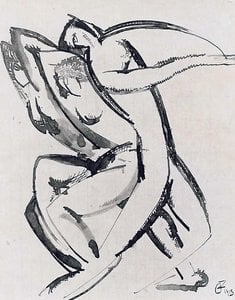
Segal’s formative years were spent in Romania, absorbing the artistic traditions of the region while simultaneously encountering the burgeoning avant-garde currents emanating from Berlin. A subsequent period in Paris and Italy allowed him to immerse himself in the vibrant artistic scene of the time, encountering the innovations of Post-Impressionism and early Modernism.

Key works · The 100 most famous works

75of 100

ადოლფ გოტლიბი

ამერიკელი Born in ნიუ-იორკი აბსტრაქტული ექსპრესიონიზმი Wikipedia in 12/32 languages

ადოლფ გოტლიბი

A crucial moment arrived in 1935 when Gottlieb joined forces with artists like Mark Rothko and John D. Graham to form “The Ten,” later known as the New York Artists Painters group. His work is now represented in major museum collections worldwide, including the Museum of Modern Art (MoMA) in New York City and the Tate Modern in London—a testament to its enduring power and influence.

Key works · The 100 most famous works

76of 100

Jean-Paul Riopelle

Canadian Born in Montreal Lyrical Abstraction Wikipedia in 14/32 languages

Jean-Paul Riopelle

Les Automatistes: Riopelle was a member of Les Automatistes in the 1940s, embracing Surrealist principles and exploring spontaneous creation. Move to Paris (1947): His relocation to Paris proved transformative, leading to his first solo exhibition at Galerie La Dragonne in 1949. Riopelle was the first Canadian painter since James Wilson Morrice to achieve widespread international recognition.

Key works · The 100 most famous works

77of 100

Gabriele Münter

German Born in Berlin Expressionism Wikipedia in 18/32 languages

Gabriele Münter

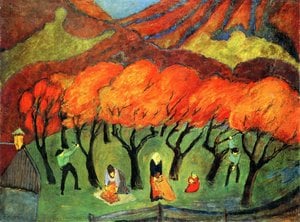
Gabriele Münter stands as a pivotal figure in the vibrant landscape of early 20th-century German art, a painter whose contributions to Expressionism were long overshadowed but are now rightfully celebrated. She joined his Phalanx school in 1901, where she absorbed the principles of Post-Impressionism and experimented with innovative techniques like using palette knives to apply paint—a method that would become a hallmark of her style.

Key works · The 100 most famous works

79of 100

Wojciech Weiss

Polish Born in Leorda Expressionism Wikipedia in 11/32 languages

Wojciech Weiss

Weiss's distinctive style is characterized by intense emotion conveyed through muted color palettes and dynamic brushstrokes—a hallmark of Expressionism. His canvases capture psychological states with remarkable sensitivity, reflecting the anxieties and uncertainties of his time. Furthermore, he engaged with Symbolist artists such as Edvard Munch and Gustav Klimt, incorporating evocative imagery and psychological depth into his compositions.

Key works · The 100 most famous works

80of 100

ად რينهარტი

ამერიკელი Born in ბუფალო აბსტრაქტული ექსპრესიონიზმი, მინიმალიზმი Wikipedia in 12/32 languages

ად რينهარტი

Key works · The 100 most famous works

82of 100

Max Kurzweil

Austrian Born in Bzenec Vienna Secession Wikipedia in 13/32 languages

Max Kurzweil

His relocation to Vienna in 1879 marked the beginning of a transformative era for both the artist and the city itself, as he moved from the quietude of his Czech origins toward the vibrant, pulsing energy of a burgeoning metropolis. While he achieved significant professional milestones—including being awarded the prestigious Villa Romana prize in 1905 and serving as a respected professor at the Frauenkunstschule —his personal existence was often shadowed by an innate sense of melancholy.

Key works · The 100 most famous works

83of 100

Bernard Buffet

French Born in Paris Expressionism

Bernard Buffet

By the late 1950s, shifting artistic tides toward total abstraction and criticisms regarding his prolific output and lavish lifestyle led to a period of professional alienation. Nevertheless, Buffet’s dedication to his craft never wavered. Despite his immense success, Buffet’s journey was not without its tribulations.

Key works · The 100 most famous works

84of 100

Heinrich Campendonk

German/Dutch Born in Krefeld Der Blaue Reiter Wikipedia in 13/32 languages

Heinrich Campendonk

The Blaue Reiter’s emphasis on symbolism, spirituality, and the connection between art and nature profoundly impacted Campendonk's work, leading him to incorporate elements of folklore, mythology, and dream imagery into his compositions.

Key works · The 100 most famous works

85of 100

Mark Tobey

American Born in Centerville Abstract Expressionism Wikipedia in 14/32 languages

Mark Tobey

Thompson introduced Tobey to the tenets of the Baháʼí Faith, a religion emphasizing the unity of all religions and humanity’s spiritual evolution. Tobey’s travels became increasingly frequent and purposeful, taking him across Europe, Palestine, Turkey, Lebanon, China, and Japan. He represented the United States at the Venice Biennale in 1958, further solidifying his position as a major figure in the art world.

Key works · The 100 most famous works

86of 100

John Bellany

Scottish Expressionism; Surrealism

John Bellany

During his formative years at the Edinburgh College of Art, he forged lasting bonds with contemporaries such as Alan Bold and Alexander Moffat, contributing to a movement dedicated to revitalizing Scottish art through a blend of local heritage and international influence. John Bellany’s contribution to British art history is marked by his ability to elevate regional Scottish identity to a universal stage.

Key works · The 100 most famous works

90of 100

კერი جيمს მარშალი

American Born in ბირმინგი Neo-Expressionism Wikipedia in 8/32 languages

კერი جيمს მარშალი

Born on October 17, 1955, in Birmingham, Alabama, Marshall’s early life was shaped by the profound social tremors of the American South and the subsequent migration to Los Angeles. From his tenure as a professor at the University of Illinois at Chicago to major retrospective exhibitions like Kerry James Marshall: Mastry at the Museum of Contemporary Art, Chicago, his influence permeates both the academy and the public consciousness.

Key works · The 100 most famous works

91of 100

გუსტავ დე სმეთი

ბელგიელი Born in გენტში ფლანდრიული ექსპრესონიზმი Wikipedia in 10/32 languages

გუსტავ დე სმეთი

During his time in the Netherlands, his work was influenced by the Bergen School and the works of Henri Le Fauconnier. Despite facing financial hardships during the Great Depression, which led to the bankruptcy of the Galerie Le Centaure and the sale of many of his works, he remained dedicated to his craft.

Key works · The 100 most famous works

94of 100

Mary Ascher

British Biblical scenes, female figures

Mary Ascher

Her use of light and shadow was particularly masterful, imbuing her figures with a sense of depth and psychological complexity. Beyond the technical aspects, Ascher’s process involved a deep engagement with the source material. Her influence can be seen in later generations of artists who sought to infuse their work with personal meaning and social commentary.

Key works · The 100 most famous works

95of 100

Frits Van Den Berghe

Belgian Born in Ghent Expressionism, Surrealism Wikipedia in 10/32 languages

Frits Van Den Berghe

Notably, he collaborated on a comic strip series with Jean Ray, further demonstrating his versatility as an artist. His legacy endures as one of the most significant figures of the Belgian Expressionist movement. Van Hecke’s unwavering support provided Van den Berghe with crucial exposure and access to the artistic circles of Brussels and Ghent.

Key works · The 100 most famous works

96of 100

Ernst Barlach

Ernst Barlach

A pivotal trip to Russia in 1906 profoundly influenced his artistic direction, exposing him to new perspectives and a more expressive aesthetic. Financial support from art dealer Paul Cassirer allowed Barlach to develop his unique style, focusing on the emotional intensity of human figures.

Key works · The 100 most famous works

100of 100

Heinrich Nauen

German Born in Krefeld Expressionism Wikipedia in 10/32 languages

Heinrich Nauen

Unlike many artists who sought grand urban centers, Nauen found his creative haven in the Rhineland, a region steeped in folklore, rural beauty, and a deep connection to the land – influences that would irrevocably shape his distinctive style. Nauen’s formal training began at the Kunstakademie Düsseldorf in 1898, where he honed his skills under the tutelage of established masters. While Nauen’s work predates the formal establishment of German Expressionism, it undeniably shares many key characteristics with the movement.

Key works · The 100 most famous works

The paintings behind the names

Famous Expressionist works and the artists who made them

  1. კომპოზიცია VII by ვასილი კანდინსკი

    კომპოზიცია VII

    ვასილი კანდინსკი

    1913 · ტრესტიაკოვის სახელმწიფო გალერეა, მოსკოვი

  2. The Scream by ედვარდ მუნკი

    The Scream

    ედვარდ მუნკი

    1895

  3. Hollywood Africans in Front of the Chinese by ჟან-მიშელ ბასკია

    Hollywood Africans in Front of the Chinese

    ჟან-მიშელ ბასკია

    1983

  4. New Angel by პაულ კლეე

    New Angel

    პაულ კლეე

    1920 · ისრაელის მუზეუმი, იერუსალიმი

  5. One. Number 31, 1950 by ჯექსონ პოლოკი

    One. Number 31, 1950

    ჯექსონ პოლოკი

  6. Nude Bust by ამედეო მოდილიანი

    Nude Bust

    ამედეო მოდილიანი

    1915

  7. ვალის გამოსახულება by ეგონ შილე

    ვალის გამოსახულება

    ეგონ შილე

    1912 · Leopold Museum, ვენა

  8. ძაღლი by ფრენსის ბეკონი

    ძაღლი

    ფრენსის ბეკონი

    1952 · MOMA - მოდერნ არტის მუზეუმი, ნიუ-იორკი

Through time

A Expressionist timeline in masterpieces

  1. 1888
  2. 1911
  3. 1913
  4. 1917
  5. 1922
  6. 1933
  7. 1944
  8. 1950
  9. 1952
  10. 1958
  11. 1966
  12. 1971
  13. 1984
  14. 1996

In figures

By the numbers

All of them, in order

List of the 100 famous Expressionist painters

  1. 1ვასილი კანდინსკივასილი კანდინსკირუსი · 1866–1944
  2. 2ედვარდ მუნკიედვარდ მუნკინორვეგიელი · 1863–1944
  3. 3ჟან-მიშელ ბასკიაჟან-მიშელ ბასკიაამერიკელი · 1960–1988
  4. 4პაულ კლეეპაულ კლეეშვეიცარიელი-გერმალი · 1879–1940
  5. 5ჯექსონ პოლოკიჯექსონ პოლოკიამერიკელი · 1912–1956
  6. 6ამედეო მოდილიანიამედეო მოდილიანიიტალიელი · 1884–1920
  7. 7ეგონ შილეეგონ შილეავსტრიელი · 1890–1918
  8. 8ფრენსის ბეკონიფრენსის ბეკონიირლანდიელი · 1909–1992
  9. 9გერჰარდ რიხტერიგერჰარდ რიხტერიGerman · born 1932
  10. 10უილიამ დე კუნინგიუილიამ დე კუნინგინიდო-ამერიკელი · 1904–1997
  11. 11ჯასპერ ჯოუნზიჯასპერ ჯოუნზიამერიკელი · born 1930
  12. 12მარკ როთკომარკ როთკოამერიკელი · 1903–1970
  13. 13ფრანც მარკიფრანც მარკიგერმანელი · 1880–1916
  14. 14ოსკარ კოკოშკაოსკარ კოკოშკაავსტრიელი, ჩეხი, ბრიტანელი · 1886–1980
  15. 15ერნსტ ლუდვიგ კირხნერიერნსტ ლუდვიგ კირხნერიგერმანელი · 1880–1938
  16. 16არშილე გორკიარშილე გორკიარმენეთ-ამერიკელი · 1904–1948
  17. 17ემილ ნოლდეემილ ნოლდეგერმან-დანიელი · 1867–1956
  18. 18ოტო დიქსიოტო დიქსიგერმანელი · 1891–1969
  19. 19ჯეიმზ კენსორიჯეიმზ კენსორიბელგიელი · 1860–1949
  20. 20ჰაიმ სუტინიჰაიმ სუტინიფრანგი · 1893–1943
  21. 21მაქს ბეკმანიმაქს ბეკმანიგერმანელი · 1884–1950
  22. 22ფრიდენსრაიხ ჰუნდერტვასერიფრიდენსრაიხ ჰუნდერტვასერიავსტრიელი · 1928–2000
  23. 23ანსელმ კიფერიანსელმ კიფერიგერმანელი · born 1945
  24. 24ლუსიან ფროიდილუსიან ფროიდიბრიტანელი · 1922–2011
  25. 25კეტე კოლვიციკეტე კოლვიციგერმანელი · 1867–1945
  26. 26ჟორჟ რულოჟორჟ რულოფრანგი · 1871–1958
  27. 27ალექსანდრე კალდერიალექსანდრე კალდერიშოტლანდიელ-ამერიკელი · 1898–1976
  28. 28დავიდ ალფარო სიკეიროსიდავიდ ალფარო სიკეიროსიმექსიკელი · 1896–1974
  29. 29ჰელენ ფრანკენთალერიჰელენ ფრანკენთალერიამერიკელი · 1928–2011
  30. 30საი თვომბლისაი თვომბლიამერიკელი · 1928–2011
  31. 31ლიონელ ფაინინგერილიონელ ფაინინგერიGerman-American · 1871–1956
  32. 32ბარნეტ ნიუმენიბარნეტ ნიუმენიამერიკელი · 1905–1970
  33. 33ფრანტიშეკ კუპკაფრანტიშეკ კუპკაჩეხი · 1871–1957
  34. 34Paula მოდერსონ-ბეკერიPaula მოდერსონ-ბეკერიგერმანელი · 1876–1907
  35. 35ჯულიან შნაბელიჯულიან შნაბელიამერიკელი · born 1951
  36. 36გეორგ ბაზელიციგეორგ ბაზელიციგერმანელი · 1938–2026
  37. 37ლი კრასნერილი კრასნერიამერიკელი · 1908–1984
  38. 38კარლ შმიტ-როტლუფკარლ შმიტ-როტლუფგერმანიელი · 1884–1976
  39. 39ჰანს ჰარტუნგიჰანს ჰარტუნგიგერმან-ფრანგი · 1904–1989
  40. 40ფრანკ აუერბახიფრანკ აუერბახიბრიტანელი · 1931–2024
  41. 41რობერტ მამერუელირობერტ მამერუელიამერიკელი · 1915–1991
  42. 42ფრანც კლაინიფრანც კლაინიამერიკელი · 1910–1962
  43. 43პიტერ დოიპიტერ დოიSchottlandian (შოტლანდიელი) · born 1959
  44. 44მ. ფ. ჰუსეინიმ. ფ. ჰუსეინიინდელი · 1915–2011
  45. 45ავგუსტ მაკეავგუსტ მაკეGerman · 1887–1914
  46. 46ალექსეი იავლენსკიალექსეი იავლენსკირუსი · 1864–1941
  47. 47ფილიპ გასტონიფილიპ გასტონიკანადაელი-ამერიკელი · 1913–1980
  48. 48ლოველ კორინთილოველ კორინთიგერმანია · 1858–1925
  49. 49ელის ნილიელის ნილიამერიკელი · 1900–1984
  50. 50ზაო ვუ-კიზაო ვუ-კი1920–2013
  51. 51იოჰანეს იტენიიოჰანეს იტენიშვეიცარიელი · 1888–1967
  52. 52სტანისლავ იგნაცი ვიტკევიჩისტანისლავ იგნაცი ვიტკევიჩიპოლিশი · 1885–1939
  53. 53ეrich Heckelეrich HeckelGerman · 1883–1970
  54. 54არნოლდ შონბერგიარნოლდ შონბერგიავსტრიელი-ამერიკელი · 1874–1951
  55. 55მარიანა ვერიოვკინამარიანა ვერიოვკინარუს-გერმან-შვედი · 1860–1938
  56. 56ჰერმან მაქს პეჩშტაინიჰერმან მაქს პეჩშტაინიესპანელი · 1881–1955
  57. 57ვილმოს აბა-ნოვაკივილმოს აბა-ნოვაკიუნგრელი · 1894–1941
  58. 58Nadežda PetrovićNadežda PetrovićSerbian · 1873–1915
  59. 59ოტო მიულერიოტო მიულერიგერმანელი · 1874–1930
  60. 60Constant PermekeConstant PermekeBelgian · 1886–1952
  61. 61ჟიულ პასტინიჟიულ პასტინი1885–1930
  62. 62ქრისტიან როლფსიქრისტიან როლფსიგერმანელი · 1849–1938
  63. 63Wilhelm LehmbruckWilhelm LehmbruckGerman · 1881–1919
  64. 64ოსიპ ზადკინიოსიპ ზადკინირუსულ-ფრანგული · 1888–1967
  65. 65კლიფორდ სტილკლიფორდ სტილამერიკელი · 1904–1980
  66. 66რიჩარდ გერსტლირიჩარდ გერსტლიავსტრიელი · 1883–1908
  67. 67რიჩარდ დიბენკორნირიჩარდ დიბენკორნიამერიკელი · 1922–1993
  68. 68ჯონ მარინიჯონ მარინიამერიკელი · 1870–1953
  69. 69ჩარლზ ჰენრი სიმსიჩარლზ ჰენრი სიმსიბრიტანელი · 1873–1928
  70. 70იანის ცაროიჩიიანის ცაროიჩიბერძენი · 1910–1989
  71. 71აარონ სისკინდიაარონ სისკინდიამერიკელი · 1903–1991
  72. 72ჰანს ჰოფმანიჰანს ჰოფმანიგერმან-ამერიკელი · 1880–1966
  73. 73Arthur SegalArthur SegalRomanian · 1875–1944
  74. 74ალბინ აგერ-ლიენციალბინ აგერ-ლიენცი1868–1926
  75. 75ადოლფ გოტლიბიადოლფ გოტლიბიამერიკელი · 1903–1974
  76. 76Jean-Paul RiopelleJean-Paul RiopelleCanadian · 1923–2002
  77. 77Gabriele MünterGabriele MünterGerman · 1877–1962
  78. 78იუ Youngkukიუ Youngkukკორეელი · 1916–2002
  79. 79Wojciech WeissWojciech WeissPolish · 1875–1950
  80. 80ად რينهარტიად რينهარტიამერიკელი · 1913–1967
  81. 81კარლ ბლოსფელდტიკარლ ბლოსფელდტიგერმანელი · 1865–1932
  82. 82Max KurzweilMax KurzweilAustrian · 1867–1916
  83. 83Bernard BuffetBernard BuffetFrench · 1928–1999
  84. 84Heinrich CampendonkHeinrich CampendonkGerman/Dutch · 1889–1957
  85. 85Mark TobeyMark TobeyAmerican · 1890–1976
  86. 86John BellanyJohn BellanyScottish · 1942–2013
  87. 87იან სლუიტერსიიან სლუიტერსიჰოლანდიელი · 1881–1957
  88. 88Wilhelm MorgnerWilhelm MorgnerGerman · 1891–1917
  89. 89პოლ ჯენკსიპოლ ჯენკსიამერიკელი · 1923–2012
  90. 90კერი جيمს მარშალიკერი جيمს მარშალიAmerican · born 1955
  91. 91გუსტავ დე სმეთიგუსტავ დე სმეთიბელგიელი · 1877–1943
  92. 92Armand SchonbergerArmand SchonbergerFrench · 1885–1974
  93. 93Werner PeinerWerner PeinerGerman · 1897–1984
  94. 94Mary AscherMary AscherBritish · 1900–1988
  95. 95Frits Van Den BergheFrits Van Den BergheBelgian · 1883–1939
  96. 96Ernst BarlachErnst Barlach1870–1938
  97. 97ეთელ ნ. アドნანიეთელ ნ. アドნანიAmerican · 1925–2021
  98. 98ლინდ ვორდილინდ ვორდიამერიკელი · 1905–1985
  99. 99მსტიслав დობუჟინსკიმსტიслав დობუჟინსკირუსულ-ლიتوانელი · 1875–1957
  100. 100Heinrich NauenHeinrich NauenGerman · 1880–1940

Your questions, answered

Frequently asked questions

Keep reading

Further reading on WahooArt.com

Other movements

Famous artists of other movements

Other periods

Famous artists of other periods

More rankings

Explore more