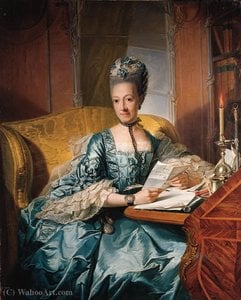
Rococo painters, ranked

100 Famous Rococo Painters: The Definitive Ranking

The most famous Rococo painter is ჟან-ანტუან ვატო (1684–1721), known for ცითერის გასეირნება and Pierrot, formerly known as Gilles. Next come კანალეტო, ჯამბატისტა ტიეპოლო, ფრანსუა ბუშე and ჟან-ონორე ფრაგონარი. This ranking of the 100 most famous Rococo painters runs from ჟან-ფრანსუა დე ტროი (born 1645) to ედუარ ჰონორეავე (born 1818), across 19 countries.

How this list is ranked. Artists whose works our catalogue files under Rococo, in the order of our fame ranking of artists. Artists without a Wikidata identifier born after 1955 are left out until verified. The Wikipedia figure next to each name is the number of our 32 languages in which Wikipedia has an article on the artist.

  1. ცითერის გასეირნება by ჟან-ანტუან ვატო1ჟან-ანტუან ვატო
  2. The Stonemason's Yard by კანალეტო2კანალეტო
  3. სიწმინდის აღიარება by ჯამბატისტა ტიეპოლო3ჯამბატისტა ტიეპოლო

The essentials

Rococo at a glance

  • 100Artists
  • 1645–1818Years of birth
  • 19Countries of birth
  • 5Women
  • 1Living artists
  • 11 037Works in our catalogue

Ranked, with their masterpieces

The ranking: 100 Rococo Painters and their key works

1of 100

ჟან-ანტუან ვატო

ფრანგილიური Born in ვალანსიენი როკოકો სტილი Wikipedia in 31/32 languages

ჟან-ანტუან ვატო

He did not rely on the heavy, rigid lines of the previous era; instead, he favored a feathery brushstroke that suggested movement and air. This method allowed him to build a world that felt both present and fleeting, a quality that defined his unique approach to the canvas. He arrived at a moment when the heavy, dramatic shadows of the Baroque were beginning to wane, and he breathed new life into the medium by shifting its focus toward the Rococo.

Key works · The 100 most famous works

2of 100

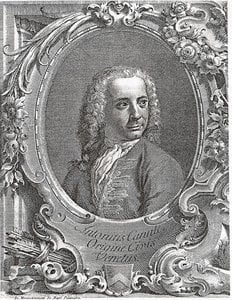
კანალეტო

იტალიელი Born in ვენეცია ვენეციური ვედუტა Wikipedia in 30/32 languages

კანალეტო

Key works · The 100 most famous works

3of 100

ჯამბატისტა ტიეპოლო

იტალიელი Born in ვენეცია როკოკო და ბაროკო Wikipedia in 30/32 languages

ჯამბატისტა ტიეპოლო

He drew heavily from the traditions of Veronese, particularly in his use of elegant costumes and grand architectural settings. He looked to the dramatic qualities of Tintoretto and the works of Sebastiano Ricci, Giovanni Battista Piazzetta, and Federico Bencovich. His ability to absorb the color language of Paolo Veronese was so deep that his contemporaries gave him the name Veroneseredivio.

Where to see To find his hand, one often looks to the very spaces he was commissioned to transform.

Key works · The 100 most famous works

4of 100

ფრანსუა ბუშე

ფრანგი Born in პარიზი როკოკო Wikipedia in 30/32 languages

ფრანსუა ბუშე

After securing the prestigious Grand Prix de Rome, the young artist set his sights on Italy. He arrived in Rome in 1728 to study at the French Academy, a period that would fundamentally shape his artistic sensibilities.

Where to see In Paris, the Louvre holds several of his canvases, preserving the spirit of the courtly life he so carefully rendered.

Key works · The 100 most famous works

5of 100

ჟან-ონორე ფრაგონარი

ფრანგი Born in გრასი როკოკო Wikipedia in 28/32 languages

ჟან-ონორე ფრაგონარი

Key works · The 100 most famous works

6of 100

ჟან-ბატისტ-სიმეონ შარდენი

ფრანგი Born in პარიზი ნატურალიზმი Wikipedia in 27/32 languages

ჟან-ბატისტ-სიმეონ შარდენი

Chardin’s presence in Paris was marked by a steady, quiet ascent through the city's artistic circles. For much of his career, he resided on the Left Bank near Saint-Sulpice, a location that anchored his life within the familiar rhythms of the neighborhood. By focusing on the tangible reality of a copper pot or a piece of fruit, he paved the way for the Realist movement, influencing painters like Gustave Courbet who sought to depict life without embellishment.

Where to see His presence is felt strongly in Paris, where the Musée du Louvre holds a significant portion of his output.

Key works · The 100 most famous works

7of 100

თომას გეინსბორო

ბრიტანელი Born in სედერბი როკოკო, რომანტიზმი Wikipedia in 29/32 languages

თომას გეინსბორო

The brush moved with a certain restless energy across his canvases, favoring quick brushstrokes that suggested form rather than laboriously defining it. He did not merely seek to record a face, but to capture the subtle interplay between human emotion and the splendor of the natural world.

Where to see To walk through the rooms of Gainsborough’s House in Sudbury is to step into the very environment that nurtured his early vision.

Key works · The 100 most famous works

8of 100

ჯოშუა რეინოლდზი

ინგლისელი Born in პლიმაუთი Grand Style პორტრეტიზმი Wikipedia in 31/32 languages

ჯოშუა რეინოლდზი

He returned to England with a clear vision for how British art could move beyond simple likenesses. He began to promote a method known as the 'Grand Style,' a way of painting that sought to improve upon reality. His works remain central to the study of this era, held in significant collections such as the National Gallery and the National Portrait Gallery Collection.

Key works · The 100 most famous works

9of 100

ჟან-ბატისტ გრეზი

French Born in Tournus Rococo, Genre painting Wikipedia in 22/32 languages

ჟან-ბატისტ გრეზი

Le Père de famille expliquant la Bible à ses enfants (1755): მისი ადრინდელი წარმატების საყდარი, რომელიც განმ enlightenmentების იდეალებს წარმოადგენს ოჯახური პატივმოყვარეობის შესახებ. La Jeune Fille qui pleure son oiseau mort (c. 1765): გრეზის ემოციური გამოხატვის უნარის დემონსტრაცია და გამომსახველობითი ისტორიების მოთხრობა. Savoyard with a Dancing Doll (c. 1763): ბავშვობის სულისკვეთება და ხასიათის აღწერა, მისი პორტრეტული უნარის ჩვენება.

Key works · The 100 most famous works

10of 100

ბერნარდო ბელლოტო

იტალიელი Born in ვენეცია ვედუტას ხატვა Wikipedia in 27/32 languages

ბერნარდო ბელლოტო

Key works · The 100 most famous works

11of 100

ფრანჩესკო გვარდი

Born in ვენეცია Wikipedia in 27/32 languages

ფრანჩესკო გვარდი

Key works · The 100 most famous works

12of 100

პიეტრო ლონგი

იტალიელი Born in ვენეცია ვენეციური живопись, როკოკო Wikipedia in 18/32 languages

პიეტრო ლონგი

Key works · The 100 most famous works

13of 100

ჯოვანი დომენიკო ტიえპოლო

Italian Born in ვენეცია Rococo Wikipedia in 18/32 languages

ჯოვანი დომენიკო ტიえპოლო

As the son of the legendary Giovanni Battista Tiepolo, Giandomenico did not merely inherit a name; he inherited a visual language of light, movement, and theatricality.

Key works · The 100 most famous works

14of 100

ჯოვანი ბატისტა პიაზეტა

იტალიელი Born in ვენეცია როკოკო Wikipedia in 16/32 languages

ჯოვანი ბატისტა პიაზეტა

Key works · The 100 most famous works

15of 100

ნიკოლა ლანკრე

ფრანგი Born in პარიზი როკოკო Wikipedia in 16/32 languages

ნიკოლა ლანკრე

La Servante Justifiée (1735-1740): აჩვენებს ლანკრესის უნარს, დახატოს საშინაო სცენები იუმორის გრძნობითა და მომხიბლავი მანერით. Le Jeu des Quatre-Coins: მხიარული აღწერა პოპულარული თამაშისა, რომელიც ასახავს სოციალური ურთიერთობის ენერგიასა და გასართობს.

Key works · The 100 most famous works

17of 100

როზალბა კარიერა

იტალიელი Born in ვენეცია როკოკო Wikipedia in 23/32 languages

როზალბა კარიერა

Key works · The 100 most famous works

18of 100

მარკ ნატიერი

ფრანგული Born in პარიზი როკოკო Wikipedia in 22/32 languages

მარკ ნატიერი

Key works · The 100 most famous works

19of 100

მორის კენტენ დე ლატური

ფრანგი Born in წმინდა-კატარინის ქალაქი როკოკო Wikipedia in 23/32 languages

მორის კენტენ დე ლატური

Key works · The 100 most famous works

20of 100

ალექსანდრე როсліნი

შვედური Born in მალმო როკოკო Wikipedia in 21/32 languages

ალექსანდრე როсліნი

Key works · The 100 most famous works

21of 100

იოჰან ცოფანი

გერმანელი Born in მაინის ფრანკფურტი ნეოკლასიციზმი, რეალიზმი Wikipedia in 15/32 languages

იოჰან ცოფანი

Key works · The 100 most famous works

22of 100

ლუი მიშელ ვან ლოო

French Born in ტულონი Rococo Wikipedia in 17/32 languages

ლუი მიშელ ვან ლოო

Van Loo’s artistic style is defined by its elegant compositions, refined brushwork, and flattering depictions of his subjects. Influenced by artists like Hyacinthe Rigaud, he developed a distinctive approach to portraiture that emphasized not only likeness but also the projection of power and social status. Even at this nascent stage, van Loo demonstrated exceptional talent, earning a prize from the prestigious Académie Royale de Peinture et de Sculpture in Paris in 1725 – a testament to his burgeoning skill and promise.

Pupil of Jean-Baptiste van Loo #53

Key works · The 100 most famous works

23of 100

ჟან-ეტიენ ლიოტიარდი

შვეიცარიელი Born in ჟენევა Wikipedia in 20/32 languages

ჟან-ეტიენ ლიოტიარდი

In his treatise, Traité des principes et des règles de la peinture, he argued that the purpose of painting was to act as a mirror of nature. This philosophy guided his hand whether he was working in oil, printmaking, or his most characteristic medium, pastel.

Where to see The distribution of Liotard’s output across Europe and beyond allows for a varied study of his technical precision.

Key works · The 100 most famous works

24of 100

ფრანსუა ლემოინი

ფრანგი Born in პარიზი როკოკო Wikipedia in 14/32 languages

ფრანსუა ლემოინი

Key works · The 100 most famous works

25of 100

ჟან-ფრანსუა დე ტროი

ფრანგი Born in ტულუზა როკოკო, ბაროკო Wikipedia in 12/32 languages

ჟან-ფრანსუა დე ტროი

Key works · The 100 most famous works

26of 100

ჟან-ბაპტიست პატერი

ფრანგი Born in ვალანსიენი როკოკოს პასტელური პალიტრა Wikipedia in 13/32 languages

ჟან-ბაპტიست პატერი

Key works · The 100 most famous works

27of 100

შარლ-ანდრე ვან ლუო

ფრანგული Born in ნიცა રોკოკოს მხატვრობა Wikipedia in 16/32 languages

შარლ-ანდრე ვან ლუო

Pupil of Jean-Baptiste van Loo #53

Key works · The 100 most famous works

28of 100

ფრანჩესკო ზუკარელი

იტალიელი Born in პიტილიანო როკოკო, ბაროკო Wikipedia in 15/32 languages

ფრანჩესკო ზუკარელი

Key works · The 100 most famous works

29of 100

იაკოპო ამიგონი

იტალიელი Born in ნეაპოლი გვიანი ბაროკო და როკოკო Wikipedia in 21/32 languages

იაკოპო ამიგონი

Key works · The 100 most famous works

30of 100

შარლ-ჟოზეფ ნატუარი

ფრანგული Born in ნიმი როკოკო Wikipedia in 15/32 languages

შარლ-ჟოზეფ ნატუარი

Key works · The 100 most famous works

31of 100

ფრანც ანტონ მაულბერტში

გერმანელი/ავსტრიელი Born in ლანგენარგენი როკოკო, ბაროკო Wikipedia in 16/32 languages

ფრანც ანტონ მაულბერტში

Key works · The 100 most famous works

32of 100

შარლ ანტუან კოპელი

ფრანგი Born in პარიზი ბაროკო როკოკო Wikipedia in 11/32 languages

შარლ ანტუან კოპელი

Key works · The 100 most famous works

33of 100

Adélaïde Labille-Guiard

French Born in Paris Rococo to Neoclassicism Wikipedia in 20/32 languages

Adélaïde Labille-Guiard

Adélaïde Labille-Guiard (1749–1803) stands as a remarkable figure in the history of French art, not merely for her exquisite portraits but also for her courageous challenge to the restrictive conventions that governed women’s roles within the artistic world. She defied societal expectations, navigated institutional barriers, and ultimately paved the way for future generations of female painters.

Key works · The 100 most famous works

34of 100

დმიტრი გრიგორიევიჩ ლევიტსკი

უკრაინელი-რუსი Born in კიევი კლასიკური პორტრეტული ჟანრი Wikipedia in 16/32 languages

დმიტრი გრიგორიევიჩ ლევიტსკი

Key works · The 100 most famous works

35of 100

ჟან-ბაპტის პიგალი

ფრანგი Born in ტურნუ ბაროკო და ნეოკლასიციზმი

ჟან-ბაპტის პიგალი

Key works · The 100 most famous works

36of 100

ანე ვალიერ-კოსტერი

ფრანგი Born in პარიზი როკოკო, Still Life (ნატürალური still life) Wikipedia in 14/32 languages

ანე ვალიერ-კოსტერი

Key works · The 100 most famous works

37of 100

ლუი ჟან-ფრანსუა ლագրენე

ფრანგი Born in პარიზი როკოკო, ნეოკლასიკა

ლუი ჟან-ფრანსუა ლագրენე

Key works · The 100 most famous works

38of 100

ჯამბატისტა პიტონი

Born in ვენეცია Late Baroque, Rococo Wikipedia in 19/32 languages

ჯამბატისტა პიტონი

Some of his most notable subjects include: Religious Iconography: Works such as Saint Roch and St Elizabeth Distributing Alms demonstrate his ability to portray Christian compassion and resilience through dramatic lighting and poignant human interaction.

Pupil of Antonio Balestra #69

Key works · The 100 most famous works

39of 100

გასპარ ვან ვიტელი (კასპარ ადრიანს ვან ვიტელი)

ჰოლანდიელი Born in ამერსფორტი ვედუტის ჟანრი Wikipedia in 14/32 languages

გასპარ ვან ვიტელი (კასპარ ადრიანს ვან ვიტელი)

Key works · The 100 most famous works

41of 100

ფრანსუა ჰიუბერ დრუა

Born in პარიზი როკოკო Wikipedia in 12/32 languages

ფრანსუა ჰიუბერ დრუა

Key works · The 100 most famous works

42of 100

ვლადიმერ ლუკიჩ ბოროვიკოვსკი

Born in მირგოროდი Wikipedia in 14/32 languages

ვლადიმერ ლუკიჩ ბოროვიკოვსკი

The ideas of Prince Nikolay Lvov also profoundly shaped his artistic vision. Artistic Movement: His work bridges the Rococo and Romanticism movements, exhibiting elements of both styles. Influences: He was influenced by Dmitry Levitzky and Johann Baptist Lampi, receiving private lessons from both.

Key works · The 100 most famous works

45of 100

Elisabeth-Louise Vigée-Lebrun

Elisabeth-Louise Vigée-Lebrun

She traveled extensively throughout Europe – Italy, Austria, Russia, and England – continuing to paint portraits of the aristocracy and establishing new networks of patronage. Petersburg, and London, where she was elected as an honorary member of the Royal Academy of Arts. Though the political landscape had changed dramatically, she was welcomed back into society and continued to paint until her death in Paris on March 30, 1842.

Key works · The 100 most famous works

46of 100

კორადო ჯაკვინტო

იტალიელი Born in მოლფეტა როკოკო Wikipedia in 11/32 languages

კორადო ჯაკვინტო

Key works · The 100 most famous works

47of 100

იოჰან ჰაინრიხ ტიშბაინი

გერმანელი Born in ჰაინა როკოკო Wikipedia in 10/32 languages

იოჰან ჰაინრიხ ტიშბაინი

The historical importance of Johann Heinrich Tischbein the Elder extends far beyond his individual achievements; he served as the cornerstone of a multi-generational artistic dynasty. By maintaining the role of gallery director in Kassel, he helped curate a visual legacy that would inspire his nephews and much of the next generation of German painters. His appointment as the court painter to William VIII, Landgrave of Hesse-Kassel, marked a pinnacle in his professional life.

Key works · The 100 most famous works

48of 100

კრისტიან ვილჰelm ერნსტ დიტრხი

German Born in ვაიმარი Imitation of Dutch & Italian masters Wikipedia in 11/32 languages

კრისტიან ვილჰelm ერნსტ დიტრხი

He was an artist who found his voice through the voices of others, ensuring that the brilliance of the Dutch and Italian masters continued to shine brightly within the German courts.

Key works · The 100 most famous works

49of 100

Charles Amédée Philippe Van Loo

French Born in Rivoli Rococo, Portraiture Wikipedia in 13/32 languages

Charles Amédée Philippe Van Loo

Vanloo's artistic style was deeply rooted in the traditions of the Baroque and Roman art academies, but he also drew inspiration from the work of contemporary artists such as Nicolas Lancret and Jean-Honoré Fragonard. His compositions are often dynamic and asymmetrical, creating a sense of movement and energy. He skillfully blended these influences to create a distinctive Rococo style characterized by its elegance, grace, and theatricality.

Pupil of Jean-Baptiste van Loo #53

Key works · The 100 most famous works

50of 100

გუსტაფ ლუნდბერგი

შვედი Born in სტოკჰოლმი როკოკოს პასტელური Wikipedia in 14/32 languages

გუსტაფ ლუნდბერგი

His portfolio serves as a visual chronicle of the 18th-century elite, featuring breathtaking depictions of Louis XV and his queen, Maria Leszczyńska. His life’s work remains a testament to several key artistic achievements: The Elevation of Pastel: He helped transition pastel from a secondary medium to a primary vehicle for high-status portraiture. Immersed in the rigorous traditions of French academies, he studied under luminaries such as Hyacinthe Rigaud and Nicolas de Largillière, absorbing the grandiosity of classical portraiture.

Key works · The 100 most famous works

52of 100

იაკობ დე ვიტი

ნიდერლანდელი Born in ამსტერდამი როკოკოს სტილი Wikipedia in 10/32 languages

იაკობ დე ვიტი

Key works · The 100 most famous works

53of 100

Jean-Baptiste van Loo

French Born in Aix-en-Provence Baroque, Rococo Wikipedia in 15/32 languages

Jean-Baptiste van Loo

His father, Louis-Abraham van Loo, himself the son of Jacob van Loo, instilled in him not only technical skill but also an appreciation for the power and prestige associated with portraiture.

Key works · The 100 most famous works

54of 100

John Wollaston

English Rococo Painting

John Wollaston

His work bears an unmistakable resemblance to the portraits of Thomas Hudson and Allan Ramsay, capturing not just the likeness of his subjects but the very essence of their social standing. His journey across the Atlantic in 1749 marked a transformative chapter for both the artist and the colonies. While later giants like Benjamin West and Gilbert Stuart would command the spotlight of American portraiture, Wollaston’s true contribution lies in his role as a pioneer, introducing the delicate elegance and shimmering sophistication of the Rococo style to North America.

Key works · The 100 most famous works

55of 100

Carl Gustaf Pilo

Swedish Born in Runtuna Rococo Wikipedia in 12/32 languages

Carl Gustaf Pilo

Perhaps no single work encapsulates the grandeur and technical complexity of Pilo’s career more than his monumental, though unfinished, masterpiece, "Gustav III’s Coronation." This painting serves as a breathtaking window into the ceremonial splendor of the Swedish monarchy.

Key works · The 100 most famous works

56of 100

Anna Dorothea Therbusch

German Born in Berlin Rococo Wikipedia in 13/32 languages

Anna Dorothea Therbusch

Anna Dorothea Therbusch (1721-1782) stands as a remarkable figure in the annals of Rococo art history —a woman artist who defied societal expectations and achieved considerable renown during the Enlightenment. Born into a family steeped in artistic tradition, her father, Georg Lisiewski, was himself a celebrated Berlin portrait painter, establishing a lineage dedicated to visual representation. Her acceptance into the Académie royale de peinture et de sculpture marked a pivotal moment in her career, affording her access to influential mentors and fostering collaborations with fellow artists like Philippe Hackert.

Key works · The 100 most famous works

59of 100

Michele Marieschi

Italian Born in Venice Vedute Venice Wikipedia in 9/32 languages

Michele Marieschi

Born in Venice in 1710, Marieschi emerged from a lineage of craftsmanship, being the son of a woodcarver—a background that likely instilled in him a profound respect for structure, texture, and the physical essence of the objects he depicted. In the golden age of the Venetian Rococo, few artists captured the ephemeral magic of the Serenissima with as much vitality as Michele Giovanni Marieschi.

Key works · The 100 most famous works

60of 100

Antonio Corradini

Italian Born in Este Rococo

Antonio Corradini

He built upon the dramatic energy of the former while embracing the lightness, elegance, and playful sensuality of the latter. The ability to create such realistic illusions with marble solidified his place as one of the leading sculptors of his time. After leaving Vienna, Corradini spent his final years in Rome and Naples, continuing to refine his art until his death in 1752.

Key works · The 100 most famous works

61of 100

მაისენის ფ Porcelain-ის მწარმოებელი ქარხანა

გერმანული Born in მაისენი მაგარი მასის ფარფურა

მაისენის ფ Porcelain-ის მწარმოებელი ქარხანა

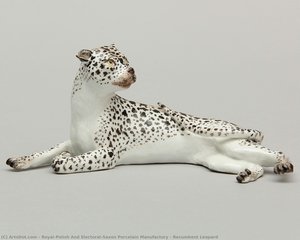
"სიმግባრის ალეგორიული ფიგურები" – წარმოაჩენს ქარხნის უნარს, sculptural ფორმაში ასახოს რთული კონცეპტები, რაც დეტალების სიზუსტესა და დახვეწილ მხატვრულ ხედვას მოითხოვს. "წოლილი ლეოპარდი" – წარმოადგენს რეალიზმისა და ელეგანტურობის ოსტატურ შერწყმას, რაც ასახავს მაისენის ერთგულებას ცხოველების გამორჩეული სიზუსტით world portrayal-სადმი.

Key works · The 100 most famous works

62of 100

Gerard van Spaendonck

Born in Tilburg Wikipedia in 12/32 languages

Gerard van Spaendonck

He contributed over fifty works to Les Vélins du Roi, a renowned collection of botanical watercolors commissioned by the French royal family. Fleurs Dessinees d'apres Nature (Flowers Drawn from Life): Published between 1799 and 1801, this series of twenty-four engraved plates served as a valuable resource for students of floral painting. Van Spaendonck died in Paris in 1822 and is buried in Père Lachaise Cemetery.

Key works · The 100 most famous works

66of 100

ფრენსის ჰეიმენი

ინგლისელი Born in ექსიტერი રોკოკო, პორტრეტული Wikipedia in 10/32 languages

ფრენსის ჰეიმენი

Key works · The 100 most famous works

67of 100

ლუი ტოკე

ფრანგი Born in პარიზი პორტრეტული გრაფიკა Wikipedia in 11/32 languages

ლუი ტოკე

Nattier’s atelier became Tocqué’s formative environment, where he honed his skills under the tutelage of masters like Hyacinthe Rigaud and Nicolas Bertin. While Tocqué’s output was relatively modest compared to some of his contemporaries, his portraits—particularly those commissioned by royalty—remain valuable examples of 18th-century French art.

Key works · The 100 most famous works

69of 100

Antonio Balestra

Born in Verona Wikipedia in 11/32 languages

Antonio Balestra

He then traveled to Bologna and subsequently Rome, working in the workshop of the renowned Carlo Maratta. Roman Classicism: Working with Maratta exposed him to classical ideals and academic rigor.

Key works · The 100 most famous works

71of 100

Georg Desmarées

Swedish-German Born in Stockholm City Rococo, Portraiture Wikipedia in 9/32 languages

Georg Desmarées

His early works, heavily influenced by his uncle Meytens and the French masters, exhibited a meticulous attention to detail and a restrained elegance. As he matured, de Marées increasingly embraced the Rococo aesthetic, evident in his use of brighter colors, more fluid brushwork, and a generally lighter, more decorative approach. Other notable works include portraits of members of the Elector’s family, such as The Countess Holstein (Lenbachhaus, Munich) and The Princess Portia (Staatsgalerie, Stuttgart).

Key works · The 100 most famous works

72of 100

ჟან-ბაპტი Strictest პილმენი

ფრანგი Born in ლიონი როკოკო და ნეოკლასიციზმი Wikipedia in 8/32 languages

ჟან-ბაპტი Strictest პილმენი

Key works · The 100 most famous works

73of 100

კორნელიე ტრუსტი

ჰოლანდიური Born in ამსტერდამი રોკოკოს ჟანრის სცენები Wikipedia in 8/32 languages

კორნელიე ტრუსტი

Key works · The 100 most famous works

74of 100

Jacques De Lajoue

French Born in Paris Neoclassical Painting Wikipedia in 8/32 languages

Jacques De Lajoue

These works were not mere depictions of existing structures but were instead monumental visions of palaces, temples, and manicured gardens designed to evoke a sense of mathematical harmony and sublime order. While his name may not resonate with the same immediate thunder as contemporaries like Boucher or Watteau, Lajoue occupied a unique niche in the French canon, serving as an artist who could bridge the gap between the rigid grandeur of classical structure and the delicate, emotive spirit of the Rococo.

Key works · The 100 most famous works

75of 100

რიჩარდ კოსვეი

ბრიტანელი Born in ტივერტონი რეგენსენსის პორტრეტული მინიატურები Wikipedia in 10/32 languages

რიჩარდ კოსვეი

Key works · The 100 most famous works

76of 100

ფილიპ მერსიე

ფრანგი Born in ბერლინი როკოკო Wikipedia in 7/32 languages

ფილიპ მერსიე

Key works · The 100 most famous works

77of 100

Per Krafft the Elder

Swedish Born in Arboga Rococo Wikipedia in 7/32 languages

Per Krafft the Elder

Beyond his individual achievements, Per the Elder Krafft’s historical significance is cemented by the artistic legacy he left within his own family. His children, Per Krafft the Younger and the miniaturist Wilhelmina Krafft, both studied at the Royal Swedish Academy of Fine Arts, carrying forward the technical excellence and emotive depth instilled by their father.

Key works · The 100 most famous works

78of 100

Johann Georg Pinzel

Ukrainian, Czech Born in Buchach Baroque, Rococo

Johann Georg Pinzel

Settling in Buchach, Pinsel quickly established himself as a favored artist within Potocki's circle. This synergy is particularly evident in projects like the Buchach Town Hall (1750s) and the Trinitarian Church (1756-1757), where architecture and sculpture coalesce into a unified expression of Baroque grandeur. Despite his prolific output, Pinsel’s life ended relatively early, between September 16, 1761, and October 24, 1762, likely in Buchach.

Key works · The 100 most famous works

79of 100

Alessandro Longhi

Born in Venice Wikipedia in 10/32 languages

Alessandro Longhi

Longhi specialized in portraiture, particularly depictions of Venetian nobles and prominent figures. His portraits often feature elaborate robes and emblems of office, reflecting his subjects’ positions and power – a characteristic noted in comparison to artists like Sebastiano Bombelli. While deeply influenced by his father's realistic approach, Alessandro Longhi also demonstrated an appreciation for other masters.

Key works · The 100 most famous works

80of 100

Giuseppe Bonito

Italian Born in Castellammare di Stabia Rococo Wikipedia in 11/32 languages

Giuseppe Bonito

Born in 1707 in Castellammare di Stabia, Bonito emerged from a period of profound artistic transition, where the dramatic weight of the Baroque was beginning to soften into the playful elegance of the Rococo. Though some of his works were historically subject to attribution disputes—often being confused with those of his contemporary, Gaspare Traversi —modern scholarship has helped to reclaim Bonito’s distinct identity.

Key works · The 100 most famous works

81of 100

კრისტოფ ჰუე

ფრანგი Born in პონტუაზი იდილიური სცენები Wikipedia in 4/32 languages

კრისტოფ ჰუე

Key works · The 100 most famous works

82of 100

ლუი დე სილვესტრი

ფრანგი Born in სო ბაროკო, როკოკო Wikipedia in 7/32 languages

ლუი დე სილვესტრი

These monumental paintings showcase Silvestre's ability to seamlessly blend classical mythology with Baroque aesthetics. The “ Arion playing the Lyre ” is a particularly striking example, capturing the drama and emotion of the myth in a visually stunning composition. He represents a crucial link between the Baroque traditions of France and the emerging Rococo style, embodying a synthesis of classical learning and aristocratic patronage.

Key works · The 100 most famous works

83of 100

Luis Paret Y Alcázar

Spanish Born in Madrid Rococo Wikipedia in 8/32 languages

Luis Paret Y Alcázar

In the vibrant, sun-drenched tapestry of 18th-century Spain, few artists captured the delicate interplay of light and social elegance as masterfully as Luis Paret y Alcázar. Paret’s artistic foundation was laid within the prestigious halls of the Academia Real de San Fernando. His influence traveled across oceans, notably shaping the trajectory of Puerto Rican art through his pupil, José Campeche.

Key works · The 100 most famous works

84of 100

იოჰან სალომონ ვალი

გერმანელი, დანიელი Born in ქემნიც Wikipedia in 5/32 languages

იოჰან სალომონ ვალი

He did not begin his formal training until much later, entering a period of study that lasted from 1705 to 1711. Hoyer held the position of court painter in Leipzig, a role that likely shaped the technical precision Wahl would later bring to his own subjects.

Key works · The 100 most famous works

85of 100

Giuseppe Nogari

Italian Born in Venice Rococo Wikipedia in 8/32 languages

Giuseppe Nogari

His talent attracted the attention of powerful international patrons, most notably the German nobility residing in Venice, such as Sigismund Streit and Johann Matthias von der Schulenburg.

Key works · The 100 most famous works

86of 100

ჟან რანკ

ფრანგი Born in მონპელიე ბაროკო/ნეოკლასიციზმი Wikipedia in 8/32 languages

ჟან რანკ

Ranc’s artistic style closely mirrored that of Hyacinthe Rigaud, characterized by a refined Rococo aesthetic infused with subtle realism. He secured commissions from prominent figures of Parisian society, including François Verdier and Carlos III de España, demonstrating his ability to adapt to diverse artistic tastes. Jean Ranc's contribution to 18th-century portraiture lies in his embodiment of the Rigaudian style—a synthesis of Baroque grandeur and Rococo delicacy that solidified its position as a dominant aesthetic during Philip V’s reign.

Key works · The 100 most famous works

87of 100

ნათანიელ ჰონ ზეთ ელი Dearly

ირლანდიელი Born in დუბლინი ბარბიზონის პეიზაჟები და როკოკოს პორტრეტი Wikipedia in 4/32 languages

ნათანიელ ჰონ ზეთ ელი Dearly

He skillfully blended illusionistic techniques with tonal gradations, creating images that resonate with emotional depth. ‘ The Honourable Mrs Curzon’ (1778): This miniature showcases Hone's exceptional skill in capturing the subtleties of facial expression and posture—a hallmark of Rococo portraiture. Nathaniel Hone I exerted considerable influence on subsequent generations of artists, particularly those exploring the Barbizon landscape style.

Key works · The 100 most famous works

88of 100

Jean Raoux

French Born in Montpellier Symbolist Art Wikipedia in 7/32 languages

Jean Raoux

His career unfolded against a backdrop of shifting tastes—a transition from the grandeur of the Baroque to the more intimate sensibilities of the Rococo —and he deftly navigated these currents, leaving behind a body of work that continues to intrigue and delight. He spent three formative years in Italy, specifically Venice, undertaking decorative commissions for the palace of Giustiniani Solini. Following a stay in England in 1720, Raoux spent much of his later life decorating rooms within the Temple complex in Paris.

Key works · The 100 most famous works

89of 100

ედუარ ჰონორეავე

ფრანგი Born in პარიზი Neოკლასიცისტული/რომანტიკული

ედუარ ჰონორეავე

Key works · The 100 most famous works

90of 100

Francesco Zugno

Italian Born in Venice Rococo Wikipedia in 6/32 languages

Francesco Zugno

Within the luminous and often overwhelming splendor of eighteenth-century Venice, the name Francesco Zugno emerges as a vital, if somewhat enigmatic, thread in the tapestry of the Rococo era. His early years were shaped by the prestigious traditions of his ancestors, including the fifteenth-century painter Giambattista Zugno, and he received formal training at the Academy of Painting and Sculpture of Venice.

Key works · The 100 most famous works

91of 100

Joseph Boze

French Born in Martigues Portraiture Wikipedia in 7/32 languages

Joseph Boze

Notably, he survived the Reign of Terror thanks to his unwavering loyalty and diplomatic connections, demonstrating an astute awareness of political realities. Among his most celebrated commissions were portraits of Jean-Paul Marat—a revolutionary icon—and Charles Eugène Gabriel de la Croix, Marquis de Castries—a military leader who played a crucial role in restoring the monarchy. His work represents a pivotal moment in French art history —a testament to artistic excellence amidst political turmoil.

Key works · The 100 most famous works

92of 100

Louis Joseph Watteau

French Born in Valenciennes Fêtes galantes Wikipedia in 6/32 languages

Louis Joseph Watteau

Recognizing his son's prodigious talent early on, Jean secured him an apprenticeship with Antoine Goujon, a sculptor renowned for his monumental works at Versailles—a connection that would prove invaluable to Watteau’s artistic development. He subsequently studied under Nicolas Frémiet, further honing his skills in drawing and etching, disciplines that would serve as crucial tools throughout his career. His innovative techniques—particularly his atmospheric perspective and luminous color palettes—inspired painters across Europe, including Jean-Honoré Fragonard and François Boucher, who embraced fêtes galantes as their primary expressive medium.

Key works · The 100 most famous works

93of 100

Jacobus Buys

Dutch Born in Amsterdam Rococo Wikipedia in 5/32 languages

Jacobus Buys

However, he wasn’t simply replicating past styles; he synthesized these influences with the prevailing Rococo aesthetic sweeping across Europe. Buys’s ability to seamlessly blend these influences—the Dutch tradition of realism with the French Rococo's emphasis on elegance and ornamentation—is what sets him apart. The influence of earlier Dutch masters is subtly present in Buys's work, particularly in his meticulous attention to detail and the use of light and shadow reminiscent of the Golden Age painters.

Key works · The 100 most famous works

94of 100

Jeremiah Theus

Swiss Born in Chur Rococo Wikipedia in 5/32 languages

Jeremiah Theus

Notable Commissions: Theus undertook numerous commissions throughout his career, demonstrating versatility and responsiveness to client needs. Teaching & Artistic Legacy: Recognizing the importance of fostering artistic talent, Theus opened an evening drawing school in 1744—a pioneering initiative that nurtured aspiring artists within Charleston’s intellectual circles. Jeremiah Theus' contribution to American art history extends beyond his individual achievements; he represents a crucial link between European artistic traditions and the nascent cultural identity of the United States.

Key works · The 100 most famous works

95of 100

Vigilius Eriksen

Danish Born in Copenhagen Rococo Wikipedia in 7/32 languages

Vigilius Eriksen

From his beginnings in Copenhagen to the heights of the Russian imperial court and his eventual return to Denmark as a royal portraitist for Christian VI, he remained a central figure in the visual identity of the era's most powerful figures.

Key works · The 100 most famous works

96of 100

Georg David Matthieu

German Born in Berlin Rococo Wikipedia in 6/32 languages

Georg David Matthieu

Matthieu utilizes specific elements to communicate status: The inclusion of books and maps to suggest intellectual pursuit and territorial dominion. His friendship with Jakob Philipp Hackert likely brings broader European influences into his practice, particularly through shared study trips to Italy.

Key works · The 100 most famous works

97of 100

Robert Tournières

Born in Ifs Wikipedia in 6/32 languages

Robert Tournières

He skillfully blended elements of Dutch intimacy – particularly evident in his genre scenes – with the emerging lightness and elegance that would come to define the Rococo style. While not considered among the most powerful painters of his era, critics acknowledged his careful technique and refined execution. This influence is visible in his attention to light, shadow, and the intimate portrayal of everyday life.

Key works · The 100 most famous works

98of 100

Jose Del Castillo

Spanish Born in Madrid Neoclassical Wikipedia in 7/32 languages

Jose Del Castillo

Illustrative Mastery: Notable contributions to literature, including exquisite drawings for the 1780 edition of Don Quixote, where his line work breathed new life into Cervantes' legendary characters.

Key works · The 100 most famous works

99of 100

Agostino Brunias

Italian Born in Rome Vérité ethnographique Wikipedia in 2/32 languages

Agostino Brunias

Leaving behind the grand estates and classical landscapes of England, Brunias immersed himself in the bustling markets, verdant plantations, and diverse communities of colonial Dominica. He meticulously depicted clothing styles, social interactions, and the vibrant cultural tapestry woven from African, European, and Caribbean influences. After returning to England around 1773 or 1775, Brunias exhibited his West Indian works at the Royal Academy, further solidifying his reputation as a unique and compelling artist.

Key works · The 100 most famous works

100of 100

Domenico Duprà

Italian Born in Turin Rococo Wikipedia in 6/32 languages

Domenico Duprà

To reflect upon the breadth of his contributions, one might consider the following pillars of his career: Stylistic Synthesis: The seamless blending of Roman classical training with the light, decorative elegance of French Rococo portraiture. Ultimately, Giorgio Domenico Duprà remains a visionary of the Rococo movement. Courtly Service: A distinguished career serving the House of Braganza in Portugal, the Stuart family in Rome, and the House of Savoy in Italy.

Key works · The 100 most famous works

The paintings behind the names

Famous Rococo works and the artists who made them

  1. ცითერის გასეირნება by ჟან-ანტუან ვატო

    ცითერის გასეირნება

    ჟან-ანტუან ვატო

    1717 · ლუვრი, პარიზი

  2. The Stonemason's Yard by კანალეტო

    The Stonemason's Yard

    კანალეტო

    1726 · ნაციონალური გალერეა, ლონდონი

  3. სიწმინდის აღიარება by ჯამბატისტა ტიეპოლო

    სიწმინდის აღიარება

    ჯამბატისტა ტიეპოლო

    1767 · პრადოს მუზეუმი, მადრიდი

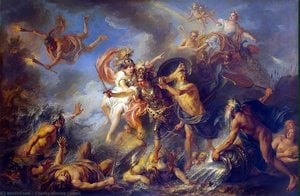
  4. Diana getting out of her bath by ფრანსუა ბუშე

    Diana getting out of her bath

    ფრანსუა ბუშე

    1742

  5. გორგოლაო by ჟან-ონორე ფრაგონარი

    გორგოლაო

    ჟან-ონორე ფრაგონარი

    1750 · თისენ-ბორნემიმზას მუზეუმი, მადრიდი

  6. ახალგაზრდა მასწავლებელი by ჟან-ბატისტ-სიმეონ შარდენი

    ახალგაზრდა მასწავლებელი

    ჟან-ბატისტ-სიმეონ შარდენი

    1740 · ნაციონალური გალერეა, ლონდონი

  7. პატივცემულო ბიჭი (ჯონათან ბუტალი) by თომას გეინსბორო

    პატივცემულო ბიჭი (ჯონათან ბუტალი)

    თომას გეინსბორო

    1770 · Henry E. Huntington Library, San Marino

  8. Miss Bowles by ჯოშუა რეინოლდზი

    Miss Bowles

    ჯოშუა რეინოლდზი

    1775

Through time

A Rococo timeline in masterpieces

  1. 1695
  2. 1717
  3. 1726
  4. 1735
  5. 1736
  6. 1738
  7. 1741
  8. 1744
  9. 1745
  10. 1751
  11. 1754
  12. 1763
  13. 1767
  14. 1769

In figures

By the numbers

All of them, in order

List of the 100 famous Rococo painters

  1. 1ჟან-ანტუან ვატოჟან-ანტუან ვატოფრანგილიური · 1684–1721
  2. 2კანალეტოკანალეტოიტალიელი · 1697–1768
  3. 3ჯამბატისტა ტიეპოლოჯამბატისტა ტიეპოლოიტალიელი · 1696–1770
  4. 4ფრანსუა ბუშეფრანსუა ბუშეფრანგი · 1703–1770
  5. 5ჟან-ონორე ფრაგონარიჟან-ონორე ფრაგონარიფრანგი · 1732–1806
  6. 6ჟან-ბატისტ-სიმეონ შარდენიჟან-ბატისტ-სიმეონ შარდენიფრანგი · 1699–1779
  7. 7თომას გეინსბოროთომას გეინსბორობრიტანელი · 1727–1788
  8. 8ჯოშუა რეინოლდზიჯოშუა რეინოლდზიინგლისელი · 1723–1792
  9. 9ჟან-ბატისტ გრეზიჟან-ბატისტ გრეზიFrench · 1725–1805
  10. 10ბერნარდო ბელლოტობერნარდო ბელლოტოიტალიელი · 1722–1780
  11. 11ფრანჩესკო გვარდიფრანჩესკო გვარდი1712–1793
  12. 12პიეტრო ლონგიპიეტრო ლონგიიტალიელი · 1701–1785
  13. 13ჯოვანი დომენიკო ტიえპოლოჯოვანი დომენიკო ტიえპოლოItalian · 1727–1804
  14. 14ჯოვანი ბატისტა პიაზეტაჯოვანი ბატისტა პიაზეტაიტალიელი · 1683–1754
  15. 15ნიკოლა ლანკრენიკოლა ლანკრეფრანგი · 1689–1743
  16. 16კლოდ-ჟოზეფ ვერნეკლოდ-ჟოზეფ ვერნეფრანგი · 1714–1789
  17. 17როზალბა კარიერაროზალბა კარიერაიტალიელი · 1675–1757
  18. 18მარკ ნატიერიმარკ ნატიერიფრანგული · 1685–1766
  19. 19მორის კენტენ დე ლატურიმორის კენტენ დე ლატურიფრანგი · 1704–1788
  20. 20ალექსანდრე როсліნიალექსანდრე როсліნიშვედური · 1718–1793
  21. 21იოჰან ცოფანიიოჰან ცოფანიგერმანელი · 1733–1810
  22. 22ლუი მიშელ ვან ლოოლუი მიშელ ვან ლოოFrench · 1707–1771
  23. 23ჟან-ეტიენ ლიოტიარდიჟან-ეტიენ ლიოტიარდიშვეიცარიელი · 1702–1789
  24. 24ფრანსუა ლემოინიფრანსუა ლემოინიფრანგი · 1688–1737
  25. 25ჟან-ფრანსუა დე ტროიჟან-ფრანსუა დე ტროიფრანგი · 1645–1730
  26. 26ჟან-ბაპტიست პატერიჟან-ბაპტიست პატერიფრანგი · 1695–1736
  27. 27შარლ-ანდრე ვან ლუოშარლ-ანდრე ვან ლუოფრანგული · 1705–1765
  28. 28ფრანჩესკო ზუკარელიფრანჩესკო ზუკარელიიტალიელი · 1702–1788
  29. 29იაკოპო ამიგონიიაკოპო ამიგონიიტალიელი · 1682–1752
  30. 30შარლ-ჟოზეფ ნატუარიშარლ-ჟოზეფ ნატუარიფრანგული · 1700–1777
  31. 31ფრანც ანტონ მაულბერტშიფრანც ანტონ მაულბერტშიგერმანელი/ავსტრიელი · 1724–1796
  32. 32შარლ ანტუან კოპელიშარლ ანტუან კოპელიფრანგი · 1694–1752
  33. 33Adélaïde Labille-GuiardAdélaïde Labille-GuiardFrench · 1749–1803
  34. 34დმიტრი გრიგორიევიჩ ლევიტსკიდმიტრი გრიგორიევიჩ ლევიტსკიუკრაინელი-რუსი · 1735–1822
  35. 35ჟან-ბაპტის პიგალიჟან-ბაპტის პიგალიფრანგი · 1725–1805
  36. 36ანე ვალიერ-კოსტერიანე ვალიერ-კოსტერიფრანგი · 1744–1818
  37. 37ლუი ჟან-ფრანსუა ლագրენელუი ჟან-ფრანსუა ლագրენეფრანგი · 1756–1827
  38. 38ჯამბატისტა პიტონიჯამბატისტა პიტონი1687–1767
  39. 39გასპარ ვან ვიტელი (კასპარ ადრიანს ვან ვიტელი)გასპარ ვან ვიტელი (კასპარ ადრიანს ვან ვიტელი)ჰოლანდიელი · 1653–1736
  40. 40ფიოდორ სტეფანოვიჩ როკოტოვიფიოდორ სტეფანოვიჩ როკოტოვი1730–1808
  41. 41ფრანსუა ჰიუბერ დრუაფრანსუა ჰიუბერ დრუა1727–1775
  42. 42ვლადიმერ ლუკიჩ ბოროვიკოვსკივლადიმერ ლუკიჩ ბოროვიკოვსკი1757–1825
  43. 43ანტუან პესნეანტუან პესნეფრანგი · 1683–1757
  44. 44ალან რამსეიალან რამსეი1713–1784
  45. 45Elisabeth-Louise Vigée-LebrunElisabeth-Louise Vigée-Lebrun
  46. 46კორადო ჯაკვინტოკორადო ჯაკვინტოიტალიელი · 1703–1766
  47. 47იოჰან ჰაინრიხ ტიშბაინიიოჰან ჰაინრიხ ტიშბაინიგერმანელი · 1722–1789
  48. 48კრისტიან ვილჰelm ერნსტ დიტრხიკრისტიან ვილჰelm ერნსტ დიტრხიGerman · 1712–1774
  49. 49Charles Amédée Philippe Van LooCharles Amédée Philippe Van LooFrench · 1719–1795
  50. 50გუსტაფ ლუნდბერგიგუსტაფ ლუნდბერგიშვედი · 1695–1786
  51. 51ლაგრენე უმცროსილაგრენე უმცროსიEnglish · 1725–1805
  52. 52იაკობ დე ვიტიიაკობ დე ვიტინიდერლანდელი · 1695–1754
  53. 53Jean-Baptiste van LooJean-Baptiste van LooFrench · 1684–1745
  54. 54John WollastonJohn WollastonEnglish · 1742–1775
  55. 55Carl Gustaf PiloCarl Gustaf PiloSwedish · 1711–1793
  56. 56Anna Dorothea TherbuschAnna Dorothea TherbuschGerman · 1721–1782
  57. 57იოჰან გეორგ პლაცერიიოჰან გეორგ პლაცერიავსტრიელი · 1704–1761
  58. 58ნათანიელ ჰონინათანიელ ჰონიჰოლანდიელი · 1718–1784
  59. 59Michele MarieschiMichele MarieschiItalian · 1710–1743
  60. 60Antonio CorradiniAntonio CorradiniItalian · 1668–1752
  61. 61მაისენის ფ Porcelain-ის მწარმოებელი ქარხანამაისენის ფ Porcelain-ის მწარმოებელი ქარხანაგერმანული · born 1710
  62. 62Gerard van SpaendonckGerard van Spaendonck1746–1822
  63. 63ჯოზეფ ჰაიმორიჯოზეფ ჰაიმორიბრიტანელი · 1692–1780
  64. 64ჟან ჟაკ კაფიერიჟან ჟაკ კაფიერიფრანგი · 1678–1755
  65. 65ჟან ბატისტ პერონოჟან ბატისტ პერონოფრანგი · 1715–1783
  66. 66ფრენსის ჰეიმენიფრენსის ჰეიმენიინგლისელი · 1708–1776
  67. 67ლუი ტოკელუი ტოკეფრანგი · 1696–1772
  68. 68დონატო კრეტიდონატო კრეტიიტალიელი · 1671–1749
  69. 69Antonio BalestraAntonio Balestra1666–1740
  70. 70გასპარე ტრავერსიგასპარე ტრავერსიიტალიელი · 1722–1770
  71. 71Georg DesmaréesGeorg DesmaréesSwedish-German · 1697–1776
  72. 72ჟან-ბაპტი Strictest პილმენიჟან-ბაპტი Strictest პილმენიფრანგი · 1728–1808
  73. 73კორნელიე ტრუსტიკორნელიე ტრუსტიჰოლანდიური · 1696–1750
  74. 74Jacques De LajoueJacques De LajoueFrench · 1686–1761
  75. 75რიჩარდ კოსვეირიჩარდ კოსვეიბრიტანელი · 1742–1821
  76. 76ფილიპ მერსიეფილიპ მერსიეფრანგი · 1689–1760
  77. 77Per Krafft the ElderPer Krafft the ElderSwedish · 1724–1793
  78. 78Johann Georg PinzelJohann Georg PinzelUkrainian, Czech · 1715–1761
  79. 79Alessandro LonghiAlessandro Longhi1733–1813
  80. 80Giuseppe BonitoGiuseppe BonitoItalian · 1707–1789
  81. 81კრისტოფ ჰუეკრისტოფ ჰუეფრანგი · 1700–1759
  82. 82ლუი დე სილვესტრილუი დე სილვესტრიფრანგი · 1675–1760
  83. 83Luis Paret Y AlcázarLuis Paret Y AlcázarSpanish · 1746–1799
  84. 84იოჰან სალომონ ვალიიოჰან სალომონ ვალიგერმანელი, დანიელი · 1689–1765
  85. 85Giuseppe NogariGiuseppe NogariItalian · 1699–1766
  86. 86ჟან რანკჟან რანკფრანგი · 1674–1735
  87. 87ნათანიელ ჰონ ზეთ ელი Dearlyნათანიელ ჰონ ზეთ ელი Dearlyირლანდიელი · 1718–1784
  88. 88Jean RaouxJean RaouxFrench · 1677–1734
  89. 89ედუარ ჰონორეავეედუარ ჰონორეავეფრანგი · 1818–1890
  90. 90Francesco ZugnoFrancesco ZugnoItalian · 1708–1787
  91. 91Joseph BozeJoseph BozeFrench · 1745–1826
  92. 92Louis Joseph WatteauLouis Joseph WatteauFrench · 1731–1798
  93. 93Jacobus BuysJacobus BuysDutch · 1724–1801
  94. 94Jeremiah TheusJeremiah TheusSwiss · 1716–1774
  95. 95Vigilius EriksenVigilius EriksenDanish · 1722–1782
  96. 96Georg David MatthieuGeorg David MatthieuGerman · 1737–1778
  97. 97Robert TournièresRobert Tournières1667–1752
  98. 98Jose Del CastilloJose Del CastilloSpanish · 1737–1793
  99. 99Agostino BruniasAgostino BruniasItalian · 1730–1796
  100. 100Domenico DupràDomenico DupràItalian · 1689–1770

Your questions, answered

Frequently asked questions

Keep reading

Further reading on WahooArt.com

Other movements

Famous artists of other movements

Other periods

Famous artists of other periods

More rankings

Explore more