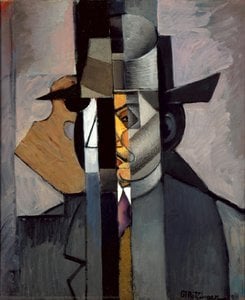
Cubist masters, in order

47 Famous Cubist მხატვრები: The Definitive Ranking

The most famous Cubist მხატვარი is პაბლო პიკასო (1881–1973), known for Pablo Picasso Malaga Spain 1881 1955 1973 A Masterpiece of Deconstruction: Picasso’s Algerian Women 114 x 146 cm Women of Algiers (Version O) ალჟირელი ქალები (ვერსია ოვ) Guernica is a large 1937 oil painting by Spanish artist Pablo Picasso. It i და The Family of Saltimbanques. Next come ჟორჟ ბრაკი, ფერნან ლეგერი, ხუან გრი და რობერტ დელონე. This ranking of the 47 most famous Cubist მესმენები runs from Carl Newman (born 1858) to დია ალ-აზაウィ (born 1939), across 28 countries.

How this list is ranked. Artists whose works our catalogue files under Cubist, in the order of our fame ranking of artists. Artists without a Wikidata identifier born after 1955 are left out until verified. The Wikipedia figure next to each name is the number of our 32 languages in which Wikipedia has an article on the artist.

  1. Pablo Picasso

Malaga

Spain

1881

1955

1973

A Masterpiece of Deconstruction: Picasso’s Algerian Women

114 x 146 cm

Women of Algiers (Version O)

ალჟირელი ქალები (ვერსია ოვ)

Guernica is a large 1937 oil painting by Spanish artist Pablo Picasso. It i, პაბლო პიკასო-ის მიერ1პაბლო პიკასო
  2. მანდოლა, ჟორჟ ბრაკი-ის მიერ2ჟორჟ ბრაკი
  3. Nudes in the forest, Kroller-Muller Museum,, ფერნან ლეგერი-ის მიერ3ფერნან ლეგერი

The essentials

Cubist at a glance

  • 47მხატვრები
  • 1858–1939lahirjnis tseli
  • 28დაბადების ქვეყნები
  • 4ქალები
  • 1ცოცხალი ხელოვანები
  • 7 389ნამუშევრები ჩვენს კატალოგში
ქალაქები, სადაც ყველაზე მეტი დაბადებაა
პარიზი (2), ნიუ-იორკი (2), მალაგა (1), არჟანტეი (1)

Ranked, with their masterpieces

The ranking: 47 Cubist მხატვრები and their key works

1of 47

პაბლო პიკასო

ესპანელი Born in მალაგა კუბიზმი, სურრეალიზმი Wikipedia in 32/32 languages

პაბლო პიკასო

Key works · The 100 most famous works

2of 47

ჟორჟ ბრაკი

ფრანგი Born in არჟანტეი ['ფავიზმი', 'კუბიზმი', 'ანალიტიკური კუბიზმი', 'სინთეზური კუბიზმი'] Wikipedia in 31/32 languages

ჟორჟ ბრაკი

Braque’s approach to the canvas was defined by a restless curiosity regarding the physical properties of his materials. He moved beyond the traditional boundaries of oil painting by introducing elements that challenged the illusion of depth. The results of this synthesis are visible in his 1908 work, Houses at L'Estaque.

Key works · The 100 most famous works

3of 47

ფერნან ლეგერი

ფრანგი Born in არგენტანი ['კუბიზმი', 'ტუბიზმი', "Section d'Or", 'პურიზმი', 'დადაიზმი', 'კონსტრუქტივიზმი'] Wikipedia in 27/32 languages

ფერნან ლეგერი

His brush moved with a rhythmic, almost industrial precision, seeking to capture the pulse of a changing era. He did not merely paint objects; he sought to find their essential, structural logic. By 1909, his presence in the creative circles of Paris grew as he met figures such as Alexander Archipenko, Jacques Lipchitz, Marc Chagall, and Robert Delaunay.

Where to see To encounter the physical presence of his vision, one might travel to the south of France, specifically to Biot in the Alpes-Maritimes.

Key works · The 100 most famous works

4of 47

ხუან გრი

ესპანელი Born in მადრიდი კუბიზმი, სინთეზური კუბიზმი, ანალიტიკური კუბიზმი Wikipedia in 31/32 languages

ხუან გრი

There is a certain mathematical logic to how he builds a canvas. In many of his works, he moves away from the chaotic, shattering abstraction seen in earlier Cubism, opting instead for a more organized and legible structure. He was one of the three leading figures of Cubism, working in the same orbit as Pablo Picasso and Georges Braque.

Where to see Tracing the physical presence of his work requires a trip through several major collections.

Key works · The 100 most famous works

5of 47

რობერტ დელონე

ფრანგი Born in პარიზი ორფიზმი, კუბიზმი Wikipedia in 27/32 languages

რობერტ დელონე

Key works · The 100 most famous works

6of 47

ვლადიმირ ტატლინი

უკრაინელი/რუსი Born in მოსკოვი კონსტრუქტივიზმი Wikipedia in 26/32 languages

ვლადიმირ ტატლინი

His journey began not within the hallowed halls of artistic academies – though he would later attend the Moscow School of Painting, Sculpture, and Architecture – but with the practical grounding of his father’s profession as a railway engineer and the literary inclinations of his mother. The ripples of his ideas were felt in Germany’s Bauhaus school, where similar explorations of form, function, and materials took place, as well as in various other forms of modern design.

Key works · The 100 most famous works

8of 47

ჯინო სევერინი

იტალიელი Born in კორტონა ფუტურიზმი, კუბიზმი Wikipedia in 19/32 languages

ჯინო სევერინი

Key works · The 100 most famous works

10of 47

ჟაკ ლიპშიტი

ლიეტუველი-ფრანგი-ამერიკელი Born in დრუსკინკაი კუბიზმი, კრისტალური კუბიზმი Wikipedia in 17/32 languages

ჟაკ ლიპშიტი

Key works · The 100 most famous works

11of 47

ბენ ნიკოლსონი Om

ბრიტანელი Born in ბაკინგემშირი ['აბსტრაქტული ხელოვნება', 'კუბიზმი', 'კონსტრუქტივიზმი'] Wikipedia in 13/32 languages

ბენ ნიკოლსონი Om

Key works · The 100 most famous works

13of 47

ოლგა როზანოვა

რუსი Born in მელენკი ['სუპრემატიზმი', 'კუბო-ფუტურიზმი', 'ნეო-პრიმიტივიზმი'] Wikipedia in 17/32 languages

ოლგა როზანოვა

Key works · The 100 most famous works

14of 47

ჟან დომინიკ ანტონი მეტზინგერი

ფრანგი Born in ნანტი ['ნეო-იმპრესიონიზმი', 'ფავიზმი', 'კუბიზმი', 'კრისტალური კუბიზმი'] Wikipedia in 22/32 languages

ჟან დომინიკ ანტონი მეტზინგერი

"Note sur la Peinture": მისმა ნაშრომმა "Note sur la peinture" (1910) შემოიტანა რევოლუციური იდეა ობიექტების მრავალი პერსპექტივიდან გამოსახვის შესახებ, რითაც გამოწვევა ছুდა ტრადიციულ, ერთგვერდოვან პერსპექტივას. ეს კონცეფცია იკვლევდა, თუ როგორ შეიძლება აღქმული იყოს საგანი სივრცისა და დროის ფარგლებში, თანმიმდევრული და სუბიექტური გამოცდილების მეშვეობით.

Key works · The 100 most famous works

16of 47

Carl Newman

American Figurative art, Cubism

Carl Newman

Pinpointing specific artistic influences on Newman is complex, yet the echoes of European academic painting are clearly discernible in his early work. This can be seen in pieces like “ Abstract Flowers in Left,” where geometric forms and muted tones suggest a move away from purely representational art.

Key works · The 100 most famous works

18of 47

ამადეო დე სუზა-კარდოსო

პორტუგალიელი Born in მანჰუფე კუბიზმი, ფუტურიზმი Wikipedia in 16/32 languages

ამადეო დე სუზა-კარდოსო

Key works · The 100 most famous works

20of 47

Arthur Segal

Romanian Born in Iași ['Expressionism', 'Dadaism']

Arthur Segal

Segal’s formative years were spent in Romania, absorbing the artistic traditions of the region while simultaneously encountering the burgeoning avant-garde currents emanating from Berlin. A subsequent period in Paris and Italy allowed him to immerse himself in the vibrant artistic scene of the time, encountering the innovations of Post-Impressionism and early Modernism.

Key works · The 100 most famous works

22of 47

ხოაკინ ტორეს გარსია

ურუგვაელი-ესპანელი Born in მონტევიდეო კონსტრუქტივიზმი, აბსტრაქცია Wikipedia in 13/32 languages

ხოაკინ ტორეს გარსია

Key works · The 100 most famous works

25of 47

მარია ბლანშარდი

ესპანელი Born in სანტანდერი კუბიზმი, ექსპრესიონიზმი Wikipedia in 14/32 languages

მარია ბლანშარდი

Key works · The 100 most famous works

26of 47

Julio González

Spanish Born in Barcelona Cubism Wikipedia in 15/32 languages

Julio González

Though he remained largely unrecognized by the mainstream during much of his lifetime, the historical significance of Julio González cannot be overstated.

Key works · The 100 most famous works

27of 47

Louis Marcoussis

Polish-French Born in Warsaw Cubism, School of Paris, Impressionism Wikipedia in 11/32 languages

Louis Marcoussis

Marcoussis's contribution to Cubism is undeniable, though often overshadowed by Picasso and Braque. Collaboration With Miró: Marcoussis maintained a fruitful creative partnership with Joan Miró, exploring shared interests in Surrealism and experimenting with expressive abstraction. Despite his relatively modest output compared to Picasso or Braque, Louis Marcoussis’s artistic vision endured.

Key works · The 100 most famous works

28of 47

Raymond Duchamp-Villon

French Born in Damville Cubism Wikipedia in 18/32 languages

Raymond Duchamp-Villon

Coming from a remarkably creative family—brothers Jacques Villon, Marcel Duchamp, and sister Suzanne Duchamp -Crotti all achieved prominence as artists—Raymond initially pursued medicine at the Sorbonne.

Key works · The 100 most famous works

30of 47

Gabriel Portillo Del Toro

Mexican Cubism

Gabriel Portillo Del Toro

His monumental murals, which adorned public spaces across Mexico, solidified his reputation as an artist capable of commanding large-scale narratives, while his smaller paintings offered a more intimate dialogue with the viewer. Through his death in 2013, a significant chapter of Mexican modernism closed, yet his legacy remains vibrant. Born in 1927 in the culturally rich landscape of Colima, Mexico, his life and work served as a bridge between the monumental social realism of the muralist movement and the fragmented, rhythmic beauty of Cubism.

Key works · The 100 most famous works

33of 47

დია ალ-აზაウィ

ირაკული Born in ბაღდადი ჰურუფია, აბსტრაქტული ექსპრესიონიზმი

დია ალ-აზაウィ

Key works · The 100 most famous works

34of 47

ემილიო პეტორუტი

არგენტინელი Born in ლა-პლატა ['კუბიზმი', 'ფუტურიზმი', 'კონსტრუქტივიზმი'] Wikipedia in 8/32 languages

ემილიო პეტორუტი

Key works · The 100 most famous works

35of 47

აურელიო არტეტა

ესპანელი Born in ბილბაო ['სიმბოლიზმი', 'კუბიზმი', 'სოციალური რეალიზმი'] Wikipedia in 5/32 languages

აურელიო არტეტა

Puvis de Chavannes-ის გავლენა შესამჩნევია არტეტას მოგვიანდ მემორალურ ნამუშევრებში - დიდი ხედების კომპოზიციებისა და სიმბოლური თხრობებისადმი ინტერესი.

Key works · The 100 most famous works

38of 47

István Farkas

Hungarian Born in Budapest École de Paris, Cubism Wikipedia in 5/32 languages

István Farkas

Farkas’s artistic development during his time in Paris is particularly fascinating. The influence of André Salmon is particularly evident in Farkas’s later work. He became a significant figure within the École de Paris, an umbrella term encompassing artists from across Europe who flocked to the city seeking inspiration and recognition.

Key works · The 100 most famous works

39of 47

William Roberts

British Born in London English Cubism Wikipedia in 6/32 languages

William Roberts

The evolution of Roberts’ work is inextricably linked to the historical tremors of his era. Whether depicting the quiet intimacy of a portrait, such as Sarah, or the bustling, structured chaos of street scenes like Les Routiers, he maintained a commitment to emotional depth. Throughout his long career, which spanned until 1980, Roberts earned prestigious recognition, including frequent exhibitions at the Royal Academy.

Key works · The 100 most famous works

40of 47

ვილჰელმ হেনრი ლუნდსტრომი

Norwegian Born in კოპენჰაგენი ['Symbolism', 'Expressionism'] Wikipedia in 4/32 languages

ვილჰელმ হেনრი ლუნდსტრომი

lundstrøm's artistic journey began at the royal danish academy of art, where he studied under the guidance of rostrup böyesen. this foundational period laid the groundwork for his future explorations in cubism and modern art.

Key works · The 100 most famous works

42of 47

Karl Knaths

American Born in Eau Claire Cubism, Modernism Wikipedia in 3/32 languages

Karl Knaths

The watershed moment in his development arrived with the 1913 Armory Show in Chicago. There, he found a vibrant artistic community and forged crucial connections with Agnes and Helen Weinrich, sisters who had studied art in Europe; Agnes, in particular, played a vital role in refining his personal style. Gale facilitated an introduction to Dudley Crafts Watson at the Milwaukee Art Institute, providing Knaths with formal training and setting him on a course toward professional artistry.

Key works · The 100 most famous works

43of 47

ნიკოს ჰადჯიკირიაკოს-ღიკა

ბერძენი Born in ათენი კუბიზმი Wikipedia in 6/32 languages

ნიკოს ჰადჯიკირიაკოს-ღიკა

Key works · The 100 most famous works

44of 47

Franco Gentilini

Italian Born in Faenza Roman School; Archaic Style Wikipedia in 5/32 languages

Franco Gentilini

Gentilini’s oeuvre is characterized by a striking stylistic approach—one that deliberately draws inspiration from pre- Renaissance Italian art. Textured Canvases: Perhaps Gentilini’s most distinctive technique involved incorporating sand and pigment onto his canvases—a method that resulted in surfaces imbued with palpable texture. Following World War II, Gentilini experienced considerable acclaim among private collectors—a testament to the enduring appeal of his understated aesthetic.

Key works · The 100 most famous works

46of 47

Cliff Rowe

British Socialist Realism; New Realism Wikipedia in 1/32 languages

Cliff Rowe

Born in the heart of Wimbledon, South London, to working-class parents, Clifford Rowe’s life was a profound tapestry woven from threads of social conviction and artistic mastery. As he navigated the turbulent economic landscapes marked by hunger marches and the global tremors of the Wall Street Crash, his art began to find its political voice. A pivotal moment occurred in 1930 when he traveled to the Soviet Union.

Key works · The 100 most famous works

47of 47

Emilio Tadini

Spanish Born in Milan Catalan Modernisme Wikipedia in 1/32 languages

Emilio Tadini

Emilio Tadini was far more than a painter; he was a profound architect of meaning within the Italian cultural landscape. Born in Milan in 1927, his journey began not with a brush, but with the written word. A poet, novelist, and essayist, Tadini first emerged onto the prestigious literary stage in 1947 through Elio Vittorini's magazine, Politecnico.

Key works · The 100 most famous works

The paintings behind the names

Famous Cubist works and the artists who made them

  1. Pablo Picasso

Malaga

Spain

1881

1955

1973

A Masterpiece of Deconstruction: Picasso’s Algerian Women

114 x 146 cm

Women of Algiers (Version O)

ალჟირელი ქალები (ვერსია ოვ)

Guernica is a large 1937 oil painting by Spanish artist Pablo Picasso. It i, პაბლო პიკასო-ის მიერ

    Pablo Picasso Malaga Spain 1881 1955 1973 A Masterpiece of Deconstruction: Picasso’s Algerian Women 114 x 146 cm Women of Algiers (Version O) ალჟირელი ქალები (ვერსია ოვ) Guernica is a large 1937 oil painting by Spanish artist Pablo Picasso. It i

    პაბლო პიკასო

    1955

  2. მანდოლა, ჟორჟ ბრაკი-ის მიერ

    მანდოლა

    ჟორჟ ბრაკი

    1910 · Tate Gallery, ლონდონი

  3. Nudes in the forest, Kroller-Muller Museum,, ფერნან ლეგერი-ის მიერ

    Nudes in the forest, Kroller-Muller Museum,

    ფერნან ლეგერი

    1910

  4. მადამ ჟოზეტ გრი-ს პორტრეტი, ხუან გრი-ის მიერ

    მადამ ჟოზეტ გრი-ს პორტრეტი

    ხუან გრი

    1916

  5. The Eiffel Tower, რობერტ დელონე-ის მიერ

    The Eiffel Tower

    რობერტ დელონე

    1910 · Staatliche Kunsthalle Karlsruhe, კარლსრუე

  6. Monument to commemorate the Third International, ვლადიმირ ტატლინი-ის მიერ

    Monument to commemorate the Third International

    ვლადიმირ ტატლინი

    1920

  7. The honeymooners, ლიონელ ფაინინგერი-ის მიერ

    The honeymooners

    ლიონელ ფაინინგერი

  8. North-South, ჯინო სევერინი-ის მიერ

    North-South

    ჯინო სევერინი

    გალერია სივიკა დი არტე მოდერნა ე ကონტემპორანეა ტორინო, ტურინი

Through time

A Cubist timeline in masterpieces

  1. 1900
  2. 1910
  3. 1910
  4. 1912
  5. 1914
  6. 1916
  7. 1917
  8. 1917
  9. 1921
  10. 1928
  11. 1932
  12. 1937
  13. 1955
  14. 1970

In figures

By the numbers

All of them, in order

List of the 47 famous Cubist მესმენები

  1. 1პაბლო პიკასოპაბლო პიკასოესპანელი · 1881–1973
  2. 2ჟორჟ ბრაკიჟორჟ ბრაკიფრანგი · 1882–1963
  3. 3ფერნან ლეგერიფერნან ლეგერიფრანგი · 1881–1955
  4. 4ხუან გრიხუან გრიესპანელი · 1887–1927
  5. 5რობერტ დელონერობერტ დელონეფრანგი · 1885–1941
  6. 6ვლადიმირ ტატლინივლადიმირ ტატლინიუკრაინელი/რუსი · 1885–1953
  7. 7ლიონელ ფაინინგერილიონელ ფაინინგერიGerman-American · 1871–1956
  8. 8ჯინო სევერინიჯინო სევერინიიტალიელი · 1883–1966
  9. 9ალექსანდრე არქიპენკოალექსანდრე არქიპენკოუკრაინელი-ამერიკელი · 1887–1964
  10. 10ჟაკ ლიპშიტიჟაკ ლიპშიტილიეტუველი-ფრანგი-ამერიკელი · 1891–1973
  11. 11ბენ ნიკოლსონი Omბენ ნიკოლსონი Omბრიტანელი · 1894–1982
  12. 12მარი ლოურენცინიმარი ლოურენცინიფრანგი · 1883–1956
  13. 13ოლგა როზანოვაოლგა როზანოვარუსი · 1886–1918
  14. 14ჟან დომინიკ ანტონი მეტზინგერიჟან დომინიკ ანტონი მეტზინგერიფრანგი · 1883–1956
  15. 15ლიუბოვ პოპოვალიუბოვ პოპოვარუსი · 1889–1924
  16. 16Carl NewmanCarl NewmanAmerican · 1858–1932
  17. 17როჟ დე ლა ფრესნეროჟ დე ლა ფრესნეფრანგული · 1885–1925
  18. 18ამადეო დე სუზა-კარდოსოამადეო დე სუზა-კარდოსოპორტუგალიელი · 1887–1918
  19. 19რუფინო ტამაიორუფინო ტამაიომექსიკელი · 1899–1990
  20. 20Arthur SegalArthur SegalRomanian · 1875–1944
  21. 21მაქს ვებერიმაქს ვებერიამერიკელი · 1881–1961
  22. 22ხოაკინ ტორეს გარსიახოაკინ ტორეს გარსიაურუგვაელი-ესპანელი · 1874–1949
  23. 23ნათან ალტმანინათან ალტმანირუსი · 1889–1970
  24. 24ანდრე ლოტიანდრე ლოტიფრანგული · 1885–1962
  25. 25მარია ბლანშარდიმარია ბლანშარდიესპანელი · 1881–1932
  26. 26Julio GonzálezJulio GonzálezSpanish · 1876–1942
  27. 27Louis MarcoussisLouis MarcoussisPolish-French · 1878–1941
  28. 28Raymond Duchamp-VillonRaymond Duchamp-VillonFrench · 1876–1918
  29. 29Armand SchonbergerArmand SchonbergerFrench · 1885–1974
  30. 30Gabriel Portillo Del ToroGabriel Portillo Del ToroMexican · 1927–2013
  31. 31კ.რ.უ. ნეভিনსონიკ.რ.უ. ნეভিনსონიბრიტანელი · 1889–1946
  32. 32ალფრედ ჰენრი მოურიალფრედ ჰენრი მოურიამერიკელი · 1868–1932
  33. 33დია ალ-აზაウィდია ალ-აზაウィირაკული · და lahir 1939
  34. 34ემილიო პეტორუტიემილიო პეტორუტიარგენტინელი · 1892–1971
  35. 35აურელიო არტეტააურელიო არტეტაესპანელი · 1879–1940
  36. 36Morris KantorMorris KantorRussian · 1896–1974
  37. 37ლაჟოს ვაიდალაჟოს ვაიდაუნგრელი · 1908–1941
  38. 38István FarkasIstván FarkasHungarian · 1887–1944
  39. 39William RobertsWilliam RobertsBritish · 1895–1980
  40. 40ვილჰელმ হেনრი ლუნდსტრომივილჰელმ হেনრი ლუნდსტრომიNorwegian · 1893–1950
  41. 41უილიამ ჯორჯ გილიზიუილიამ ჯორჯ გილიზი1899–1970
  42. 42Karl KnathsKarl KnathsAmerican · 1891–1971
  43. 43ნიკოს ჰადჯიკირიაკოს-ღიკანიკოს ჰადჯიკირიაკოს-ღიკაბერძენი · 1906–1994
  44. 44Franco GentiliniFranco GentiliniItalian · 1909–1981
  45. 45რობერტ ქოლკჰუნირობერტ ქოლკჰუნიSchottlandian · 1914–1962
  46. 46Cliff RoweCliff RoweBritish · 1904–1988
  47. 47Emilio TadiniEmilio TadiniSpanish · 1927–2002

Your questions, answered

Frequently asked questions

Keep reading

Further reading on WahooArt.com

Other movements

Famous artists of other movements

Other periods

Famous artists of other periods

More rankings

Explore more