წინასწარი ნახვა AR წინასწარი ნახვა შეიძინეთ ხელით შესრულებული ნახატი გადასვლა ციფრულ გამოსახულებაზე გაგზავნა
დეტალები დამატება ფავორიტებში ჩამოტვირთვა მსგავსები რენტგენოგრაფიული კვლევა სლაიდშოუ სტატისტიკა

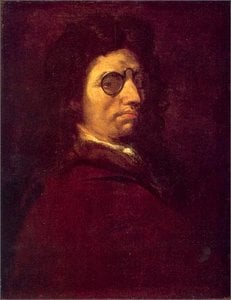
The Philosopher Cratetes

Luca Giordano (1634-1705) was a Neapolitan Baroque painter renowned for his prolific output and distinctive style characterized by luminosity and movement. His iconic painting ‘The Philosopher Cratetes,’ created in 1650, exemplifies his masterful technique and captures the spirit of the era.

Лука Джордано (1634-1705): აღმოჩინეთ ბაროკოს სხეპების ნიმ véritები და ნაწყვეტი ნეპლის ყველაზე ცნობებული მხატვარი, რომელიც ცნობილია სიჩქარით და მფრთხილებლობით ფრესკებს შორის.

გიკლე / ხელოვნების პრინტი

მუზეუმის დონის ჟიკლე ან ტილოზე ბეჭდვა სწრაფი წარმოებისა და დასრულების მოქნილი ვარიანტებით. ( შეიძინეთ ხელით შესრულებული ნახატი გადასვლა ციფრულ გამოსახულებაზე)

P118B $10
P118H $10
P118W $10
P438Z $10
P508JH $12
P508YH $12
P805H $10
P805Z $10
P919BZ $10
P919G $10
P919XJ $10
P959ZH $10
P968JZ $12
W106C $8
W218G $10
W218JH $8
W218Y $10
W307PJ $10
W316G $10
W316PJ $8
W316Y $10
W398PJ $8
W4111J $10
W500HY $15
W500JH $15
W692G $12
W849H $8
W940BG $15
W953PJ $8

სტანდარტული
სასურველი ზომის
CM
INCH

აირჩიეთ ჩვენს მიერ წინასწარ განსაზღვრული ზომებიდან, რომლებიც ნაწარმოების ორიგინალურ პროპორციებს შეესაბამება.

სიგანე
სიმაღლე

თქვენ შეგიძლიათ მიუთითოთ საკუთარი ზომები კონკრეტული ჩარჩოსთვის ან სივრცისთვის მოსარგებლებლად. თუ თქვენ მიერ არჩეული ზომა არ შეესაბამება ორიგინალი გამოსახულების პროპორციებს, ჩვენ ან დავჭრით ნამუშევარს, ან გავაფართოვებთ გამოსახულებას სარკული ან ერთფეროვანი კიდეებით. წარმოების დაწყებამდე თქვენს დასამტკიცებლად გამოგეგზავნებათ ციფრული მაკეტი.
გთხოვთ, გაითვალისწინოთ, რომ ეკრანზე ნაჩვენები წინასწარი ნახვა არ ასახავს რეალურ ჭრას ან გაფართოებას. მხოლოდ მაკეტზე იქნება ზუსტად წარმოდგენილი საბოლოო კომპოზიცია.
მიუხედავად იმისა, რომ ინდივიდუალური ზომები ხელმისაწვდომია, ორიგინალური პროპორციების შესანარჩუნებლად გირჩევთ, აირჩიოთ ზომა წინასწარ განსაზღვრული სიისგან.

მიწოდება მთელ მსოფლიოში () 2 კვირაში, სტანდარტული 4/5 კვირის ნაცვლად. (18 სექტემბერი)

why_choose_icon
უფასო ექსპრეს მიწოდება მთელ მსოფლიოში
why_choose_icon
საბამად მაღალი ხარისხის ტილო
why_choose_icon
სრული ტრანსპორტირების დაზღვევა
why_choose_icon
საბაჟო გადასახადების დაბრუნების გარანტია
why_choose_icon
ფერების სრული შესაბამისობის გარანტია
why_choose_icon
დაბრუნების 100-დღიანი პოლიტიკა (მხოლოდ დეფექტის შემთხვევაში)
why_choose_icon
100% თანხის დაბრუნების გარანტია
why_choose_icon
ფასდაკლება დიდი რაოდენობით შეკვეთისას

ჯამური ღირებულება

$ 68

reproduction

The Philosopher Cratetes

გიკლე / ხელოვნების პრინტი

რეკლამაციის ზომა

-

საბოლოო ფასი

$ 68

მოკლე ინფორმაცია

  • Title: The Philosopher Cratetes
  • Dimensions: 113 x 90 cm
  • Year: 1650
  • Artistic style: Luminous, dynamic
  • Notable elements: Close-up portrait
  • Influences:
    • Ribera
    • Giordano
  • Artist: Luca Giordano

Luca Giordano’s *The Philosopher Cratetes*: A Portrait of Playful Contemplation

This captivating portrait, painted in 1650 by Luca Giordano, offers a rare glimpse into the Neapolitan artist's burgeoning talent during the late Baroque period. Measuring 113 x 90 cm, *The Philosopher Cratetes* immediately draws the eye with its intimate scale and the subject’s remarkably expressive face. The painting depicts a man – likely a scholar or philosopher, as suggested by the title – engaged in a moment of unguarded amusement. His hand is raised, seemingly either waving or gesturing emphatically, while his eyebrows are arched in what appears to be a wry smile or perhaps even a mischievous expression. This isn’t a solemn portrait of intellectual rigor; instead, Giordano captures a fleeting, human moment of contemplation and delight.

A Masterclass in Baroque Technique

Luca Giordano was a prolific artist known for his dynamic compositions and masterful use of light and color. Trained initially under Jusepe de Ribera, he quickly developed his own distinctive style – one characterized by luminosity, movement, and a remarkable ability to render realistic textures. In *The Philosopher Cratetes*, this is evident in the meticulous detail with which Giordano portrays the man’s facial features: the subtle wrinkles around his eyes, the texture of his beard, and the sheen on his skin. The dark background serves not as an absence of color but rather as a dramatic foil, intensifying the impact of the subject's face and emphasizing the play of light across his form. Giordano’s brushwork is loose yet controlled, creating a sense of immediacy and vitality that is characteristic of his work.

Historical Context and Symbolism

Painted in Naples during a period of significant artistic innovation, *The Philosopher Cratetes* reflects the broader trends of the late Baroque. The era was marked by a renewed interest in classical antiquity, but also by a desire to express emotion and drama through art. Giordano’s work aligns with this spirit, offering a departure from the more austere and idealized portraits that were prevalent at the time. While the precise identity of the sitter remains unknown, the title suggests an engagement with philosophical ideas – a common theme in Neapolitan portraiture during this period. The gesture itself could be interpreted as representing intellectual curiosity or even a playful rejection of conventional wisdom.

Emotional Impact and Artistic Value

*The Philosopher Cratetes* is more than just a portrait; it’s an invitation to connect with the human spirit. Giordano's ability to capture a moment of genuine emotion – a flicker of amusement, a hint of contemplation – elevates this work beyond mere representation. This painting exemplifies Luca Giordano’s skill and his contribution to the artistic landscape of Naples during the 17th century. A hand-painted reproduction offers an unparalleled opportunity to experience the full impact of this remarkable artwork in your own space.


მხატვრის ბიოგრაფია

Luca Giordano (1634-1705): Exploring the Vibrant Baroque Masterpiece

Luca Giordano, born in Naples in 1634, stands as one of the most celebrated artists of the Neapolitan Baroque—a figure whose prolific output irrevocably shaped the artistic landscape of Italy and Spain. He wasn’t merely a painter; he was an embodiment of dynamism and brilliance, a whirlwind of creativity whose distinctive style captivated contemporaries and continues to inspire awe today. His father, Antonio Giordano, instilled in him early artistic sensibilities, but it was under the tutelage of Jusepe de Ribera that Luca truly honed his craft—a formative experience evident in the dramatic intensity and meticulous realism characteristic of his initial works. Unlike Ribera’s often subdued palette, Giordano possessed an innate inclination for luminosity and movement—qualities that would become central to his artistic signature. Even then, he earned the moniker “Luca fa presto”—Luca the quick one—a testament to his remarkable speed and seemingly boundless energy.

From Naples to Spain: A Journey Through Artistic Influences

Giordano’s artistic trajectory wasn't confined to Naples; it unfolded across Italy and beyond, propelled by commissions and fueled by an insatiable curiosity for new styles and techniques. Following his formative apprenticeship with Ribera, he established himself as a rising star in Rome, absorbing the grandeur of papal patronage and experimenting with innovative compositional strategies. His studies at the Accademia di San Luca allowed him to immerse himself in the artistic currents of the era—particularly those championed by Pietro da Cortona, whose frescoes in Palazzo Barberini served as an inspiration for Giordano’s own ambitious projects. Venice proved equally transformative; he absorbed the influence of Titian and Veronese, embracing their masterful use of color and mastering the art of illusionistic space—a stylistic choice that would define his mature oeuvre. This Venetian experience instilled in him a profound appreciation for theatrical grandeur and visual spectacle. However, Giordano’s artistic ambitions extended far beyond Italy's borders. In 1682, he accepted the prestigious invitation to serve as court painter to Charles II of Spain—a move that cemented his international reputation and ushered in a decade of unparalleled creative productivity. During this period, he revitalized Spanish interiors with lavish frescoes, injecting a much-needed dose of Italian exuberance into the more restrained artistic traditions of Castile and Aragon. The Biblioteca Riccardiana in Florence became another canvas for Giordano’s genius—a testament to his ability to synthesize disparate influences into a harmonious whole. His monumental fresco cycles transformed architectural spaces into immersive visual experiences that transported viewers to realms of myth and allegory.

A Synthesis of Styles: Giordano's Distinctive Artistic Approach

Giordano’s artistic brilliance lay not in inventing entirely new methods but in skillfully merging existing techniques—primarily those honed during his early training with Ribera—into a remarkably fluid and decorative style. He achieved this synthesis through masterful brushwork, characterized by spontaneity and freedom—a hallmark of his mature oeuvre. Unlike Ribera's austere aesthetic, Giordano embraced ornamentation, filling his canvases with intricate details and swirling draperies—a stylistic choice that reflected the prevailing tastes of his time. This approach enabled him to tackle a diverse range of subjects – from religious narratives to mythological tales to portraits – with equal conviction and artistry. Considered one of the most important artists of the Neapolitan Baroque, Giordano’s legacy extends far beyond his own lifetime. He trained numerous pupils—including Paolo de Matteis—who went on to become accomplished painters in their own right, disseminating Giordano's stylistic innovations throughout Italy and Spain. His work served as a bridge between the High Baroque and the Rococo periods, paving the way for the lighter, more playful aesthetic that would characterize 18th-century art. The Palace of Capodimonte in Naples houses an impressive collection of his paintings—a comprehensive panorama of his artistic evolution—offering visitors a glimpse into the creative spirit of a true visionary. Luca Giordano’s enduring influence continues to resonate today, securing his place as one of Italy's greatest artistic treasures.
Лука Джованни

Лука Джованни

1634 - 1705 , იტალია

მოკლე ინფორმაცია

  • Artistic Movement Or Style: Ბაროკოს სტილი
  • Artists Or Movements Influenced By This Artist: ['პაოლო დ მატეისი და ნეპლის მხატვრები']
  • Artists Who Influenced This Artist:
    • იუსეს პ დ რิบერა
    • ტიტანი და ვერონესე
  • Date Of Birth: 1634 წლის ოქტომბერი 18
  • Date Of Death: 1705 წლის იანვარი 3
  • Full Name: Luca Giordano
  • Nationality: იტალიელი
  • Notable Artworks:
    • პარიზის სასამართლის გადაწყვეტილება
    • ქრისტე და médecins მილანში
  • Place Of Birth: მილანი და იტალია