プレビュー ARで試着 プリント版に切り替え 手描きの絵画を購入 シェアする
詳細を見る ガイド お気に入りに追加 ダウンロード 似ている作品 X線調査 スライドショー 統計情報

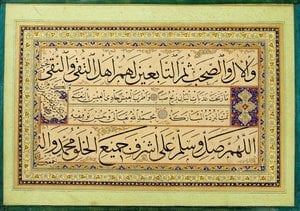
Karalama (calligraphy exercise)

Intricate Arabic calligraphy with shimmering gold accents defines this 1500s masterpiece by the legendary Ottoman master Ahmed Karahisari, offering a timeless window into Islamic artistry for your collection.

Ahmed Karahisari (1468-1566) was a pivotal Ottoman calligrapher renowned for revitalizing the Yaqut al-Musta'simi style in Thuluth & Naskh scripts. Explore his masterpieces at Topkapi Palace and discover his legacy alongside Sheikh Hamdullah & Hafiz

オンラインプレビューをはるかに凌ぐ、高解像度で鮮明なデジタル画像をご購入いただけます。

各ファイルは、社内の専門家が高度なツールと熟練した手作業によるレタッチを用いて、細心の注意を払って準備されています。すべての画像において、卓越した鮮明度、正確な色彩再現性、そして繊細なディテールを保証いたします。

最終ファイルは、プロフェッショナルな編集・印刷環境ですぐにご利用いただけるよう最適化された状態で、72時間以内にメールにてお届けいたします。これは、一流のデザインスタジオ、出版社、ギャラリーから信頼されているものと同等の品質です。

デジタルアート

個人での鑑賞、印刷、クリエイティブなプロジェクト用に、高解像度ファイルをダウンロードできます。 ( プリント版に切り替え 手描きの絵画を購入)

最終合計金額

$ 24.90

デジタル画像のご注文に付随する特典

高品質なデジタル画像配信を、確かな品質で。

WahooArt.com を選ぶことは、単に画像を手に入れることではありません。それは、プロの手によって精密に仕上げられ、満足保証が付いた高品質なデジタルアートワークを受け取ることを意味します。ご注文いただいた際に自動的に付随する内容は、以下の通りです:

shipping_icon
メールですぐにお届け

ご注文から72時間以内に、高解像度のデジタル画像ファイルがメールでお手元に届きます。すぐにそのままご利用いただけます。

canvas_icon
AI技術で最適化されたデジタルファイル

お客様の作品は、高度なAIツールと専門家による手作業の編集を組み合わせてプロフェッショナルに最適化されており、細部のディテール、鮮明さ、そして正確な色再現性を最大限に引き出しています。

insurance_icon
一生涯無料の再送サービス

ファイルを誤って削除したり、紛失してしまったりしましたか?ご安心ください。いつでも無料で再送いたします。

tax_icon
輸入手数料は一切かかりません

関税や手数料、配送料を気にすることなく、お気に入りのアートワークをすぐにお楽しみいただけます。デジタルダウンロードは常に免税です。

color_icon
色彩再現の保証

プロ仕様のツールとカラーマネジメント技術を用いることで、デジタル画像が元の色を最大限に忠実に再現することを保証いたします。

return_icon
100日間満足保証

ご購入いただいたデジタル画像にご満足いただけない場合は、100日以内であれば、理由を問わず修正または100%の返金対応をさせていただきます。

guarantee_icon
100% 返金保証

ご満足いただけない場合は、デジタルファイルを受け取ってから100日以内であれば、理由を問わず全額返金いたします。

discount_icon
まとめ買い割引

3枚購入で10%OFF - 5枚購入で15%OFF - 10枚以上購入で20%OFF。クリエイティブなプロジェクト、ギャラリー、エージェンシーに最適です。

作品詳細

  • Year: 1500
  • Artist: Ahmed Karahisari
  • Dimensions: 26 x 35 cm
  • Artistic style: Ottoman Calligraphy
  • Subject or theme: Arabic calligraphy exercise

The Dance of Ink and Spirit

In the delicate interplay of ink and parchment, Karalama (calligraphy exercise) offers a profound window into the soul of Ottoman mastery. This exquisite piece, dating back to the year 1500, is far more than a mere practice sheet; it is a rhythmic meditation captured in motion. The artwork features the fluid, sweeping curves of Arabic script, where each stroke carries the weight of intention and the grace of a dancer. As the eye wanders across the yellowish, aged surface, one feels the passage of centuries, as if peering through a veil into the very heart of the 16th-century workshop. The cursive script possesses an organic complexity, creating a sense of depth that draws the viewer into a labyrinth of linguistic beauty and spiritual devotion.

The technique employed by the legendary Ahmed Karahisari reveals a sophisticated command over the medium. Beyond the primary calligraphic flow, the composition is punctuated by ethereal decorative elements that elevate the work from exercise to ornament. Tiny, shimmering gold dots are scattered across the page like celestial dust, catching the light and providing a rhythmic counterpoint to the dark ink. Small, delicate circles are interspersed throughout, adding structural visual interest and guiding the viewer's gaze through the intricate web of characters. This meticulous application of gold and ink demonstrates a mastery of balance, where the spontaneity of a "sketch" meets the precision of high art.

A Legacy Written in Gold

To understand this work is to understand the era of the Sun of Calligraphy himself. Ahmed Karahisari, a titan of the Ottoman Golden Age, lived during the transformative reign of Sultan Suleyman the Magnificent. His life was deeply rooted in Sufi scholarship, and this spiritual foundation is palpable in every loop and ligature of his writing. The piece embodies the revitalization of the Thuluth and Naskh scripts, showcasing a style that sought to harmonize the mathematical precision of Islamic geometry with the emotional fluidity of divine praise. For the collector or the lover of history, this artwork serves as a tangible connection to the intellectual and artistic zenith of the Ottoman Empire.

For those looking to integrate such profound beauty into a contemporary space, Karalama offers an unparalleled emotional impact. Its warm, antique palette makes it a versatile centerpiece for sophisticated interior design, providing a sense of timelessness and quiet contemplation. Whether placed in a sunlit library or a modern gallery setting, the piece radiates an aura of wisdom and tranquility. Owning a high-quality reproduction of this masterpiece is not merely about acquiring decor; it is about inviting the rhythmic, golden legacy of Karahisari into one's personal sanctuary, ensuring that the echoes of 1500 continue to resonate in the modern world.


作家の略歴

Ahmed Karahisari: The Sun of Calligraphy

Ahmed Şemseddîn Karahisârî (1468–1566), often referred to as Karahisari, stands as one of the titans of Ottoman calligraphy—a figure whose influence reverberates through centuries of Islamic art and scholarship. Born in Afyonkarahisar, Turkey, his exact birthdate remains elusive, shrouded in the mists of Ottoman archival records. Yet, what is undeniably certain is that he ascended to unparalleled renown during the reign of Sultan Suleyman I (1520–1566), earning the moniker *Shams al-Khatt*, “The Sun of Calligraphy,” a testament to his mastery and transformative vision for the art form.
  • Early Life & Education: Karahisari’s formative years unfolded in Istanbul, where he pursued rigorous Sufi scholarship—a cornerstone of Ottoman intellectual life—laying the groundwork for his lifelong dedication to Islamic calligraphy. Precise details regarding his teacher remain debated amongst scholars; sources cite Yahyâ Sufî and Esadullah-ı Kirmânî as potential mentors, reflecting the diverse influences shaping Ottoman artistic sensibilities.
  • Stylistic Innovation: Unlike many of his contemporaries who adhered to Sheikh Hamdullah’s established style—characterized by elegant curves and meticulous ornamentation—Karahisari embarked on a daring quest to revive the aesthetic principles championed by Yaqut al-Musta'simi, an Abbasid calligrapher whose work predated Hamdullah’s innovations. This deliberate divergence signaled a pivotal moment in Ottoman calligraphy history.

A Revolutionary Approach to Script

Karahisari didn’t merely replicate existing styles; he fundamentally reimagined them, elevating the best examples of Thuluth and Naskh scripts to new heights of artistic excellence. His distinctive style—characterized by a bold confidence and an unwavering commitment to precision—was initially met with resistance within Ottoman circles. However, his legacy endured through the teachings of Hasan Çelebi, Karahisari’s adoptive son, who became himself a celebrated calligrapher, perpetuating the master's influence for generations. This stylistic breakthrough cemented Karahisari’s position as one of the “Three Great Calligraphers” alongside Sheikh Hamdullah and Hafiz Osman—a trio whose contributions irrevocably shaped the trajectory of Islamic calligraphy.

The Magnificent Mus'haf: A Testament to Artistic Achievement

Perhaps Karahisari’s most enduring achievement resides in his monumental mus'haf—a meticulously crafted copy of the Qurʾan commissioned by Suleyman I—which now graces the Topkapi Palace Museum Library. This masterpiece exemplifies Karahisari’s unparalleled skill and embodies the zenith of Ottoman calligraphy during Suleyman’s reign. Beyond this singular work, numerous other Qurʾanic manuscripts bearing his signature are housed in Istanbul's museum collections, demonstrating the breadth of his artistic output.

Influence & Legacy

Karahisari’s influence extended far beyond his immediate disciples; he profoundly impacted Ottoman art and culture as a whole. His work aligns seamlessly with the broader aesthetic currents of the Ottoman Period—particularly the vibrant artistic movement spearheaded by Osman Hamdi Bey and Şeker Ahmed Paşa—artists who similarly embraced innovation and sought to elevate Islamic art to new levels of grandeur. The enduring fascination with Karahisari’s style underscores his indelible mark on Islamic calligraphy history, securing his place as a visionary artist whose legacy continues to inspire scholars and practitioners alike. His contribution solidified the importance of reviving classical artistic traditions while simultaneously pushing boundaries.
ahmed karahisari

ahmed karahisari

1468 - , Turkey

プロフィール概要

  • Artistic Movement Or Style: Ottoman Period (before 1600), Süleyman the Magnificent Period (1520–1566)
  • Artists Or Movements Influenced By This Artist: ['Osman Hamdi Bey']
  • Artists Who Influenced This Artist:
    • Yaqut al-Musta’simi
    • Sheikh Hamdullah
  • Date Of Birth: Around 1468
  • Date Of Death: 1566
  • Full Name: Ahmed Şemseddîn Karahisârî
  • Nationality: Turkish
  • Notable Artworks: ["The Mus'haf for Suleiman the Magnificent"]
  • Place Of Birth: Karahisar, Turkey