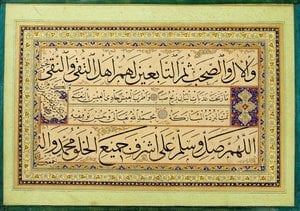
Ink On PaperIslamic Calligraphy
 1500Early Modern
 26.0 x 35.0 cm
 Sakıp Sabancı Museum
当社のアーティストが、お客様のご希望のサイズと額縁に合わせて、キャンバスに手描きで制作する油彩画です。 ( プリント版に切り替え デジタル画像販売へ切り替え)





























作品のオリジナル比率に合わせた、当店の規定サイズからお選びください。

特定のフレームやスペースに合わせて、ご希望のサイズをご入力いただけます。選択されたサイズが元の画像の比率と異なる場合、アートワークをトリミングするか、手描きで要素を追加して絵画を拡張いたします。デジタルモックアップ を制作し、制作開始前にご確認(承認)をいただきます。
画面上のプレビューは、実際のトリミングや拡張を正確に反映しているものではありません。最終的な構図は、モックアップによってのみ正確にご確認いただけます。
カスタムサイズもご利用いただけますが、元の比率を維持するためには、あらかじめ用意されたリストからサイズを選択することをお勧めいたします。

Karalama (calligraphy exercise)
複製画のサイズ
In the delicate interplay of ink and parchment, Karalama (calligraphy exercise) offers a profound window into the soul of Ottoman mastery. This exquisite piece, dating back to the year 1500, is far more than a mere practice sheet; it is a rhythmic meditation captured in motion. The artwork features the fluid, sweeping curves of Arabic script, where each stroke carries the weight of intention and the grace of a dancer. As the eye wanders across the yellowish, aged surface, one feels the passage of centuries, as if peering through a veil into the very heart of the 16th-century workshop. The cursive script possesses an organic complexity, creating a sense of depth that draws the viewer into a labyrinth of linguistic beauty and spiritual devotion.
The technique employed by the legendary Ahmed Karahisari reveals a sophisticated command over the medium. Beyond the primary calligraphic flow, the composition is punctuated by ethereal decorative elements that elevate the work from exercise to ornament. Tiny, shimmering gold dots are scattered across the page like celestial dust, catching the light and providing a rhythmic counterpoint to the dark ink. Small, delicate circles are interspersed throughout, adding structural visual interest and guiding the viewer's gaze through the intricate web of characters. This meticulous application of gold and ink demonstrates a mastery of balance, where the spontaneity of a "sketch" meets the precision of high art.
To understand this work is to understand the era of the Sun of Calligraphy himself. Ahmed Karahisari, a titan of the Ottoman Golden Age, lived during the transformative reign of Sultan Suleyman the Magnificent. His life was deeply rooted in Sufi scholarship, and this spiritual foundation is palpable in every loop and ligature of his writing. The piece embodies the revitalization of the Thuluth and Naskh scripts, showcasing a style that sought to harmonize the mathematical precision of Islamic geometry with the emotional fluidity of divine praise. For the collector or the lover of history, this artwork serves as a tangible connection to the intellectual and artistic zenith of the Ottoman Empire.
For those looking to integrate such profound beauty into a contemporary space, Karalama offers an unparalleled emotional impact. Its warm, antique palette makes it a versatile centerpiece for sophisticated interior design, providing a sense of timelessness and quiet contemplation. Whether placed in a sunlit library or a modern gallery setting, the piece radiates an aura of wisdom and tranquility. Owning a high-quality reproduction of this masterpiece is not merely about acquiring decor; it is about inviting the rhythmic, golden legacy of Karahisari into one's personal sanctuary, ensuring that the echoes of 1500 continue to resonate in the modern world.


1468 - , Turkey
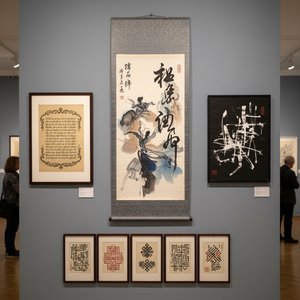
Explore the profound beauty of calligraphy art. From the fluid running script of Chinese masters to historical ink masterpieces, discover how the elegance of line transforms spaces with timeless grace and scholarly sophistication.

Embark on a visual journey through the world's most radiant masterpieces. Discover how gold leaf, impasto textures, and gilded tones define luxury in fine art, from Byzantine icons to modern abstracts. Explore the eternal allure of gold in curated, museum-quality art collections.

Dive into the vibrant world of Ben-Day dots. Explore how Roy Lichtenstein transformed mass media imagery into high art, redefining modern aesthetics through the iconic textures of Pop Art and its enduring impact on contemporary visual culture.
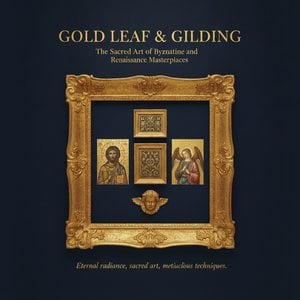
Explore the divine mastery of Byzantine gold leaf and gilding. Discover how ancient artisans used gold ground and mosaics to create celestial light, a timeless legacy of spiritual splendor and technical excellence in sacred art history.

Embark on a profound journey through the soul of Chinese calligraphy. Explore the historical mastery of ink, brush, and script, from ancient Zhuanshu to elegant running script, and discover how this timeless art form reflects the enduring spirit of classical East Asian aesthetics.


 プレビュー
プレビュー
 シェアする
シェアする シェアする
シェアする
 詳細を見る
詳細を見る ガイド
ガイド

 ダウンロード
 似ている作品
 X線調査
X線調査 スライドショー
 統計情報
統計情報 詳細を見る
詳細を見る









 ガラスオプションは、110cm未満のサイズでのみご利用いただけます。