Un'eredità scolpita nella pietra e nello spirito
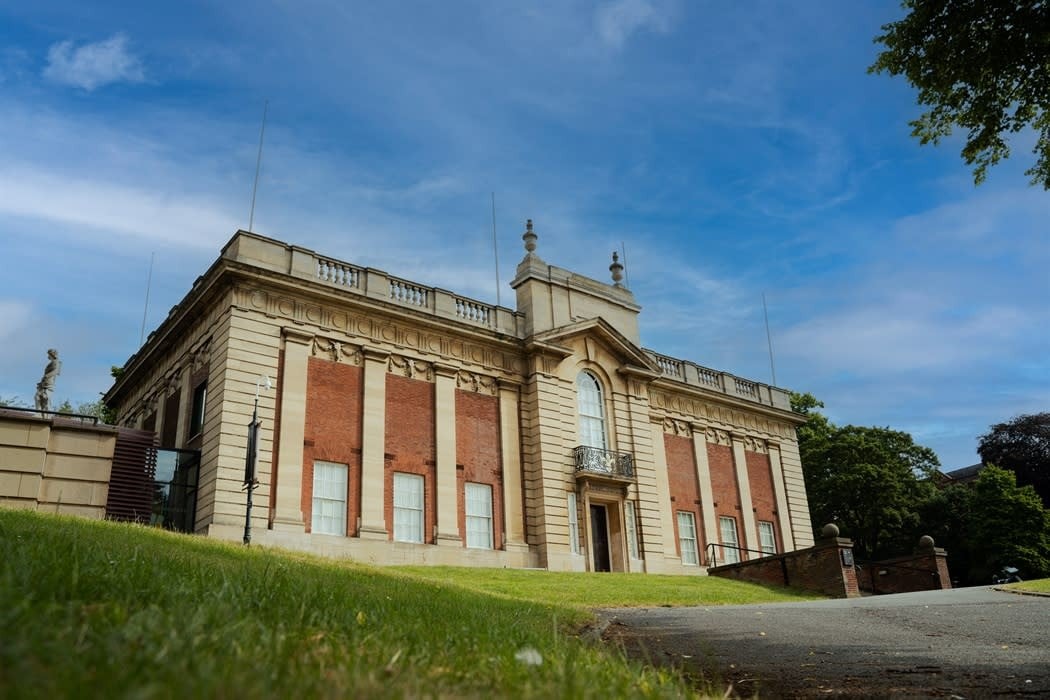
Immersa nel tranquillo abbraccio di Temple Gardens, la Usher Art Gallery si erge come una luminosa testimonianza del legame indissolubile di Lincoln con il proprio patrimonio artistico. Questa gemma architettonica, progettata dal celebre architetto Sir Reginald Blomfield, incarna un senso di grandezza vittoriana che si fonde armoniosamente con l'innovazione moderna. La sua facciata in pietra, caratterizzata da classici pilastri tuscanici e una dignitosa balaustra, offre un santuario sereno per chi cerca la bellezza nel bel mezzo del fermento della storica Low Town. Fondata nel 1927 grazie alla profonda generosità di James Ward Usher—un gioielliere locale la cui passione per l'eccelsa maestria artigianale era senza pari—la galleria è molto più di un semplice deposito di oggetti; è una narrazione vivente dell'anima del Lincolnshire, dove gli echi della Britannia imperiale incontrano il vibrante battito della creatività contemporanea.
Varcare le sue soglie significa intraprendere un viaggio attraverso il tempo, iniziando con gli antichi sussurri della Britannia romana. La straordinaria collezione di mosaici romani della galleria funge da finestra mozzafiato sul passato, presentando tessere meticolosamente preservate e vivaci frammenti rinvenuti proprio nel suolo del Lincolnshire. Questi intricati motivi, che raffigurano narrazioni mitologiche e scene di vita quotidiana dell'era dell'imperatore Adriano, rivelano un'arte sofisticata che un tempo fioriva nel cuore dell'impero. Addentrandosi ulteriormente nella collezione, l'atmosfera vira verso l'intensità spirituale del periodo anglosassone. Qui, il delicato gioco di luci sulle iniziali dorate dei manoscritti miniati e la bellezza austera dei crocifissi scolpiti parlano di una visione del mondo plasmata da una fede profonda e dalla tradizione germanica, mostrando una maestria tecnica che continua a affascinare l'occhio moderno.
Dalla luce romantica alle ombre industriali
Il cuore della Usher Art Gallery pulsa con più vigore all'interno della sua collezione di arte britannica, un panorama diversificato che cattura i mutamenti d'umore di una nazione. Per l'amante del sublime, i paesaggi monumentali di J.M.W. Turner offrono un'esperienza senza pari. Le sue tele, vere lezioni magistrali di luce atmosferica e colore, spingono i confini della percezione, invitando gli spettatori a smarrirsi tra le nebbie vorticose e i cieli drammatici della campagna inglese. In un contrasto netto e struggente, le visioni urbane di L.S. Lowry offrono una finestra sulle realtà sociali del XX secolo. Il suo stile distintivo, con forme semplificate e tonalità mute e suggestive, cattura il movimento ritmico, spesso cupo, della vita industriale a Salford, creando una risonanza emotiva che rimane profondamente toccante sia per i collezionisti che per gli storici.
Oltre la tela, la galleria celebra l'esquisita intimità delle arti decorative, riflettendo il gusto raffinato dell'era vittoriana. La collezione di ceramiche inglesi è una cronaca affascinante di evoluzione, che spazia dalla audace porcellana Tudor di Spode alla delicata eleganza dipinta della Delftware e di Sèvres. Questa ossessione per la bellezza si estende al scintillante assortimento di argenteria della galleria, dove i pezzi di rinomati argentieri come John Wakelin dimostrano una meticolosa devozione al dettaglio. Dall'argento cerimoniale alle delicate incisioni floreali sui set da tè, questi oggetti incarnano un'epoca di aristocratica grazia. Per l'interior designer o il conoscitore dell'alto artigianato, questi tesori offrono un'ispirazione infinita, provando che la Usher Art Gallery non è semplicemente un museo del passato, ma una fonte continua di ispirazione estetica per il presente.