Joseph Badolo: A Vibrant Voice from Niger
Joseph Badolo, born in Niamey, Nigeria in 1962, is a Nigerian painter who has emerged as a significant figure in contemporary African art. Known affectionately as Lionba – a nickname reflecting his distinctive artistic style – Badolo’s work captures the essence of daily life in Niger with bold colors and expressive brushstrokes, establishing him as a storyteller rooted in his cultural heritage.
Early Life and Artistic Beginnings
Details about Badolo's formative years remain relatively scarce, highlighting the challenges faced by artists emerging from less documented contexts. However, it’s understood that he honed his artistic skills through self-taught experimentation and observation of the Nigerien landscape and people—a practice that profoundly informs his visual language. His initial inspirations likely stemmed from traditional Nigerian art forms and folklore, elements which subtly permeate his later canvases. The absence of formal training speaks volumes about the resilience and creativity inherent in artists who forge their own paths to artistic expression.
Style and Technique: Color as Narrative
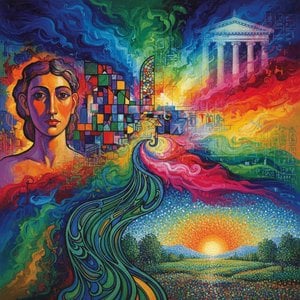
Badolo’s signature style is characterized by an unrestrained use of color – predominantly vibrant hues of green, yellow, orange, and red – that dominate his paintings. These colors aren't merely decorative; they serve as conduits for conveying emotion and capturing the vibrancy of Nigerien culture. He employs loose brushwork and layering techniques to build up textures and create a sense of dynamism, mirroring the energy of rural life. Unlike many Western artists who prioritize meticulous realism, Badolo prioritizes expressive color and form over precise representation. This stylistic choice distinguishes him from his peers and contributes significantly to the unique character of his oeuvre. It’s this deliberate rejection of conventional artistic conventions that elevates Badolo's work beyond mere visual depiction—transforming it into a powerful narrative about Nigerien identity.
Themes and Subjects: Portraits of Everyday Life
Badolo’s artistic focus centers on depicting scenes from ordinary Nigerien life – portraits of villagers, landscapes brimming with flora and fauna, and depictions of rituals and celebrations. These subjects are rendered with sensitivity and detail, capturing not just visual appearances but also the spirit of human connection and cultural traditions. His paintings resonate deeply with viewers because they offer glimpses into a world often overlooked by mainstream art discourse—a testament to his commitment to portraying authentic experiences. He seeks to honor the dignity and beauty inherent in the simplest moments of daily existence, conveying a profound respect for Nigerien heritage.
Recognition and Exhibitions
Despite operating largely outside established artistic circles, Badolo’s work has garnered considerable acclaim both nationally within Nigeria and internationally. He has participated in exhibitions showcasing African contemporary art, attracting attention from collectors and critics alike. Notably, his paintings have been displayed at St Joseph Chapel in Hungary and Brodsky House Museum in Russia, demonstrating the reach of his artistic vision across geographical boundaries. Furthermore, his inclusion in “Josephplatz” – a UNESCO World Heritage site celebrating Austrian Baroque grandeur – underscores the significance of his contribution to cultural heritage. This exposure has solidified Badolo’s reputation as a visionary artist dedicated to communicating universal themes through a distinctly Nigerian lens.
Legacy: A Continuing Dialogue with Tradition
Joseph Badolo’s enduring legacy lies in his unwavering dedication to preserving and reimagining Nigerian artistic traditions. He continues to draw inspiration from his surroundings, producing paintings that reflect not only his personal aesthetic but also the broader narrative of Nigerien culture—a dialogue between past and present that ensures his art remains relevant for generations to come. His work serves as a powerful reminder of the transformative potential of art to illuminate diverse perspectives and celebrate human experience. Badolo’s commitment to honoring tradition while forging a distinctive artistic voice cements his place as one of Nigeria's most compelling contemporary artists.