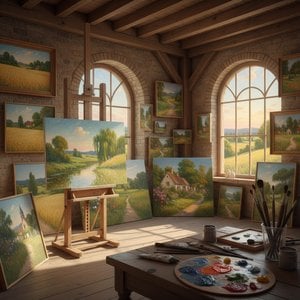
Il Realismo Visionario di Henry Herbert La Thangue
Henry Herbert La Thangue si staglia come una figura cardine nel mosaico della pittura paesaggistica realista britannica, un maestro il cui pennello seppe catturare la quieta dignità della campagna inglese e la luce fuggevole del continente europeo. Nato a Croydon, nel Surrey, nel 1859, il suo percorso artistico ebbe inizio nel fermento intellettuale della Londra vittoriana. Nutrito dai legami con illustri contemporanei come Stanhope Forbes e Frederick Goodall durante gli anni trascorsi al Dulwich College, La Thangue sviluppò una precoce e profonda sensibilità per l'osservazione meticolosa. Questo periodo formativo gli trasmise un impegno verso il dettaglio che sarebbe diventato il tratto distintivo della sua eredità immortale.
La sua formazione accademica fu segnata da una rigorosa disciplina, comprendendo sia la Lambeth School of Art che la prestigiosa Royal Academy di Londra. L'anno 1879 rappresentò un momento cruciale quando gli fu conferita una ambita medaglia d'oro, un traguardo che lo spinse verso una borsa di studio trasformativa presso l'atelier di Jean-Léon Gérôme a Parigi. Fu proprio in questo contesto francese che La Thangue incontrò l'etica della Scuola di Barbizon. Sebbene i suoi maestri criticassero occasionalmente la sua inclinazione verso il romanticismo, La Thangue riuscì a sintetizzare con successo i principi della pittura en plein air con un incrollabile dedizione al realismo, imparando a catturare l'essenza immediata e atmosferica della luce naturale.
Un Viaggio tra Luce e Paesaggio
Lo spirito creativo di La Thangue non conobbe mai confini. Tra il 1881 e il 1882, le sue spedizioni in Bretagna e nella Valle del Rodano a Donzère gli permisero di immergersi nei diversificati paesaggi della Francia. Questi viaggi ampliarono i suoi orizzonti artistici, introducendo una tavolozza di colori tenui e una bellezza tranquilla che si sarebbero manifestate successivamente in opere come "A Provençal Stream". Questo dipinto funge da sereno testamento delle sue influenze impressioniste, dove il movimento dell'acqua e il calore del sole sono resi con un tocco delicato ed evocativo.
Al suo ritorno in Inghilterra nel 1886, La Thangue divenne un partecipante attivo nelle mutevoli correnti dell'establishment artistico britannico. L'adesione al Royal Institute of Oil Painters consolidò il suo prestigio professionale, eppure egli rimase un riformatore nel cuore. Il suo coinvolgimento nel movimento volto a sfidare l'egemonia tradizionalista della Royal Academy contribuì infine alla formazione del New English Art Club (NEAC). Attraverso questo nuovo contesto, egli promosse un approccio più democratico all'arte, presentando opere che celebravano la bellezza onesta e spoglia della vita rurale e il lavoro della classe operaia.
La Maestria della Narrativa Rurale
L'anima vera dell'opera di La Thangue risiede nella sua capacità di trasformare ordinarie scene agricole in profonde esperienze emotive. Gli anni della maturità, in particolare il periodo trascorso a South Walsham, nel Norfolk, videro un approfondimento del suo focus sui ritmi della terra. In capolavori come "The Last Furrow" (1895), egli cattura la struggente bellezza del raccolto, utilizzando una tecnica realista che onora la fatica e la grazia dell'esistenza rurale. Il suo lavoro impiega spesso una ricca texture a impasto per conferire peso fisico alla terra e al cielo ritratti sulla tela.
Forse nessun'opera racchiude la sua capacità di fondere simbolismo e naturalismo meglio di "Nightfall", nota anche come "The Gleaners". In questo toccante olio del 1895, La Thangue utilizza colori caldi e un senso di ombra incombente per evocare la solennità della stagione del raccolto. Attraverso i suoi occhi, il paesaggio non è un semplice scenario, ma un personaggio vivo, intriso della storia di coloro che lo lavorano. La sua eredità rimane una parte vitale della tradizione della Scuola di Newlyn, offrendo una finestra su un'era scomparsa della vita pastorale britannica attraverso la lente di un realismo squisito e inondato di luce.
Domande e risposte
Dove posso esplorare le opere di Henry Herbert La Thangue suddivise per soggetto?
L'Catalogo per soggetti di Henry Herbert La Thangue è una pagina che organizza le opere dell'artista in base ai loro soggetti.
Posso esplorare le opere di Henry Herbert La Thangue in base allo spettro dei colori?
La pagina Indice dei colori organizza le opere di Henry Herbert La Thangue per colore.
Dove posso vedere tutte le opere di Henry Herbert La Thangue?
Tutte le opere di Henry Herbert La Thangue presenti su questo sito web sono consultabili nella pagina Tutte le opere dell'artista.