Il Maestro della Zecca: La Vita e l'Eredità di George William De Saulles
Nel grande arazzo dell'arte vittoriana, dove la potenza industriale della Gran Bretagna incontrava una profonda riverenza per l'eleganza classica, poche figure catturarono lo spirito dell'epoca con la stessa intimità di George William De Saudlles. Nato nel cuore industriale di Birmingham nel 1862, De Saulles era destinato a plasmare la valuta stessa di un impero. Il suo percorso, da studente alla Birmingham School of Art alla prestigiosa posizione di Capo Incisore presso la Royal Mint, è una narrazione in cui l'immensa abilità tecnica incontra il patrocinio reale. Figlio di un mercante di vetro, portava in sé una stirpe che aveva toccato le sale del potere; suo nonno era stato paggio di corte per monarchi come Giorgio IV e Guglielmo IV, fornendo un sottile legame ancestrale con la maestà che egli avrebbe infine immortalato nel metallo.
L'evoluzione artistica di De Saulles affondava le radici nelle rigorose discipline della scultura, dell'acquaforte e dell'incisione. La sua formazione iniziale sotto maestri come Edward R. Taylor gli instillò una precisione che trascendeva la mera artigianalità, elevando il suo lavoro al regno delle belle arti. Prima di ascendere alle vette dei circoli numismatici londinesi, visse un apprendistato formativo con un incisore di conii locale, apprendendo la delicata alchimia dell'intagliare intricati motivi sull'acciaio. Questo periodo di apprendimento tattile fu cruciale; gli permise di padroneggiare le sottili sfumature del rilievo e dell'ombra che avrebbero successivamente definito le sue opere più iconiche. Al momento del suo trasferimento a Londra per collaborare con il rinomato medagliere John H. Conches, De Saulles aveva già iniziato a sviluppare uno stile distintivo, caratterizzato da un profondo senso di dignità e accuratezza anatomica.
Un'Epoca d'Oro di Iconografia Imperiale
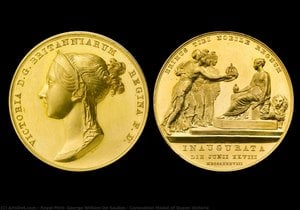
La nomina di De Saulles a Capo Incisore nel 1892 segnò un periodo trasformativo per la monetazione britannica. Succedendo al leggendario Leonard Charles Wyon, De Saulles ereditò una responsabilità sia artistica che politica: creare simboli visivi che imponessero rispetto in tutti gli sconfinati territori del Regno Unito e delle sue colonie. Il suo lavoro durante i regni della Regina Vittoria e di Re Edoardo VII divenne il volto della sovranità britannica. Egli possedeva la rara capacità di tradurre la grazia effimera di un ritratto reale nella durata eterna dell'oro e dell'argento. Non si può contemplare la sua eredità senza riflettere sul “Veiled Head Penny”, un disegno che rimane un apice dell'estetica vittoriana, dove le delicate trame del tessuto e l'ornamentazione floreale sembrano quasi morbide al tatto, nonostante siano incise nel metallo.
La sua maestria si estese ben oltre il semplice ritratto, infondendo vita in scene leggendarie e complesse allegorie. I suoi contributi al mondo numismatico includono:
- Il Ritratto di Edoardo VII: Un dritto regale e imponente che ha definito la monetazione di un nuovo secolo.
- Una e il Leone: Squisite monete d'oro che hanno catturato la grandezza dell'arte coniaia britannica del 1839 attraverso una narrazione leggendaria.
- Capolavori Neoclassici: Disegni come la moneta da cinque sterline di Giorgio III, che utilizzavano scene di battaglia e ritratti reali per evocare un senso di continuità storica.
- Influenza Coloniale: La diffusione dell'identità britannica attraverso conii meticolosamente incisi, utilizzati in varie valute coloniali, assicurando che il suo tocco artistico venisse percepito a livello globale.
L'Impronta Duratura di una Mano da Scultore
Sebbene la sua vita sia stata tragicamente breve, concludendosi nel 1903 all'età di quarantuno anni, l'impatto di George William De Saulles rimane inciso nella storia dell'arte e del commercio. Egli non si limitò a produrre monete; scolpì l'identità visiva di un'epoca. La sua capacità di firmare le sue opere con segni sottili come "DES" o "DS" parla di un artigiano profondamente integrato nel tessuto della Royal Mint, ma dotato di una voce artistica distinta. Il suo lavoro colmò il divario tra la precisione industriale richiesta dalla zecca e il romanticismo del movimento Arts and Crafts che fiorì durante la sua giovinezza.
Oggi, collezionisti e storici osservano i suoi incisi non solo come reperti di storia economica, ma come miniature capolavori di scultura. Ogni linea che incise in un conio fu un atto di preservazione, catturando la fuggevole maestà delle epoche vittoriana ed edoardiana per l'eternità. Nella lucentezza silenziosa di una guinea d'oro o nel dettaglio nitido di un farthing d'argento, lo spirito di De Saulles vive ancora: testimonianza di un uomo che ha trasformato il freddo mezzo del metallo in una profonda espressione di orgoglio nazionale ed eccellenza artistica.
Domande e risposte
Quali colori ha usato più spesso George William De Saulles?
Il profilo cromatico delle opere di George William De Saulles è visualizzabile nella pagina Genoma della Palette dell'artista.
In quali periodi è suddivisa la carriera di George William De Saulles?
Un resoconto cronologico delle opere di George William De Saulles è disponibile nella pagina Cronologia dell'artista, dove le opere sono presentate nell'ordine di creazione, capitolo dopo capitolo.
Di dove è George William De Saulles?
George William De Saulles è nato/a in Regno Unito.