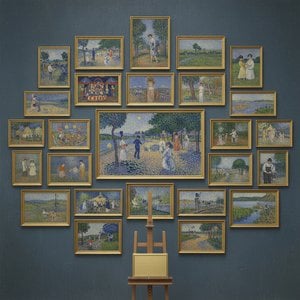
Il Rembrandt di Angus: La Visione Profonda di George Paul Chalmers
Nei paesaggi nebbiosi e salmastri della Scozia del diciannovesimo secolo, pochi artisti sono riusciti a catturare la bellezza effimera delle Highlands con una profonda intimità come George Paul Chalmers. Conosciuto affettuosamente dai suoi contemporanei come “Il Rembrandt di Angus”, Chalmers possedeva una rara capacità di infondere vita nel terreno aspro di Montrose e dei suoi dintorni. Nato nel 1833 da un capitano di una nave costiera, i suoi primi anni furono immersi nell'atmosfera marittima della costa scozzese, un'infanzia che senza dubbio alimentò la sua fascinazione per tutta la vita per le scene marine e il drammatico gioco di luci sul mare. Il suo viaggio, da giovane ragazzo che schizzava tra le ombre di Montrose a celebre membro della Royal Scottish Academy, è la testimonianza di un talento che cercava l'eterno nei momenti fugaci della natura.
La traiettoria dello sviluppo artistico di Chalmers fu irrevocabilmente plasmata dal suo periodo presso la Trustees' Academy di Edimburgo. Sotto la rigorosa e stimolante tutela di Robert Scott Lauder, Chalmers andò oltre la mera rappresentazione verso una maestria più sofisticata del realismo accademico. Fu proprio qui che affinò uno stile distintivo caratterizzato da una stesura del colore libera ed espressiva, una tecnica che privilegiava gli effetti atmosferici di luce e colore rispetto a un disegno rigido. Questo approccio gli permise di manipolare il chiaroscuro, utilizzando ombre profonde e improvvisi sprazzi di luminosità per infondere alle sue tele un senso palpabile di emozione. Che stesse ritraendo il sereno fascino rurale di “The Ford” o le viste suggestivamente belle dello Skye, la sua opera mantenne sempre un nucleo di profondità psicologica che risuonò ben oltre i confini della Scozia.
Un'eredità di ritratti e paesaggi
Sebbene i suoi paesaggi siano celebrati per il loro potere evocativo, la maestria di Chalmers come ritrattista rimane una pietra miliare della sua importanza storica. Egli possedeva un dono straordinario nel catturare la dignità, la grazia e l'essenza interiore dei suoi soggetti, che spaziavano dai residenti locali alle illustri figure del mondo dell'arte. I suoi ritratti non erano semplici somiglianze, ma studi psicologici; in opere come “Mrs May Torrie”, si percepisce un'attenzione meticolosa al dettaglio che onora lo status sociale del soggetto rivelando, al contempo, una tenera vulnerabilità umana. Questa capacità di colmare il divario tra la precisione accademica formale e la risonanza emotiva lo rese un pittore molto ricercato nella sua epoca.
Al di fuori dello studio, il repertorio di Chalmers si espanse in scene di genere e narrazioni storiche che riflettevano il zeitgeist culturale della Scozia vittoriana. Il suo legame con le tradizioni letterarie della sua patria è evidente in opere come “The Legend”, uno schizzo giovanile ispirato ai suggestivi racconti di Sir Walter Scott. Questa intersezione tra arte visiva e narrazione nazionale aiutò a consolidare il suo posto all'interno del più ampio movimento del Romanticismo scozzese. Anche mentre esplorava interni più intimi e soggetti marittimi, un filo costante di tensione atmosferica attraversava la sua opera, suggerendo che ogni paesaggio e ogni volto custodissero una storia in attesa di essere sussurrata.
La vita di George Paul Chalmers fu tragicamente interrotta nel 1878 all'età di quarantatré anni, a seguito di una caduta accidentale. Eppure, l'impatto della sua breve ma brillante carriera continua a perdurare. I suoi contributi alla Royal Scottish Academy e il suo ruolo nel creare un ponte tra il realismo tradizionale e gli approcci più sperimentali dei successivi Scottish Colourists ne garantiscono la duratura importanza nella storia dell'arte. Oggi, guardiamo alla sua opera non solo come a reperti storici, ma come a finestre su una Scozia scomparsa: un mondo di nebbia, luce e spirito eterno che Chalmers catturò con una maestria senza pari.
Domande e risposte
Dove si trovano le opere di George Paul Chalmers organizzate per colore?
L'indice spettrale di George Paul Chalmers, consultabile tramite Indice Spettrale, è una pagina che organizza le opere dell'artista in base ai loro colori.
Quante opere di George Paul Chalmers sono disponibili per la consultazione?
Puoi sfogliare 127 opere d'arte opere di George Paul Chalmers nella pagina Tutte le opere d'arte.
In quale città e in quale paese è nato/a George Paul Chalmers?
George Paul Chalmers è nato a Montrose, in Scozia.