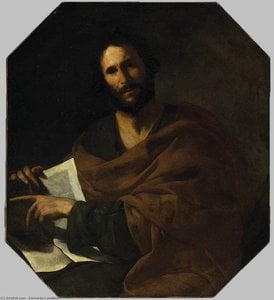
Bernardo Cavallino: Il Visionario del Barocco Napoletano
Bernardo Cavallino rimane una delle figure più enigmatiche e affascinanti nella storia dell'arte barocca italiana. Nato a Napoli il 25 agosto 1616, emerse da una città vibrante di fervore artistico sotto il dominio asburgico, eppure la sua vita resta avvolta in gran parte dallo stesso mistero che circonda le sue tele. Sebbene i dettagli biografici siano frustrantemente scarsi — costringendo gli studiosi a ricostruire il suo percorso attraverso prove circostanziali e analisi stilistiche — le sue opere superstiti parlano con un'indubbiabile brillantezza. Cavallino possedeva un talento singolare nel catturare la tensione drammatica, creando un linguaggio visivo che appariva allo stesso tempo intensamente personale e profondamente epico. La sua produzione può risultare notevolmente esigua rispetto ai prolifici maestri della sua epoca, ma ogni pennellata porta con sé un peso di potenza espressiva che gli ha permesso di perdurare negli annali della storia dell'arte.
Le fondamenta della maestria di Cavallino furono gettate all'interno della vibrante scuola napoletana, probabilmente sotto la tutela di Massimo Stanzione. Questa associazione fu cruciale, poiché Stanzione era un gigante delle commissioni religiose, noto per il suo uso monumentale del chiaroscresco. Da questa formazione, Cavallino ereditò una profonda comprensione dell'interazione drammatica tra luce e ombra, una tecnica che sarebbe diventata la pietra angolare della sua identità. Il suo vocabolario visivo fu ulteriormente arricchito dai legami con artisti come Andrea Vaccaro, favorendo uno spirito collaborativo che ne espanse l'ampiezza tecnica. Forse tuttavia l'influenza più trasformativa fu quella di Anthony van Dyck. Assorbendo l'eleganza e la sofisticata ritrattistica del maestro fiammingo, Cavallino introdusse un'estetica raffinata, quasi lirica, nella rude tradizione napoletana, creando una sintesi unica di stili.
Una Sintesi di Luce ed Emozione
Ciò che distingue Cavallino dai suoi contemporanei è la sua capacità di unire due mondi apparentemente opposti: il crudo e ombroso tenebrismo di Caravaggio e il sereno, luminoso idealismo presente nelle opere di Murillo. Questa alchimia stilistica gli permise di ritrarre scene di profonda estasi spirituale e strazianti sofferenze umane con uguale grazia. La sua tecnica non fu mai una mera imitazione; riguardava la risonanza emotiva. Nelle sue mani, la luce non si limita ad illuminare una scena: la santifica o espone la nuda vulnerabilità dei suoi soggetti.
Questa maestria è forse più evidente nelle sue celebri composizioni bibliche e agiografiche:
- La Guarigione di Tobia: dipinta tra il 1640 e il 1644, quest'opera funge da radioso esempio della sua capacità di usare dettagli meticolosi e una luce magistrale per infondere vita alle narrazioni sacre.
- Lot e le sue Figlie: in questo capolavoro del 1644, Cavallino presenta un paesaggio inquietantemente desolato, utilizzando la spogliezza dell'ambientazione cavernosa per enfatizzare il peso psicologico del racconto biblico.
- Il Martirio di San Stefano: qui l'artista raggiunge l'apice del dramma barocco, fondendo ombre intense con un senso di presenza divina per esplorare l'intersezione tra fede e agonia mortale.
Eredità e Significato Storico
Sebbene la sua vita sia stata interrotta prematuramente nel 1656 — un anno segnato dalla tragedia a Napoli — Cavallino ha lasciato un'eredità che continua a affascinare gli storici dell'arte. Egli non si limitò a seguire le tendenze del Barocco napoletano; le raffinò, iniettando un senso di intimità ed eleganza poetica in un genere spesso caratterizzato dalla grandiosità. La sua capacità di bilanciare le pesanti ombre della tradizione caravaggesca con una fonte luminosa delicata, quasi eterea, creò un ponte tra l'intenso realismo del primo Seicento e gli stili più decorativi ed emotivi che seguirono.
Oggi, Cavallino è ricordato come un artista di profonda sensibilità. Le sue opere, custodite in prestigiose istituzioni come il Museo del Prado di Madrid, fungono da finestre su un periodo di intensa transizione spirituale e artistica. Egli rimane un maestro del capolavoro "in piccolo", dimostrando che anche all'interno di una produzione limitata, un artista può catturare le infinite complessità dell'anima umana attraverso la sapiente manipolazione di luce, ombra e grazia.
Domande e risposte
È disponibile un elenco completo delle opere di Bernardo Cavallino?
Tutte le opere di Bernardo Cavallino presenti su questo sito web sono consultabili nella pagina Tutte le opere dell'artista.
Dove posso visitare il museo virtuale 3D con le opere di Bernardo Cavallino?
È possibile effettuare una visita virtuale: la pagina Galleria 3D di Bernardo Cavallino presenta le opere dell'artista all'interno di una galleria tridimensionale.
Come posso trovare le opere di Bernardo Cavallino relative a un tema specifico?
Per trovare le opere di Bernardo Cavallino relative a un tema specifico, consulta la pagina Per parole chiave dell'artista, che raggruppa le opere per parola chiave.