primi anni e vite di mare
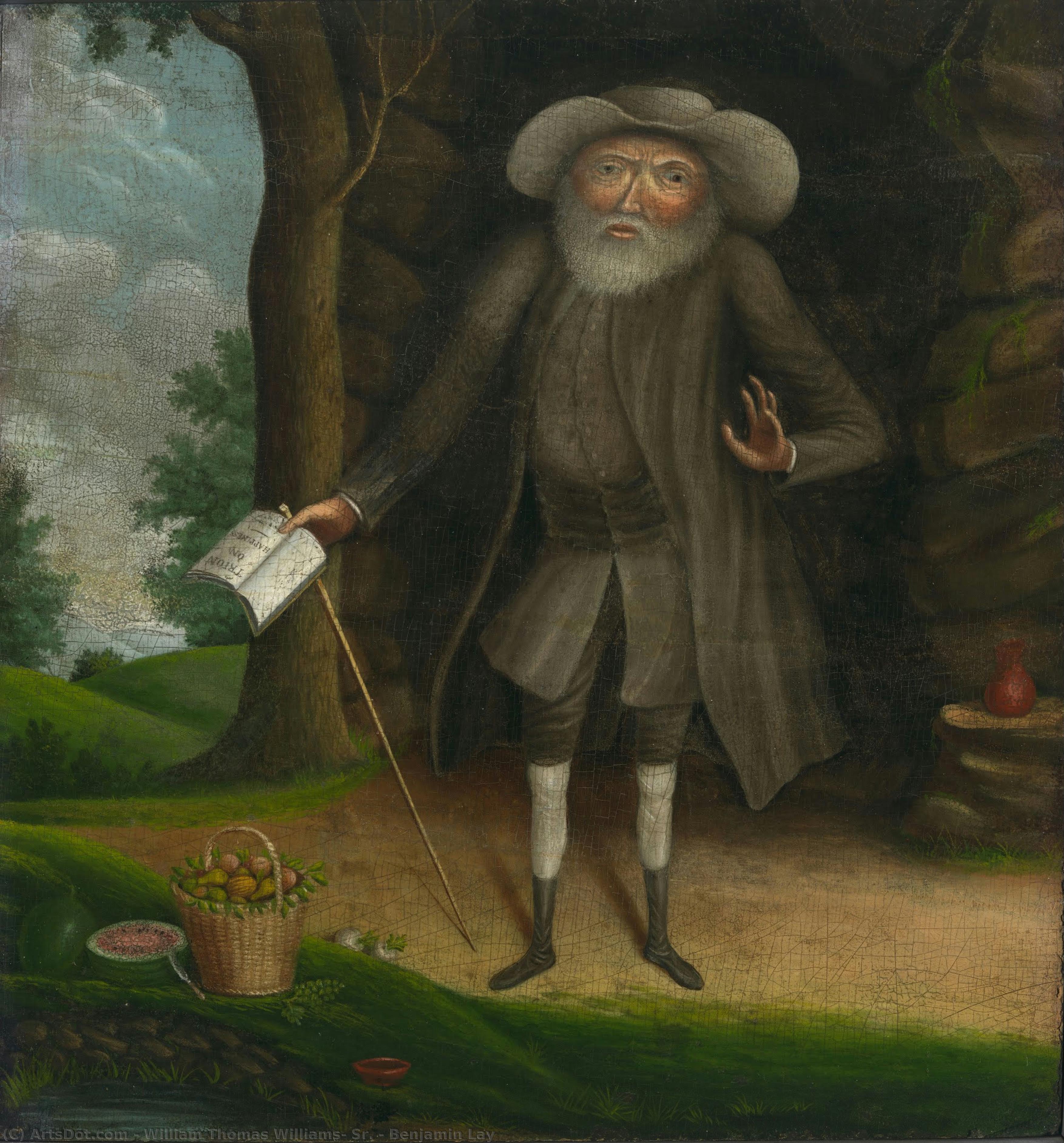
William Thomas Williams, Sr., illustre pittore e scrittore anglo-americano, nacque nel 1727 a Bristol, in Inghilterra. I suoi anni formativi trascorsero a Caerphilly, nel Galles, dove strinse un legame profondo e indissolubile con l'oceano. Si ritiene che Williams abbia vissuto come marinaio durante la giovinezza, un'esperienza che avrebbe influenzato in modo determinante le sue successive aspirazioni artistiche.
carriera artistica e opere celebri
La carriera di Williams è segnata da un connubio unico tra esperienze marittime e inclinazioni letterarie. Fu autore de
The Journal of Llewellin Penrose, Seaman, opera spesso considerata il primo romanzo americano. Nonostante il libro non sia stato pubblicato fino al 1815, il testo originale è rimasto inedito fino al 1969.
filadelfia e eredità artistica
Nel 1747, Williams si stabilì a Filadelfia, dove interpretò un ruolo cruciale nella fondazione del primo teatro d'America. Il suo studio d'arte,
The Sign of Hogarth's Head, divenne un centro pulsante di innovazione artistica, accogliendo tra i suoi alliearten più illustri anche il giovane Benjamin West.
stile artistico e influenze
L'opera di Williams si distingue per un eclettico intreccio di influenze inglesi e americane, specchio del suo passato di navigatore e della sua sensibilità letteraria. Il suo stile, sebbene non ampiamente documentato, è ritenuto plasmato dalla moda artistica dell'epoca, che prediligeva i racconti di viaggio autentici e avventurosi.
eredità e memoria
Williams morì a Filadelfia nel 1791, lasciando un'eredità che, pur non essendo stata immediatamente riconosciuta, ha dato un contributo significativo alla storia dell'arte americana. La sua vita rimane una testimonianza preziosa delle influenze transatlantiche che hanno modellato il mondo dell'arte.
punti chiave: - la vita di Williams riflette l'intersezione tra avventure marittime ed espressione artistica. - le sue opere letterarie, sebbene pubblicate con ritardo, hanno arricchito la storia dell'arte americana. - la scuola inglese di pittura, con il suo mix di talento locale e influenze internazionali, ha gettato le basi per lo stile unico di Williams.


 Ordina la riproduzione dipinta a mano
 Condividi
 Condividi
 Dettagli
 Guida stampabile

 Scarica
 Articoli simili
 Slideshow
 Statistiche


 Leggi tutto






































 L'opzione vetro è disponibile solo per dimensioni inferiori a 110 cm


