Anteprima in scala reale Prova in AR Passa alle stampe Passa all'immagine digitale Condividi
Dettagli Aggiungi ai preferiti Scarica Articoli simili Radiografia Slideshow Statistiche

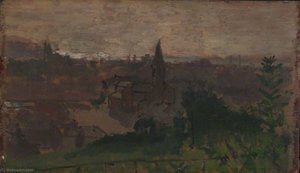
The Miner

Experience Walter Richard Sickert’s ‘The Miner,’ a raw & emotive oil painting capturing intense intimacy. Explore this Symbolist work's textured impasto and shallow perspective – a captivating glimpse into early 20th-century London.

Scopri Walter Richard Sickert (1860-1942), pittore britannico e figura chiave dell'arte d'avanguardia! Scene di music hall, ritratti e interni in uno stile unico.

Riproduzione a olio fatta a mano

Olio su tela dipinto a mano nelle tue dimensioni e con la tua cornice, realizzato su ordinazione dai nostri artisti. ( Passa alle stampe Passa all'immagine digitale)

P118B $10
P118H $10
P118W $10
P438Z $10
P508JH $12
P508YH $12
P805H $10
P805Z $10
P919BZ $10
P919G $10
P919XJ $10
P959ZH $10
P968JZ $12
W106C $8
W218G $10
W218JH $8
W218Y $10
W307PJ $10
W316G $10
W316PJ $8
W316Y $10
W398PJ $8
W4111J $10
W500HY $15
W500JH $15
W692G $12
W849H $8
W940BG $15
W953PJ $8

Standard
personalizzato
CM
INCH

Scegli tra le nostre dimensioni predefinite, che rispettano le proporzioni originali dell'opera d'arte.

larghezza
altezza

È possibile inserire dimensioni personalizzate per adattare l'opera a una cornice o a uno spazio specifico. Se la dimensione selezionata non corrisponde alle proporzioni dell'immagine originale, provvederemo a ritagliare l'opera o a estendere il dipinto con elementi aggiuntivi dipinti a mano. Un mockup digitale ti sarà inviato per approvazione prima dell'inizio della produzione.
Si prega di notare che l'anteprima a schermo non riflette il ritaglio o l'estensione effettivi. Solo il mockup mostrerà accuratamente la composizione finale.
Sebbene siano disponibili dimensioni personalizzate, consigliamo di selezionare una dimensione dall'elenco predefinito per preservare le proporzioni originali.

Esempi di personalizzazione: sostituire il volto con una foto del cliente; aggiungere un animale domestico (ad esempio, sostituire un gatto con un cane); inserire un messaggio nascosto nello sfondo; cambiare il paesaggio o gli elementi dello sfondo.
Dopo l'ordine, il team di WahooArt.com contatterà il cliente via e-mail per ricevere le istruzioni e fornirà un'anteprima del mockup

Consegna in tutto il mondo () in 3/4 settimane anziché nelle normali 5 settimane. (16 Settembre). Nessun compromesso sulla qualità.

why_choose_icon
Spedizione espressa gratuita in tutto il mondo
why_choose_icon
Tela in lino di alta qualità
why_choose_icon
Assicurazione completa sulla spedizione
why_choose_icon
Garanzia di rimborso dei dazi doganali
why_choose_icon
Garanzia di perfetta fedeltà cromatica
why_choose_icon
Politica di reso entro 100 giorni (solo per difetti di fabbricazione)
why_choose_icon
Garanzia di rimborso al 100%
why_choose_icon
Sconto per acquisti multipli

Prezzo totale

$ 297

reproduction

The Miner

Tecnica di riproduzione

Dimensioni della riproduzione

-

Prezzo totale

$ 297

Dettagli rapidi

  • Artist: Walter Richard Sickert
  • Movement: Symbolism
  • Location: Birmingham Museums Trust
  • Artistic style: Romanticism/Symbolism
  • Subject or theme: Mining, intimacy, labor
  • Year: 1935-36
  • Title: The Miner

Quiz d'arte

Per ogni domanda è presente una sola risposta corretta.

Domanda 1:
What artistic movement is most closely associated with Walter Richard Sickert’s ‘The Miner’?
Domanda 2:
What is a prominent technique used in 'The Miner' that contributes to its emotional intensity?
Domanda 3:
According to the provided text, what is a key theme explored in ‘The Miner’?
Domanda 4:
In what year was ‘The Miner’ painted?
Domanda 5:
What does the shallow perspective in ‘The Miner’ primarily achieve?

A Glimpse into the Heart of Labor: Walter Richard Sickert’s “The Miner”

Walter Richard Sickert's "The Miner," painted in 1935-36, isn’t merely a depiction of a working man; it’s an intimate excavation of human experience. This oil painting, currently residing within the Birmingham Museums Trust collection, offers a profoundly unsettling and ultimately poignant meditation on isolation, hardship, and the enduring search for connection. Sickert, a figure perpetually navigating the boundaries between artistic tradition and modernism – born in Munich but firmly rooted in London’s vibrant art scene – masterfully captures the psychological weight of a life spent toiling beneath the earth.

The composition immediately draws the viewer into a claustrophobic space. Two figures, rendered with a deliberate lack of idealization, are locked in an intense embrace. The man, his face partially obscured by a dark cap and the rough texture of his clothing, leans forward with a palpable urgency. His body is taut, suggesting both vulnerability and a desperate need for solace. The woman, her hair cascading down her back, offers a yielding presence – not necessarily one of passive acceptance, but rather a quiet resilience in the face of an unforgiving world. Sickert’s brushwork is remarkably tactile; thick impasto layers create a sense of physicality, almost as if you could reach out and feel the grit of the mine dust clinging to their skin.

The Shadowy World of Camden Town: Context and Style

To understand “The Miner,” it’s crucial to situate it within Sickert's broader artistic practice. He was a key figure in the Camden Town Group, a collective of artists who rejected the academic traditions of the Royal Academy and embraced a more gritty, urban realism. This group, centered around the bohemian district of Camden Town in London, sought to depict the lives of ordinary people – particularly those on the fringes of society – with unflinching honesty. Sickert’s work often explored themes of sexuality, poverty, and the darker aspects of human nature, frequently drawing inspiration from music halls, pubs, and the city's underbelly.

The painting’s style aligns closely with Symbolism and early Modernism. Sickert deliberately eschewed photographic realism, prioritizing emotional impact over precise representation. The muted color palette – dominated by browns, grays, and blacks – reinforces the somber mood of the scene. Notice how he uses light to sculpt form, creating a dramatic chiaroscuro effect that emphasizes the figures’ faces and bodies while plunging the background into darkness. This technique not only adds depth but also contributes to the painting's overall sense of mystery and unease.

Decoding the Symbolism: More Than Just a Miner

“The Miner” is rich in symbolic meaning, extending far beyond its literal subject matter. The mine itself represents a metaphorical descent into darkness – both physical and psychological. It’s a place of isolation, hardship, and relentless labor, mirroring the protagonist's emotional state following his personal loss. The embrace between the figures can be interpreted as an attempt to bridge this gap, offering a fleeting moment of connection amidst the overwhelming sense of despair. The woman’s partially obscured face suggests a vulnerability that contrasts with the man’s apparent strength, hinting at a complex power dynamic.

Furthermore, Sickert's choice of subject – a working-class couple – was deliberately provocative for its time. He wasn’t interested in romanticizing labor; instead, he presented it as a brutal reality, stripped of any sentimental gloss. The painting subtly challenges societal norms and exposes the human cost of industrialization. The flower glimpsed in the background, visible only briefly, could symbolize hope or beauty amidst the darkness – a reminder that even in the most difficult circumstances, moments of grace can still be found.

A Timeless Exploration of Human Connection

“The Miner” is not simply a portrait; it’s a profound exploration of human connection, isolation, and the enduring search for meaning. Sickert's masterful use of light, color, and brushwork creates an intensely emotional experience, inviting viewers to contemplate the complexities of the human condition. It remains a powerful testament to his unique artistic vision and a haunting reminder of the lives lived in the shadows of modern society. Reproductions capture much of this evocative power, offering a window into a world both familiar and profoundly unsettling.


Biografia dell'artista

Primi anni e formazione

Walter Richard Sickert, pittore anglo-tedesco, nacque il 31 maggio 1860 a Monaco di Baviera. La sua famiglia si trasferì in Inghilterra nel 1868, dopo l'annessione tedesca dello Schleswig-Holstein. Ricevette la sua prima istruzione presso l’University College School e il King’s College School, studiando fino all'età di 18 anni.

Sviluppo artistico

Il percorso artistico di Sickert iniziò con un breve periodo come attore, seguito dall'iscrizione alla Slade School nel 1881. Successivamente divenne allievo di James Abbott McNeill Whistler, che influenzò significativamente la sua opera. I suoi primi dipinti furono piccoli studi tonali realizzati "alla prima" dalla natura, seguendo l’esempio di Whistler.

Opere significative e controversie

Le sue prime opere importanti, risalenti alla fine degli anni '80 dell'Ottocento, raffiguravano scene dei teatri musicali londinesi. Uno dei suoi dipinti più noti, Katie Lawrence at Gatti's, suscitò polemiche per la sua rappresentazione di una cantante dei teatri musicali, ritenuta "brutta e volgare" dalla critica.

Influenze e il Gruppo Camden Town

Sickert fu un’importante influenza sugli stili d'avanguardia britannici del XX secolo. Nel 1888 si unì alla New English Art Club, un gruppo di artisti influenzati dall'arte realista francese, e successivamente divenne membro del Gruppo Camden Town.

Eredità

Le opere di Sickert sono esposte in vari musei, tra cui il museo Kunstsalon Franke Schenk, che presenta opere dal XVI al XX secolo. La sua eredità si estende oltre la sua arte stessa, influenzando gli stili d'avanguardia britannici della metà e della fine del XX secolo. Date chiave:
  • 31 maggio 1860: nascita a Monaco di Baviera, Regno della Baviera
  • 1888: aderisce alla New English Art Club
  • 1903-04: sviluppa un approccio distintivo ai tableaux con figure multiple durante il suo ultimo viaggio di pittura a Venezia

Conclusione

Il lavoro pionieristico di Walter Richard Sickert nell'arte d'avanguardia britannica ha lasciato un segno indelebile nel mondo dell'arte. La sua eredità continua ad ispirare e influenzare gli artisti, rendendolo una figura cruciale nella storia dell’arte moderna.
Walter Richard Sickert

Walter Richard Sickert

1860 - 1942 , Germania

Informazioni rapide

  • Artisti Influenti: ['James Abbott McNeill Whistler']
  • Artisti Influenzati: ['Wyndham Lewis']
  • Data Di Nascita: 31 maggio 1860
  • Luogo Di Nascita: Monaco, Germania
  • Movimento Artistico: Post-impressionismo, Realismo
  • Nazionalità: Britannico (di origine tedesca)
  • Nome Completo: Walter Richard Sickert
  • Opere Notevoli:
    • Katie Lawrence at Gatti's
    • Gaieté Montparnasse
Esplora le opere d'arte organizzate per temi, stili e caratteristiche.