CONSULENZA D'ARTE GRATUITA

x
Ordina la riproduzione Ordina la riproduzioneAcquista download Acquista download InviaInvia
DetailsDetails Aggiungi ai preferiti Aggiungi ai preferiti ScaricaScarica SimiliSimili X-RayX-Ray SlideshowSlideshow

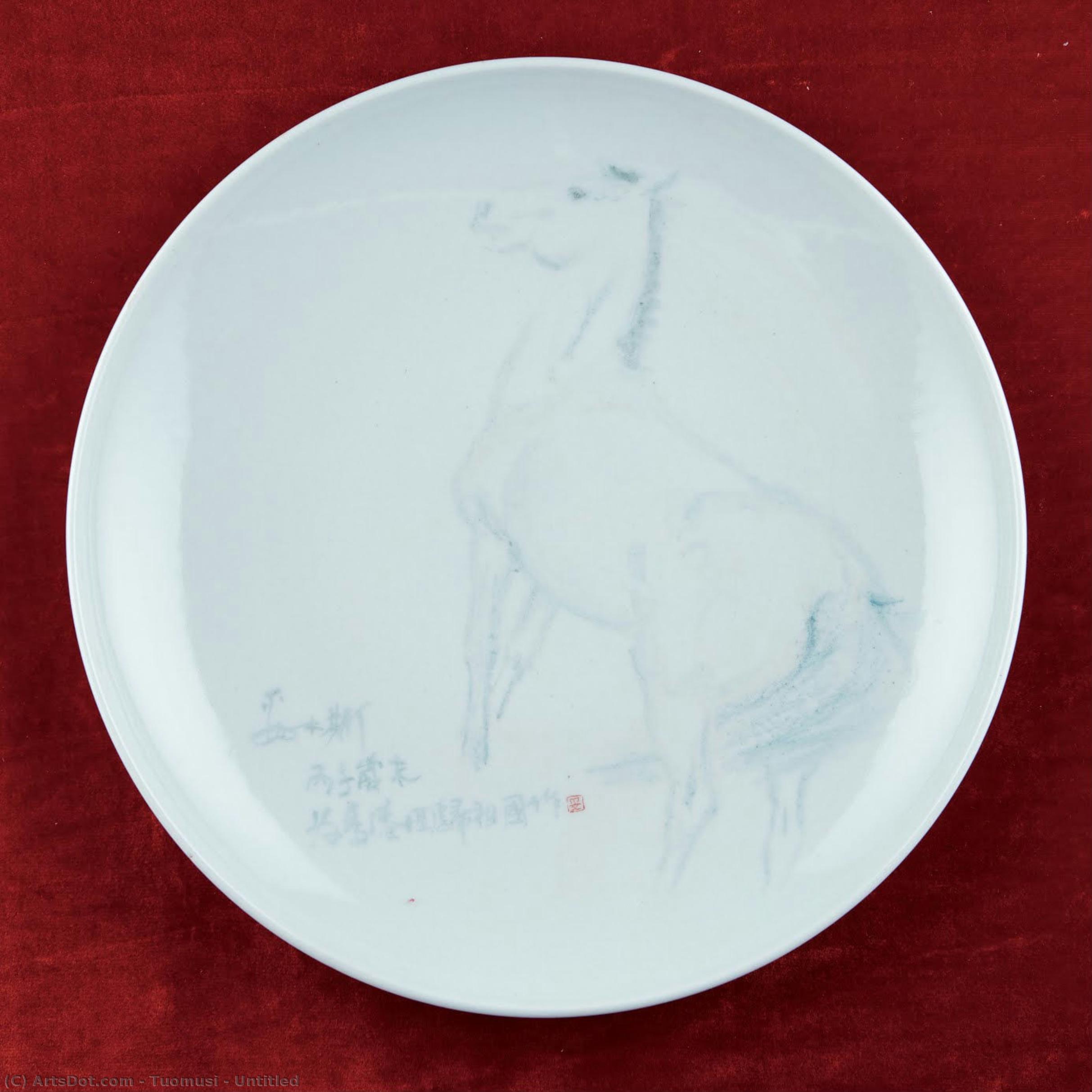
Untitled

Tuomusi: Un maestro della pittura steppe mongola. Scopri opere iconiche come "Donne nel pagliaio" e "Il lungo vicino", uno stile unico che celebra la bellezza del paesaggio mongolo e l'importanza della cultura tradizionale.

Giclée / Stampa d'arte

Stampa giclée o su tela di qualità museale, con produzione rapida e diverse opzioni di finitura.

Standard
custom
CM
INCH

Scegli tra le nostre dimensioni predefinite, che rispettano le proporzioni originali dell'opera d'arte.

larghezza
altezza

È possibile inserire dimensioni personalizzate per adattare l'opera a una cornice o a uno spazio specifico. Se la dimensione selezionata non corrisponde alle proporzioni dell'immagine originale, procederemo al ritaglio dell'opera o all'estensione dell'immagine con un bordo specchiato o a tinta unita. Un mockup digitale ti verrà inviato per approvazione prima dell'inizio della produzione.
Si prega di notare che l'anteprima a schermo non riflette il ritaglio o l'estensione effettivi. Solo il mockup mostrerà accuratamente la composizione finale.
Sebbene siano disponibili dimensioni personalizzate, si raccomanda di selezionare una dimensione dall'elenco predefinito per preservare le proporzioni originali.

Consegna in tutto il mondo () in 2 settimane invece delle normali 4/5 settimane. (2 Luglio)

why_choose_icon
Spedizione espressa gratuita in tutto il mondo

why_choose_icon
Tela in lino di alta qualità
why_choose_icon
Assicurazione completa sulla spedizione
why_choose_icon
Garanzia di rimborso dei dazi doganali
why_choose_icon
Garanzia di fedeltà cromatica
why_choose_icon
Politica di reso entro 60 giorni (solo per difetti)
why_choose_icon
Garanzia di rimborso al 100%
why_choose_icon
Sconto per acquisti multipli

Prezzo totale

-

reproduction

Untitled

Giclée / Stampa d'arte

Dimensioni riproduzione

-

Prezzo totale finale

-

Descrizione dell'opera

Tuomusi was born in 1932 in Tumute Zuoqi, Inner Mongolia. He graduated from the Oil Painting Department of the Central Academy of Fine Arts in 1958. In 1963, after graduating from the oil painting research class of Central Academy of Fine Arts, he was assigned to teach in the Department of Fine Arts of Inner Mongolia Normal University. In 1987, he won a special prize for literary and artistic creation in Inner Mongolia. He led a group of young artists to grow up, forming a unique style - the distinct

Biografia dell'artista

Tuomusi: The Voice of Mongolian Landscape

Tuomusi, born Tumurtei in 1932 in Tumurtei Zuoiqi, Inner Mongolia Autonomous Region, stands as a monumental figure in Mongolian art history. His formative years were steeped in the traditions of nomadic culture, profoundly shaping his artistic vision and establishing him as one of the foremost proponents of what is affectionately termed “the grassland painting school.” This distinctive style emerged from a deep connection to the vast steppe landscapes of Mongolia—a connection that continues to permeate his oeuvre. Early Life & Education: Tuomusi’s formal artistic training commenced at the Central Art Academy in Beijing in 1958, where he honed his skills in oil painting techniques. However, it was his subsequent appointment as instructor at Inner Mongolia Normal University in 1963 that cemented his role as a teacher and nurtured the burgeoning talent of younger artists. This early exposure to artistic disciplines instilled in him a lifelong passion for visual expression and solidified his commitment to fostering creativity within the Mongolian art community. The Grassland Painting School: The true genesis of Tuomusi’s artistic legacy lies in his pioneering efforts to cultivate a unique aesthetic rooted in Mongolian folklore and visual culture. Recognizing the importance of preserving cultural heritage, he championed a style characterized by bold brushstrokes, vibrant colors—primarily yellows and greens—and an uncompromising depiction of the steppe environment. This approach deliberately rejected Western conventions, prioritizing emotional resonance over meticulous realism; instead, Tuomusi sought to convey the spirit of Mongolia through evocative imagery that captured its grandeur and simplicity. He believed that art should serve as a conduit for cultural identity, ensuring that Mongolian traditions endured across generations. His artistic journey gained considerable momentum in 1987 when he received the Special Literary and Artistic Prize from Inner Mongolia for his contributions to Mongolian culture—a recognition of his unwavering dedication to promoting artistic excellence and safeguarding Mongolia’s cultural heritage. Subsequent accolades included the Wu Zuoren International Fine Arts Award in 1990, reflecting the esteem with which his work is regarded internationally. He served on numerous artistic committees – the Education Committee of Art Affairs, Vice President of the Inner Mongolian Writers’ Association, and Chairman of the Mongolian Artists Association – demonstrating a lifelong commitment to nurturing artistic innovation and upholding Mongolia's cultural legacy. Notable Achievements & Legacy: Tuomusi’s influence extends far beyond his own lifetime. He is credited with establishing a distinct artistic idiom that distinguishes Mongolian art from its Western counterparts, fostering a renewed appreciation for indigenous traditions and inspiring generations of artists. His paintings—particularly “Women in Haystack,” “Close,” “Long Neigh,” and “Old Man”—are celebrated for their masterful use of color and texture, conveying a palpable sense of atmosphere and emotion. These pieces are not merely representations of landscapes; they are embodiments of Mongolian identity—a testament to the artist’s ability to capture the soul of his homeland and solidify his place as one of Mongolia's most important cultural figures. Furthermore, he founded Tuomusi Oil Painting Studio at Inner Mongolia Normal University, ensuring that his artistic vision would continue to inspire future generations of Mongolian artists. Exhibitions & Recognition: Tuomusi’s work has garnered international acclaim and been showcased in prominent exhibitions across Europe and Asia. Among these highlights include a solo exhibition at CAFA Art Museum Beijing China (2015), Résonance Chinoise – International touring exhibition of Oil chinese painting (2016) Palais Brongniart Paris France, Tuomusi Solo exhibition Sinqintana Art Musuem Hohhot China (2017), Sodorov and Tuomusi National Art Museum of China (2019), Tuomusi Solo exhibition Xi’an Contemporary Art Museum China (2019) Celebrate Tuomusi Art exhibition Baotou Art Museum China. These exhibitions underscore the enduring significance of his artistic contributions and solidify his reputation as a visionary artist who championed Mongolian culture on a global scale.
Tuomusi

Tuomusi

1932 - , Mongolia

Dati rapidi

  • Artistic Movement Or Style: Grassland Painting School
  • Date Of Birth: 1932
  • Full Name: Tumurtei
  • Nationality: Mongolian
  • Notable Artworks:
    • Women in Haystack
    • Close
    • Long Neigh
    • Old Man
  • Place Of Birth: Tumurtei, Mongolia