CONSULENZA D'ARTE GRATUITA

x
Acquista stampa Acquista stampaOrdina la riproduzione Ordina la riproduzione InviaInvia
DettagliDettagli Aggiungi ai preferiti Aggiungi ai preferiti ScaricaScarica SimiliSimili RadiografiaRadiografia SlideshowSlideshow

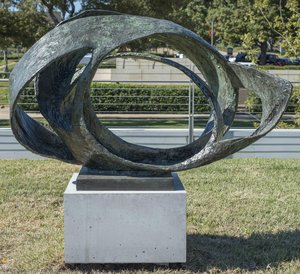
Ferryman

A striking metal sculpture of a rabbit by contemporary master Tony Cragg captures fragmented forms within a serene landscape, offering a unique opportunity to explore this iconic piece for your collection.

Tony Cragg è uno scultore britannico noto per le sue opere assemblate che esplorano forme frammentate e materiali innovativi come vetroresina e bronzo, sfidando la percezione della forma nello spazio e nella natura. È considerato un artista chiave del movimento assemblage contemporaneo e ha ottenuto il Premio Turner nel 1988.

Acquista un'immagine digitale ad alta risoluzione e ottimizzata, di qualità nettamente superiore all'anteprima online.

Ogni file è meticolosamente preparato dai nostri specialisti interni attraverso l'uso di strumenti avanzati e un sapiente ritocco manuale. Garantiamo che ogni immagine presenti una chiarezza eccezionale, una precisione cromatica impeccabile e dettagli raffinati.

Il file finale viene consegnato via e-mail entro 72 ore, ottimizzato per un uso immediato in contesti professionali, editoriali e di stampa. Si tratta della stessa qualità affidata dai più prestigiosi studi di design, editori e gallerie d'arte.

Immagine Digitale

Scarica un file ad alta risoluzione per uso personale, per la stampa e per progetti creativi.

Prezzo totale

$9.99

Incluso in ogni ordine di immagini digitali

Consegna digitale professionale e garantita

Quando scegli WahooArt.com, non riceverai solo un'immagine: riceverai un'opera d'arte digitale professionalmente ottimizzata, realizzata con la massima precisione e accompagnata da una garanzia di soddisfazione. Ecco tutto ciò che include il tuo ordine, automaticamente:

shipping_icon
Consegna rapida via email

Riceverai il file dell'immagine digitale ad alta risoluzione via email entro 72 ore dall'ordine, pronto per un uso immediato.

canvas_icon
File digitale ottimizzato dall'IA

La tua opera d'arte viene ottimizzata professionalmente attraverso l'uso di strumenti avanzati di intelligenza artificiale e una revisione manuale, garantendo il massimo livello di dettaglio, nitidezza e accuratezza cromatica.

insurance_icon
Riconsegna gratuita a vita

Hai eliminato o perso accidentalmente il tuo file? Non preoccuparti: te lo invieremo di nuovo in qualsiasi momento, gratuitamente.

tax_icon
Nessun costo di importazione - Sempre

Goditi la tua opera d'arte istantaneamente senza costi doganali, dazi o spese di spedizione: i download digitali sono sempre esenti da tasse.

color_icon
Garanzia di fedeltà cromatica

Garantiamo che la tua immagine digitale rifletta i colori originali con la massima fedeltà, grazie all'uso di strumenti professionali e a una gestione accurata del colore.

return_icon
Garanzia di soddisfazione di 60 giorni

Se non sei soddisfatto della tua immagine digitale, la revisioneremo o ti rimborseremo il 100% entro 60 giorni, senza domande.

guarantee_icon
Garanzia di rimborso al 100%

Non sei soddisfatto? Ricevi un rimborso completo entro 60 giorni dalla ricezione del tuo file digitale, senza dover fornire spiegazioni.

discount_icon
Sconti per ordini multipli

Acquista 3 immagini, risparmia il 10% - Acquista 5, risparmia il 15% - Acquista 10+, risparmia il 20%. Ideale per progetti creativi, gallerie e agenzie.

Informazioni rapide

  • Artist: Tony Cragg
  • Notable elements or techniques: Metal sculpture resembling a bunny
  • Subject or theme: Rabbit sculpture in a landscape
  • Title: Ferryman
  • Year: 1997

Descrizione del Collezionabile

A Visionary Encounter with Form

In the vast, open expanse of a verdant landscape, where the whispers of nature meet the silent strength of human ingenuity, stands Ferryman. This striking work by the renowned British sculptor Tony Cragg invites the viewer into a profound dialogue between the organic and the industrial. At first glance, the sculpture presents a captivating paradox: a large-scale, metallic rabbit perched with unexpected grace upon a rugged concrete base. The figure, though clearly recognizable in its soft, familiar silhouette, is transformed by its medium, rendered in a way that suggests both the lightness of a living creature and the enduring weight of modern art. It is a piece that commands attention, not through aggression, or noise, but through a quiet, monumental presence that anchors the surrounding field.

The artistry of Cragg lies in his ability to manipulate material to evoke complex emotional responses. In Ferryman, the metallic surface catches the shifting light of the sky, creating a dynamic interplay of shadows and highlights that breathes life into the sculpture's form. The contrast between the smooth, engineered precision of the metal and the raw, unyielding texture of the concrete pedestal creates a tension that is central to the work's allure. This juxtaposition serves as a metaphor for the contemporary condition—the intersection of our biological origins and our increasingly technological existence. For the collector or interior designer, this piece offers a sophisticated focal point, bringing a sense of sculptural depth and intellectual curiosity to any curated space.

The Alchemy of Material and Memory

To understand Ferryman, one must look toward the historical trajectory of Tony Cragg himself. Emerging from the vibrant assemblage movement, Cragg has spent decades redefining how we perceive fragments and forms. This work, dating from 1997, reflects a period of mastery where the artist moved beyond the mere accumulation of discarded objects toward a more fluid, integrated approach to three-dimensional space. The sculpture does not merely sit upon the earth; it seems to emerge from it, bridging the gap between the man-made and the natural world. The presence of distant buildings and the subtle inclusion of human observers in the landscape further emphasize this connection, placing the artwork within a living, breathing ecosystem.

The symbolism within the piece is as layered as the artist's technique. The rabbit, often a symbol of fertility, rebirth, and sudden movement, is here frozen in a moment of stillness, acting as a silent sentinel over the landscape. This stillness invites a meditative state in the viewer, encouraging a slow, rhythmic observation of the surrounding environment. For those seeking to incorporate high-quality reproductions into their homes or galleries, Ferryman represents more than just a decorative object; it is an invitation to contemplate the permanence of art amidst the transience of life. It is a masterpiece of balance, offering a sophisticated aesthetic that resonates with anyone who finds beauty in the harmony of contrasting elements.

Opere simili


Biografia dell'artista

Sir Anthony Cragg: Sculptor of Fragmented Forms

Tony Cragg (born Liverpool, April 9, 1949) stands as a pivotal figure in British contemporary sculpture, recognized for his groundbreaking approach to material and form—a deliberate dismantling of traditional sculptural conventions. His artistic journey began with formative experiences at Gloucestershire College of Arts and Technology and Wimbledon School of Art, establishing him as a skilled painter before he turned his attention to the transformative potential of three-dimensional art. Crucially, Cragg’s relocation to Germany in 1977 marked a significant turning point, fostering collaborations with influential artists and propelling him into the international spotlight. His early work established him as an innovator within the burgeoning assemblage movement. Initially captivated by discarded materials—stacked chairs, tables, and boxes—he skillfully manipulated these fragments to create striking reliefs that explored geometric abstraction and vibrant color palettes. Pieces like “Stack” (1975) demonstrated his mastery of spatial arrangement and his ability to imbue seemingly mundane objects with artistic resonance. This meticulous process mirrored a broader philosophical stance: Cragg sought to distill visual language into its purest essence, rejecting representational imagery in favor of forms that spoke directly to the viewer’s perception—a conscious rejection of illusionism and an embrace of materiality as primary expressive elements. The mid-1970s through early 1980s witnessed Cragg's exploration of monumental installations utilizing primary structures alongside colorful reliefs on gallery walls. This stylistic fusion—evident in works such as “Red Indian” (1982–3)—further solidified his reputation for challenging artistic boundaries and engaging with architectural spaces. He meticulously constructed these sculptures by systematically arranging individual fragments, prioritizing their artificial hues and textural profiles to generate larger images that simultaneously referenced natural forms and geometric abstraction. This technique became a hallmark of Cragg’s oeuvre, reflecting his fascination with the interplay between organic and inorganic elements—a deliberate provocation against conventional sculptural aesthetics. The resulting artworks were not merely objects but immersive experiences designed to disrupt viewers' expectations and stimulate contemplation about the relationship between art and environment. A landmark achievement arrived in 1981 with “Britain Seen From The North,” an ambitious wall-mounted relief crafted from multicolored scraps of various materials. Executed during the height of Thatcherism’s influence on British society—particularly in Northern England—the piece served as a potent commentary on socio-economic anxieties and offered a nuanced perspective on national identity. Cragg's deliberate positioning of a figure gazing outwards from the sculpture’s surface symbolized an outsider’s gaze upon his homeland, prompting viewers to contemplate the complexities of contemporary experience. This work cemented Cragg's position as a socially conscious artist who utilized sculptural form to convey profound ideas about place and perception—a testament to his ability to transform everyday materials into vehicles for intellectual and emotional engagement. Throughout the 1980s, Cragg transitioned away from installation art toward more focused explorations of individual objects—a deliberate shift that underscored his commitment to precision and materiality. His subsequent projects continued to champion innovative techniques and conceptual rigor, cementing his legacy as one of Britain’s foremost sculptors. Today, Cragg's enduring influence can be seen in the work of countless artists globally, demonstrating the lasting impact of his pioneering vision for sculptural art—a vision rooted in a belief that sculpture could serve as both an aesthetic statement and a catalyst for social dialogue.
Tony Cragg

Tony Cragg

1949 - , Regno Unito

Informazioni rapide

  • Artistic Movement Or Style: Assemblaggio
  • Artists Who Influenced This Artist:
    • Robert Irwin
    • Donald Judd
  • Date Of Birth: 1949
  • Date Of Death: Living
  • Full Name: Tony Cragg
  • Nationality: Britannico
  • Notable Artworks:
    • Stack
    • Red Indian
  • Place Of Birth: Liverpool, UK