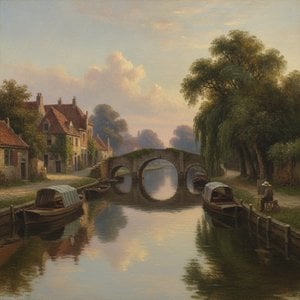
Gray day in spring, Venice (1884) by Tom Roberts, hand-painted oil painting reproduction by a master artist
Anteprima in scala reale Anteprima in AR Passa alle stampe Passa all'immagine digitale Invia
Dettagli opera Guida Aggiungi ai preferiti Scarica Simili Radiografia Slideshow Q&A Statistiche

Gray day in spring, Venice Hand-painted oil painting reproduction

Dimensioni
202.0 x 113.0 cm

Experience the serene atmosphere of Venice at dusk through Tom Roberts' impressionistic masterpiece Gray day in spring, featuring vibrant canals and a tranquil mood that invites you to bring this timeless beauty home.

Scopri Tom Roberts (1856-1931), pioniere dell'Impressionismo Australiano e della Heidelberg School. Esplora opere iconiche come 'Shearing the Rams' e il suo ruolo chiave nel plasmare l'identità artistica australiana.

Riproduzione a olio fatta a mano

Olio su tela dipinto a mano nelle tue dimensioni e con la tua cornice, realizzato su ordinazione dai nostri artisti. ( Passa alle stampe Passa all'immagine digitale)

Corner sample of the P118B picture frame: polistirene stampato, 5 cm wide and 3 cm thick
P118B €10
Corner sample of the P118H picture frame: polistirene stampato, 5 cm wide and 3 cm thick
P118H €10
Corner sample of the P118W picture frame: polistirene stampato, 5 cm wide and 3 cm thick
P118W €10
Corner sample of the P438Z picture frame: polistirene stampato, 5.5 cm wide and 3.5 cm thick
P438Z €10
Corner sample of the P508JH picture frame: polistirene stampato, 7 cm wide and 3.5 cm thick
P508JH €12
Corner sample of the P508YH picture frame: polistirene stampato, 7 cm wide and 3.5 cm thick
P508YH €12
Corner sample of the P805H picture frame: polistirene stampato, 5 cm wide and 3.5 cm thick
P805H €10
Corner sample of the P805Z picture frame: polistirene stampato, 5 cm wide and 3.5 cm thick
P805Z €10
Corner sample of the P919BZ picture frame: polistirene stampato, 7 cm wide and 3.5 cm thick
P919BZ €10
Corner sample of the P919G picture frame: polistirene stampato, 7 cm wide and 3.5 cm thick
P919G €10
Corner sample of the P919XJ picture frame: polistirene stampato, 7 cm wide and 3.5 cm thick
P919XJ €10
Corner sample of the P959ZH picture frame: polistirene stampato, 5 cm wide and 3 cm thick
P959ZH €10
Corner sample of the P968JZ picture frame: polistirene stampato, 6 cm wide and 4 cm thick
P968JZ €12
Corner sample of the W106C picture frame: legno massello, 5 cm wide and 3 cm thick
W106C €8
Corner sample of the W218G picture frame: legno massello, 5 cm wide and 3 cm thick
W218G €10
Corner sample of the W218JH picture frame: legno massello, 5 cm wide and 3 cm thick
W218JH €8
Corner sample of the W218Y picture frame: legno massello, 5 cm wide and 3 cm thick
W218Y €10
Corner sample of the W307PJ picture frame: legno massello, 6 cm wide and 3 cm thick
W307PJ €10
Corner sample of the W316G picture frame: legno massello, 6 cm wide and 3 cm thick
W316G €10
Corner sample of the W316PJ picture frame: legno massello, 6 cm wide and 3 cm thick
W316PJ €8
Corner sample of the W316Y picture frame: legno massello, 6 cm wide and 3 cm thick
W316Y €10
Corner sample of the W398PJ picture frame: legno massello, 5 cm wide and 3 cm thick
W398PJ €8
Corner sample of the W4111J picture frame: legno massello, 6.5 cm wide and 3.5 cm thick
W4111J €10
Corner sample of the W500HY picture frame: legno massello, 7 cm wide and 5 cm thick
W500HY €15
Corner sample of the W500JH picture frame: legno massello, 7 cm wide and 5 cm thick
W500JH €15
Corner sample of the W692G picture frame: legno massello, 8 cm wide and 4 cm thick
W692G €12
Corner sample of the W849H picture frame: legno massello, 5 cm wide and 3 cm thick
W849H €8
Corner sample of the W940BG picture frame: legno massello, 7.5 cm wide and 4.5 cm thick
W940BG €15
Corner sample of the W953PJ picture frame: legno massello, 6 cm wide and 3.5 cm thick
W953PJ €8

Formato standard
su misura
CM
INCH

Scegli tra le nostre dimensioni predefinite, che rispettano le proporzioni originali dell'opera d'arte.

larghezza
altezza

Inserisci la larghezza e l'altezza desiderate, per adattarle alla tua cornice o alla tua parete. Trattandosi di un'opera dipinta a mano, in caso di dimensioni con un formato differente, l'artista può estendere leggermente il dipinto oltre i bordi dell'immagine o ritagliare una piccola parte — la scelta spetta a te. Ti invieremo un mockup digitale da approvare prima che la realizzazione abbia inizio. L'immagine mostrata in questa pagina non rappresenta il risultato finale — solo il mockup lo fa.

Esempi di ciò che può essere modificato: sostituire il volto con una foto del cliente; aggiungere un animale domestico (ad esempio, sostituire un gatto con un cane); inserire un messaggio nascosto nello sfondo; cambiare il paesaggio o gli elementi dello sfondo.
Dopo l'ordine, il team di WahooArt.com contatterà il cliente via e-mail per ricevere le istruzioni e fornirà un'anteprima del mockup

Consegna in tutto il mondo () in 3/4 settimane anziché nelle normali 5 settimane. (2 Novembre). Nessun compromesso sulla qualità.

Spedizione espressa gratuita in tutto il mondo
Tela in lino di alta qualità
Assicurazione completa sulla spedizione
Garanzia di rimborso dei dazi doganali
Garanzia di fedeltà cromatica assoluta
Politica di reso entro 100 giorni (solo per difetti di fabbricazione)
Garanzia di rimborso al 100%
Offerta per acquisti multipli

Prezzo totale

€ 242

Gray day in spring, Venice

Tecnica di riproduzione

Dimensioni riproduzione

-

Prezzo finale calcolato

€ 242

Informazioni rapide

  • Title: Gray day in spring, Venice
  • Subject or theme: Venice canals at dusk
  • Year: 1884

A Venetian Twilight Captured in Light

In the delicate interplay of shadow and soft illumination, Gray day in spring, Venice emerges as a breathtaking window into a bygone era. Painted by the Australian master Tom Roberts in 1884, this expansive work transports the viewer to the winding canals of Italy during that fleeting, magical hour when dusk begins to settle over the Adriatic. The scene is not merely a depiction of architecture, but an atmospheric study of how light interacts with water and stone. As the sun retreats, the vibrant colors of the Venetian buildings begin to soften, blending into a harmonious palette of muted tones that evoke the cool, damp air of a spring evening. There is a profound sense of movement captured within the stillness; a lone bird glides above the canal, while figures linger along the water's edge, their silhouettes adding a layer of human narrative to the grand architectural backdrop.

The technique employed by Roberts reflects his deep immersion in the principles of Impressionism, a movement that sought to capture the transient effects of light and atmosphere. Rather than relying on harsh, defined outlines, the artist uses fluid brushstrokes to suggest the shimmering reflections on the canal's surface and the hazy textures of the distant facades. This approach creates a sense of depth and luminosity that is particularly captivating for those looking to bring a sense of tranquility and sophistication into a living space. For the discerning collector or interior designer, the painting offers a masterful balance of complexity and calm, making it an ideal centerpiece for a room designed for reflection and elegance.

Historical Resonance and Emotional Depth

To understand this masterpiece, one must consider Roberts’ own artistic journey. Having traveled from the rugged landscapes of Australia to the historic heart of Europe, Roberts brought a unique perspective to the Venetian scene. His ability to synthesize the observational precision learned from his early days in photography with the emotive, painterly traditions of European masters allows Gray day in spring, Venice to resonate on both a technical and emotional level. The painting serves as a historical bridge, connecting the burgeoning Australian Impressionist movement with the timeless grandeur of the Venetian Renaissance.

Beyond its aesthetic beauty, the artwork carries a poignant emotional weight. There is a gentle melancholy found in the "gray day" of the title—a sense of nostalgia for the passing of time and the ephemeral nature of beauty. The way the figures are integrated into the landscape suggests a symbiotic relationship between humanity and the environment, where the city itself feels like a living, breathing entity. For anyone seeking to adorn their home with art that inspires conversation and evokes deep feeling, this reproduction offers more than just decoration; it provides an invitation to wander through the misty, romantic streets of Venice, lost in the quiet splendor of a spring twilight.

Domande e risposte

In che modo "Gray day in spring, Venice" si inserisce nel percorso artistico di Tom Roberts?

"Gray day in spring, Venice" condivide con le altre opere di Tom Roberts lo stile Impressionism e i temi ricorrenti: european impressionist influence, venetian landscape charm, capturing light and atmosphere, part of european sojourn, development of impressionistic style.

"Gray day in spring, Venice" di Tom Roberts si trova nel paese d'origine dell'artista?

No - l'opera si trova all'estero. "Gray day in spring, Venice" è conservata in Australia, mentre Tom Roberts è nato/a in Regno Unito.

Chi ha creato "Gray day in spring, Venice" e in quale anno?

"Gray day in spring, Venice" è stata creata da Tom Roberts nel 1884.


Biografia dell'artista

Un Pioniere della Luce Australiana: La Vita e l'Arte di Tom Roberts

Nato a Dorchester, Inghilterra, il 8 marzo 1856, Thomas William Roberts sarebbe diventato una figura fondamentale nello sviluppo di un'identità artistica distintamente australiana. I suoi primi anni furono segnati dalla migrazione della famiglia a Melbourne nel 1869, un viaggio che plasmò irrevocabilmente la sua visione artistica. I vasti paesaggi e la luce unica dell'Australia accendettero in lui una passione per catturare l'essenza della sua terra adottiva. Inizialmente lavorando come assistente di fotografo, Roberts affinò le sue capacità osservative e sviluppò un occhio per la composizione, qualità che sarebbero diventate il marchio distintivo delle sue celebri pitture. Contemporaneamente perseguì una formazione artistica formale, studiando sotto Louis Buvelot, la cui influenza gli instillò un amore per la pittura di paesaggio e le fondamenta delle tecniche tradizionali. Tuttavia, fu un soggiorno in Europa nel 1881 a ampliare veramente gli orizzonti artistici di Roberts.

Forgiando un Impressionismo Australiano

Il periodo trascorso da Roberts in Europa, in particolare i suoi studi presso la Royal Academy di Londra, lo espose alle correnti artistiche più recenti, incluso il nascente movimento impressionista. Assorbì le tecniche della pittura en plein air—lavorare all'aperto direttamente dalla natura—e un focus sulla cattura dei fugaci momenti di luce e atmosfera. Al suo ritorno in Australia nel 1885, portò con sé non solo abilità tecniche ma anche un fervente desiderio di creare un'arte autenticamente australiana. Questa ambizione lo portò a collaborare con altri artisti come Frederick McCubbin, Arthur Streeton e Charles Conder, formando il nucleo di ciò che sarebbe diventato noto come la Heidelberg School, o Impressionismo Australiano. Il gruppo stabilì accampamenti artistici a Box Hill e Eaglemont, abbracciando uno stile di vita dedicato all'osservazione e alla pittura del bush australiano. Questi non furono semplici sforzi artistici; furono dichiarazioni di indipendenza culturale, che rifiutavano le convenzioni europee per celebrare il carattere unico della loro nazione. La "9 by 5 Impression Exhibition" del 1889, che esponeva piccole pitture su coperchi di scatole da sigari di cedro, fu una audace dichiarazione di questa nuova visione artistica—una sfida sfrontata alle norme stabilite e un momento cruciale nella storia dell'arte australiana.

Narrative Nazionali e Eredità Duratura

Sebbene profondamente impegnato nei principi dell'Impressionismo, Roberts non si accontentò mai di replicare semplicemente i paesaggi. Cercò di creare "narrative nazionali"—dipinti che ritraevano scene della vita quotidiana australiana e celebravano la sua gente. Shearing the Rams (1890), forse il suo lavoro più famoso, esemplifica questa ambizione. Il dipinto è una potente rappresentazione del lavoro rurale, catturando l'energia e la cameratismo dei tosatori al lavoro. Non è semplicemente un resoconto di un'attività; è una celebrazione della mascolinità australiana e dell'importanza dell'industria pastorale. A Break Away! (1891), con la sua composizione dinamica e l'atmosfera inondata di sole, cattura allo stesso modo un momento essenziale della vita australiana—un gruppo di stockmen che guidano il bestiame attraverso le pianure. Bailed Up (1895), sebbene meno celebrativo, offre uno sguardo convincente sulle realtà della vita di frontiera, raffigurando un carro trainato da bushrangers. Questi lavori non erano solo esteticamente gradevoli; furono tentativi di definire cosa significasse essere australiani attraverso l'arte. Oltre questi dipinti iconici, Roberts fece anche contributi significativi come ritrattista e, nel 1903, completò The Big Picture, un'opera monumentale commissionata per commemorare l'apertura del primo Parlamento australiano—un resoconto visivo della nascita di una nazione.

Un Campione dell'Arte Australiana

L'influenza di Tom Roberts si estese ben oltre i suoi dipinti personali. Fu un sostenitore instancabile dello sviluppo di una scena artistica australiana, promuovendo attivamente il lavoro dei suoi colleghi e sostenendo l'istituzione di enti nazionali per supportare e mostrare i talenti australiani. Credeva appassionatamente nell'importanza di creare un'identità artistica distintamente australiana—una che riflettesse i paesaggi, le persone e le esperienze uniche della nazione. Fu il primo a sostenere pubblicamente una Galleria Nazionale dei Ritratti Australiani, riconoscendo il potere del ritratto di catturare lo spirito di una nazione. La sua dedizione a coltivare una vibrante cultura artistica cementò la sua posizione non solo come artista di spicco ma anche come leader visionario che contribuì a plasmare il corso della storia dell'arte australiana. Il suo lascito continua a ispirare generazioni di artisti e rimane una testimonianza del potere duraturo dell'arte nel definire e celebrare l'identità nazionale.

Collezioni ed Esplorazione Ulteriore

  • Esplora le opere d'arte di Tom Roberts su WahooArt.com.
  • Scopri di più sulla sua vita e opera attraverso l'articolo Wikipedia su Tom Roberts.
  • Visualizza la collezione d'arte australiana della National Gallery of Victoria, inclusi lavori di Roberts, presso il Ian Potter Centre in Federation Square, Melbourne.
  • Approfondisci la sua biografia e lo sviluppo artistico attraverso risorse come l'Australian Dictionary of Biography.
Tom Roberts

Tom Roberts

1856 - 1931 , Regno Unito

Dettagli rapidi

  • Artistic Movement Or Style: Impressionismo
  • Artists Or Movements Influenced By This Artist:
    • Scuola di Heidelberg
    • Arte australiana
  • Artists Who Influenced This Artist:
    • Louis Buvelot
    • Whistler
    • Velazquez
  • Date Of Birth: 8 marzo 1856
  • Date Of Death: 14 settembre 1931
  • Full Name: Thomas William Roberts
  • Nationality: Australiano
  • Notable Artworks:
    • Shearing the Rams
    • A Break Away!
    • Bailed Up
    • Coming South
    • Big Picture
  • Place Of Birth: Dorchester, Regno Unito
Esplora le opere d'arte organizzate per temi, stili e caratteristiche.