x
Anteprima in scala realeAnteprima in scala reale Anteprima ARAnteprima AR Acquista stampa Acquista stampaAcquista immagine Acquista immagine InviaInvia
Dettagli operaDettagli opera Aggiungi ai preferiti Aggiungi ai preferiti Scarica immagineScarica immagine SimiliSimili RadiografiaRadiografia SlideshowSlideshow

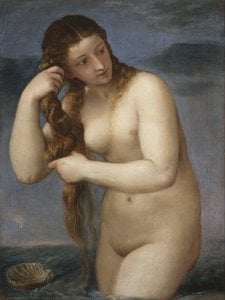
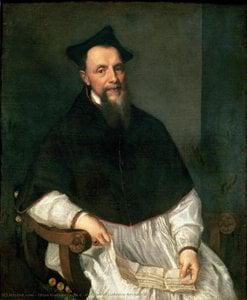
Orpheus

Experience the captivating beauty of "Orpheus" by Titian Ramsay Peale II! This Renaissance masterpiece depicts the legendary musician and his enchanting music, showcasing vibrant colors and a dynamic scene.

Scopri Tiziano Ramsay Peale II (1799-1885), artista e naturalista americano rinomato per i suoi dipinti di stile Rinascimentale alto, illustrazioni dettagliate della fauna selvatica e i suoi contributi alle prime spedizioni scientifiche. Esplora le sue capolavori riscoperti su

Riproduzione a olio fatta a mano

Olio su tela dipinto a mano nelle tue dimensioni e con la tua cornice, realizzato su ordinazione dai nostri artisti. (Acquista stampa Acquista stampaAcquista immagine Acquista immagine)

P118B $10
P118H $10
P118W $10
P438Z $10
P508JH $12
P508YH $12
P805H $10
P805Z $10
P919BZ $10
P919G $10
P919XJ $10
P959ZH $10
P968JZ $12
W106C $8
W218G $10
W218JH $8
W218Y $10
W307PJ $10
W316G $10
W316PJ $8
W316Y $10
W398PJ $8
W4111J $10
W500HY $15
W500JH $15
W692G $12
W849H $8
W940BG $15
W953PJ $8

Formato standard
su misura
CM
INCH

Scegli tra le nostre dimensioni predefinite, che rispettano le proporzioni originali dell'opera d'arte.

larghezza
altezza

È possibile inserire dimensioni personalizzate per adattare l'opera a una cornice o a uno spazio specifico. Se la dimensione selezionata non corrisponde alle proporzioni dell'immagine originale, provvederemo a ritagliare l'opera o a estendere il dipinto con elementi aggiuntivi dipinti a mano. Un mockup digitale ti sarà inviato per approvazione prima dell'inizio della produzione.
Si prega di notare che l'anteprima a schermo non riflette il ritaglio o l'estensione effettivi. Solo il mockup mostrerà accuratamente la composizione finale.
Sebbene siano disponibili dimensioni personalizzate, consigliamo di selezionare una dimensione dall'elenco predefinito per preservare le proporzioni originali.

Esempi di ciò che può essere modificato: sostituire il volto con una foto del cliente; aggiungere un animale domestico (ad esempio, sostituire un gatto con un cane); inserire un messaggio nascosto nello sfondo; cambiare il paesaggio o gli elementi dello sfondo.
Dopo l'ordine, il team di WahooArt.com contatterà il cliente via e-mail per le istruzioni e fornirà un'anteprima del mockup

Consegna in tutto il mondo () in 3/4 settimane anziché nelle normali 5 settimane. (4 Settembre). Nessun compromesso sulla qualità.

why_choose_icon
Spedizione espressa gratuita in tutto il mondo
why_choose_icon
Tela in lino di alta qualità
why_choose_icon
Assicurazione completa sulla spedizione
why_choose_icon
Garanzia di rimborso dei dazi doganali
why_choose_icon
Garanzia di fedeltà cromatica
why_choose_icon
Politica di reso entro 60 giorni (solo per difetti di fabbricazione)
why_choose_icon
Garanzia di rimborso al 100%
why_choose_icon
Offerta per acquisti multipli

Prezzo totale

$ 272

reproduction

Orpheus

Tecnica di riproduzione

Dimensioni riproduzione

-

Prezzo totale calcolato

$ 272

Informazioni rapide

  • Year: 1515
  • Subject or theme: Greek mythology
  • Title: Orpheus
  • Artist: Titian Ramsay Peale II
  • Medium: Painting
  • Notable elements: Mythological figure
  • Influences: Venetian masters

Quiz d'arte

Per ogni domanda è presente una sola risposta corretta.

Domanda 1:
What is the primary subject depicted in Titian Ramsay Peale II’s ‘Orpheus’?
Domanda 2:
According to the image description, what is one notable feature present in the painting?
Domanda 3:
In what year was Titian Ramsay Peale II’s ‘Orpheus’ painted?
Domanda 4:
What artistic movement is most closely associated with Titian Ramsay Peale II’s style, as indicated in his biography?
Domanda 5:
The image description mentions a duck situated on the ground. What does this detail suggest about the painting’s atmosphere?

A Symphony of Light and Loss: Unveiling Titian Ramsay Peale II’s “Orpheus”

Titian Ramsay Peale II's "Orpheus," painted in 1515, isn’t merely a depiction of the legendary musician; it’s a profound meditation on beauty, grief, and the enduring power of art. This captivating work transcends its historical context to resonate with viewers today through its masterful use of light, color, and an arresting sense of human emotion. Peale, a key figure in American art history bridging the Renaissance ideals of Venice with the burgeoning artistic landscape of the New World, imbued this piece with a distinctly Romantic sensibility – a focus on feeling and subjective experience that would become increasingly prominent in subsequent generations.

The scene unfolds within a richly textured interior, bathed in a dramatic interplay of light and shadow. Orpheus, rendered with meticulous detail, dominates the composition, his posture conveying both intense concentration and palpable sorrow. His flowing robes, rendered in deep blues and purples, contrast sharply with the vibrant hues of the surrounding women – a deliberate choice that highlights his isolation amidst a scene of apparent revelry. The figures are not simply arranged; they’re carefully positioned to create a dynamic visual narrative, drawing the eye through the painting's layers.

The Mythic Core: Orpheus and Eurydice

At its heart, “Orpheus” is rooted in the timeless Greek myth of Orpheus and Eurydice. The story, as recounted by Apollodorus and later Virgil, tells of Orpheus’s profound love for his wife, Eurydice, who tragically dies after being bitten by a snake. Driven by grief, Orpheus descends into the underworld, using his lyre to charm Hades and Persephone, ultimately securing permission to escort Eurydice back to the world of the living – only under the condition that he not turn back to look at her until they both reached the sunlight. Tragically, his overwhelming despair leads him to succumb to temptation and glance backward, causing Eurydice to vanish forever.

Peale masterfully captures this poignant moment of loss and regret. The women surrounding Orpheus are not passive observers; they seem lost in their own enjoyment of the music, oblivious to the depth of his sorrow. This juxtaposition underscores the isolating nature of grief – a private torment experienced within a world seemingly untouched by pain. The inclusion of birds—a common motif in depictions of Orpheus—adds another layer of symbolism, representing both beauty and fleeting joy, reminders of what has been lost.

Technique and Artistic Influence

Peale’s technique is characterized by a remarkable attention to detail and a masterful command of color. He employs sfumato – a subtle blurring of lines and edges – to create an atmosphere of ethereal beauty, particularly in the rendering of Orpheus's face and the drapery of his robes. His use of chiaroscuro—the dramatic contrast between light and dark—further enhances the painting’s emotional impact, emphasizing the figures’ forms and creating a sense of depth and drama. Peale was deeply influenced by the Venetian Renaissance masters, particularly Titian, evident in his rich color palette and his ability to capture fleeting moments of emotion.

Furthermore, Peale's background as a naturalist profoundly shaped his artistic practice. He meticulously studied anatomy and perspective, ensuring that each figure is rendered with anatomical accuracy. This commitment to realism, combined with his expressive use of light and color, elevates “Orpheus” beyond a simple mythological scene into a powerful exploration of human emotion and the enduring legacy of loss.

A Timeless Resonance: Symbolism and Interpretation

Beyond its narrative content, "Orpheus" offers a wealth of symbolic interpretation. The painting can be seen as an allegory for the universal experience of grief and the struggle to reconcile beauty with sorrow. Orpheus’s music represents the power of art to transcend suffering, yet his ultimate failure highlights the limitations of human agency in the face of fate. The women surrounding him symbolize the distractions and superficial pleasures that often mask our deepest emotions. The duck, a seemingly incongruous element, might represent fleeting joy or simply serve as a reminder of the natural world amidst the mythological drama.

Today, “Orpheus” continues to captivate viewers with its emotional intensity and artistic sophistication. Reproductions of this iconic work offer a window into the artistic sensibilities of 19th-century America and provide a poignant reflection on the enduring themes of love, loss, and the transformative power of art.


Biografia dell'artista

**primi anni di vita e inizi artistici**

titian ramsey peale ii, un nome che risuona attraverso i registri della storia dell'arte, ma avvolto in un'aura di mistero. Nato nel 1799, la giovinezza di Peale II è segnata da una passione incessante per le arti, che alla fine lo ha portato a diventare un abile pittore.

**contributi artistici e stile**

L'opera di Peale II, caratterizzata da un'eleganza dello **alto Rinascimento**, mostra la sua maestria nell'olio su tavola e tela. Opere notevoli includono:
  • altare con quattro santi (125 x 72 cm, olio su tavola), una testimonianza della sua devozione all'arte sacra.
  • adorazione dei pastori (palazzo pitti, firenze, italia, alto Rinascimento, olio su tavola), che riflette la sua capacità di catturare momenti toccanti.
  • la bellezza (89 x 76 cm, palazzo pitti, firenze, italia, alto Rinascimento, olio su tela), un ritratto che irradia eleganza e raffinatezza.

**influenze e eredità**

Sebbene la sua vita non sia documentata tanto quanto quella di alcuni dei suoi contemporanei, il lavoro di Peale II è innegabilmente influenzato dallo **alto Rinascimento italiano**, con accenni al colorismo veneziano. La sua eredità, sebbene non riconosciuta ampiamente nel suo tempo, è stata riscoperta e apprezzata attraverso la lente della critica d'arte moderna.

**dove trovare le opere di Peale II**

Per coloro che desiderano approfondire l'opera di Peale II, titian ramsey peale ii: altare con quattro santi può essere trovato su WahooArt, insieme ad altre opere notevoli. La Galleria degli Uffizi (Firenze, Italia) e il Palazzo Pitti (Firenze, Italia) ospitano le sue opere, offrendo uno sguardo sul mondo dell'artista.

**conclusione**

Titian Ramsey Peale II, una figura enigmatica nel mondo dell'arte, lascia dietro di sé una serie di capolavori che continuano a incuriosire e ispirare. Attraverso WahooArt e altre risorse, la sua opera è ora più accessibile che mai, invitando una nuova generazione di appassionati d'arte a scoprire e apprezzare i suoi contributi al **movimento dell'alto Rinascimento**.
Tiziano Ramsay Peale II

Tiziano Ramsay Peale II

1799 - 1885 , Stati Uniti d'America

Dati rapidi

  • Artisti Che Hanno Influenzato Questo Artista: ['Tiziano (Venezia)']
  • Data Di Morte: 1885
  • Data Di Nascita: 1799
  • Influenze Artistiche: Colorismo veneziano
  • Movimento Artistico O Stile: Rinascimento Alto
  • Nazionalità: Americano
  • Nome Completo: Tiziano Ramsay Peale II
  • Opere Notevoli:
    • Altar Shrine with Four Saints
    • Adoration of the Shepherds
    • The Beauty
Esplora le opere d'arte organizzate per temi, stili e caratteristiche.