

Ottieni un file pronto per la stampa che supera di gran lunga l'anteprima web. Ogni immagine digitale in vendita proviene da un master ad alta risoluzione del nostro archivio — con una larghezza solitamente compresa tra 5.000 e 15.000 pixel — permettendoti di stampare in grande formato, ritagliare con precisione o riprodurre dettagli minuziosi in totale sicurezza.
Nessun file lascia il nostro studio senza essere stato elaborato. Un esperto digitale verifica la corrispondenza dei colori con il dipinto originale e li corregge se necessario, per poi migliorarne la nitidezza e i dettagli attraverso strumenti di fotoritocco professionale — mantenendo sempre fedeltà alla pennellata e allo stile dell'artista. Il risultato è un'immagine che appare come il dipinto stesso, e non come una scansione filtrata.
L'approvazione avviene prima della conclusione dell'ordine: il nostro esperto invierà l'immagine via e-mail entro 72 ore per la tua revisione. Non sei soddisfatto? Puoi richiedere modifiche o correzioni, oppure un rimborso qualora la qualità non dovesse soddisfare le tue aspettative.
Questa è la qualità su cui fanno affidamento editori, studi di design, gallerie e stamperie.
Scarica un file ad alta risoluzione per uso personale, per la stampa e per progetti creativi. ( Passa alle stampe Acquista il dipinto realizzato a mano)
Quando scegli WahooArt.com, non riceverai solo un'immagine: riceverai un'opera d'arte digitale professionalmente ottimizzata, realizzata con la massima precisione e accompagnata da una garanzia di soddisfazione. Ecco tutto ciò che include il tuo ordine, automaticamente:
Riceverai il file dell'immagine digitale ad alta risoluzione via email entro 72 ore dall'ordine, pronto per un uso immediato.
La tua opera d'arte viene ottimizzata professionalmente attraverso l'uso di strumenti avanzati di intelligenza artificiale e una revisione manuale, garantendo il massimo livello di dettaglio, nitidezza e accuratezza cromatica.
Hai eliminato o perso accidentalmente il tuo file? Non preoccuparti: te lo invieremo di nuovo in qualsiasi momento, gratuitamente.
Goditi la tua opera d'arte istantaneamente senza costi doganali, dazi o spese di spedizione: i download digitali sono sempre esenti da tasse.
Garantiamo che la tua immagine digitale rifletta i colori originali con la massima fedeltà, grazie all'uso di strumenti professionali e a una gestione accurata del colore.
Se non sei soddisfatto della tua immagine digitale, la revisioneremo o ti rimborseremo il 100% entro 100 giorni, senza domande.
Non sei soddisfatto? Ricevi un rimborso completo entro 100 giorni dal ricevimento del tuo file digitale, senza dover fornire spiegazioni.
Acquista 3 immagini, risparmia il 10% - Acquista 5, risparmia il 15% - Acquista 10+, risparmia il 20%. Ideale per progetti creativi, gallerie e agenzie.

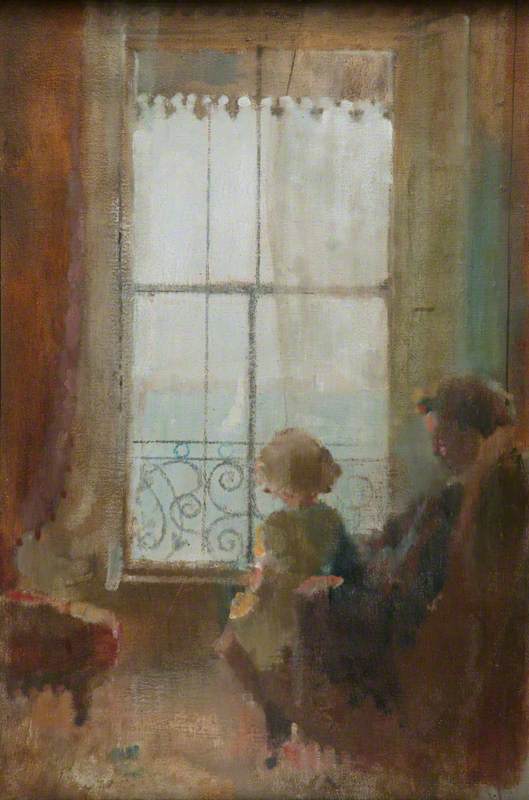
Thomas James Carr (1909-1999) non è un nome che abbia spesso risuonato tra le sale dell'arte del XX secolo, eppure i suoi dipinti, caratterizzati da un'osservazione silenziosa, offrono una finestra affascinante sul cuore dell'America – e, soprattutto, dell'Irlanda. Spesso inserito nella Euston Road School, un movimento noto per il suo realismo misurato e l'attenzione alla vita quotidiana, Carr possedeva la capacità unica di infondere in scene apparentemente semplici un profondo senso di atmosfera e connessione umana. La sua opera non cerca grandi proclami o gesti drammatici; è una sottile esplorazione dell'esistenza rurale, delle routine familiari e della bellezza duratura che si cela nel comune.
Nato a Belfast, in Irlanda del Nord, in una famiglia agiata con forti legami con il mondo della borsa – suo nonno era un acquerellista – la giovinezza di Carr instillò in lui un profondo apprezzamento per la rappresentazione visiva. Ricevette la sua formazione artistica iniziale presso la Oundle School in Inghilterra, dove studiò con E.M.O'R. Dickey e Christopher Perkins, acquisendo competenze fondamentali nel disegno e nella composizione. Un momento cruciale arrivò nel 1927, quando si trasferì a Londra e si iscrisse alla Slade School of Art, studiando sotto la guida di Henry Tonks. Questo periodo lo espose a una gamma più ampia di approcci artistici, sebbene fu l'anno trascorso successivamente a Settignano, vicino Firenze, a plasmare davvero la sua sensibilità estetica. Immerso nel paesaggio italiano e nella tradizione artistica locale, Carr sviluppò una comprensione più profonda della luce, del colore e del potenziale espressivo della pittura – un cambiamento evidente nel calore e nella luminosità che infuse nelle sue opere mature.
Tornato a Londra, Carr si affermò come un rispettato pittore di scene domestiche. Non si limitava a documentare la realtà; la interpretava attivamente. I suoi dipinti ritr'aggiano frequentemente la vita rurale: contadini che si prendono cura dei campi, famiglie riunite attorno ai tavoli o figure solitarie dedite a tranquilli passatempi. Sebbene spesso descritto come un realista, l'opera di Carr trascende la mera imitazione. Egli impiegava una tecnica pittorica fluida, prediligendo pennellate ampie e una tavolozza di colori smorzati per creare un senso di profondità e atmosfera. Significativamente, fu incluso nella mostra "Objective Abstractionists" del 1934 presso la galleria Zwemmer, suggerendo una consapevolezza delle tendenze artistiche moderne senza però abbracciare pienamente l'astrazione. Questa partecipazione sottolinea la sua volontà di confrontarsi con l'arte contemporanea pur mantenendo un proprio linguaggio visivo distinto.
La carriera di Carr si è sviluppata nell'arco di diversi decenni, scandita da esposizioni a Londra e in Irlanda. Trovò un pubblico attento presso le Leicester Galleries, la Redfern Gallery e la Agnew’s, mostrando i suoi lavori accanto ad artisti prominenti dell'epoca. Durante la Seconda Guerra Mondiale, tornò in Irlanda del Nord e accettò incarichi dal War Artists’ Advisory Committee, catturando scene della produzione di paracadute e della costruzione dei motoscafi Short Sunderland a Belfast – una testimonianza della sua adattabilità e della capacità di ritrarre soggetti industriali con sensibilità. Dopo la guerra, insegnò al Belfast College of Art e si trasferì successivamente a Newcastle, nella contea di Down, dove continuò a dipingere fino alla morte nel 1999. I suoi ultimi anni furono segnati da un rinnovato interesse per la pittura di paesaggio, riflettendo un legame vitale con il mondo naturale.
L'associazione di Carr con la Euston Road School è fondamentale per comprendere il suo sviluppo artistico e la sua eredità. Questo gruppo di artisti, guidato da William Coldstream, formò un movimento distinto nella pittura britannica della metà del XX secolo. La Euston Road School rifiutava gli stili eccessivamente espressivi dei movimenti precedenti, privilegiando invece l'osservazione, la moderazione e una sottile esplorazione della forma e del colore. Erano profondamente influenzati dalle opere di Cézanne e si concentravano sul catturare l'essenza dei loro soggetti piuttosto che sulla loro semplice riproduzione realistica.
I dipinti di Carr si allineano strettamente ai principi della Euston Road School. Come i suoi colleghi – Victor Pasmore, Claude Rogers e altri – egli evitava composizioni drammatiche o soggetti apertamente emotivi. Al contrario, cercava di creare opere che fossero silenziosamente evocative, invitando gli spettatori a contemplare la bellezza e la complessazione della vita quotidiana. Il suo uso della luce e del colore è particolarmente degno di nota, riflettendo una profonda comprensione di come questi elementi possano plasmare la nostra percezione di una scena. Sebbene condividesse un'estetica comune con la Euston Road School, l'opera di Carr mantenne anche una sensibilità distintamente irlandese – una sensibilità verso il paesaggio, i ritmi della vita rurale e le tradizioni culturali della sua terra.
I dipinti di Carr sono ricchi di un simbolismo sottile e di risonanza tematica. Nel loro nucleo, esplorano i temi della famiglia, della comunità e del rapporto tra l'uomo e la natura. Le sue rappresentazioni della vita rurale trasmettono spesso un senso di nostalgia per un tempo più semplice – un desiderio di connessione con la terra e con i valori tradizionali. Le figure nei suoi dipinti sono raramente idealizzate; sono presentate come persone comuni impegnate in attività quotidiane, riflettendo la convinzione di Carr che la bellezza possa essere trovata nel quotidiano.
Anche i paesaggi da lui dipinti sono altrettanto significativi. Non sono semplici rappresentazioni scenografiche, ma piuttosto espressioni di un profondo legame con il mondo naturale. Carr impiegava frequentemente tavolozze di colori smorzati ed effetti atmosferici per creare un senso di umore e suggestione, evocando il mutare delle stagioni e i ritmi della vita campestre. L'uso della luce è particolarmente importante: è spesso diffusa e sottile, creando una sensazione di quieta contemplazione.
Thomas James Carr potrebbe non essere celebrato tanto ampiamente come alcuni dei suoi contemporanei, ma la sua opera possiede un considerevole significato storico. Egli rappresenta un legame vitale tra le tradizioni realistiche della pittura britannica e le tendenze emergenti dell'arte della metà del XX secolo. La sua associazione con la Euston Road School ha contribuito a plasmare il corso della pittura britannica, mentre il suo stile distintivo – caratterizzato da un'osservazione silenziosa, effetti atmosferici e un simbolismo sottile – continua a risuonare negli spettatori di oggi.
I dipinti di Carr offrono uno sguardo prezioso sul panorama sociale e culturale di Irlanda e Gran Bretagna durante il XX secolo. Documentano i ritmi della vita rurale, i valori della comunità e la bellezza duratura del mondo naturale. La sua eredità non risiede in gesti grandiosi o innovazioni rivoluzionarie, ma nella sua capacità di catturare l'essenza della vita quotidiana con grazia silenziosa e profonda intuizione.

1909 - 1999 , Irlanda del Nord
 Anteprima in scala reale
 Invia
Invia Condividi
 Dettagli opera
 Guida
Guida

 Scarica
 Simili
 Radiografia
 Slideshow
 Domande e risposte
 Statistiche

 Espandi i dettagli


