CONSULENZA D'ARTE GRATUITA

x
Ordina la riproduzione Ordina la riproduzioneAcquista download Acquista download InviaInvia
Dettagli operaDettagli opera Aggiungi ai preferiti Aggiungi ai preferiti ScaricaScarica SimiliSimili RadiografiaRadiografia SlideshowSlideshow

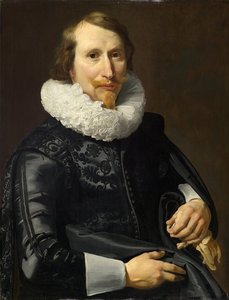
A Lady

Admire "A Lady" by Thomas de Keyser (1632), a stunning Dutch Golden Age portrait showcasing elegance, rich detail & masterful chiaroscuro. Explore the painting's history and artistry.

Scopri Thomas de Keyser: pittore olandese del Rinascimento noto per ritratti realistici e influenze di Rembrandt, un vero maestro dell’arte europea! Ammira le sue opere nei musei più importanti del mondo.

Giclée / Stampa d'arte

Stampa giclée o su tela di qualità museale, con produzione rapida e diverse opzioni di finitura.

P118B $10
P118H $10
P118W $10
P438Z $10
P508JH $12
P508YH $12
P805H $10
P805Z $10
P919BZ $10
P919G $10
P919XJ $10
P959ZH $10
P968JZ $12
W106C $8
W218G $10
W218JH $8
W218Y $10
W307PJ $10
W316G $10
W316PJ $8
W316Y $10
W398PJ $8
W4111J $10
W500HY $15
W500JH $15
W692G $12
W849H $8
W940BG $15
W953PJ $8

Standard
custom
CM
INCH

Scegli tra le nostre dimensioni predefinite, che rispettano le proporzioni originali dell'opera d'arte.

larghezza
altezza

È possibile inserire dimensioni personalizzate per adattare l'opera a una cornice o a uno spazio specifico. Se la dimensione selezionata non corrisponde alle proporzioni dell'immagine originale, procederemo al ritaglio dell'opera o all'estensione dell'immagine con un bordo specchiato o a tinta unita. Un mockup digitale ti verrà inviato per approvazione prima dell'inizio della produzione.
Si prega di notare che l'anteprima a schermo non riflette il ritaglio o l'estensione effettivi. Solo il mockup mostrerà accuratamente la composizione finale.
Sebbene siano disponibili dimensioni personalizzate, si raccomanda di selezionare una dimensione dall'elenco predefinito per preservare le proporzioni originali.

Consegna in tutto il mondo () in 2 settimane invece delle normali 4/5 settimane. (6 Luglio)

why_choose_icon
Spedizione espressa gratuita in tutto il mondo
why_choose_icon
Tela in lino di alta qualità
why_choose_icon
Assicurazione completa sulla spedizione
why_choose_icon
Garanzia di rimborso dei dazi doganali
why_choose_icon
Garanzia di fedeltà cromatica
why_choose_icon
Politica di reso entro 60 giorni (solo per difetti)
why_choose_icon
Garanzia di rimborso al 100%
why_choose_icon
Sconto per acquisti multipli

Prezzo totale

-

reproduction

A Lady

Giclée / Stampa d'arte

Dimensioni riproduzione

-

Prezzo totale finale

-

Informazioni rapide

  • Artist: Thomas de Keyser
  • Location: Staatliche Museen Berlin
  • Influences: Rembrandt
  • Movement: Dutch Golden Age
  • Dimensions: 79 x 52 cm
  • Title: A Lady
  • Year: 1632

Quiz d'arte

Per ogni domanda è presente una sola risposta corretta.

Domanda 1:
What is the primary artistic style associated with Thomas de Keyser’s ‘A Lady’?
Domanda 2:
In the painting 'A Lady', what technique is prominently used to create depth and dimension?
Domanda 3:
What year was ‘A Lady’ painted, as indicated in the provided information?
Domanda 4:
The background of ‘A Lady’ features a dark room. What does this element primarily contribute to the overall atmosphere?
Domanda 5:
Where is ‘A Lady’ currently housed?

Descrizione dell'opera

A Portrait of Grace: Unveiling Thomas de Keyser’s “A Lady”

The year is 1632. Amsterdam thrives as the epicenter of the Dutch Golden Age, a period brimming with artistic innovation and opulent patronage. Within this vibrant scene emerges Thomas de Keyser, a painter whose skill lay not merely in capturing likeness but in distilling the very essence of his subjects – a talent brilliantly showcased in his captivating portrait, “A Lady.” This oil-on-oak panel painting, currently residing within the esteemed Staatliche Museen in Berlin, is more than just a depiction; it’s an invitation into a world of refined elegance and subtle psychological depth.

De Keyser's style, heavily influenced by both the meticulous detail of Flemish masters like Anthony van Dyck and the dramatic lighting favored by Rembrandt, results in a remarkably lifelike portrayal. The lady before us is presented with a poise that speaks volumes – her posture relaxed yet undeniably regal, her gaze direct and engaging. Notice how De Keyser masterfully employs chiaroscuro, the masterful use of light and shadow, to sculpt the figure, drawing attention to her face and hands while subtly enveloping the background in a veil of mystery. The dark interior, punctuated by the warm glow emanating from an unseen window, creates a sense of intimacy and draws the viewer into the scene.

Deconstructing the Details: Fashion, Symbolism, and Technique

A closer examination reveals a wealth of detail that speaks volumes about the era. The lady’s attire is a testament to the fashion of 17th-century Holland – a black bodice adorned with intricate gold trim and delicate lace, suggesting both wealth and status. The elaborate headwear, a white ruff collar framing a dark hat embellished with what appear to be feathers or decorative elements, further emphasizes her position within society. These aren’t merely decorative choices; they are carefully selected symbols of power, refinement, and social standing.

The background, far from being mere decoration, plays an integral role in the painting's narrative. The dark room, with its wooden floor featuring a subtle checkered pattern, evokes a sense of luxury and opulence – a space designed for contemplation and quiet enjoyment. The glimpse of a red velvet drape hints at hidden treasures and adds a touch of dramatic flair. De Keyser’s brushwork is remarkably precise, particularly evident in the rendering of the lace and the folds of the fabric. He utilizes layering techniques to create texture and depth, ensuring that every element contributes to the overall sense of realism.

A Window into the Dutch Golden Age

Understanding “A Lady” requires a glimpse into the context of its creation. Thomas de Keyser was a prominent figure in the Dutch art world during this period, renowned for his portraits and genre scenes commissioned by wealthy merchants and nobility. His work reflects the prosperity and cultural flourishing of the Netherlands – a nation at the forefront of artistic innovation and trade. The painting offers a fascinating window into the lives of the elite, revealing their values, aspirations, and aesthetic sensibilities.

Furthermore, De Keyser’s connection to Hendrick de Keyser, his father—a celebrated architect and sculptor who shaped Amsterdam's skyline—provides an intriguing layer of familial legacy. This lineage undoubtedly influenced Thomas’s artistic development, imbuing his work with a sense of technical mastery and architectural awareness. The painting stands as a testament not only to De Keyser’s individual talent but also to the enduring influence of his family’s artistic heritage.

Collecting the Essence: Reproduction and Legacy

Today, “A Lady” continues to captivate viewers with its timeless beauty and psychological depth. WahooArt offers meticulously crafted hand-painted reproductions that faithfully capture the essence of De Keyser's masterpiece. These reproductions are not mere copies; they are artistic interpretations imbued with the same attention to detail, technique, and emotional resonance as the original. Whether adorning a grand salon or a more intimate space, a reproduction of “A Lady” brings a touch of Dutch Golden Age elegance and sophistication to any setting.

For those seeking further information on Thomas de Keyser and his remarkable oeuvre, we encourage you to explore resources such as WahooArt.com and the Staatliche Museen in Berlin’s website. And for a deeper dive into the life and works of this pivotal artist, Wikipedia offers a comprehensive overview of his biography and artistic contributions.


Biografia dell'artista

Thomas de Keyser: The Rembrandt Shadow

Thomas de Keyser (1596 – 1667) stands as a pivotal figure in the Dutch Golden Age, celebrated primarily for his masterful portraiture and architectural contributions—a duality that cemented his reputation as one of Amsterdam’s most influential artists. Born into a family steeped in artistic tradition, his father, Hendrick de Keyser, was a sculptor and architect who profoundly shaped the city's visual landscape, designing landmarks like Zuiderkerk and Delft Town Hall; this familial heritage instilled within Thomas a deep appreciation for craftsmanship and design that would permeate his entire oeuvre. Biographical details concerning De Keyser’s personal life remain elusive, yet scholarly research suggests he received instruction from Cornelis van der Voort, quickly demonstrating exceptional talent mirroring the stylistic innovations championed by Rembrandt van Rijn—a connection that profoundly shaped his artistic vision.

Early Life and Artistic Training

Information regarding Thomas de Keyser's formative years is sparse. However, his upbringing within the municipal stone yard along the Amstel River provided him with an unparalleled exposure to architectural materials and techniques—a formative experience undoubtedly influencing his later work. His training under Cornelis van der Voort ensured familiarity with humanist ideals and compositional principles prevalent during the Renaissance, equipping him with the foundational skills necessary for mastering Rembrandt’s groundbreaking approach to portraiture. This meticulous attention to detail and understanding of artistic theory distinguished De Keyser from many of his contemporaries, establishing him as a prodigious talent destined for greatness.

A Rembrandtian Influence: Mastering Light and Emotion

De Keyser's artistic style was undeniably indebted to Rembrandt’s revolutionary techniques—particularly his masterful use of chiaroscuro—the dramatic interplay between light and shadow that elevates painting beyond mere representation to evoke palpable emotion. Like Rembrandt, De Keyser prioritized realism, painstakingly rendering textures and facial expressions with remarkable accuracy; this stylistic convergence is evident throughout his portraits, where subtle nuances of gesture and expression convey profound insight into the sitter’s psychological state. Scholars contend that Rembrandt himself was influenced by De Keyser's pioneering exploration of tonal gradation—a technique that anticipates Impressionism—further demonstrating the enduring legacy of their collaboration.

Notable Works: Capturing Dignity and Emotion

De Keyser produced a substantial body of work, primarily focused on portraiture, which solidified his place among the foremost artists of his era. Among his most celebrated achievements is “Frederick van Velthuysen and His Wife,” now housed at the National Gallery of Victoria in Melbourne—a stunning depiction of familial affection rendered with exquisite detail and compositional balance. This painting exemplifies De Keyser’s ability to convey both outward appearance and inner emotion simultaneously, reflecting Rembrandt's profound understanding of human psychology. Similarly impressive is “The Four Amsterdam Burgomasters Assembled to Receive Marie de Medici,” displayed prominently at the Mauritshuis Museum in The Hague—a monumental portrait showcasing De Keyser’s mastery of formal composition and his skill in capturing authority and grace within a regal setting. Furthermore, his paintings adorn museums across Europe, including the Rijksmuseum in Amsterdam and the Louvre in Paris—testaments to their enduring artistic merit and historical significance.

Legacy: A Master of Dutch Portraiture

Thomas de Keyser’s contribution to Dutch art history transcends individual artworks; he fundamentally reshaped the conventions of portrait painting during the Dutch Golden Age. His meticulous realism, combined with Rembrandt’s influence on lighting and psychological portrayal—a convergence that established a new standard for artistic excellence—secured his place among the revered Masters of the Golden Age. He remains recognized as one of the most accomplished portraitists of his time, embodying the humanist spirit and technical prowess characteristic of the era's finest painters. His legacy continues to inspire artists today, ensuring that Thomas de Keyser’s name will forever be associated with Dutch artistic innovation and enduring beauty.
Thomas de Keyser

Thomas de Keyser

1596 - 1667 , Paesi Bassi

Dati rapidi

  • Artistic Movement Or Style: Golden Age olandese
  • Artists Or Movements Influenced By This Artist: ['Cornelis van der Voort']
  • Artists Who Influenced This Artist: ['Rembrandt van Rijn']
  • Date Of Birth: Amsterdam, Netherlands (1596)
  • Date Of Death: 1667
  • Full Name: Thomas de Keyser
  • Nationality: Olandese
  • Notable Artworks: ['Frederick van Velthuysen e sua moglie']
  • Place Of Birth: Amsterdam
Esplora opere d'arte organizzate per temi, stili e caratteristiche.