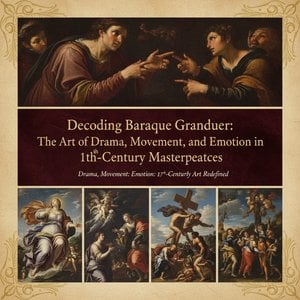
L'Ombra e la Luce: Il Mondo Visionario di Tanzio da Varallo
Tanzio da Varallo, nato Antonio d'Enrico, rimane una delle voci più enigmatiche e potenti della transizione italiana dal tardo Manierismo all'emergente era Barocca. Emerso dai paesaggi aspri di Alagna Valsesia, la sua arte funge da ponte tra l'eleganza stilizzata del XVI secolo e l'emotività cruda e viscerale che avrebbe definito il XVII secolo. La sua vita era profondamente radicata in una stirpe artistica; nato in una famiglia di creatori, lavorò al fianco dei fratelli Melchiona e Giovanni, tessendo un arazzo familiare di creatività lombarda. Questa precoce immersione nell'arte gli permise di assorbire le complesse correnti estetiche che fluivano tra Milano e Roma, forgiando infine uno stile che era tanto incentrato sulla tensione psicologica quanto sullo splendore visivo.
L'essenza della maestria di Tanzio risiede nel suo profondo impegno con il
tenebrismo, una tecnica caratterizzata da un intenso e drammatico contrasto tra luce e ombra. Fortemente influenzato dallo spirito rivoluzionario di Caravaggio, Tanzio non si limitò a imitare questo stile, ma lo infuse di un'intensità unica e spesso morbosa. Le sue tele presentano frequentemente un chiaroscuro netto e teatrale che strappa le figure dall'oscurità verso una luce improvvisa e penetrante, creando un senso di presenza immediata, quasi scomoda. Questa padronanza dell'ombra gli permise di esplorare temi come la mortalità, la fede e la lotta con una gravità che risuonava profondamente nel fervore religioso del suo tempo.
Un'Eredità Scolpita nella Devozione e nel Dramma
Gran parte delle opere più significative di Tanzio nacque dai paesaggi sacri dell'Italia settentrionale, in particolare attraverso i suoi monumentali contributi al
Sacro Monte di Varallo Sesia. Collaborando con l'estimato Pier Francesco Mazzuccolo, noto come
il Morazzone, Tanzio contribuì a trasformare questi luoghi di pellegrinaggio in esperienze spirituali immersive. La sua capacità di comporre scene su vasta scala, affollate e animate — come le sue mozzafiato rappresentazioni di catastrofi bibliche — dimostra un dominio della scala narrativa che pochi dei suoi contemporanei potevano eguagliare. In opere come la
Battaglia di Sennacherib, si può testimoniare l'abilità dell'artista nell'orchestrare complessi diorami scenografici in cui ogni figura contribuisce a un più ampio senso di sconvolgimento divino o storico.
Oltre alle grandi affreschi dei Sacri Monti, i capolavori individuali di Tanzio rivelano una fascinazione per la condizione umana nei suoi stati più vulnerabili e violenti. Il suo repertorio include:
- Il Ritratto di un Gentiluomo (1620): Uno splendido esempio della sua capacità di utilizzare il dettaglio realistico e il tenebrismo per catturare l'essenza dignitosa ma cupa del soggetto barocco.
- Davide e Golia: Un'opera che esemplifica la sua propensione per il dramma crudo e ad alta tensione, mostrando la tensione fisica e la realtà viscerale della lotta biblica.
- Iconografia Religiosa: Dal toccante Carlo Borromeo che impartisce la comunione ai vittime della peste alle sue varie raffigurazioni della Madonna, la sua opera colma costantemente il divario tra la sofferenza terrena dei fedeli e la luce divina della grazia.
In definitiva, l'importanza storica di Tanzio da Varallo risiede nel suo ruolo di condotto stilistico. Egli prese il linguaggio sofisticato e spesso artificiale del Manierismo e lo infuse della muscolosità e della verità emotiva del Barocco. La sua arte non chiede semplicemente di essere vista; esige di essere sentita, trascinando lo spettatore in un mondo dove i confini tra luce e ombra, vita e morte, sono sottili come una pennellata. Attraverso i suoi paesaggi drammatici e le sue figure di una bellezza inquietante, Tanzio rimane una pietra miliare della tradizione artistica lombarda, lasciando un'eredità di ombre che continuano a affascinare l'immaginazione moderna.



 Anteprima in scala reale
 Ordina la riproduzione dipinta a mano
 Condividi
 Condividi
 Dettagli
 Guida
Guida

 Scarica
 Articoli simili
 Radiografia
 Slideshow
 Statistiche


 Leggi tutto






































 L'opzione vetro è disponibile solo per dimensioni inferiori a 110 cm