x
Anteprima in scala realeAnteprima in scala reale Anteprima ARAnteprima AR Acquista stampa Acquista stampaAcquista il dipinto realizzato a mano Acquista il dipinto realizzato a mano InviaInvia
Dettagli operaDettagli opera Aggiungi ai preferiti Aggiungi ai preferiti Scarica immagineScarica immagine SimiliSimili RadiografiaRadiografia SlideshowSlideshow

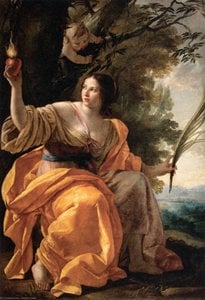
St Jerome and the Angel

Discover Simon Vouet's masterpiece, 'St Jerome and the Angel,' a stunning Baroque painting showcasing divine guidance & artistic brilliance from 1622. Explore its rich details & historical context.

Scopri Simon Vouet (1590-1649), pittore barocco francese che introdusse le tendenze artistiche italiane in Francia, influenzando generazioni con ritratti e composizioni grandiose.

Acquista un'immagine digitale ad alta risoluzione e ottimizzata, di qualità nettamente superiore all'anteprima online.

Ogni file è meticolosamente preparato dai nostri specialisti interni attraverso l'uso di strumenti avanzati e un sapiente ritocco manuale. Garantiamo che ogni immagine presenti una chiarezza eccezionale, una precisione cromatica impeccabile e dettagli raffinati.

Il file finale viene consegnato via e-mail entro 72 ore, ottimizzato per un uso immediato in contesti professionali, editoriali e di stampa. Si tratta della stessa qualità affidata ai più prestigiosi studi di design, editori e gallerie d'arte.

Immagine Digitale

Scarica un file ad alta risoluzione per uso personale, per la stampa e per progetti creativi. (Acquista stampa Acquista stampaAcquista il dipinto realizzato a mano Acquista il dipinto realizzato a mano)

Prezzo totale

$ 24,90

Incluso in ogni ordine di immagini digitali

Consegna digitale professionale e garantita

Quando scegli WahooArt.com, non riceverai solo un'immagine: riceverai un'opera d'arte digitale professionalmente ottimizzata, realizzata con la massima precisione e accompagnata da una garanzia di soddisfazione. Ecco tutto ciò che include il tuo ordine, automaticamente:

shipping_icon
Consegna rapida via email

Riceverai il file dell'immagine digitale ad alta risoluzione via email entro 72 ore dall'ordine, pronto per un uso immediato.

canvas_icon
File digitale ottimizzato dall'IA

La tua opera d'arte viene ottimizzata professionalmente attraverso l'uso di strumenti avanzati di intelligenza artificiale e una revisione manuale, garantendo il massimo livello di dettaglio, nitidezza e accuratezza cromatica.

insurance_icon
Riconsegna gratuita a vita

Hai eliminato o perso accidentalmente il tuo file? Non preoccuparti: te lo invieremo di nuovo in qualsiasi momento, gratuitamente.

tax_icon
Nessun costo di importazione, mai

Goditi la tua opera d'arte istantaneamente senza costi doganali, dazi o spese di spedizione: i download digitali sono sempre esenti da tasse.

color_icon
Garanzia di fedeltà cromatica

Garantiamo che la tua immagine digitale rifletta i colori originali con la massima fedeltà, grazie all'uso di strumenti professionali e a una gestione accurata del colore.

return_icon
Garanzia soddisfazione 60 giorni

Se non sei soddisfatto della tua immagine digitale, la revisioneremo o ti rimborseremo il 100% entro 60 giorni, senza domande.

guarantee_icon
Garanzia di rimborso al 100%

Non sei soddisfatto? Ricevi un rimborso completo entro 60 giorni dal ricevimento del tuo file digitale, senza dover fornire spiegazioni.

discount_icon
Sconti per ordini multipli

Acquista 3 immagini, risparmia il 10% - Acquista 5, risparmia il 15% - Acquista 10+, risparmia il 20%. Ideale per progetti creativi, gallerie e agenzie.

Informazioni rapide

  • Artistic style: Italian Baroque
  • Influences: Caravaggio
  • Title: St Jerome and the Angel
  • Location: National Gallery of Art
  • Dimensions: 145 x 180 cm
  • Subject or theme: Religious scene
  • Year: 1622

Quiz d'arte

Per ogni domanda è presente una sola risposta corretta.

Domanda 1:
What is the primary subject depicted in ‘St Jerome and the Angel’?
Domanda 2:
According to the image description, what is the overall atmosphere of the painting?
Domanda 3:
In what year was ‘St Jerome and the Angel’ painted?
Domanda 4:
Who is the artist who created ‘St Jerome and the Angel’?
Domanda 5:
The image description mentions several other figures present in the painting. What is one of them?

St Jerome and the Angel: A Dialogue of Faith and Light

Simon Vouet’s “St. Jerome and the Angel,” painted in 1622, is more than just a depiction of a biblical scene; it's a carefully constructed meditation on divine guidance, spiritual contemplation, and the interplay between earthly and celestial realms. This masterful work, housed within the National Gallery of Art in Washington D.C., exemplifies the burgeoning Baroque style’s embrace of dramatic lighting, nuanced emotion, and a heightened sense of realism that distinguished it from the preceding Mannerism. The painting immediately draws the viewer into a scene brimming with quiet intensity – a moment of profound communication between the venerable Saint Jerome, known for his dedication to prayer and translation of the Bible, and the radiant angel who appears before him.

Vouet’s technical prowess is evident in every brushstroke. He skillfully employs *chiaroscuro*, a technique borrowed from Caravaggio, to create a dramatic contrast between light and shadow. The angel, bathed in an ethereal glow, stands in sharp relief against the darker, more muted tones of Jerome's robe and the shadowed background. This deliberate use of light isn’t merely aesthetic; it serves to emphasize the angel’s divine presence and the transformative nature of his message. The composition is carefully balanced – Jerome, a figure of venerable age and contemplative posture, occupies the lower portion of the canvas, while the dynamic angel dominates the upper register, creating a visual hierarchy that underscores their roles in the narrative.

A Renaissance Vision with Baroque Flair

Painted during Vouet’s extended sojourn in Rome, “St. Jerome and the Angel” reflects the profound influence of Italian art on French painting at the time. Vouet had immersed himself in the works of masters like Caravaggio, Paolo Veronese, and the Carracci brothers, absorbing their techniques and philosophies. However, he didn’t simply mimic these artists; instead, he synthesized their innovations with his own distinctive style, creating a uniquely French interpretation of the Baroque aesthetic. The painting showcases a move away from the stylized poses and flattened perspectives of Mannerism towards a more naturalistic approach to form and space – a hallmark of the emerging Baroque style.

The historical context is crucial to understanding the work’s significance. The early 17th century was a period of intense religious fervor in Europe, fueled by the Counter-Reformation. Paintings like this one were often commissioned by the Catholic Church as didactic tools – intended to inspire piety and reinforce orthodox doctrine. The scene of St. Jerome receiving divine guidance speaks directly to this purpose, offering a visual representation of faith, humility, and the promise of salvation.

Symbolism and Emotional Resonance

Beyond its religious subject matter, “St. Jerome and the Angel” is rich in symbolic detail. The book held by Jerome represents his life’s work – the translation of the Bible into Latin. The angel's outstretched hand and pointing finger symbolize divine instruction and revelation. The cup at the center of the image may represent the Holy Spirit or a symbol of spiritual nourishment. Notably, the angel is depicted not as a majestic, imposing figure but as a youthful, almost mischievous presence – suggesting that divine guidance can be both challenging and joyful.

The emotional impact of the painting is profound. The quiet intensity of Jerome’s expression, combined with the radiant beauty of the angel, evokes a sense of reverence and wonder. The scene invites viewers to contemplate their own relationship with faith and the possibility of receiving divine guidance in their lives. It's a moment suspended in time – a dialogue between man and God, rendered with exquisite skill and profound sensitivity.

A Legacy of Light and Shadow

Simon Vouet’s “St. Jerome and the Angel” stands as a testament to his artistic genius and his pivotal role in shaping the course of French painting. It exemplifies the transition from Mannerism to Baroque, showcasing the innovative techniques and stylistic choices that defined this transformative period. Today, reproductions of this captivating work continue to inspire artists and collectors alike, offering a glimpse into a world where faith, beauty, and light converge in a timeless tableau.


Biografia dell'artista

Simon Vouet: Un Ponte tra l'Arte Italiana e Francese

  • Nato: 9 gennaio 1590, Parigi, Francia
  • Morto: 30 giugno 1649, Parigi, Francia

Simon Vouet fu una figura fondamentale nella transizione della pittura francese dal Manierismo allo stile Barocco. Nato in una famiglia di artisti – suo padre Laurent era un pittore e suo fratello Aubin si dedicò anch'egli all’arte – Vouet ricevette una formazione precoce che pose le basi per il suo futuro successo. Suo nipote, Ludovico Dorigny, avrebbe continuato l'eredità artistica della famiglia.

Primi Anni e Influenze Italiane (1608-1627)

  • Ritrattistica Iniziale: Vouet iniziò la sua carriera come ritrattista, dimostrando un talento precoce.
  • Viaggio in Inghilterra (1608): All'età di soli 14 anni, viaggiò in Inghilterra per dipingere un ritratto su commissione, mostrando così la sua nascente reputazione.
  • Impero Ottomano e Venezia: Nel 1611, Vouet si unì alla scorta del barone de Sancy, ambasciatore francese nell'Impero Ottomano, nuovamente per lavori di ritrattistica. Questo viaggio lo portò attraverso Costantinopoli e poi a Venezia nel 1612.
  • Roma (1614-1627): Il suo periodo a Roma si rivelò trasformativo. Vi rimase per tredici anni, immergendosi nella vivace scena artistica del nascente periodo Barocco.

Durante il suo soggiorno italiano, Vouet assorbì una vasta gamma di influenze. Studiò le tecniche di illuminazione drammatica pioniere da Caravaggio, abbracciò elementi del Manierismo italiano e analizzò meticolosamente le palette cromatiche e la tecnica dello sotto in su (prospettiva accorciata) impiegata da Paolo Veronese. Si ispirò anche alle opere di Carracci, Guercino, Lanfranco e Guido Reni, sintetizzando questi diversi stili in una visione artistica unica.

Sviluppo dello Stile Distintivo di Vouet

  • Elezione all'Accademia di San Luca (1624): Il suo successo a Roma culminò nella sua elezione a presidente della prestigiosa Accademia di San Luca, una testimonianza della sua abilità e del riconoscimento ottenuto nel mondo dell’arte italiana.
  • Sintesi delle Influenze: Lo stile di Vouet fu caratterizzato dalla sua capacità di assorbire e distillare varie influenze artistiche. Non si limitò a copiare; integrò questi elementi in un'estetica Barocca distintamente italianizzante e coesa.
  • Introduzione del Barocco in Francia: Al suo ritorno in Francia nel 1627, Vouet svolse un ruolo cruciale nell’introdurre lo stile Barocco italiano alla pittura francese, influenzando significativamente il panorama artistico del paese.

Realizzazioni Importanti e Eredità

  • Premier Peintre du Roi: Vouet fu nominato Premier peintre du Roi (Primo Pittore del Re) – una posizione di notevole prestigio e influenza.
  • Laboratorio Produttivo: Mantené un laboratorio ampio e attivo, formando numerosi artisti che avrebbero plasmato la generazione successiva di pittori francesi.
  • Discepoli Notabili: Tra i suoi discepoli più influenti figurarono Charles Le Brun (che in seguito organizzò tutta la pittura decorativa a Versailles), Valentin de Boulogne, Charles Alphonse du Fresnoy, Pierre Mignard, Eustache Le Sueur e Claude Mellan.
  • Influenza sull'Arte Francese: L’impatto di Vouet si estese oltre le sue opere; i suoi studenti diffusero il suo stile e le sue tecniche in tutta la Francia, stabilendo una scuola distintamente Barocca della pittura. La sua influenza è particolarmente evidente nei grandiosi schemi decorativi commissionati da Luigi XIV.

Significato Storico

L'eredità di Simon Vouet si fonda sul suo ruolo fondamentale come ponte tra l’arte italiana e quella francese. Importò con successo il dinamismo e la grandiosità del Barocco italiano, trasformandolo in uno stile che risuonava con i gusti della corte e dell'aristocrazia francese. La sua influenza è innegabile nello sviluppo della pittura francese durante il XVII secolo, e i suoi contributi continuano ad essere riconosciuti dagli storici dell’arte oggi.

Simone Vouet

Simone Vouet

1590 - 1649 , Francia

In sintesi

  • Artistic Movement Or Style: Barocco
  • Artists Or Movements Influenced By This Artist:
    • Charles Le Brun
    • Valentin de Boulogne
    • Pittura Barocca Francese
  • Artists Who Influenced This Artist:
    • Caravaggio
    • Paolo Veronese
    • Carracci
    • Guercino
    • Lanfranco
    • Guido Reni
  • Date Of Birth: 9 gennaio 1590
  • Date Of Death: 30 giugno 1649
  • Full Name: Simon Vouet
  • Nationality: Francese
  • Notable Artworks:
    • Gaucher de Châtillon
    • La Ricchezza
    • Venere e Adone
    • L'Apothéose di San Luigi
  • Place Of Birth: Parigi, Francia