x
Anteprima in scala realeAnteprima in scala reale Anteprima ARAnteprima AR Acquista stampa Acquista stampaAcquista immagine Acquista immagine InviaInvia
Dettagli operaDettagli opera Aggiungi ai preferiti Aggiungi ai preferiti Scarica immagineScarica immagine SimiliSimili RadiografiaRadiografia SlideshowSlideshow


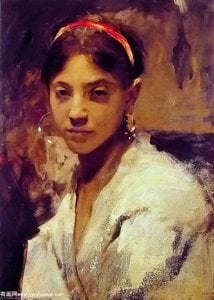
The future artist

Discover "The Future Artist" by Artur José de Sousa Loureiro (1927). A captivating portrait in realistic oil, showcasing a young artist's contemplation & studio atmosphere. #PortugueseArt #PortraitPainting

Artur Loureiro (1853-1932), pittore portoghese noto per il suo stile naturalistico, paesaggi e ritratti. Ha vissuto e lavorato in Portogallo, Francia e Australia, lasciando un segno significativo nel mondo dell'arte.

Riproduzione a olio fatta a mano

Olio su tela dipinto a mano nelle tue dimensioni e con la tua cornice, realizzato su ordinazione dai nostri artisti. (Acquista stampa Acquista stampaAcquista immagine Acquista immagine)

Formato standard
su misura
CM
INCH

Scegli tra le nostre dimensioni predefinite, che rispettano le proporzioni originali dell'opera d'arte.

larghezza
altezza

È possibile inserire dimensioni personalizzate per adattare l'opera a una cornice o a uno spazio specifico. Se la dimensione selezionata non corrisponde alle proporzioni dell'immagine originale, provvederemo a ritagliare l'opera o a estendere il dipinto con elementi aggiuntivi dipinti a mano. Un mockup digitale ti sarà inviato per approvazione prima dell'inizio della produzione.
Si prega di notare che l'anteprima a schermo non riflette il ritaglio o l'estensione effettivi. Solo il mockup mostrerà accuratamente la composizione finale.
Sebbene siano disponibili dimensioni personalizzate, consigliamo di selezionare una dimensione dall'elenco predefinito per preservare le proporzioni originali.

Esempi di ciò che può essere modificato: sostituire il volto con una foto del cliente; aggiungere un animale domestico (ad esempio, sostituire un gatto con un cane); inserire un messaggio nascosto nello sfondo; cambiare il paesaggio o gli elementi dello sfondo.
Dopo l'ordine, il team di WahooArt.com contatterà il cliente via e-mail per le istruzioni e fornirà un'anteprima del mockup

Consegna in tutto il mondo () in 3/4 settimane anziché nelle normali 5 settimane. (4 Settembre). Nessun compromesso sulla qualità.

why_choose_icon
Spedizione espressa gratuita in tutto il mondo
why_choose_icon
Tela in lino di alta qualità
why_choose_icon
Assicurazione completa sulla spedizione
why_choose_icon
Garanzia di rimborso dei dazi doganali
why_choose_icon
Garanzia di fedeltà cromatica
why_choose_icon
Politica di reso entro 60 giorni (solo per difetti di fabbricazione)
why_choose_icon
Garanzia di rimborso al 100%
why_choose_icon
Offerta per acquisti multipli

Prezzo totale

$ 272

reproduction

The future artist

Tecnica di riproduzione

Dimensioni riproduzione

-

Prezzo totale calcolato

$ 272

Informazioni rapide

  • Dimensions: 30 x 19 cm
  • Notable elements or techniques: Soft lighting, detailed textures
  • Year: 1927
  • Artist: Artur José de Sousa Loureiro
  • Subject or theme: Young artist in a studio
  • Title: The future artist

Quiz d'arte

Per ogni domanda è presente una sola risposta corretta.

Domanda 1:
What is the primary subject of the painting 'The future artist'?
Domanda 2:
Which artistic style is most evident in this work?
Domanda 3:
What does the presence of framed paintings in the background suggest about the setting?
Domanda 4:
What is the color of the cushion the subject is sitting on?
Domanda 5:
Based on the artist's biography, which country did Artur José de Sousa Loureiro study in during 1879?

A Moment of Quiet Creation

In the soft, diffused light of an artist's sanctuary, The Future Artist invites us into a world of profound stillness and burgeoning potential. Painted in 1927 by the esteemed Portuguese master Artur José de Sousa Loureiro, this evocative oil painting captures a young woman seated amidst the beautiful clutter of a studio. She rests upon a vibrant red cushion, a splash of warmth that mirrors the spirited crimson of her hair ribbon, yet her gaze is not one of outward excitement. Instead, she looks toward the observer with an expression that balances thoughtful contemplation with a hint of melancholy. In her hands, she holds a blank canvas—a powerful symbol of the unwritten chapters of her life and the infinite possibilities of her creative journey.

The composition is masterfully centered, drawing the eye immediately to the subject's face before allowing it to wander through the surrounding environment. The background is a rich tapestry of artistic legacy, filled with framed paintings that hang upon the walls like silent mentors. This layering of imagery suggests a deep connection to the lineage of art, placing the young girl within a continuum of creativity that stretches far beyond her immediate moment. The shallow perspective used by Loureiro creates an intimate atmosphere, pulling the viewer into her personal space and making us feel less like distant observers and more like quiet witnesses to her private introspection.

Mastery of Light and Texture

Loureiro’s technical prowess is on full display through his meticulous use of realism and light. The painting employs a palette dominated by muted earth tones, which provides a sophisticated backdrop for the more luminous elements of the work. Through the careful application of shadows, the artist creates a sense of profound depth, giving weight to the wooden surfaces of the studio and the heavy folds of the subject's clothing. The brushwork, while appearing loose and expressive in certain textures, remains disciplined enough to render the delicate nuances of skin and the tactile quality of fabric with remarkable accuracy.

For collectors and interior designers, this piece offers a unique blend of classical elegance and emotional depth. The organic shapes—the curves of the subject's form and the irregular silhouettes of the background frames—interact harmoniously with the linear precision of the studio's structure. This balance makes the artwork an exceptional choice for spaces that require a focal point of sophistication, such as a study, a library, or a refined living area. It is a work that does not merely decorate a wall but breathes life into a room, offering a sense of timelessness and a quiet, enduring beauty.

A Legacy of Inspiration

Beyond its aesthetic merits, The Future Artist serves as a poignant meditation on the nature of inspiration and the weight of expectation. The presence of the blank canvas is perhaps the most striking symbolic element; it represents both the daunting void of the unknown and the exhilarating freedom of creation. As we gaze upon this young woman, we are reminded of our own moments of hesitation before starting something new, and the courage required to face the emptiness with purpose. Loureiro, a painter whose life spanned the transition from 19th-century Naturalism to more modern sensibilities, imbues this late work with a sense of nostalgia that resonates deeply with the contemporary soul.

Owning a high-quality reproduction of this masterpiece allows one to bring this atmosphere of quiet intellectualism into the home. It is an investment in a piece of history that speaks to the enduring human spirit and the eternal pursuit of artistic truth. Whether viewed as a study in light or a narrative of personal growth, Loureiro’s work remains a captivating testament to the power of the painted image to capture the fleeting essence of a soul in transition.


Biografia dell'artista

Artur José de Sousa Loureiro: Un Viaggio Artistico tra Porto, Parigi e l'Australia

Artur José de Sousa Loureiro, una figura di spicco nel panorama artistico portoghese, ha lasciato un’impronta indelebile sulla tela della storia. Nato a Porto il 11 febbraio 1853 e scomparso il 7 luglio 1932, la sua vita fu un percorso evolutivo e innovativo nell'arte. Le sue radici si intrecciano con le vibranti atmosfere culturali di diversi continenti, plasmando uno stile unico e riconoscibile.

Gli Inizi e la Formazione

I primi passi nel mondo dell’arte furono guidati dall’amico e maestro António José da Costa, che gli trasmise le basi del disegno e della pittura. La sua formazione accademica proseguì presso l'Escola Superior de Belas Artes do Porto, sotto la guida di João António Correia, un ambiente fertile per lo sviluppo del suo talento. Questo periodo iniziale fu cruciale per definire il suo approccio artistico, segnato da una profonda osservazione della realtà e un’attenzione particolare alla luce e al colore.

Un Viaggio Continentale: Roma, Parigi e l’Australia

L'ambizione di Loureiro lo portò a esplorare orizzonti nuovi e stimolanti. Grazie al sostegno del suo mecenate, Delfim Guedes, si recò a Roma nel 1875, un centro nevralgico dell'arte europea all’epoca. Lì, immerso nella ricca atmosfera culturale della città eterna, affinò le sue tecniche e ampliò la sua visione artistica. Successivamente, nel 1879, si trasferì a Parigi, dove studiò presso l'École des Beaux-Arts, integrandosi nella vivace scena artistica del Quartier Latin. La capitale francese rappresentò un’ulteriore tappa fondamentale per il suo percorso, offrendogli l'opportunità di confrontarsi con le nuove tendenze artistiche e di sviluppare ulteriormente il suo stile personale. Nel 1884, spinto dalla necessità di un clima più mite, Loureiro emigrò in Australia, stabilendosi a Melbourne insieme alla sua compagna, Marie Huybers. Questo nuovo ambiente culturale influenzò profondamente la sua arte, portando a una reinterpretazione del paesaggio australiano e dei suoi abitanti.

Opere Significative e Riconoscimenti

La produzione artistica di Loureiro è caratterizzata da una vasta gamma di soggetti, tra cui ritratti, paesaggi e scene di animali. Tra le sue opere più significative spicca “La Morte di Burke” (1892), un’opera intensa che riflette il suo periodo in Australia e la sua sensibilità verso i temi della storia e dell'esplorazione. Nel 1899, Loureiro ricevette una medaglia d'oro all'Internationale Ausstellung in London, un riconoscimento prestigioso che ne consolidò la fama internazionale. In Australia, fu nominato "Professor of Design" presso il Presbyterian Ladies’ Academy, dove contribuì a formare le nuove generazioni di artisti.

Eredità e Ricordo

Il ritorno a Porto nel 1904 segnò un nuovo capitolo nella sua vita, con l'istituzione del suo studio presso la "Crystal Palace". In questo luogo, che divenne un punto di riferimento per gli aspiranti artisti, Loureiro continuò a dipingere e insegnare. Nel 1918, il suo secondo matrimonio con Elisa Fernanda de Sousa Pires aprì una nuova fase della sua vita personale. Nonostante la scomparsa nel 1932, l'eredità di Artur José de Sousa Loureiro continua a vivere attraverso le sue opere esposte in diverse gallerie a Lisbona, Porto, Melbourne e Bendigo. La sua arte, caratterizzata da un’attenta osservazione della natura e una profonda sensibilità emotiva, rimane un prezioso contributo alla storia dell'arte portoghese e australiana.
Artur José de Sousa Loureiro

Artur José de Sousa Loureiro

1853 - 1932 , Portogallo

Dati rapidi

  • Artistic Movement Or Style: Naturalismo
  • Artists Or Movements Influenced By This Artist: ['João Marques de Oliveira']
  • Artists Who Influenced This Artist: ['António José da Costa']
  • Date Of Birth: 11 Feb 1853
  • Date Of Death: 7 Lug 1932
  • Full Name: Artur José de Sousa Loureiro
  • Nationality: Portoghese
  • Notable Artworks:
    • Morte di Burke
    • Rio Douro
  • Place Of Birth: Porto, Portogallo