Anteprima in scala reale Prova in AR Ordina la riproduzione dipinta a mano Passa all'immagine digitale Condividi
Dettagli Aggiungi ai preferiti Scarica Articoli simili Radiografia Slideshow Statistiche

L'Incoronazione della Vergine

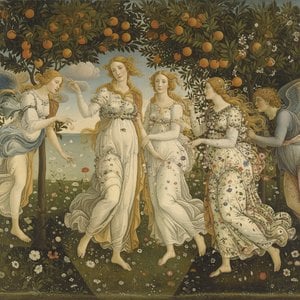
'L'Incoronazione della Vergine' di Sandro Botticelli (ca. 1492) ritrae Maria che riceve la sua corona, mostrando l'arte rinascimentale con croci simboliche e un'atmosfera serena. Un capolavoro della pittura fiorentina.

Esplora l'affascinante arte di Sandro Botticelli (1445-1510), un maestro della pittura del Rinascimento maturo. Conosciuto per la sua elegante linearità, opere iconiche come 'La nascita di Venere' & 'Primavera', e per aver colmato il divario tra lo stile gotico e quello rinascimentale. Scopri il suo lascito!

Giclée / Stampe d'arte

Stampa giclée o su tela di qualità museale, con produzione rapida e diverse opzioni di finitura. ( Ordina la riproduzione dipinta a mano Passa all'immagine digitale)

P118B $10
P118H $10
P118W $10
P438Z $10
P508JH $12
P508YH $12
P805H $10
P805Z $10
P919BZ $10
P919G $10
P919XJ $10
P959ZH $10
P968JZ $12
W106C $8
W218G $10
W218JH $8
W218Y $10
W307PJ $10
W316G $10
W316PJ $8
W316Y $10
W398PJ $8
W4111J $10
W500HY $15
W500JH $15
W692G $12
W849H $8
W940BG $15
W953PJ $8

Standard
personalizzato
CM
INCH

Scegli tra le nostre dimensioni predefinite, che rispettano le proporzioni originali dell'opera d'arte.

larghezza
altezza

È possibile inserire dimensioni personalizzate per adattare l'opera a una cornice o a uno spazio specifico. Se la dimensione selezionata non corrisponde alle proporzioni dell'immagine originale, procederemo al ritaglio dell'opera o all'estensione dell'immagine con un bordo specchiato o a tinta unita. Un mockup digitale ti verrà inviato per approvazione prima dell'inizio della produzione.
Si prega di notare che l'anteprima a schermo non riflette il ritaglio o l'estensione effettivi. Solo il mockup mostrerà accuratamente la composizione finale.
Sebbene siano disponibili dimensioni personalizzate, si raccomanda di selezionare una dimensione dall'elenco predefinito per preservare le proporzioni originali.

Consegna in tutto il mondo () in 2 settimane invece delle normali 4/5 settimane. (15 Settembre)

why_choose_icon
Spedizione espressa gratuita in tutto il mondo
why_choose_icon
Tela in lino di alta qualità
why_choose_icon
Assicurazione completa sulla spedizione
why_choose_icon
Garanzia di rimborso dei dazi doganali
why_choose_icon
Garanzia di perfetta fedeltà cromatica
why_choose_icon
Politica di reso entro 100 giorni (solo per difetti di fabbricazione)
why_choose_icon
Garanzia di rimborso al 100%
why_choose_icon
Sconto per acquisti multipli

Prezzo totale

$ 68

reproduction

L'Incoronazione della Vergine

Giclée / Stampe d'arte

Dimensioni della riproduzione

-

Prezzo totale

$ 68

Dettagli rapidi

  • Subject or theme: Religious Scene
  • Movement: Early Renaissance
  • Artist: Sandro Botticelli
  • Artistic style: Elegant & Graceful
  • Influences:
    • Gothic
    • Renaissance
  • Medium: Oil on panel
  • Notable elements: Three crosses, book

Quiz d'arte

Per ogni domanda è presente una sola risposta corretta.

Domanda 1:
What is the primary subject depicted in Sandro Botticelli’s ‘The Coronation of the Virgin’?
Domanda 2:
Which figure is depicted standing above the Virgin Mary in the painting?
Domanda 3:
The presence of three crosses within the scene likely symbolizes:
Domanda 4:
Based on the available information, Sandro Botticelli painted ‘The Coronation of the Virgin’ around what time period?
Domanda 5:
What artistic style is most closely associated with Sandro Botticelli’s work, as evidenced by ‘The Coronation of the Virgin’?

The Coronation of the Virgin: A Botticelli Masterpiece

Sandro Botticelli’s “Coronation of the Virgin,” painted around 1492, is more than just a religious depiction; it's a shimmering window into the heart of Renaissance Florence. This captivating work, now meticulously reproduced on hand-painted canvases by WahooArt.com, transcends its biblical subject matter to become a profound meditation on faith, grace, and the divine feminine. The painting immediately draws the eye with its ethereal palette – predominantly blues and violets—a deliberate choice that evokes both the majesty of heaven and the quiet dignity of Mary. Botticelli’s signature style is powerfully evident: elongated figures, delicate lines, and a sense of otherworldly beauty that distinguishes him from the more rigid formality of earlier Italian art.

At its core, the scene depicts the pivotal moment when the Virgin Mary is crowned as Queen of Heaven by Christ and the Holy Spirit. Jesus, depicted with youthful strength and serene authority, bestows upon her a radiant golden crown. The arrangement isn’t merely literal; it's carefully constructed to convey theological depth. The inverted triangle composition—a hallmark of Renaissance art—stabilizes the scene while simultaneously directing the viewer’s gaze upwards towards the divine triad. Botticelli masterfully uses perspective and spatial relationships, creating a sense of receding space that draws us into this sacred realm.

A Symphony of Symbolism

Beyond its immediate narrative, “The Coronation of the Virgin” is rich in symbolic meaning. The three crosses scattered throughout the composition are not merely decorative elements; they represent the sacrifice of Christ and the promise of salvation. The book held by a figure on the right side symbolizes divine law and wisdom. The music-making angels, depicted with an almost ecstatic joy, celebrate Mary’s ascension to heaven and her role as intercessor between humanity and God. Even the positioning of the figures—Mary kneeling before Christ, surrounded by attendants—underscores her humility and grace.

Interestingly, this painting is a collaborative effort, created in partnership with Domenico Ghirlandaio. Botticelli’s contribution primarily focuses on the upper half of the composition – Mary, Christ, and the angels – while Ghirlandaio handles the lower portion, featuring the saints who witnessed the event from Earth. This division reflects the distinct artistic styles of the two masters, yet it also creates a harmonious whole, demonstrating their shared commitment to capturing the beauty and spirituality of this momentous occasion.

Historical Context and Artistic Innovation

“The Coronation of the Virgin” was painted during a period of immense cultural and intellectual ferment in Florence. The rise of humanism—a philosophical movement that emphasized human potential and earthly values—coexisted with a renewed interest in classical antiquity. Botticelli, deeply influenced by these trends, infused his work with a sense of elegance and refinement while retaining a profound reverence for religious themes. The painting’s use of light and shadow, its delicate rendering of fabrics and textures, and its graceful figures are all testaments to Botticelli's artistic innovation.

Furthermore, the subject itself—the coronation of Mary—was gaining increasing prominence during this era. The belief in her queenship was being promoted by theologians and artists alike, reflecting a growing devotion to the Virgin Mother. Botticelli’s rendition captures this burgeoning sentiment with remarkable sensitivity and artistic skill. It's a poignant reminder of how art can both reflect and shape religious beliefs.

Bringing Botticelli Home: WahooArt Reproductions

WahooArt.com is proud to offer meticulously crafted, hand-painted reproductions of Sandro Botticelli’s “Coronation of the Virgin.” We understand that owning an original Botticelli is beyond the reach of most collectors, but our high-quality reproductions provide a stunning way to experience the beauty and power of this iconic masterpiece in your own home. Each reproduction is created using traditional techniques and archival materials, ensuring its longevity and authenticity.

Whether you’re an art enthusiast, a collector seeking to expand your collection, or simply someone who appreciates exquisite artistry, a WahooArt.com “Coronation of the Virgin” reproduction will add a touch of Renaissance elegance and spiritual depth to any space. Explore our selection today and bring this timeless treasure into your world.


Biografia dell'artista

primi anni di vita e formazione

Sandro Botticelli, nato Alessandro di Mariano di Vanni Filippoipi intorno al 1445, è stata una figura chiave nel primo Rinascimento della pittura italiana. Inizialmente oscurato postumo, l'opera di Botticelli è stata rivitalizzata nella tarda ottava e novantina del secolo XIX dai pre-rafaeliani, portando a una rivalutazione dei suoi contributi artistici. Botticelli nacque a Firenze, in Italia, e visse tutta la sua vita nello stesso quartiere. La sua famiglia, inclusa il padre Mariano di Vanni d'Amedeo Filippoipi, era coinvolta in varie professioni, che li hanno portati a entrare in contatto con gli artisti. Giorgio Vasari riferì che Botticelli fu inizialmente addestrato come orefice.

stile artistico e opere notevoli

L'opera di Botticelli è caratterizzata da una elegante linearità, che colma il divario tra il tardo gotico italiano e il primo Rinascimento. Le sue opere più famose, La nascita di Venere e Primavera, sono esposte alla Galleria degli Uffizi a Firenze, che ospita una collezione significativa delle sue opere. * La nascita di Venere (visualizza su WahooArt) * Primavera (esplora l'arte di Sandro Botticelli su WahooArt) * Natività mistica (Galleria Nazionale d'Arte Moderna, Roma), datata 1501, è l'unica opera di Botticelli con una data precisa.

eredità e influenza

Lo stile di Botticelli si è evoluto in un approccio più personale negli anni '90 del Cinquecento, divergendo dai contemporanei come Leonardo da Vinci e dallo stile rinascimentale alto emergente. La sua opera è stata riconosciuta come un contributo significativo al movimento dell'arte rinascimentale italiana. * Il Rinascimento italiano * Sandro Botticelli su Wikipedia
  • Artisti notevoli del Rinascimento italiano includono Sandro Botticelli, Leonardo da Vinci, Michelangelo e Tiziano.
  • La Galleria degli Uffizi a Firenze ospita una collezione significativa delle opere di Botticelli.
  • L'opera di Botticelli è stata riconosciuta come una figura chiave nel primo Rinascimento della pittura italiana.
date chiave: * 1445: Sandro Botticelli nacque a Firenze, Italia. * 1474: Trascorse del tempo a Pisa. * 1481-1482: Lavorò alla Cappella Sistina a Roma. * 1501: Natività mistica (Galleria Nazionale d'Arte Moderna, Roma) fu datata.
Sandro Botticelli

Sandro Botticelli

1445 - 1510 , Italia

Informazioni rapide

  • Artisti Influenti:
    • Fra Angelico
    • Paolo Uccello
  • Data Di Nascita: c. 1445
  • Luogo Di Nascita: Firenze, Italia
  • Movimento Artistico: Primo Rinascimento
  • Nazionalità: Italiana
  • Nome Completo: Sandro Botticelli
  • Opere Notevoli:
    • Nascita di Venere
    • Primavera
    • Natività Mistica
Esplora le opere d'arte organizzate per temi, stili e caratteristiche.