L'opera d'arte visualizzata in questa pagina è protetta dalle leggi sul diritto d'autore, il che significa che non possiamo legalmente creare o vendere una riproduzione identica. Tale protezione è garantita da accordi internazionali quali la Convenzione di Berna e dalle leggi nazionali, incluse quelle stabilite da Legge sul copyright degli Stati Uniti - Titolo 17. Tutti i diritti riservati. Le immagini presenti su questo sito sono protette da copyright e non possono essere riprodotte o utilizzate senza l'autorizzazione scritta di WahooArt.com o dei rispettivi proprietari del copyright.
Come alternativa rispettosa e legale, offriamo opere d'arte personalizzate e dipinte a mano, ispirate all'originale. I nostri artisti esperti e professionisti studiano con cura lo stile, l'atmosfera e l'essenza artistica dell'opera originale per creare un pezzo nuovo e unico che evochi la stessa emozione, pur rimanendo una creazione originale a pieno titolo.
Questo metodo è pienamente conforme alle normative sul diritto d'autore poiché non prevede la copia o la duplicazione dell'opera protetta. Si tratta invece di una rielaborazione creativa: un nuovo dipinto che trae ispirazione dall'originale, senza tuttavia esserne identico.
Olio su tela dipinto a mano nelle tue dimensioni e con la tua cornice, realizzato su ordinazione dai nostri artisti. ( Passa alle stampe
Passa all'immagine digitale)
Scegli tra le nostre dimensioni predefinite, che rispettano le proporzioni originali dell'opera d'arte.
È possibile inserire dimensioni personalizzate per adattare l'opera a una cornice o a uno spazio specifico. Se la dimensione selezionata non corrisponde alle proporzioni dell'immagine originale, provvederemo a ritagliare l'opera o a estendere il dipinto con elementi aggiuntivi dipinti a mano. Un mockup digitale ti sarà inviato per approvazione prima dell'inizio della produzione.
Si prega di notare che l'anteprima a schermo non riflette il ritaglio o l'estensione effettivi. Solo il mockup mostrerà accuratamente la composizione finale.
Sebbene siano disponibili dimensioni personalizzate, consigliamo di selezionare una dimensione dall'elenco predefinito per preservare le proporzioni originali.
Consegna in tutto il mondo () in 3/4 settimane anziché nelle normali 5 settimane. (10 Ottobre). Nessun compromesso sulla qualità.

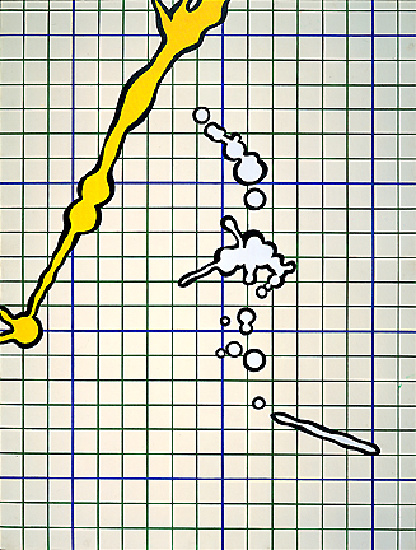
Yellow and withe drip
Dimensioni della riproduzione
In the mid-1960s, the art world stood at a precipice, caught between the heavy, emotional shadows of Abstract Expressionism and the bright, neon-soaked reality of a burgeoning consumer culture. It was within this electric tension that Roy Lichtenstein unveiled "Yellow and White Drip," a work that would become a cornerstone of the Pop Art movement. Created in 1966, this painting is far more than a mere visual experiment; it is a deliberate, masterful rejection of academic conventions. Where previous generations sought depth through meticulous brushwork and soulful realism, Lichtenstein looked toward the mechanical, the commercial, and the everyday. He invited the viewer to find beauty not in the sublime, but in the graphic precision of the printing press and the ubiquitous language of mass media.
The composition itself serves as a striking dialogue between order and spontaneity. At first glance, the eye is drawn to the vibrant, energetic splash of yellow that cuts across the pristine white expanse. This "drip" suggests a moment of sudden movement, yet it is rendered with a calculated, almost clinical stillness. Interspersed within this landscape are geometric elements—green squares that ground the composition, providing a rhythmic structure that prevents the eye from wandering too far from the central motif. For the collector or interior designer, this piece offers a sophisticated balance; it possesses the raw energy of an action painting while maintaining the clean, structured aesthetic essential for modern, high-end decor.
To truly appreciate "Yellow and White Drip," one must look closer at the skin of the painting. Lichtenstein’s genius lay in his ability to mimic the industrial processes of advertising and comic strips, elevating "low" culture to the status of fine art. He utilized the halftone print technique—a method of using tiny, varying densities of dots to simulate shading and texture. This choice was a revolutionary act of deconstruction. By replacing the artist's unique hand with a simulated mechanical dot, he challenged the very notion of the "original" masterpiece. The resulting effect is remarkably flat and stylized, creating a surface that feels both incredibly modern and timelessly iconic.
This technical precision creates a fascinating emotional paradox. While the subject matter—a simple drip and geometric shapes—appears minimalist, the execution is dense with cultural meaning. The stark contrast between the saturated yellow and the clinical white background amplifies the visual impact, making the work an ideal focal point for any curated space. It demands attention through its clarity and brightness, yet it does not overwhelm; rather, it provides a crisp, intellectual energy that can transform a room from a mere living space into a gallery of contemporary thought.
Beyond the pigments and dots, "Yellow and White Drip" embodies the anxieties and aspirations of the mid-century landscape. It reflects a world becoming increasingly interconnected through mass production and shared visual symbols. Lichtenstein’s work acts as a mirror to our own era of digital saturation, where the boundaries between reality and mediated imagery continue to blur. The painting symbolizes a liberation from elitist hierarchies, suggesting that art can be found in the most commonplace fragments of our visual landscape.
For those seeking to bring a piece of art history into their homes or professional design projects, a high-quality reproduction of this masterpiece offers an unparalleled opportunity. It is a work that speaks to the bold, the brave, and the aesthetically discerning. Whether placed in a minimalist loft or a vibrant contemporary office, "Yellow and White Drip" serves as a constant reminder of the moment when art stopped looking inward at the soul and started looking outward at the electric, pulsating reality of modern life.
I colori di "Yellow and withe drip" di Roy Lichtenstein mostrano una saturazione Muted con un'intensità Balanced.
Puoi visualizzare "Yellow and withe drip" di Roy Lichtenstein sulla tua parete grazie alla pagina Anteprima AR dell'opera, utilizzando la realtà aumentata su un dispositivo compatibile.
"Yellow and withe drip" di Roy Lichtenstein è consigliato per Accent, idealmente in un Living Room. L'uso e lo spazio aiutano a individuare l'ambiente ideale per una riproduzione.
La creazione di "Yellow and withe drip" di Roy Lichtenstein risale al 1966.
"Yellow and withe drip" è stata creata da Roy Lichtenstein. Le informazioni contenute in questa pagina descrivono l'opera originale di Roy Lichtenstein.
Quando "Yellow and withe drip" fu creata nel 1966, Roy Lichtenstein - nato nel 1923 - aveva 43 anni.
"Yellow and withe drip" di Roy Lichtenstein è consigliato per un/una Living Room. Questo suggerimento si basa sul soggetto, sui colori e sull'atmosfera dell'opera.
1923 - 1997 , Stati Uniti d'America