Robert Seldon Duncanson’s “Landscape Mural”: A Window into the Soul of America
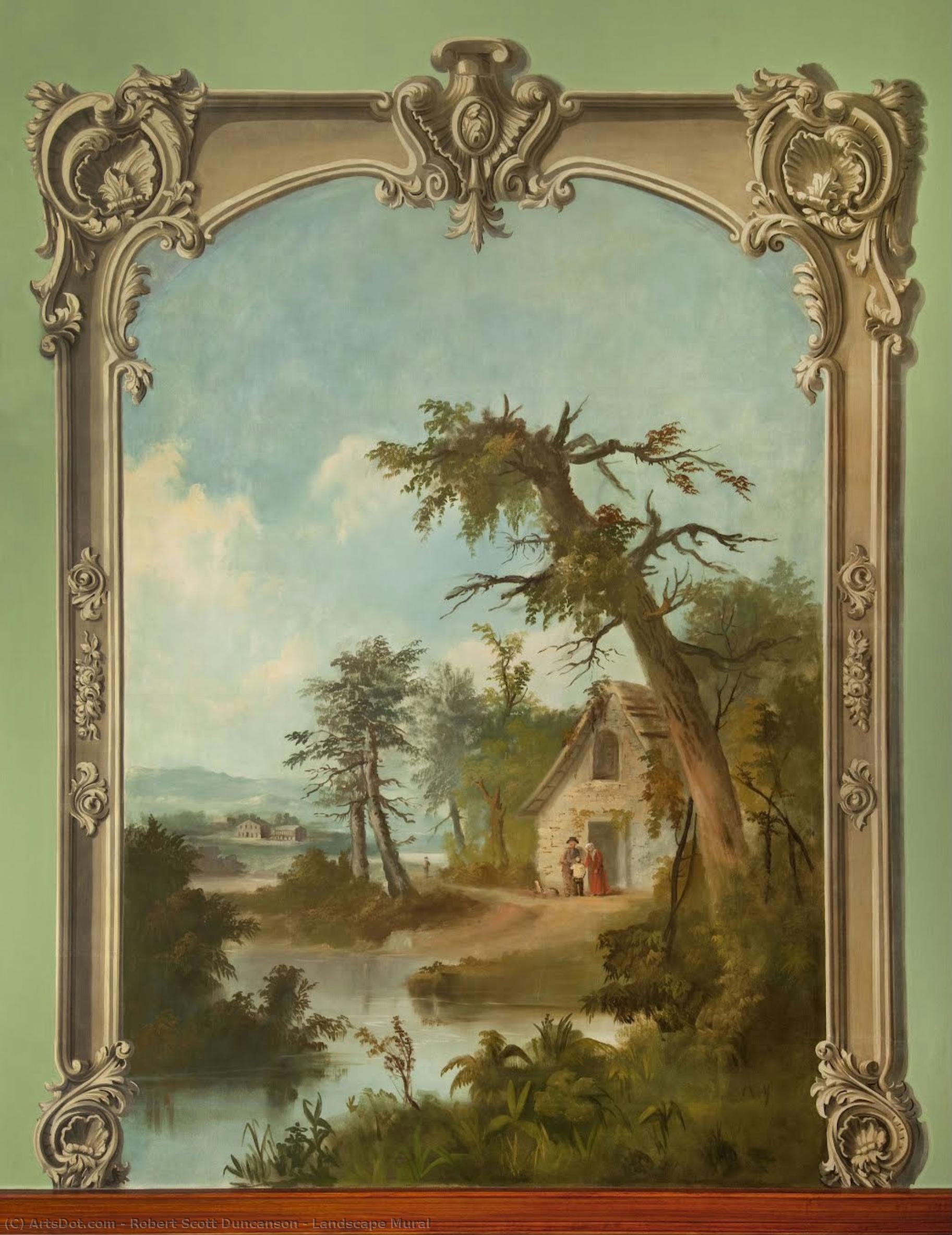
Robert Seldon Duncanson's "Landscape Mural," painted in 1852, isn’t merely a depiction of a rural scene; it’s a profound meditation on nature, spirituality, and the burgeoning identity of America itself. Created during a period of immense social and political upheaval – the years leading up to the Civil War – this monumental work offers a glimpse into Duncanson's artistic vision and his deeply felt connection to the land. Measuring an impressive 110 1/8 x 78 7/8 inches, the mural dominates its setting, drawing the viewer into a meticulously rendered world of rolling hills, a meandering river, and a distant farmhouse bathed in the golden light of late afternoon. It’s a scene both familiar and subtly unsettling, imbued with an atmosphere that speaks to the complexities of the era.
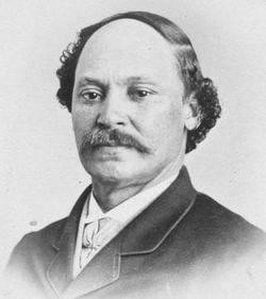
Duncanson, a pioneering African American artist, navigated a challenging landscape of racial prejudice while establishing himself as one of the foremost landscape painters of his time. His work often grappled with themes of identity, spirituality, and the relationship between humanity and nature – subjects that resonated deeply within the context of his lived experience. The mural’s composition—a carefully balanced interplay of light and shadow, foreground and background—reflects Duncanson's meticulous approach to art, honed through years of apprenticeship in carpentry and house painting before he fully embraced his artistic calling. The use of atmospheric perspective, a technique borrowed from European masters like the Hudson River School, creates a sense of depth and distance, inviting the viewer to lose themselves within the painted landscape.
Hudson River School Aesthetics: Romanticism Rooted in Observation
“Landscape Mural” firmly places itself within the tradition of the Hudson River School, a movement of American artists who sought to capture the beauty and grandeur of the American wilderness. Inspired by European Romanticism—with its emphasis on emotion, imagination, and the sublime—the Hudson River School painters rejected the rigid academic styles of the past in favor of direct observation and a celebration of nature’s power. Duncanson's work embodies this spirit perfectly, eschewing idealized representations for a more nuanced and evocative portrayal of the Ohio Valley landscape.
The painting’s palette is rich and earthy—dominated by greens, browns, and ochres—creating a sense of warmth and tranquility. However, subtle hints of melancholy permeate the scene, particularly in the muted tones of the distant farmhouse and the slightly overcast sky. This duality reflects the complex realities of 19th-century America – a nation grappling with issues of slavery, economic inequality, and westward expansion. The artist’s careful attention to detail—the texture of the bark on the trees, the ripples in the water, the subtle gradations of light—demonstrates his deep understanding of nature and his commitment to capturing its essence with remarkable accuracy.
Symbolism and Narrative: A Silent Story
While ostensibly a landscape painting, “Landscape Mural” is rich in symbolic meaning. The lone figure standing near the tree – often interpreted as representing humanity’s relationship with nature—suggests both reverence and a sense of vulnerability. The river, flowing steadily towards the horizon, can be seen as a metaphor for the passage of time and the relentless march of progress. The distant farmhouse represents the promise of home and stability, yet it also evokes a feeling of isolation and loneliness.
Some art historians have suggested that Duncanson subtly incorporated racial metaphors into his work, using the landscape to explore themes of identity and belonging. The painting’s quiet dignity and contemplative mood invite viewers to reflect on their own place within the larger context of American history and culture. The mural's enduring appeal lies in its ability to evoke a sense of nostalgia for a bygone era while simultaneously prompting us to consider the challenges and complexities of our present.
A Legacy of Artistic Vision: Reproduction and Appreciation
Today, “Landscape Mural” stands as a testament to Robert Seldon Duncanson’s artistic genius and his significant contribution to American art history. High-quality reproductions capture the painting's luminous quality and intricate detail, allowing viewers to appreciate its beauty and complexity from afar. Whether displayed in a private home or a public institution, this remarkable work continues to inspire and captivate audiences with its evocative imagery and profound message. Consider commissioning a hand-painted reproduction to bring this timeless masterpiece into your own space – a tangible reminder of Duncanson’s artistic vision and the enduring power of nature.
Domande e risposte
Come posso visualizzare "Landscape Mural" di Robert Seldon Duncanson come presentazione di immagini?
Il diaporama di "Landscape Mural" può essere visualizzato nella pagina Slideshow dell'opera.
Quale collocazione si adatta meglio al formato di "Landscape Mural" di Robert Seldon Duncanson?
Con la sua forma Portrait, una riproduzione di "Landscape Mural" è ideale per un Living Room.
"Landscape Mural" è privo di copyright?
Per quanto riguarda il copyright, "Landscape Mural" è di pubblico dominio - il suo copyright è scaduto.


 Anteprima in scala reale
 Ordina la riproduzione dipinta a mano
 Condividi
 Condividi
 Dettagli
 Guida stampabile

 Scarica
 Articoli simili
 Radiografia
 Slideshow
 Statistiche


 Leggi tutto






































 L'opzione vetro è disponibile solo per dimensioni inferiori a 110 cm