Under the Hammer: A Snapshot of British Modernism
Robert Bevan’s “Under the Hammer,” painted in 1913, isn't merely a depiction of a horse auction; it’s a crystallized moment of artistic transition—a testament to the burgeoning Fauvist movement and the broader anxieties surrounding societal change that characterized early 20th-century Britain. Created during a period marked by seismic shifts in artistic sensibilities, Bevan’s work stands apart for its unwavering commitment to realism tempered with bold chromatic choices.
Artist and Style: Bevan's Earthy Vision
Robert Polhill Bevan (1865-1925) emerged from a Quaker upbringing—a lineage that instilled in him values of integrity and quiet observation—to become one of the most influential figures in British Modernism. His artistic journey began at Westminster School of Art, where he honed his skills under Fred Brown, absorbing influences from Impressionism while simultaneously forging an independent path. However, it was his immersion in Parisian ateliers – particularly those frequented by artists like Matisse and Picasso – that truly cemented his stylistic signature.
Painting Description: Capturing the Mundane Marvel
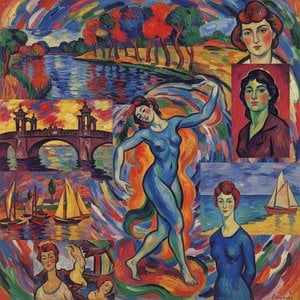
The canvas portrays a scene unfolding within a stable or similar setting—a tableau populated by individuals intently focused on the impending sale of a horse. Bevan’s masterful technique utilizes oil paint on canvas, allowing for remarkable depth and luminosity that breathes life into the composition. Notice the deliberate use of earthy tones – ochre, umber, Sienna – reflecting the artist's fascination with capturing the textures and nuances of everyday existence. The careful arrangement of figures—some positioned prominently in the foreground, others receding into the background—creates a dynamic interplay of perspective.
Historical Context: Fauvist Influence & Camden Town Group Spirit
"Under the Hammer" embodies the spirit of the Camden Town Group, a collective of artists who championed a radical departure from academic conventions. Bevan’s embrace of Fauvist principles – characterized by unrestrained color and expressive brushstrokes – signaled a decisive move away from Impressionism's muted palette toward a bolder articulation of emotion and sensation. The painting speaks to the broader cultural concerns of its time—the anxieties surrounding industrialization, urbanization, and the shifting role of man within society—themes that resonate powerfully even today.
Importance & Reproduction: Preserving Artistic Legacy
“Under the Hammer” transcends its subject matter to become a symbol of British artistic heritage. Its presence in The Walker Art Gallery underscores Liverpool’s commitment to showcasing exceptional artworks and fostering appreciation for visual culture. For those seeking to experience Bevan's vision firsthand, handmade oil painting reproductions are available at WahooArt.com. These reproductions meticulously recreate the original’s atmosphere and detail using traditional methods and premium materials—supporting the preservation of artistic legacies for generations to come.



 Anteprima in scala reale
 Ordina la riproduzione dipinta a mano
 Condividi
 Condividi
 Dettagli
 Guida
Guida

 Scarica
 Articoli simili
 Radiografia
 Slideshow
 Statistiche


 Leggi tutto






































 L'opzione vetro è disponibile solo per dimensioni inferiori a 110 cm