Anteprima in scala reale Anteprima in AR Passa alle stampe Passa all'immagine digitale Invia
Dettagli opera Guida Aggiungi ai preferiti Scarica Simili Radiografia Slideshow Statistiche

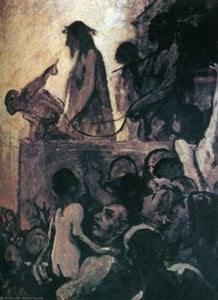
Peter Denouncing Christ

Esprimi l'emozione intensa di Rembrandt con 'Peter Denouncing Christ'! Un capolavoro barocco drammatico che mostra maestria nel chiaroscuro. Esplora questa iconica pittura dell'età d'oro olandese.

Esplora Rembrandt van Rijn (1606-1669), maestro barocco olandese della luce e dell'ombra! Scopri ritratti iconici, scene bibliche ed incisioni rivoluzionarie. Vivi l'età d'oro olandese.

Riproduzione a olio fatta a mano

Olio su tela dipinto a mano nelle tue dimensioni e con la tua cornice, realizzato su ordinazione dai nostri artisti. ( Passa alle stampe Passa all'immagine digitale)

Corner sample of the P118B picture frame: polistirene stampato, 5 cm wide and 3 cm thick
P118B €10
Corner sample of the P118H picture frame: polistirene stampato, 5 cm wide and 3 cm thick
P118H €10
Corner sample of the P118W picture frame: polistirene stampato, 5 cm wide and 3 cm thick
P118W €10
Corner sample of the P438Z picture frame: polistirene stampato, 5.5 cm wide and 3.5 cm thick
P438Z €10
Corner sample of the P508JH picture frame: polistirene stampato, 7 cm wide and 3.5 cm thick
P508JH €12
Corner sample of the P508YH picture frame: polistirene stampato, 7 cm wide and 3.5 cm thick
P508YH €12
Corner sample of the P805H picture frame: polistirene stampato, 5 cm wide and 3.5 cm thick
P805H €10
Corner sample of the P805Z picture frame: polistirene stampato, 5 cm wide and 3.5 cm thick
P805Z €10
Corner sample of the P919BZ picture frame: polistirene stampato, 7 cm wide and 3.5 cm thick
P919BZ €10
Corner sample of the P919G picture frame: polistirene stampato, 7 cm wide and 3.5 cm thick
P919G €10
Corner sample of the P919XJ picture frame: polistirene stampato, 7 cm wide and 3.5 cm thick
P919XJ €10
Corner sample of the P959ZH picture frame: polistirene stampato, 5 cm wide and 3 cm thick
P959ZH €10
Corner sample of the P968JZ picture frame: polistirene stampato, 6 cm wide and 4 cm thick
P968JZ €12
Corner sample of the W106C picture frame: legno massello, 5 cm wide and 3 cm thick
W106C €8
Corner sample of the W218G picture frame: legno massello, 5 cm wide and 3 cm thick
W218G €10
Corner sample of the W218JH picture frame: legno massello, 5 cm wide and 3 cm thick
W218JH €8
Corner sample of the W218Y picture frame: legno massello, 5 cm wide and 3 cm thick
W218Y €10
Corner sample of the W307PJ picture frame: legno massello, 6 cm wide and 3 cm thick
W307PJ €10
Corner sample of the W316G picture frame: legno massello, 6 cm wide and 3 cm thick
W316G €10
Corner sample of the W316PJ picture frame: legno massello, 6 cm wide and 3 cm thick
W316PJ €8
Corner sample of the W316Y picture frame: legno massello, 6 cm wide and 3 cm thick
W316Y €10
Corner sample of the W398PJ picture frame: legno massello, 5 cm wide and 3 cm thick
W398PJ €8
Corner sample of the W4111J picture frame: legno massello, 6.5 cm wide and 3.5 cm thick
W4111J €10
Corner sample of the W500HY picture frame: legno massello, 7 cm wide and 5 cm thick
W500HY €15
Corner sample of the W500JH picture frame: legno massello, 7 cm wide and 5 cm thick
W500JH €15
Corner sample of the W692G picture frame: legno massello, 8 cm wide and 4 cm thick
W692G €12
Corner sample of the W849H picture frame: legno massello, 5 cm wide and 3 cm thick
W849H €8
Corner sample of the W940BG picture frame: legno massello, 7.5 cm wide and 4.5 cm thick
W940BG €15
Corner sample of the W953PJ picture frame: legno massello, 6 cm wide and 3.5 cm thick
W953PJ €8

Formato standard
su misura
CM
INCH

Scegli tra le nostre dimensioni predefinite, che rispettano le proporzioni originali dell'opera d'arte.

larghezza
altezza

Inserisci la larghezza e l'altezza desiderate, per adattarle alla tua cornice o alla tua parete. Trattandosi di un'opera dipinta a mano, in caso di dimensioni con un formato differente, l'artista può estendere leggermente il dipinto oltre i bordi dell'immagine o ritagliare una piccola parte — la scelta spetta a te. Ti invieremo un mockup digitale da approvare prima che la realizzazione abbia inizio. L'immagine mostrata in questa pagina non rappresenta il risultato finale — solo il mockup lo fa.

Esempi di ciò che può essere modificato: sostituire il volto con una foto del cliente; aggiungere un animale domestico (ad esempio, sostituire un gatto con un cane); inserire un messaggio nascosto nello sfondo; cambiare il paesaggio o gli elementi dello sfondo.
Dopo l'ordine, il team di WahooArt.com contatterà il cliente via e-mail per ricevere le istruzioni e fornirà un'anteprima del mockup

Consegna in tutto il mondo () in 3/4 settimane anziché nelle normali 5 settimane. (28 Ottobre). Nessun compromesso sulla qualità.

Spedizione espressa gratuita in tutto il mondo
Tela in lino di alta qualità
Assicurazione completa sulla spedizione
Garanzia di rimborso dei dazi doganali
Garanzia di fedeltà cromatica assoluta
Politica di reso entro 100 giorni (solo per difetti di fabbricazione)
Garanzia di rimborso al 100%
Offerta per acquisti multipli

Prezzo totale

€ 372

Peter Denouncing Christ

Tecnica di riproduzione

Dimensioni riproduzione

-

Prezzo finale calcolato

€ 372

Informazioni rapide

  • Influences: Dutch Renaissance
  • Artistic style: Psychological realism
  • Medium: Oil on canvas
  • Dimensions: 154 x 169 cm
  • Artist: Rembrandt van Rijn
  • Year: 1660

Quiz d'arte

Per ogni domanda è presente una sola risposta corretta.

Domanda 1:
Qual è la tecnica pittorica predominante utilizzata da Rembrandt nella creazione di "La Negazione di Pietro"?
Domanda 2:
In quale contesto storico è stata realizzata questa opera?
Domanda 3:
Qual è il significato simbolico delle due uccelli presenti nel dipinto?
Domanda 4:
Il dipinto è caratterizzato da una particolare attenzione alla luce e all'ombra. Questa tecnica è nota come:
Domanda 5:
¿Dónde se encuentra actualmente "La Negación de Pietro"?

A Moment of Crisis: Unveiling Rembrandt’s “Peter Denouncing Christ”

Rembrandt van Rijn's 1660 masterpiece, *Peter Denouncing Christ*, is a powerful and psychologically complex depiction of a pivotal biblical moment. Housed in the Rijksmuseum, this large-scale oil painting (154 x 169 cm) transcends mere illustration to become a profound exploration of faith, betrayal, and human fallibility. It captures the dramatic scene where Saint Peter, one of Jesus’s closest apostles, denies knowing Christ three times before the cock crows – as prophesied by Jesus himself. Rembrandt doesn't focus on grand spectacle; instead, he presents an intensely intimate and emotionally charged confrontation. Peter is shown vehemently pointing away from a calmly resolute Jesus, surrounded by a diverse group of onlookers. Their reactions range from shocked disbelief to indifferent curiosity, creating a palpable sense of tension and moral ambiguity. The composition isn’t about glorifying faith but dissecting the fragility of human conviction under pressure.

Rembrandt's Masterful Technique

This work is quintessential Rembrandt, showcasing his unparalleled mastery of chiaroscuro – the dramatic interplay of light and shadow. Light doesn’t simply illuminate; it *models* form and directs our gaze, highlighting the emotional turmoil etched on each face. The brushwork is loose and expressive, particularly in the drapery and surrounding figures, contributing to a sense of immediacy and realism. Rembrandt's technique isn’t about precise detail but about capturing the essence of emotion and psychological truth. The impasto – thick application of paint – adds texture and physicality, making the scene almost tangible. It is a testament to his ability to convey profound feeling through visual form.

Symbolism Woven into the Canvas

Rembrandt subtly imbues the painting with symbolic meaning. Two birds are present: one near the top right corner and another towards the bottom left. These have been interpreted as representing spiritual observers witnessing this crucial moment of human weakness. A cup placed at the lower center is often linked to the Last Supper, a poignant reminder of the events leading up to Peter’s denial and Christ's impending sacrifice. These details aren’t overt but add layers of depth for those who seek them. They invite contemplation on themes of repentance and divine grace.

Historical Context & Artistic Legacy

Created during the later period of Rembrandt’s life – a time marked by personal tragedy and financial hardship – *Peter Denouncing Christ* reflects a mature artistic vision. It exemplifies the Dutch Golden Age's focus on realism, psychological depth, and religious narrative. Rembrandt moved away from purely idealized depictions towards portraying human figures with all their flaws and vulnerabilities. This painting influenced generations of artists who sought to capture not just what they *saw*, but what they *felt*. It stands as a cornerstone of Baroque art, demonstrating the enduring power of emotion and dramatic visual storytelling.

Emotional Resonance & Interior Design

*Peter Denouncing Christ* is more than a historical or religious artwork; it’s a powerful meditation on the human condition. The painting evokes feelings of anxiety, betrayal, and moral conflict, prompting viewers to confront their own beliefs and vulnerabilities. Its dramatic composition and rich color palette make it a striking focal point for any interior space. The somber tones lend themselves well to libraries, studies, or dining rooms seeking an atmosphere of contemplative elegance. A high-quality reproduction would bring the emotional weight and artistic brilliance of Rembrandt’s masterpiece into any home or office. Consider pairing this work with reproductions of Rembrandt's self-portraits to explore his introspective approach.

Domande e risposte

Con quali altri nomi è noto Rembrandt van Rijn?

Altri nomi registrati per Rembrandt van Rijn, autore di "Peter Denouncing Christ", includono Rembrandt Harmenszoon van Rijn.

Quali sono le dimensioni dell'originale "Peter Denouncing Christ"?

"Peter Denouncing Christ" misura 154 x 169 cm nella sua forma originale. Le dimensioni originali sono un utile riferimento per scegliere la dimensione di una riproduzione.

"Peter Denouncing Christ" di Rembrandt van Rijn è di pubblico dominio? E perché?

Lo stato del copyright di "Peter Denouncing Christ" - di pubblico dominio - il copyright è scaduto - è determinato dalla data di morte dell'artista, avvenuta nel 1669.


Biografia dell'artista

Rembrandt van Rijn: Vita e Eredità

Primi Anni di Vita ed Educazione (1606-1625)

  • Rembrandt Harmenszoon van Rijn nacque il 15 luglio 1606 a Leiden, nei Paesi Bassi – un centro vivace durante l'età d'oro della Repubblica Olandese.
  • Suo padre, Harmen Gerritszoon van Rijn, era un mulinoio e sua madre, Neeltgen Willemsdochter van Zuytbrouck, proveniva da una famiglia di panettieri. Questo gli fornì accesso all'istruzione presso la scuola latina di Leiden.
  • Intorno al 1620, iniziò un apprendistato con Jacob van Swanenburg a Leiden.
  • Un periodo cruciale di sei mesi (1624) fu trascorso studiando sotto Pieter Lastman ad Amsterdam, il cui uso drammatico della luce e dell'ombra influenzò profondamente le sue prime opere.
  • Ritornato a Leiden, stabilì il suo studio intorno al 1625, condividendolo con l'altro artista Jan Lievens.

Carriera Iniziale e Trasferimento ad Amsterdam (1625-1642)

  • Rembrandt ottenne rapidamente riconoscimento a Leiden per i suoi dipinti storici e ritratti.
  • Nel 1629, beneficiò del mecenatismo di Constantijn Huygens, ottenendo commissioni dal tribunale di Haia – un punto di svolta nella sua carriera.
  • Si trasferì ad Amsterdam nel 1631, diventando un pittore di ritratti di successo che attirava clienti facoltosi.
  • Nel 1634, sposò Saskia van Uylenburgh, figlia di un influente giurista e sindaco, ottenendo influenza sociale e stabilità finanziaria iniziale.

Sviluppo Artistico e Stile

  • Lo sviluppo artistico di Rembrandt fu caratterizzato da una costante sperimentazione. Si allontanò dalle forme idealizzate verso rappresentazioni realistiche ed espressive emotivamente.
  • Periodo Iniziale (c. 1625-1635): Caratterizzato da un realismo dettagliato e dall'influenza di Lastman.
  • Periodo Maturo (c. 1635-1650s): Caratterizzato dall'uso magistrale del *chiaroscuro* – luce drammatica e ombra creando profondità psicologica. Il suo tratto si fece più libero, comunicando texture ed emozione.
  • Periodo Tardo (c. 1650s-1669): Ritorno a una tavolozza più sobria concentrandosi su ritratti intimi e scene bibliche che riflettevano le lotte personali e le riflessioni spirituali.

Opere Principali e Realizzazioni

  • L'Insegnamento dell'Anatomia del Dottor Nicolaes Tulp (1632): Gruppo di ritratti innovativo che mostra l'anatomia umana e la personalità.
  • La Cena di Belshazzar (1635): Scena biblica drammatica che dimostra maestria nella luce, nell'ombra e nella composizione.
  • La Filastrocca (1642) – ufficialmente Compagnia Militare del Distretto II sotto il Comando del Capitano Frans Banninck Cocq: Un ritratto di gruppo dinamico che ridefinisce il genere con una composizione e un'illuminazione innovative.
  • Autoritratti: Circa 40 autoritratti offrono un record visivo unico del suo processo di invecchiamento e della sua visione artistica.

Influenze e Eredità

  • Maestri Italiani: Studiò le opere di Tiziano, Caravaggio attraverso stampe e riproduzioni.
  • Caravaggio: L'uso drammatico della luce e dell'ombra ebbe un profondo impatto sullo stile di Rembrandt.
  • Artisti Olandesi e Fiamminghi: Influenzato dai contemporanei che lavoravano nella Repubblica Olandese e nei Paesi Bassi.
  • Rembrandt rivoluzionò il ritratto, elevò l'incisione a un'arte fine e esplorò temi psicologici profondi.
  • Nonostante le tragedie personali e le difficoltà finanziarie, la sua reputazione è durata. È ora considerato un pilastro dell'arte olandese e un simbolo universale di genio artistico.

Significato Storico

  • L'opera di Rembrandt riflette lo spirito dell'età d'oro olandese – prosperità economica, fioritura intellettuale e innovazione artistica.
  • Ha catturato l'essenza di questa epoca attraverso ritratti, scene bibliche che risuonavano con il pubblico e l'esplorazione delle emozioni umane universali.
  • La sua storia personale – segnata da successo e avversità – ha reso lui una figura affascinante nella storia dell'arte. Rimane un simbolo duraturo della dedizione al mestiere anche di fronte alle sfide personali. L'impatto di Rembrandt sulle generazioni successive di artisti è incommensurabile.
Rembrandt van Rijn

Rembrandt van Rijn

1606 - 1669 , Paesi Bassi

Dettagli rapidi

  • Artisti Influenti:
    • Pieter Lastman
    • Caravaggio
    • Maestri Italiani
  • Data Di Nascita: 15 luglio 1606
  • Luogo Di Nascita: Leiden, Paesi Bassi
  • Movimento Artistico: Barocco Olandese
  • Nazionalità: Olandese
  • Nome Completo: Rembrandt van Rijn
  • Opere Notevoli:
    • La lezione di anatomia del dottor Tulp
    • Il banchetto di Belshazzar
    • La ronda di notte
    • Autoritratti (numerosi)
Esplora le opere d'arte organizzate per temi, stili e caratteristiche.