
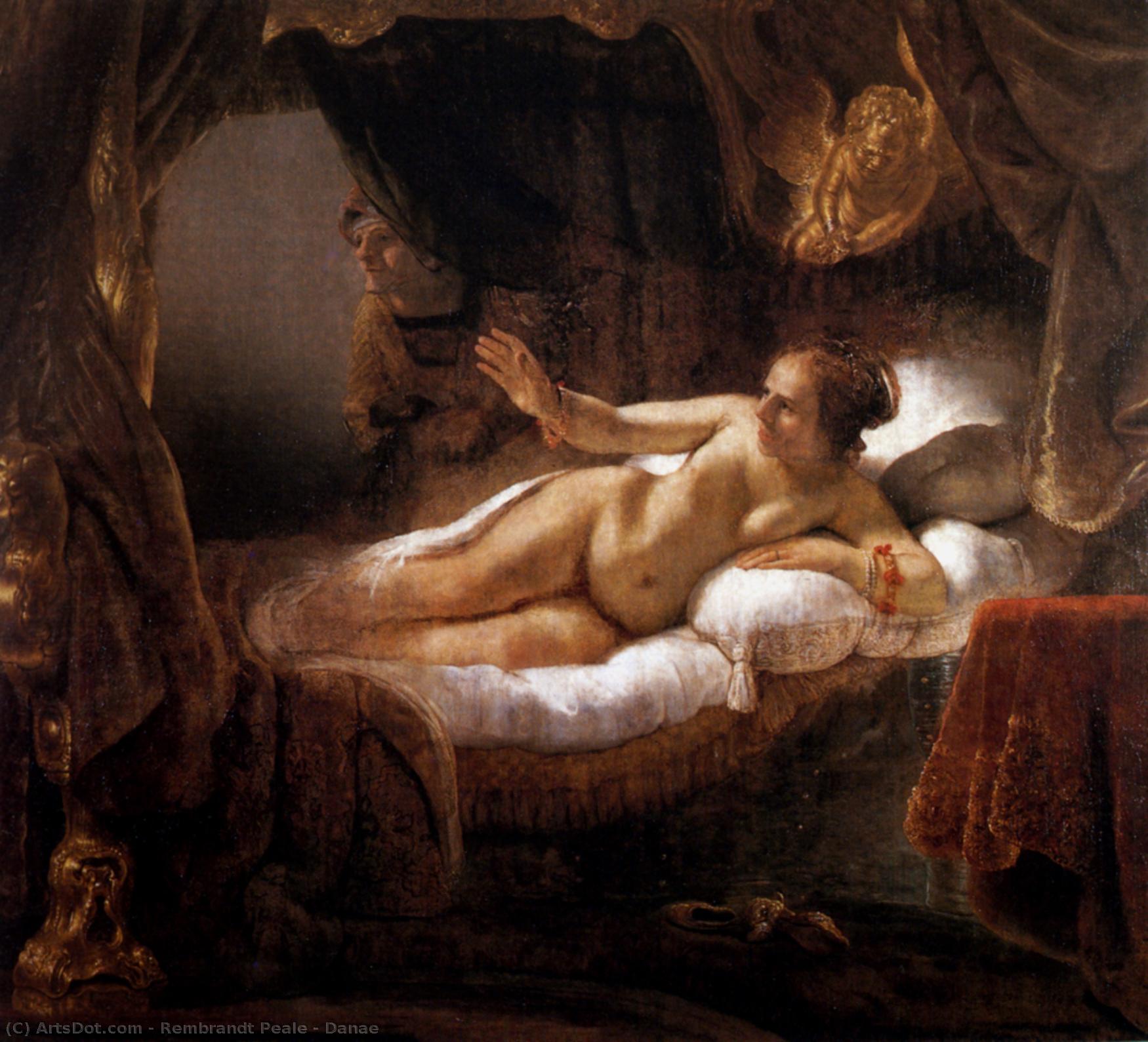
Danae (1643) di Rembrandt Peale, riproduzione di un dipinto a olio realizzato a mano da un maestro d'arte
Anteprima in scala reale Anteprima in AR Passa alle stampe Passa all'immagine digitale Invia
Dettagli opera Guida Aggiungi ai preferiti Scarica Simili Radiografia Slideshow Domande e risposte Presentation Statistiche

Danae Riproduzione di un dipinto a olio dipinto a mano

Dimensioni
203.0 x 185.0 cm

Rivoluzionaria pittura di Rembrandt Peale: Zeus che regala oro a Danae. Chiaroscuro drammatico, dettagli opulenti e mito greco in un'opera iconica del 1643.

Scopri Rembrandt Peale (1778-1860), artista neoclassico americano celebre per i ritratti di Washington e Jefferson! Esplora il suo lascito museale e le repliche dettagliate!

Riproduzione a olio fatta a mano

Olio su tela dipinto a mano nelle tue dimensioni e con la tua cornice, realizzato su ordinazione dai nostri artisti. ( Passa alle stampe Passa all'immagine digitale)

Corner sample of the P118B picture frame: polistirene stampato, 5 cm wide and 3 cm thick
P118B €10
Corner sample of the P118H picture frame: polistirene stampato, 5 cm wide and 3 cm thick
P118H €10
Corner sample of the P118W picture frame: polistirene stampato, 5 cm wide and 3 cm thick
P118W €10
Corner sample of the P438Z picture frame: polistirene stampato, 5.5 cm wide and 3.5 cm thick
P438Z €10
Corner sample of the P508JH picture frame: polistirene stampato, 7 cm wide and 3.5 cm thick
P508JH €12
Corner sample of the P508YH picture frame: polistirene stampato, 7 cm wide and 3.5 cm thick
P508YH €12
Corner sample of the P805H picture frame: polistirene stampato, 5 cm wide and 3.5 cm thick
P805H €10
Corner sample of the P805Z picture frame: polistirene stampato, 5 cm wide and 3.5 cm thick
P805Z €10
Corner sample of the P919BZ picture frame: polistirene stampato, 7 cm wide and 3.5 cm thick
P919BZ €10
Corner sample of the P919G picture frame: polistirene stampato, 7 cm wide and 3.5 cm thick
P919G €10
Corner sample of the P919XJ picture frame: polistirene stampato, 7 cm wide and 3.5 cm thick
P919XJ €10
Corner sample of the P959ZH picture frame: polistirene stampato, 5 cm wide and 3 cm thick
P959ZH €10
Corner sample of the P968JZ picture frame: polistirene stampato, 6 cm wide and 4 cm thick
P968JZ €12
Corner sample of the W106C picture frame: legno massello, 5 cm wide and 3 cm thick
W106C €8
Corner sample of the W218G picture frame: legno massello, 5 cm wide and 3 cm thick
W218G €10
Corner sample of the W218JH picture frame: legno massello, 5 cm wide and 3 cm thick
W218JH €8
Corner sample of the W218Y picture frame: legno massello, 5 cm wide and 3 cm thick
W218Y €10
Corner sample of the W307PJ picture frame: legno massello, 6 cm wide and 3 cm thick
W307PJ €10
Corner sample of the W316G picture frame: legno massello, 6 cm wide and 3 cm thick
W316G €10
Corner sample of the W316PJ picture frame: legno massello, 6 cm wide and 3 cm thick
W316PJ €8
Corner sample of the W316Y picture frame: legno massello, 6 cm wide and 3 cm thick
W316Y €10
Corner sample of the W398PJ picture frame: legno massello, 5 cm wide and 3 cm thick
W398PJ €8
Corner sample of the W4111J picture frame: legno massello, 6.5 cm wide and 3.5 cm thick
W4111J €10
Corner sample of the W500HY picture frame: legno massello, 7 cm wide and 5 cm thick
W500HY €15
Corner sample of the W500JH picture frame: legno massello, 7 cm wide and 5 cm thick
W500JH €15
Corner sample of the W692G picture frame: legno massello, 8 cm wide and 4 cm thick
W692G €12
Corner sample of the W849H picture frame: legno massello, 5 cm wide and 3 cm thick
W849H €8
Corner sample of the W940BG picture frame: legno massello, 7.5 cm wide and 4.5 cm thick
W940BG €15
Corner sample of the W953PJ picture frame: legno massello, 6 cm wide and 3.5 cm thick
W953PJ €8

Formato standard
su misura
CM
INCH

Scegli tra le nostre dimensioni predefinite, che rispettano le proporzioni originali dell'opera d'arte.

larghezza
altezza

Inserisci la larghezza e l'altezza desiderate, per adattarle alla tua cornice o alla tua parete. Trattandosi di un'opera dipinta a mano, in caso di dimensioni con un formato differente, l'artista può estendere leggermente il dipinto oltre i bordi dell'immagine o ritagliare una piccola parte — la scelta spetta a te. Ti invieremo un mockup digitale da approvare prima che la realizzazione abbia inizio. L'immagine mostrata in questa pagina non rappresenta il risultato finale — solo il mockup lo fa.

Esempi di ciò che può essere modificato: sostituire il volto con una foto del cliente; aggiungere un animale domestico (ad esempio, sostituire un gatto con un cane); inserire un messaggio nascosto nello sfondo; cambiare il paesaggio o gli elementi dello sfondo.
Dopo l'ordine, il team di WahooArt.com contatterà il cliente via e-mail per ricevere le istruzioni e fornirà un'anteprima del mockup

Consegna in tutto il mondo () in 3/4 settimane anziché nelle normali 5 settimane. (4 Novembre). Nessun compromesso sulla qualità.

Spedizione espressa gratuita in tutto il mondo
Tela in lino di alta qualità
Assicurazione completa sulla spedizione
Garanzia di rimborso dei dazi doganali
Garanzia di fedeltà cromatica assoluta
Politica di reso entro 100 giorni (solo per difetti di fabbricazione)
Garanzia di rimborso al 100%
Offerta per acquisti multipli

Prezzo totale

€ 264

Danae

Tecnica di riproduzione

Dimensioni riproduzione

-

Prezzo finale calcolato

€ 264

Informazioni rapide

  • Subject or theme: Mito greco, desiderio
  • Notable elements: Chiaroscuro, pioggia d'oro
  • Movement: Barocco
  • Dimensions: 203 x 185 cm
  • Artist: Rembrandt Peale
  • Influences:
    • Raffaello
    • David

Quiz d'arte

Per ogni domanda è presente una sola risposta corretta.

Domanda 1:
Qual è il soggetto principale del dipinto "Danae" di Rembrandt Peale?
Domanda 2:
Quale tecnica pittorica è particolarmente evidente nel dipinto, contribuendo all'atmosfera drammatica e intensa?
Domanda 3:
In che stile artistico può essere classificato il dipinto "Danae"?
Domanda 4:
Qual è il significato simbolico delle 'piogge d'oro' nel dipinto?
Domanda 5:
Quale elemento architettonico è utilizzato per creare una struttura piramidale nella composizione del dipinto, attirando l'attenzione dello spettatore verso Danae?

Danae: Unfolding a Myth of Desire and Divine Intervention

Rembrandt Peale’s “Danaë” – a monumental oil painting completed in 1643 – is far more than a mere depiction of Greek mythology; it's a dramatic exploration of desire, vulnerability, and the unsettling power of the divine. The artwork immediately captivates with its intensely dark atmosphere, dominated by a masterful use of chiaroscuro, where stark contrasts between light and shadow sculpt the scene and draw the viewer’s eye directly to the central figure: Danaë herself. Peale doesn't shy away from the raw emotion inherent in the narrative – the illicit encounter between a mortal woman and Zeus in his guise as golden rain – instead presenting it with a boldness that reflects the turbulent spirit of the Baroque period.

The composition is meticulously constructed around a pyramidal structure, elevating Danaë to an almost ethereal position. She reclines on a lavish bed, draped in sumptuous fabrics and adorned with pillows, a testament to her status as a figure of both beauty and potential consequence. The sheer curtain partially concealing her body reveals the cascade of golden rain – not a gentle blessing, but a forceful, almost overwhelming deluge representing Zeus’s intervention. This isn't a romanticized vision; it’s a scene fraught with tension and implied danger. The shadowy form of Zeus behind her is deliberately ambiguous, adding to the painting’s unsettling quality and suggesting that this union is not one of consent or harmony, but rather a forceful imposition.

A Baroque Masterpiece: Technique and Detail

Peale's technical skill is immediately apparent in the incredibly rich texture achieved through his impasto brushstrokes. Thick layers of paint build up on the drapery, creating a tactile quality that invites the viewer to almost reach out and touch the fabric. The golden rain itself isn’t rendered as a simple wash; instead, it’s built from countless tiny strokes, mimicking the shimmering effect of sunlight on water – an astonishing feat of realism for the time. The artist's attention to detail extends to every element within the scene: the intricate patterns of the textile, the subtle nuances in Danaë’s expression, and even the play of light on the architectural details of the chamber.

Furthermore, Peale employs a flattened perspective, prioritizing emotional impact over strict adherence to Renaissance realism. This choice contributes to the painting's dramatic intensity, creating a sense of immediacy and drawing the viewer directly into the heart of the narrative. The sharp lines defining the furniture and architectural elements contrast with the flowing curves of the drapery and the human form, further emphasizing the dynamic tension within the composition.

Symbolism and Historical Context

“Danaë” is steeped in symbolism, rooted deeply within Greek mythology. The golden rain isn’t simply a visual spectacle; it represents Zeus's divine gift – or perhaps his curse – bestowing upon Danaë both fertility and the potential for ruin. It speaks to themes of transgression, vulnerability, and the unpredictable nature of fate. The painting emerged during a period of intense religious and political upheaval in Europe, mirroring the anxieties and uncertainties of the time.

It’s crucial to consider Rembrandt Peale's place within the broader artistic landscape. He was part of a vibrant American art scene fueled by European influences, particularly the Baroque style prevalent in Italy and the Netherlands. His work reflects this influence while simultaneously forging a distinctly American identity. The painting is a testament to his skill as a portraitist and his ability to translate complex mythological narratives into compelling visual form. The Peale Museum in Baltimore, where this masterpiece resides, offers invaluable insight into the artist’s life and legacy, showcasing his dedication to both art and education.

A Timeless Vision: Reproduction Possibilities

WahooArt is proud to offer meticulously crafted hand-painted reproductions of “Danaë,” allowing you to bring this iconic artwork into your home or office. Our skilled artisans replicate Peale’s masterful technique, capturing the drama, emotion, and exquisite detail of the original painting with unparalleled accuracy. Whether you're an art enthusiast, a collector, or simply seeking a stunning piece of décor, our reproductions provide a beautiful and authentic way to experience the power and enduring appeal of “Danaë.” Explore our range of sizes and canvas options to find the perfect representation for your space – a timeless reminder of myth, desire, and the captivating artistry of Rembrandt Peale.

Domande e risposte

Quando è stata creata "Danae" e a quale movimento appartiene?

"Danae" di Rembrandt Peale risale al 1643 e appartiene al Baroque Painting.

Il soggetto di "Danae" è coerente con i temi abituali di Rembrandt Peale?

"Danae" raffigura mythology, danaë, zeus, goldenrain, baroque, nudity, chiaroscuro, luxury, mentre i temi ricorrenti di Rembrandt Peale sono baroque drama, greek mythology, divine intervention, american identity, legacy art. Il confronto tra i due evidenzia come l'opera si relazioni con i soggetti abituali dell'artista.

Qual è la luminosità di "Danae" di Rembrandt Peale?

La luminanza rilevata per "Danae" di Rembrandt Peale è Scuro.


Biografia dell'artista

Primi anni e formazione

Rembrandt Peale, artista e curatore di musei americano, nacque il 22 febbraio 1778 nella contea di Bucks, in Pennsylvania. Era il terzo di sei figli sopravvissuti dei suoi genitori, Rachel Brewer e Charles Willson Peale, un noto artista. Il nome di Rembrandt fu ispirato dal pittore e incisore olandese del XVII secolo, Rembrandt Harmenszoon van Rijn. Suo padre insegnò a tutti i suoi figli a dipingere paesaggi e ritratti e istruì Rembrandt nelle arti e nelle scienze.

Carriera artistica

Lo stile di Peale fu influenzato dal neoclassicismo francese dopo un soggiorno a Parigi nella sua prima età adulta. Iniziò a disegnare all'età di 8 anni e completò il suo primo autoritratto all'età di 13 anni, mostrando la sua precoce padronanza. La carriera prolifica di Peale comprendeva oltre 70 repliche dettagliate, tra cui ritratti dei presidenti George Washington e Thomas Jefferson.

Museo e eredità

Peale lanciò il suo primo museo a Baltimora, nel Maryland, il 15 agosto 1814, che in seguito servì come seconda sede del municipio di Baltimora e fu infine restaurato come Peale Museum. La sua eredità continua ad essere celebrata attraverso i suoi numerosi ritratti, ora parte di varie collezioni museali, tra cui la National Portrait Gallery (Washington, Stati Uniti).

Influenze e sviluppo artistico

L'opera di Rembrandt Peale fu influenzata da diversi fattori. L’educazione ricevuta dal padre, Charles Willson Peale, gli fornì una solida base nell'arte e nella scienza. Il suo soggiorno a Parigi lo espose al neoclassicismo francese, che ebbe un impatto significativo sul suo stile. Inoltre, i suoi viaggi in Europa e lo studio dei maestri del Rinascimento e del Barocco contribuirono alla sua crescita artistica. Peale si concentrò sulla creazione di ritratti accurati e dettagliati, cercando di catturare la somiglianza fisica e la personalità dei suoi soggetti.

Significato storico

Rembrandt Peale è ricordato per i suoi numerosi ritratti di figure importanti dell'epoca, tra cui George Washington e Thomas Jefferson. Le sue opere forniscono preziose testimonianze visive della storia americana e contribuiscono alla nostra comprensione del periodo. Inoltre, il suo ruolo come fondatore del Peale Museum a Baltimora ha contribuito allo sviluppo culturale ed educativo della città. Il museo divenne un importante centro di apprendimento e intrattenimento per la comunità locale.
Rembrandt Peale

Rembrandt Peale

1778 - 1860 , Stati Uniti d'America

Dettagli rapidi

  • Artisti Influenti:
    • Charles Willson Peale
    • Benjamin West
    • Gilbert Stuart
  • Data Di Nascita: 22 febbraio 1778
  • Luogo Di Nascita: Bucks County, USA
  • Movimento Artistico: Neoclassicismo
  • Nazionalità: Americana
  • Nome Completo: Rembrandt Peale
  • Opere Notevoli:
    • George Washington (porthole type)
    • Man with a Beard
    • Portrait of the Rev. John Pierpont
Esplora le opere d'arte organizzate per temi, stili e caratteristiche.



































