Anteprima in scala reale Anteprima in AR Passa alle stampe Acquista il dipinto realizzato a mano Invia
Dettagli opera Guida Aggiungi ai preferiti Scarica Simili Radiografia Slideshow Q&A Statistiche

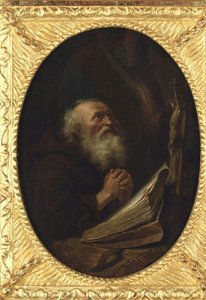
Saint Peter

A dramatic 1650 portrait of Saint Peter by Pietro Ricchi captures the saint with intense spatial projection and a weathered face, offering a profound glimpse into Baroque devotion that you can bring to your collection.

Explore the captivating works of Pietro Ricchi – Venetian painter known for religious scenes, biblical narratives & classical figures. Discover his art in Venice & Rome!

Ottieni un file pronto per la stampa che supera di gran lunga l'anteprima web. Ogni immagine digitale in vendita proviene da un master ad alta risoluzione del nostro database — solitamente con una larghezza compresa tra 5.000 e 15.000 pixel — permettendoti di stampare in grande formato, ritagliare con precisione o riprodurre dettagli minuziosi in totale sicurezza.

Nessun file lascia il nostro studio senza essere stato elaborato. Un esperto digitale verifica la corrispondenza dei colori con il dipinto originale e li corregge se necessario, per poi migliorarne la nitidezza e i dettagli attraverso strumenti di fotoritocco professionale — mantenendo sempre fedeltà alla pennellata e allo stile dell'artista. Il risultato è un'immagine che appare come il dipinto stesso, e non come una scansione filtrata.

L'approvazione avviene prima della conclusione dell'ordine: il nostro esperto invierà l'immagine via e-mail entro 72 ore per la tua revisione. Non sei soddisfatto? Puoi richiedere modifiche o correzioni, oppure un rimborso qualora la qualità non dovesse soddisfare le tue aspettative.

Questa è la qualità su cui fanno affidamento editori, studi di design, gallerie e stamperie.

Immagine Digitale

Scarica un file ad alta risoluzione per uso personale, per la stampa e per progetti creativi. ( Passa alle stampe Acquista il dipinto realizzato a mano)

Prezzo totale

€ 21,95

Incluso in ogni ordine di immagini digitali

Consegna digitale professionale e garantita

Quando scegli WahooArt.com, non riceverai solo un'immagine: riceverai un'opera d'arte digitale professionalmente ottimizzata, realizzata con la massima precisione e accompagnata da una garanzia di soddisfazione. Ecco tutto ciò che include il tuo ordine, automaticamente:

Consegna rapida via email

Riceverai il file dell'immagine digitale ad alta risoluzione via email entro 72 ore dall'ordine, pronto per un uso immediato.

File digitale ottimizzato dall'IA

La tua opera d'arte viene ottimizzata professionalmente attraverso l'uso di strumenti avanzati di intelligenza artificiale e una revisione manuale, garantendo il massimo livello di dettaglio, nitidezza e accuratezza cromatica.

Riconsegna gratuita a vita

Hai eliminato o perso accidentalmente il tuo file? Non preoccuparti: te lo invieremo di nuovo in qualsiasi momento, gratuitamente.

Nessun costo di importazione, mai

Goditi la tua opera d'arte istantaneamente senza costi doganali, dazi o spese di spedizione: i download digitali sono sempre esenti da tasse.

Garanzia di fedeltà cromatica

Garantiamo che la tua immagine digitale rifletta i colori originali con la massima fedeltà, grazie all'uso di strumenti professionali e a una gestione accurata del colore.

Garanzia soddisfatti o rimborsati 100 giorni

Se non sei soddisfatto della tua immagine digitale, la revisioneremo o ti rimborseremo il 100% entro 100 giorni, senza domande.

Garanzia di rimborso al 100%

Non sei soddisfatto? Ricevi un rimborso completo entro 100 giorni dal ricevimento del tuo file digitale, senza dover fornire spiegazioni.

Sconti per ordini multipli

Acquista 3 immagini, risparmia il 10% - Acquista 5, risparmia il 15% - Acquista 10+, risparmia il 20%. Ideale per progetti creativi, gallerie e agenzie.

Informazioni rapide

  • Artist: Pietro Ricchi
  • Title: Saint Peter
  • Artistic style: Baroque and Renaissance traditions
The painting represents Saint Peter half-length with his face turned to the right and the key in his hand. The usual expedient of spatial projection is applied to the image, which dilates the hands and heads in the foreground, overwhelming the entire visual field with them. On the back the panel bears a curious late-18th century

Domande e risposte

Da dove provengono i visitatori di "Saint Peter" di Pietro Ricchi?

La pagina Statistiche di "Saint Peter" di Pietro Ricchi presenta le statistiche delle visite pubbliche: il numero di visite mensili di quest'opera, un confronto con le opere dell'artista più visualizzate e la provenienza dei visitatori.

Che intensità cromatica ha "Saint Peter" di Pietro Ricchi?

L'intensità cromatica di "Saint Peter" è Balanced. L'intensità indica quanto i colori appaiano vividi.

In che anno è stata realizzata "Saint Peter"?

"Saint Peter" risale al 1650. Questa data colloca l'opera all'interno della carriera di Pietro Ricchi e del suo periodo storico.


Biografia dell'artista

A Brush with Devotion: The Life and Art of Pietro Ricchi

Pietro Ricchi, a name resonating within the artistic heart of Venice and Rome, embodies a fascinating continuation of the Italian Renaissance tradition well into the 17th and 18th centuries. While biographical details remain somewhat elusive – a common trait for artists operating within the prolific workshops and patronage networks of the period – his surviving works speak volumes about his dedication to religious narrative, masterful technique, and a keen understanding of classical form. Ricchi wasn’t merely replicating styles; he was actively participating in a vibrant artistic dialogue that sought to reinvigorate sacred themes with dramatic intensity and emotional depth. His career unfolded during a time when the Baroque had begun its ascendance, yet his paintings reveal a deliberate balance between the dynamism of the new style and the enduring principles of Renaissance composition and idealized beauty.

Early Training and Venetian Roots

Born in Venice (the exact year remains unconfirmed), Ricchi’s artistic journey likely began within one of the city's numerous ateliers. Venice, a republic steeped in visual splendor, provided an unparalleled education for aspiring painters. The influence of masters like Titian, Veronese, and Tintoretto was inescapable – their use of color, light, and grand scale permeated the artistic atmosphere. It’s reasonable to assume Ricchi received training in drawing, anatomy, and fresco techniques, skills essential for a painter destined to adorn both canvases and ceilings with elaborate compositions. The lagoon city's unique environment also shaped his aesthetic sensibility; the interplay of water, light, and architecture likely informed his spatial arrangements and atmospheric effects. While specific mentors are undocumented, it’s clear that Ricchi absorbed the Venetian tradition of rich colorism and dramatic storytelling. His early works demonstrate a proficiency in depicting textures – silks, velvets, and flesh tones rendered with remarkable realism – hallmarks of the Venetian school.

Roman Commissions and Artistic Development

Ricchi's artistic trajectory took him to Rome, a pivotal move that broadened his horizons and exposed him to a different set of influences. The Eternal City was a magnet for artists from across Europe, drawn by the patronage of powerful families like the Barberini and the Farnese. Here, he encountered the works of Caravaggio and the High Baroque masters, witnessing firsthand the power of *tenebrism* – the dramatic use of light and shadow to create emotional impact. However, Ricchi didn’t simply adopt these new techniques wholesale. Instead, he synthesized them with his Venetian background, creating a distinctive style characterized by a harmonious blend of classical composure and Baroque dynamism. His Roman commissions often focused on religious subjects, particularly scenes from the lives of saints and biblical narratives. Paintings like those depicting Saint Paul showcase his ability to convey both physical action and spiritual fervor. The attention to detail in portraying architectural settings also suggests an engagement with the city’s rich historical landscape.

Themes and Techniques: A Synthesis of Tradition and Innovation

The core of Ricchi's artistic output lies in religious painting, specifically depictions of biblical stories and the lives of saints. He frequently chose subjects that allowed him to explore themes of faith, sacrifice, and divine intervention. His *Judith Painting* exemplifies his skill in portraying complex psychological states – Judith’s determination juxtaposed with Holofernes’ vulnerability. Beyond individual portraits of piety, Ricchi also undertook larger-scale projects, decorating churches and chapels with elaborate frescoes and altarpieces. A notable example is his work within the Basilica di San Pietro in Rome, where he contributed to the ongoing embellishment of this iconic structure. His technique reveals a meticulous approach to composition, often employing diagonal lines to create a sense of movement and drama. He was also adept at using color to guide the viewer’s eye and emphasize key elements within his paintings. The *Morra Players Art* demonstrates his ability to capture fleeting moments of tension and anticipation. Ricchi's engagement with classical sculpture – particularly Michelangelo’s work, as evidenced in studies after *Moses* – is apparent in the anatomical accuracy and idealized forms of his figures.

Historical Significance and Enduring Legacy

Pietro Ricchi occupies a unique position within the history of Italian art. He wasn't a revolutionary innovator like Caravaggio, but rather a skilled practitioner who successfully bridged the gap between Renaissance ideals and Baroque sensibilities. His work reflects a conscious effort to uphold artistic traditions while embracing new stylistic developments. While not as widely celebrated as some of his contemporaries, Ricchi’s paintings continue to captivate viewers with their technical brilliance, emotional depth, and compelling narratives. His contributions to the decoration of significant religious sites – particularly in Venice and Rome – ensure that his legacy endures. He represents a vital link in the chain of artistic transmission, demonstrating how Renaissance principles were adapted and reinterpreted by subsequent generations of painters. The continued appreciation for his art speaks to the timeless power of devotional imagery and the enduring appeal of masterful craftsmanship.