Biografia dell'artista
Un’Eredità Forgiata nella Pietra: La Vita e l'Arte di Pierre-Jean David d’Angers
Nato ad Angers, in Francia, nel 1789, Pierre-Jean David iniziò il suo percorso artistico immerso nel fervore repubblicano che avrebbe definito gran parte della sua vita e del suo lavoro. Inizialmente apprendista di un falegname – suo padre – giovane David dimostrò rapidamente un’attitudine per la scultura che lo spinse verso ambizioni più grandi. Arrivò a Parigi nel 1808, una città vibrante di tradizione classica e spirito rivoluzionario, alla ricerca di tutela da Philippe-Laurent Roland all'École des Beaux-Arts. Questo periodo fu formativo, radici in principi neoclassici pur esponendolo contemporaneamente al fervente movimento romantico. Un momento cruciale si verificò nel 1809 quando entrò nello studio di Jacques-Louis David, adottando il nome “David d’Angers” non solo come designazione professionale ma come affermazione cosciente di lignaggio e ambizione artistica – una distinzione dal suo celebrato maestro. Questa adozione segnava un desiderio di forgiare la propria strada pur riconoscendo l'influenza profonda del pittore più in voga dell’epoca. Le prime difficoltà marcarono i suoi anni parigini, tuttavia perseverò, ottenendo riconoscimento con opere come “Othryades” nel 1810 e assicurandosi infine il prestigioso Prix de Rome nel 1811 per la sua scultura "Epaminondas".
Dalla Reverie Romana al Maestria Neoclassica
Gli anni di David d’Angers trascorsi a Roma, dal 1811 al 1816, si rivelarono trasformativi. Immerso nel mondo dell'antichità classica e sotto l'influenza di maestri come Antonio Canova, la sua visione artistica maturò. Assorbì gli ideali della scultura greca – l’enfasi sulla forma idealizzata, il racconto eroico ed il controllo emotivo – pur iniziando a infondere questi principi con una sensibilità profondamente personale. Questo periodo non fu solo uno studio accademico; fu anche un risveglio politico. La restaurazione della monarchia borbonica in Francia proiettò un'ombra sui suoi ritorno, provocando una breve sosta in Inghilterra dove incontrò Barone Rothschild, e successivamente si recò a Londra per studiare le opere di Canova. Tornato a Parigi, tuttavia, il suo talento trovò rapidamente favore. Diventò rinomato per i suoi medaglioni ritrattistici – rappresentazioni psicologicamente astute e dettagliatamente accurate di figure eminenti – così come sculture monumentali che celebravano la virtù civica e gli eroi nazionali. Il suo lavoro sul Arco di Trionfo e sul Louvre dimostrò una precoce maestria nei progetti su larga scala, consolidando la sua posizione come scultore capace di affrontare commissioni ambiziose.
Uno Scultore di Eroi e Ideali
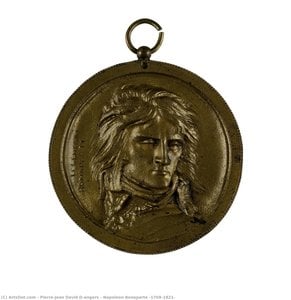
L'output artistico di David d’Angers fu straordinariamente diversificato, comprendendo statue, bassorilievi, tombe e, soprattutto, medaglioni ritrattistici. Possedeva un’eccezionale capacità di catturare non solo la somiglianza fisica ma anche il carattere interiore dei suoi soggetti. I suoi ritratti non erano semplici rappresentazioni; erano interpretazioni – impregnate di dignità, intelligenza e forza morale. Tra le sue opere più celebrate figurano “Wounded Philopoemen”, ospitata al Louvre, una toccante rappresentazione del destino tragico del generale greco, e “La Douleur”, che dimostra la sua maestria nell'espressione emotiva. Tuttavia, le sue commissioni monumentali hanno cementato veramente la sua reputazione. Il pedimento della Panthéon di Parigi rappresenta forse il suo più significativo successo – una rappresentazione allegorica ampia di patriottismo e patrimonio intellettuale francese. Altre opere importanti includono il monumento a Gutenberg a Strasburgo e la statua equestre del generale Jacques-Nicolas Gobert al Cimitero Père Lachaise, entrambi testamenti alla sua abilità nel comunicare potenza e dinamismo attraverso la forma scolpita. Creò anche un ritratto di Lafayette per il Congresso degli Stati Uniti, simbolo dell'amicizia franco-americana.
Un’Influenza Duratura: Eredità e Significato Storico
Pierre-Jean David d’Angers non fu solo uno scultore; fu un prodotto del suo tempo – testimone della rivoluzione, dell'impero e della restaurazione. La sua arte riflette le correnti politiche e intellettuali che hanno plasmato la Francia del XIX secolo. Abbracciò gli ideali repubblicani, celebrando figure che incarnavano coraggio, integrità e dedizione al servizio pubblico. Pur essendo saldamente radicato nella tradizione neoclassica, il suo lavoro anticipa anche l'emergere del Romanticismo, con la sua enfasi sull’intensità emotiva e sul racconto drammatico. La sua influenza si estese oltre il regno della scultura, ispirando generazioni di artisti e plasmando il paesaggio visivo della Francia. Oggi, le sue opere sono esposte in importanti musei in tutto il mondo, tra cui il Walters Art Museum a Baltimora e il Metropolitan Museum of Art a New York. Il Musée David ad Angers funge da deposito dedicato alla sua arte, preservando la sua eredità per le generazioni future. David d’Angers rimane una figura affascinante – uno scultore che non solo ha catturato i ritratti degli eroi ma ha incarnato lo spirito di un'epoca. La sua capacità di fondere la forma classica con l'espressione romantica continua a risuonare nel pubblico odierno, consolidando il suo posto come uno dei più importanti e duraturi artisti della Francia.



 Ordina la riproduzione dipinta a mano
 Condividi
 Condividi
 Dettagli
 Guida
Guida

 Scarica
 Articoli simili
 Slideshow
 Statistiche


 Leggi tutto






































 L'opzione vetro è disponibile solo per dimensioni inferiori a 110 cm