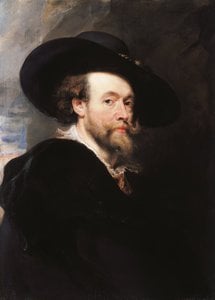
A Life Forged in Baroque Splendor
Sir Peter Paul Rubens, un nome che risuona con l'essenza stessa della dinamicità barocca, fu molto più di un semplice pittore. Fu un diplomatico, uno studioso e un architetto culturale che ha rimodellato profondamente il paesaggio artistico del XVII secolo in Europa. Nato a Siegen, in Germania, nel 1577, la sua giovinezza fu segnata da una profonda instabilità – un'esperienza formativa che avrebbe sottilmente permeato i suoi lavori successivi con un senso di dramma e profondità emotiva. Suo padre, Jan Rubens, un avvocato in fuga dalla persecuzione religiosa per le sue convinzioni calviniste, trasferì la famiglia da Anversa, allora sotto il dominio spagnolo. Questo esilio iniziale instillò in giovane Peter Paul un senso di resilienza e adattabilità, qualità che lo avrebbero servito bene nel corso della sua multiforme carriera. Dopo la morte del padre nel 1587, la famiglia tornò ad Anversa, dove ricevette una formazione umanistica prima di intraprendere la sua formazione artistica intorno al 1590, diventando apprendista di Tobias Verhaecht e Adam van Noort, affinando competenze fondamentali in disegno e tecniche pittoriche. Tuttavia, il suo tempo con Otto van Veen si rivelò fondamentale, esponendolo all'eredità ricca dell'arte rinascimentale italiana – un mondo che avrebbe presto abbracciato con entusiasmo.
L’Awakening Italiano e la Sintesi Artistica
Nel 1600, Rubens intraprese un viaggio trasformativo in Italia, un pellegrinaggio che ha irrevocabilmente plasmato la sua visione artistica. Per otto anni, si immerse nelle opere dei maestri Michelangelo, Raffaello e Tiziano, assorbendo la loro padronanza della forma, del colore e della composizione. L'influenza di questi giganti rinascimentali è immediatamente evidente nei suoi primi lavori italiani, caratterizzati da temi classici e figure idealizzate. Tuttavia, Rubens non si limitò a imitare; sintetizzò queste influenze con il suo talento innato, sviluppando uno stile distintivo caratterizzato da tonalità vibranti, composizioni dinamiche e una rappresentazione sensuale della forma umana. Studiò l'anatomia meticolosamente, ottenendo figure che possedevano sia realismo fisico che potenza emotiva – corpi robusti intrisi di vita e movimento. Questo periodo non fu solo un'evoluzione artistica; fu anche una profonda presa di coscienza intellettuale, favorendo un apprezzamento per la mitologia classica e la letteratura che sarebbero diventate temi ricorrenti nel suo opere. Dopo aver consolidato le sue basi a Roma, Rubens tornò ad Anversa nel 1608, dove rapidamente si affermò come il principale artista del suo tempo, ricevendo un'ondata di commissioni che testimoniavano la sua crescente reputazione e consolidavano la sua posizione all'avanguardia dell'arte fiamminga.
Un Maestro di Molte Forme: Pittura Oltre i Confini
La produzione artistica di Rubens fu straordinariamente diversificata e prolifica. Non si limitò a un singolo genere; invece, eccelleva in dipinti storici, scene mitologiche, ritratti, paesaggi e opere religiose – una testimonianza della sua versatilità e del suo infinito ingegno creativo. I suoi dipinti su larga scala, spesso destinati a chiese, palazzi e spazi pubblici, erano spettacolari manifestazioni di virtuosismo tecnico e narrazione drammatica.
La Discesa dalla Croce (c. 1616-1617) esemplifica il suo maestria nell'uso della luce e dell'ombra per creare una scena di profonda intensità emotiva, coinvolgendo lo spettatore nel cuore del racconto.
L’Ascensione della Croce (1610-1611), con le sue figure vorticose e la composizione dinamica, mette in mostra la sua capacità di esprimere movimento ed energia – un marchio distintivo del suo stile barocco. Anche nei soggetti apparentemente statici come
Il Giudizio di Paride (c. 1636), Rubens infuse un senso di vita e vitalità attraverso la sua tavolozza di colori vibranti e la rappresentazione sensuale della forma umana. La sua tecnica era altrettanto notevole – una padronanza magistrale della pittura a olio, che impiegava l'impasto per creare texture e profondità, insieme a delicate tecniche di velatura per ottenere effetti luminosi. Spesso incorporò figure allegoriche e simbolismo, stratificando narrazioni con significati complessi che invitavano alla contemplazione e all'interpretazione.
Diplomazia, Eredità e Influenza Duratura
L’influenza di Rubens si estese ben oltre il regno dell’arte. Le sue capacità diplomatiche erano molto richieste dai Paesi Bassi meridionali (moderna Belgio) e intraprese numerose missioni in Inghilterra, Francia e Spagna, negoziando trattati e promuovendo alleanze politiche – un ruolo unico che gli fornì una prospettiva sfumata sugli affari europei e aumentò ulteriormente la sua reputazione come uomo di intelligenza e influenza. Nel 1630, si trasferì nella sua tenuta di campagna, il Château de Steen, e sposò la giovane Hélène Fourment, sua nipote e frequente soggetto dei suoi dipinti – la sua giovinezza incarnata in molti dei suoi lavori successivi. Continuò a dipingere prolificamente fino alla sua morte ad Anversa nel 1640, lasciando un’eredità immensa che continua a ispirare ammirazione e stupore. Il suo impatto sulle generazioni successive di artisti è immenso; pittori come Anthony van Dyck, Jacob Jordaens ed Eugène Delacroix hanno tratto ispirazione dal suo stile dinamico, dai suoi colori vibranti e dalle sue figure sensuali. Rubens non ha solo definito lo stile barocco – ha elevato la pittura a un nuovo livello di prestigio e influenza, consolidando Anversa come un importante centro di produzione artistica nel XVII secolo. Rimane, secoli dopo, una figura imponente nella storia dell’arte, un testamento al potere della creatività umana e all'affascinante fascino dello splendore barocco.
Caratteristiche Chiave dello Stile di Rubens
- Composizione Dinamica: I dipinti di Rubens sono noti per le loro composizioni energiche e drammatiche di figure.
- Tonalità Vibranti: Ha impiegato una tavolozza di colori ricca e calda che ha dato vita alle sue tele.
- Figure Sensuali: Le sue rappresentazioni della forma umana erano caratterizzate da pienezza, vitalità e spesso, sensualità esplicita.
- Maestria nell'Uso della Luce e dell'Ombra: Rubens ha sapientemente manipolato la luce e l'ombra per creare profondità, dramma e impatto emotivo.
- Simbolismo Allegorico: I suoi lavori incorporavano spesso figure allegoriche e simbolismo, aggiungendo strati di significato e complessità.



 Anteprima in scala reale
 Ordina la riproduzione dipinta a mano
 Condividi
 Condividi
 Dettagli

 Scarica
 Articoli simili
 Radiografia
 Slideshow
 Statistiche


 Leggi tutto






































 L'opzione vetro è disponibile solo per dimensioni inferiori a 110 cm