Primi anni e formazione
Paul Sérusier, nato Louis-Paul-Henri Sérusier il 9 novembre 1864 a Parigi, intraprese un percorso artistico che lo avrebbe portato a pioniere dell'arte astratta e a ispirare il movimento d’avanguardia dei Nabi, il sintetismo e il cloisonnismo. Studiò all'Académie Julian, dove divenne monitor negli anni '80 dell'Ottocento.
Carriera Artistica
Nell'estate del 1888, Sérusier si recò a Pont-Aven, dove si unì a un piccolo gruppo di artisti incentrato attorno a Paul Gauguin. Sotto la stretta supervisione di Gauguin, dipinse "Il Talismano", un esercizio estremo nel cloisonnismo che si avvicinava alla pura astrazione. Quest'opera presentò il suo stile innovativo e la sua volontà di sperimentare nuove tecniche. Come pittore post-impressionista, Sérusier faceva parte del gruppo Les Nabis, insieme a Pierre Bonnard, Édouard Vuillard e Maurice Denis. Sebbene non sia ampiamente riconosciuto come alcuni dei suoi pari, i contributi di Sérusier allo sviluppo dell'arte astratta sono innegabili.
Opere Principali e Eredità
Tra le opere più significative di Sérusier si annoverano:
- L’Averse (1893), Musée d'Orsay, Parigi
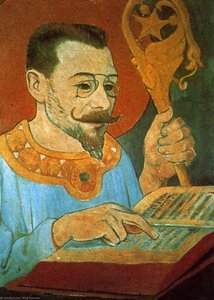
- Ritratto di Paul Ranson (1890), Musée d'Orsay, Parigi
- Melanconia (1890)
- I mangiatori di serpenti (1894), Muzeum Narodowe, Varsavia
Gli ultimi anni di Sérusier furono segnati dall’insegnamento all'Académie Ranson e dalla pubblicazione del suo libro "abc de la peinture" nel 1921. Morì il 7 ottobre 1927 a Morlaix.
Influenze e Movimenti Artistici
Il lavoro di Sérusier fu influenzato dal cloisonnismo, uno stile caratterizzato da forme audaci e piatte separate da contorni scuri. Questo movimento, emerso alla fine del XIX secolo, ha svolto un ruolo significativo nella formazione dello sviluppo dell'arte moderna. Sérusier si è anche ispirato alle teorie di Gauguin sul sintetismo, che incoraggiavano gli artisti a semplificare la natura e ad esprimere le proprie emozioni attraverso colori audaci e forme stilizzate. Il suo coinvolgimento con i Nabi ha portato alla sperimentazione con simbolismo, decorazione e una ricerca di armonia tra arte e vita.
Sviluppo Artistico e Significato Storico
L'evoluzione artistica di Sérusier può essere tracciata attraverso la sua transizione da un approccio più realista a uno sempre più astratto. "Il Talismano" segna un punto cruciale in questa evoluzione, dimostrando il suo impegno per una rappresentazione non oggettiva della realtà e aprendo la strada all'arte astratta. Il suo ruolo come leader dei Nabi ha contribuito alla diffusione di nuove idee artistiche e ha influenzato generazioni successive di artisti. La sua enfasi sull’espressione personale e sulla sintesi tra arte, natura e spiritualità lo rende una figura chiave nella storia dell'arte moderna.



 Anteprima in scala reale
 Acquista il dipinto realizzato a mano
 Invia
Invia Condividi
 Dettagli opera
 Guida
Guida

 Scarica
 Simili
 Radiografia
 Slideshow
 Statistiche


 Espandi i dettagli






































 L'opzione vetro è disponibile solo per dimensioni inferiori a 110 cm