Anteprima in scala reale Prova in AR Ordina la riproduzione dipinta a mano Passa all'immagine digitale Condividi
Dettagli Guida Aggiungi ai preferiti Scarica Articoli simili Radiografia Slideshow Statistiche

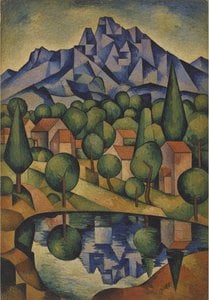
Pine Tree in the Arc Valley

Experience Paul Cézanne's "Pine Tree in the Arc Valley" (1885). This iconic watercolor captures Provençal beauty with innovative brushstrokes, bridging Impressionism and Cubism. A masterpiece of modern art.

Esplora l'arte rivoluzionaria di Paul Cézanne (1839-1906), un maestro del Post-Impressionismo che ha colmato il divario tra Impressionismo e Cubismo. Scopri le sue forme geometriche, pennellate uniche, dipinti di natura morta e il suo impatto duraturo sull'arte moderna. #Cézanne #PostImpresionismo

Giclée / Stampe d'arte

Stampa giclée o su tela di qualità museale, con produzione rapida e diverse opzioni di finitura. ( Ordina la riproduzione dipinta a mano Passa all'immagine digitale)

P118B $10
P118H $10
P118W $10
P438Z $10
P508JH $12
P508YH $12
P805H $10
P805Z $10
P919BZ $10
P919G $10
P919XJ $10
P959ZH $10
P968JZ $12
W106C $8
W218G $10
W218JH $8
W218Y $10
W307PJ $10
W316G $10
W316PJ $8
W316Y $10
W398PJ $8
W4111J $10
W500HY $15
W500JH $15
W692G $12
W849H $8
W940BG $15
W953PJ $8

Standard
personalizzato
CM
INCH

Scegli tra le nostre dimensioni predefinite, che rispettano le proporzioni originali dell'opera d'arte.

larghezza
altezza

È possibile inserire dimensioni personalizzate per adattare l'opera a una cornice o a uno spazio specifico. Se la dimensione selezionata non corrisponde alle proporzioni dell'immagine originale, procederemo al ritaglio dell'opera o all'estensione dell'immagine con un bordo specchiato o a tinta unita. Un mockup digitale ti verrà inviato per approvazione prima dell'inizio della produzione.
Si prega di notare che l'anteprima a schermo non riflette il ritaglio o l'estensione effettivi. Solo il mockup mostrerà accuratamente la composizione finale.
Sebbene siano disponibili dimensioni personalizzate, si raccomanda di selezionare una dimensione dall'elenco predefinito per preservare le proporzioni originali.

Consegna in tutto il mondo () in 2 settimane invece delle normali 4/5 settimane. (24 Settembre)

why_choose_icon
Spedizione espressa gratuita in tutto il mondo
why_choose_icon
Tela in lino di alta qualità
why_choose_icon
Assicurazione completa sulla spedizione
why_choose_icon
Garanzia di rimborso dei dazi doganali
why_choose_icon
Garanzia di perfetta fedeltà cromatica
why_choose_icon
Politica di reso entro 100 giorni (solo per difetti di fabbricazione)
why_choose_icon
Garanzia di rimborso al 100%
why_choose_icon
Sconto per acquisti multipli

Prezzo totale

$ 68

reproduction

Pine Tree in the Arc Valley

Giclée / Stampe d'arte

Dimensioni della riproduzione

-

Prezzo totale

$ 68

Dettagli rapidi

  • Location: Albertina, Vienna
  • Title: Pine Tree in the Arc Valley
  • Artist: Paul Cézanne
  • Influences: Cézanne
  • Artistic style: Landscapes
  • Notable elements: Loose brushstrokes
  • Subject or theme: Nature scene

Quiz d'arte

Per ogni domanda è presente una sola risposta corretta.

Domanda 1:
What is the primary subject of Paul Cézanne’s "Pine Tree in the Arc Valley"?
Domanda 2:
In what year was "Pine Tree in the Arc Valley" painted?
Domanda 3:
The painting utilizes which technique to create a sense of depth and form?
Domanda 4:
The Arc Valley depicted in the painting is located in which region?
Domanda 5:
Considering Cézanne’s artistic development, what movement does "Pine Tree in the Arc Valley" most closely align with?

The Serene Majesty of “Pine Tree in the Arc Valley”

Paul Cézanne’s “Pine Tree in the Arc Valley,” painted around 1885, isn't merely a depiction of a landscape; it’s a profound meditation on perception and the very nature of seeing. This watercolor masterpiece, now housed within the Albertina Museum in Vienna, captures a pivotal moment in Cézanne’s artistic evolution – a shift away from the fleeting impressions of Impressionism towards a more structured, geometric approach that would profoundly influence the course of modern art. The scene unfolds in the Arc Valley of southwestern France, a region Cézanne frequently revisited and imbued with an almost obsessive fascination. It's a place he sought to distill into its essential forms, a challenge reflected in the painting’s deliberate simplification and layering of color. The composition isn’t about photographic realism; instead, it’s an exploration of how the eye *interprets* reality – a core tenet of Cézanne’s revolutionary vision.

A Revolutionary Technique: Breaking with Tradition

Cézanne's technique in “Pine Tree in the Arc Valley” is instantly recognizable and deliberately unconventional for its time. He abandons traditional perspective, flattening space and suggesting depth through the manipulation of color and form rather than linear recession. The tree itself isn’t rendered as a single, unified shape; it’s built up from countless small, overlapping brushstrokes – a technique he termed “alla prima,” meaning “at first go.” These strokes aren't blended smoothly; they retain their individual texture and direction, creating a vibrant, almost mosaic-like surface. The background landscape is treated similarly, with washes of color applied in broad, gestural strokes that evoke the atmosphere and light of the valley without attempting to accurately represent its contours. Notice how Cézanne uses complementary colors – blues and oranges, greens and reds – not to create harmonious blends, but to heighten contrast and intensify the visual impact of each element. This deliberate disruption of conventional painting methods was a radical statement, signaling a move away from mimicking nature and towards expressing an artist’s subjective experience of it.

Symbolism in the Natural World

Beyond its technical innovations, “Pine Tree in the Arc Valley” is rich with symbolic meaning. The pine tree itself has long been associated with resilience, longevity, and connection to the earth – qualities that resonate deeply within Cézanne's work. The valley, with its winding river and distant mountains, represents a sense of tranquility and timelessness. The subtle inclusion of a bridge in the background hints at human presence, but it’s dwarfed by the scale of nature, reinforcing the idea of humanity’s place within the larger natural order. Some art historians have interpreted the painting as an allegory for Cézanne's own artistic journey – a solitary figure striving to capture the essence of his subject matter and overcome the limitations of traditional representation. The distant mountains, bathed in hazy light, could symbolize the challenges and uncertainties that lie ahead on any creative path.

An Enduring Emotional Resonance

Despite its intellectual complexity, “Pine Tree in the Arc Valley” possesses a remarkable emotional resonance. There’s a quiet serenity to the scene – a sense of peace and contemplation that invites the viewer to slow down and simply *be* present with the image. The interplay of light and shadow, the vibrant colors, and the textured brushstrokes all contribute to this feeling of immersion. It's not a painting that shouts for attention; rather, it whispers its beauty with understated elegance. The work’s enduring appeal lies in its ability to evoke a sense of connection to nature – a reminder of the simple pleasures and profound truths that can be found in the world around us. Reproductions of this piece offer a window into Cézanne's unique vision, allowing viewers to experience firsthand the transformative power of his art. It’s a testament to the artist’s ability to capture not just what he saw, but *how* he felt about what he saw – a truly remarkable achievement that continues to inspire artists and captivate audiences today.

Biografia dell'artista

vitae e influenze

paul cézanne, pittore post-impressionista francese, nacque il 19 gennaio 1839 ad Aix-en-Provence, Francia. La sua giovinezza fu segnata da un forte legame con la famiglia e la sua attività bancaria, che gli fornirono sicurezza finanziaria. Ciò gli permise di concentrarsi sulle sue aspirazioni artistiche senza il peso dello stress finanziario. les nabis, neo-impressionismo e simbolismo influenzarono le prime opere di Cézanne, caratterizzate dall'enfasi sulle forme geometriche e su una tavolozza cromatica limitata. Il suo interesse per le opere di paul gauguin e georges seurat ha ulteriormente consolidato il suo stile post-impressionista.

stile artistico e tecniche

L'uso innovativo di Cézanne dei piani cromatici e delle piccole pennellate ripetitive creava campi complessi che esprimevano il suo intenso studio dei soggetti. Il suo approccio spesso esploratorio all’arte portò allo sviluppo di una nuova lingua pittorica, che enfatizzava la struttura sottostante degli oggetti in una composizione.

eredità e impatto

L'opera pionieristica di Cézanne nel post-impressionismo ha aperto la strada a vari movimenti d’avanguardia, tra cui il cubismo, il fauvismo e il surrealismo. La sua influenza può essere vista nelle opere di pablo picasso, henri matisse e georges braque. L'eredità di Cézanne continua a ispirare artisti ed appassionati d’arte, consolidando il suo posto come figura fondamentale nella storia dell’arte moderna.
Paul Cézanne

Paul Cézanne

1839 - 1906 , Francia

Informazioni rapide

  • Artisti Che Hanno Influenzato:
    • Paul Gauguin
    • Georges Seurat
  • Artisti Influenzati:
    • Pablo Picasso
    • Henri Matisse
    • Georges Braque
  • Data Di Nascita: 19 gennaio 1839
  • Luogo Di Nascita: Aix-en-Provence, Francia
  • Movimento Artistico: Post-Impressionismo
  • Nazionalità: Francese
  • Nome Completo: Paul Cézanne
  • Opere Notevoli:
    • Lo stagno a Jas de Bouffan
    • Ritratto di Émile Zola
    • Bosco
    • Grandi Bagnanti
Esplora le opere d'arte organizzate per temi, stili e caratteristiche.