CONSULENZA D'ARTE GRATUITA

x
Ordina la riproduzione Ordina la riproduzioneAcquista download Acquista download InviaInvia
Dettagli operaDettagli opera Aggiungi ai preferiti Aggiungi ai preferiti ScaricaScarica SimiliSimili RadiografiaRadiografia SlideshowSlideshow

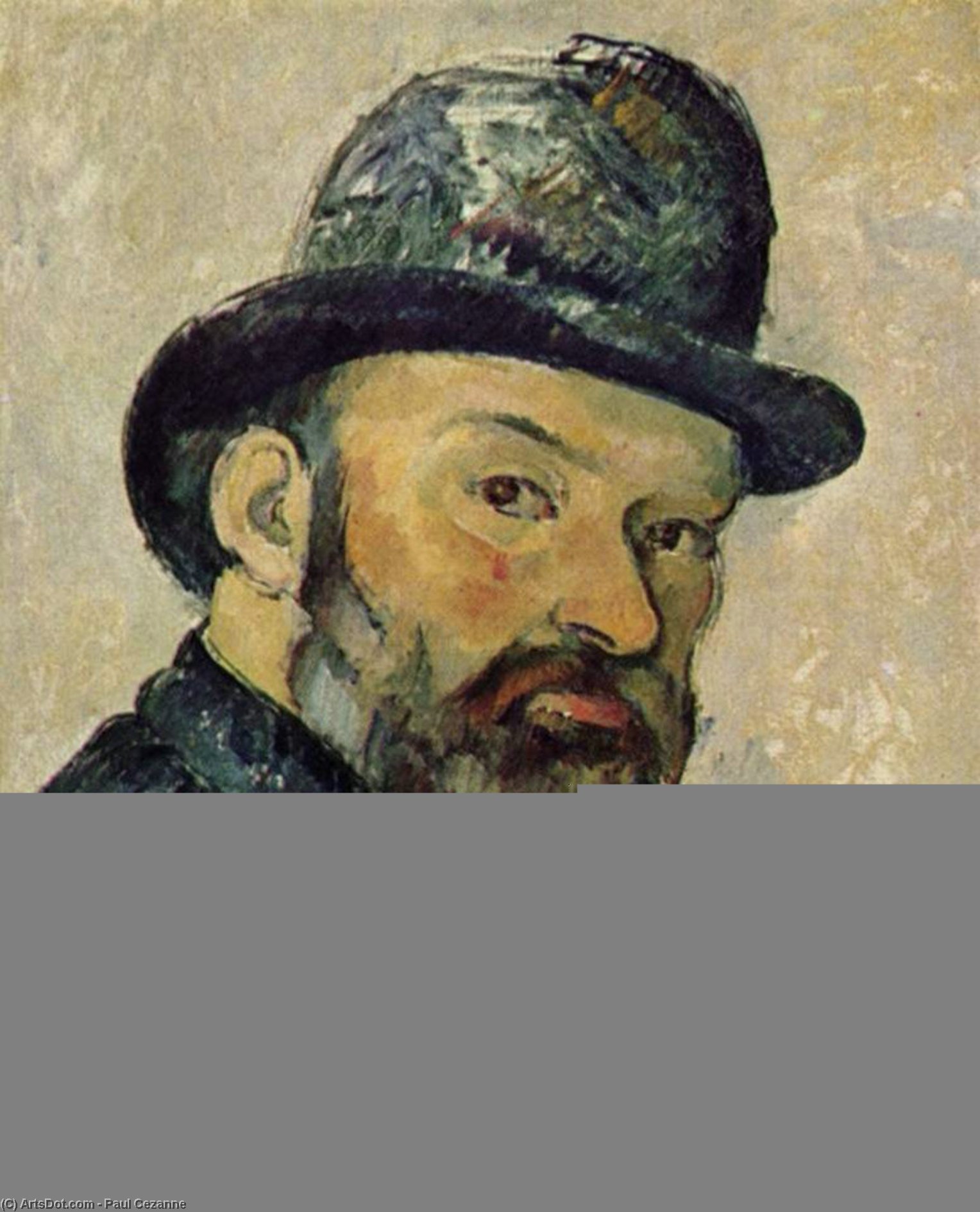
Autoritratto

Un capolavoro post-impressionista di Cézanne che esplora struttura e colore con pennellate ripetitive e dettagliate. Scopri l'influenza rivoluzionaria dell'artista sulla storia dell'arte moderna.

Esplora l'arte rivoluzionaria di Paul Cézanne (1839-1906), un maestro del Post-Impressionismo che ha colmato il divario tra Impressionismo e Cubismo. Scopri le sue forme geometriche, pennellate uniche, dipinti di natura morta e il suo impatto duraturo sull'arte moderna. #Cézanne #PostImpresionismo

Giclée / Stampa d'arte

Stampa giclée o su tela di qualità museale, con produzione rapida e diverse opzioni di finitura.

P118B $10
P118H $10
P118W $10
P438Z $10
P508JH $12
P508YH $12
P805H $10
P805Z $10
P919BZ $10
P919G $10
P919XJ $10
P959ZH $10
P968JZ $12
W106C $8
W218G $10
W218JH $8
W218Y $10
W307PJ $10
W316G $10
W316PJ $8
W316Y $10
W398PJ $8
W4111J $10
W500HY $15
W500JH $15
W692G $12
W849H $8
W940BG $15
W953PJ $8

Standard
custom
CM
INCH

Scegli tra le nostre dimensioni predefinite, che rispettano le proporzioni originali dell'opera d'arte.

larghezza
altezza

È possibile inserire dimensioni personalizzate per adattare l'opera a una cornice o a uno spazio specifico. Se la dimensione selezionata non corrisponde alle proporzioni dell'immagine originale, procederemo al ritaglio dell'opera o all'estensione dell'immagine con un bordo specchiato o a tinta unita. Un mockup digitale ti verrà inviato per approvazione prima dell'inizio della produzione.
Si prega di notare che l'anteprima a schermo non riflette il ritaglio o l'estensione effettivi. Solo il mockup mostrerà accuratamente la composizione finale.
Sebbene siano disponibili dimensioni personalizzate, si raccomanda di selezionare una dimensione dall'elenco predefinito per preservare le proporzioni originali.

Consegna in tutto il mondo () in 2 settimane invece delle normali 4/5 settimane. (4 Luglio)

why_choose_icon
Spedizione espressa gratuita in tutto il mondo

why_choose_icon
Tela in lino di alta qualità
why_choose_icon
Assicurazione completa sulla spedizione
why_choose_icon
Garanzia di rimborso dei dazi doganali
why_choose_icon
Garanzia di fedeltà cromatica
why_choose_icon
Politica di reso entro 60 giorni (solo per difetti)
why_choose_icon
Garanzia di rimborso al 100%
why_choose_icon
Sconto per acquisti multipli

Prezzo totale

-

reproduction

Autoritratto

Giclée / Stampa d'arte

Dimensioni riproduzione

-

Prezzo totale finale

-

Informazioni rapide

  • Title: Self-Portrait
  • Influences: Impressionism
  • Artistic style: Geometric abstraction
  • Medium: Oil on canvas
  • Location: Kunstmuseum Bern
  • Movement: Post-Impressionism
  • Dimensions: 44 x 36 cm

Quiz d'arte

Per ogni domanda è presente una sola risposta corretta.

Domanda 1:
What artistic movement is Paul Cézanne primarily associated with?
Domanda 2:
Where is 'Self-Portrait' currently housed?
Domanda 3:
What technique did Cézanne use to create the painting?
Domanda 4:
Who acknowledged Cézanne as 'the father of us all'?
Domanda 5:
What is a notable characteristic of Cézanne’s brushwork described in the text?

Descrizione dell'opera

Self-Portrait

Paul Cézanne’s Self-Portrait, painted in 1887, stands as an emblem of artistic innovation and a pivotal moment in the transition from Impressionism to Cubism—a movement that would fundamentally reshape Western art. Located at the Kunstmuseum Bern in Switzerland, this unassuming canvas holds within it layers of meaning and technique that continue to fascinate scholars and inspire artists today. It’s more than just a likeness; it's an exploration of identity, perception, and Cézanne’s groundbreaking approach to representing reality.

Early Influences and Artistic Evolution

Cézanne began his artistic journey steeped in the Romantic tradition, mirroring the grandeur and emotional intensity prevalent at the time. The murals adorning Jas de Bouffan—his family estate—demonstrate this initial inclination towards dramatic landscapes and expressive brushwork. However, Cézanne swiftly rejected these conventions, immersing himself in the vibrant experimentation of Impressionism. Artists like Monet and Renoir captivated him with their ability to capture fleeting moments of light and color, prompting him to dissect and reconstruct visual experience. This transformative process is vividly evident in Self-Portrait, where Cézanne abandons Impressionistic illusion for a more assertive depiction of underlying structure—a cornerstone of his distinctive style.

Characteristics of the Painting: A Detailed Examination

Measuring 44 x 36 cm, the portrait presents Cézanne himself seated before a mirror, gazing directly at the viewer with an unwavering gaze. The composition is deceptively simple yet meticulously crafted. Cézanne employs a muted palette dominated by earthy tones—ochre, brown, and gray—creating a sense of solidity and permanence. His brushstrokes are characteristic of Cézanne’s method: short, broken strokes build up to form planes of color that suggest depth and volume. The artist’s meticulous attention to detail is particularly noticeable in the rendering of his facial features—the expressive eyes, the prominent mustache, and the thoughtful expression—all conveying a profound introspection. Two figures stand in the background, rendered with less precision than Cézanne himself, serving as anchors for the composition and subtly reinforcing the sense of spatial recession. The inclusion of the mirror is significant; it symbolizes not only Cézanne’s self-awareness but also his deliberate engagement with artistic conventions—a conscious effort to challenge the prevailing aesthetic ideals of his time.

Symbolism and Artistic Legacy

Cézanne's Self-Portrait transcends mere representation, embodying a deeper exploration of psychological complexity. The artist’s gaze is not passive; it confronts the viewer with an intensity that invites contemplation. Cézanne’s stylistic choices—the flattened perspective, the emphasis on geometric forms—were revolutionary for their era and foreshadowed the developments of Cubism. He deliberately disrupted traditional notions of realism by prioritizing form over illusion, anticipating the radical aesthetic shifts that would characterize the early 20th century. Cézanne's influence extended far beyond his immediate contemporaries; artists like Henri Matisse and Pablo Picasso acknowledged him as “the father of us all,” recognizing in his work a foundational element of modern artistic expression.
  • Kunstmuseum Bern: Located in Switzerland, this museum houses Cézanne’s Self-Portrait alongside numerous other masterpieces of Impressionism and Post-Impressionism.
  • WahooArt.com: Explore high-quality reproductions of Cézanne’s Self-Portrait and discover more about his artistic journey.
  • Wikipedia: Delve deeper into Paul Cézanne's biography, artistic achievements, and enduring legacy.
Experience the brilliance of Cézanne’s vision—a timeless masterpiece that continues to inspire awe and admiration.

Biografia dell'artista

vitae e influenze

paul cézanne, pittore post-impressionista francese, nacque il 19 gennaio 1839 ad Aix-en-Provence, Francia. La sua giovinezza fu segnata da un forte legame con la famiglia e la sua attività bancaria, che gli fornirono sicurezza finanziaria. Ciò gli permise di concentrarsi sulle sue aspirazioni artistiche senza il peso dello stress finanziario. les nabis, neo-impressionismo e simbolismo influenzarono le prime opere di Cézanne, caratterizzate dall'enfasi sulle forme geometriche e su una tavolozza cromatica limitata. Il suo interesse per le opere di paul gauguin e georges seurat ha ulteriormente consolidato il suo stile post-impressionista.

stile artistico e tecniche

L'uso innovativo di Cézanne dei piani cromatici e delle piccole pennellate ripetitive creava campi complessi che esprimevano il suo intenso studio dei soggetti. Il suo approccio spesso esploratorio all’arte portò allo sviluppo di una nuova lingua pittorica, che enfatizzava la struttura sottostante degli oggetti in una composizione.

eredità e impatto

L'opera pionieristica di Cézanne nel post-impressionismo ha aperto la strada a vari movimenti d’avanguardia, tra cui il cubismo, il fauvismo e il surrealismo. La sua influenza può essere vista nelle opere di pablo picasso, henri matisse e georges braque. L'eredità di Cézanne continua a ispirare artisti ed appassionati d’arte, consolidando il suo posto come figura fondamentale nella storia dell’arte moderna.
Paul Cézanne

Paul Cézanne

1839 - 1906 , Francia

Dati rapidi

  • Artisti Che Hanno Influenzato:
    • Paul Gauguin
    • Georges Seurat
  • Artisti Influenzati:
    • Pablo Picasso
    • Henri Matisse
    • Georges Braque
  • Data Di Nascita: 19 gennaio 1839
  • Luogo Di Nascita: Aix-en-Provence, Francia
  • Movimento Artistico: Post-Impressionismo
  • Nazionalità: Francese
  • Nome Completo: Paul Cézanne
  • Opere Notevoli:
    • Lo stagno a Jas de Bouffan
    • Ritratto di Émile Zola
    • Bosco
    • Grandi Bagnanti
Esplora opere d'arte organizzate per temi, stili e caratteristiche.